The global packaging landscape is shifting, with sustainability and cost-efficiency driving unprecedented demand for reliable supply chains. As a decision-maker for your brand, finding the right manufacturing partner in the China glass container market is no longer just about price—it’s about quality, logistics, and scalability.
With China continuing to solidify its position as a primary global hub for glass production, understanding how to navigate this complex market is crucial for wholesalers, brand owners, and production managers alike.
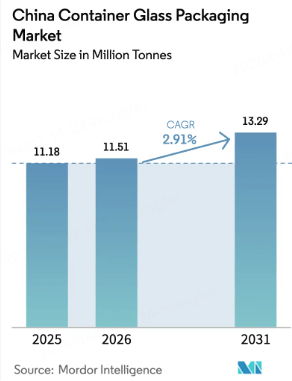
Table of Contents
The Current Landscape of the China Glass Container Market
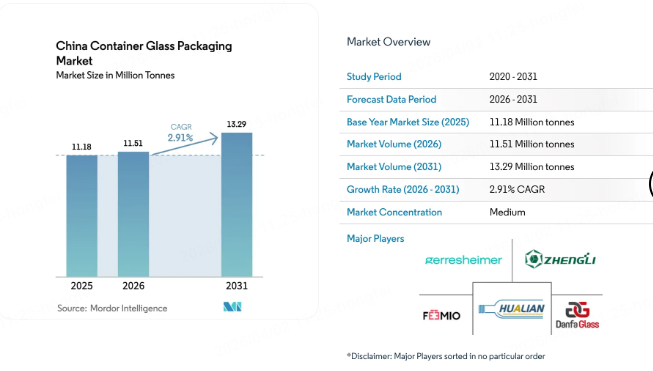
The China glass container market is witnessing steady growth, fueled by rising demand in the beverage, pharmaceutical, and personal care sectors mordorintelligence. As of 2026, the industry is balancing increased production capacities with global supply chain complexities, making strategic sourcing more important than ever.
Key Market Trends in 2026
- Sustainable Packaging Focus: Demand for PCR (Post-Consumer Recycled) glass is surging as brands strive to meet ESG goals yahoo.
- Technological Advancements: Manufacturers are adopting automated inspection systems to ensure higher consistency and quality control standards technavio.
- Logistics Integration: Seamless, end-to-end logistics solutions are becoming a standard requirement for international buyers to reduce transit bottlenecks mordorintelligence.
Expert Insights: Why China Remains the Global Sourcing Powerhouse
From an industry perspective, China offers an unmatched ecosystem for glass production. Unlike fragmented markets, Chinese manufacturers benefit from integrated supply chains, advanced glass-forming machinery, and a highly skilled workforce dedicated to high-volume production.
Advantages of Sourcing from China
- Unrivaled Scalability: Whether you need a small batch of custom artisanal bottles or massive quantities of standard containers, Chinese manufacturers can scale production to meet your specific timelines reportlinker.
- Cost-Efficiency: Due to economies of scale and efficient logistical infrastructure, sourcing from China often provides the lowest total cost of ownership (TCO) compared to other manufacturing hubs mordorintelligence.
- Diverse Product Range: From soda-lime glass for beverages to borosilicate glass for pharmaceuticals, the variety of products available is exhaustive deepmarketinsights.
Strategic Sourcing: A 5-Step Checklist for Buyers
To successfully navigate the China glass container market, follow this structured approach to ensure quality and reliability:
- Clearly Define Technical Specifications: Provide detailed CAD drawings, including dimensions, weight tolerances, and glass clarity requirements.
- Verify Manufacturer Expertise: Don’t just look for a supplier; look for a partner. Check their history, certifications (ISO), and experience with your specific industry segment.
- Request Samples: Always test samples under real-world conditions—check for thermal shock resistance and capping integrity.
- Leverage One-Stop Sourcing Platforms: Utilize platforms like LooperBuy that consolidate the supplier discovery, ordering, and logistics processes into one workflow to minimize communication overhead mordorintelligence.
- Establish Strict Quality Control (QC): Employ third-party inspection services for pre-shipment checks to ensure every container meets your standards before it leaves the factory floor.
Deep Dive: Advanced Technical Considerations
When sourcing from the China glass container market, it is critical to understand the nuances of glass manufacturing processes that impact your product’s performance.
Glass Composition and Application
- Soda-Lime Glass: The industry standard for food and beverage containers. It is cost-effective, durable, and highly recyclable.
- Borosilicate Glass: Essential for high-temperature applications or chemical resistance, commonly used in the pharmaceutical industry and high-end culinary ware deepmarketinsights.
- Surface Treatments: Discuss options such as coatings to enhance durability, prevent scuffing, or improve ultraviolet light protection for sensitive products.
Understanding Production Volumes
A common pain point for international buyers is the Minimum Order Quantity (MOQ). Manufacturers prioritize efficiency, which often translates to higher MOQs for custom molds. However, by working through consolidated B2B platforms, smaller brands can often participate in group-buying orders, effectively lowering the barrier to entry while maintaining high quality standards mordorintelligence.
Comparison: Traditional Sourcing vs. Modern B2B Platform Efficiency
| Feature | Traditional Sourcing | LooperBuy (One-Stop Platform) |
|---|---|---|
| Supplier Discovery | Time-consuming & manual | Instant & curated |
| Logistics | Complex/Fragmented | Streamlined/Transparent mordorintelligence |
| Communication | High overhead | Centralized & efficient |
| Risk Management | Limited visibility | Enhanced due to platform vetting |
Addressing Common Challenges: Expert Solutions
Even in a mature market, buyers often face hurdles. Here is how to proactively manage them:
- Quality Consistency: Proactive solution: Implement a rigorous sampling process and mandate third-party lab testing during the production run, not just before shipping.
- Logistics Bottlenecks: Proactive solution: Partner with platforms that offer real-time container tracking, ensuring visibility at every stage of the voyage mordorintelligence.
- Communication Gaps: Proactive solution: Use specialized B2B platforms where technical documents and negotiation history are consolidated, ensuring no requirements are lost in translation.
Recommendation: Brands should invest in a “Pre-Production Audit” where they assess not just the factory’s capacity, but their internal QC procedures and raw material sourcing channels.
Case Study: Scaling Success through Digital Sourcing
Consider a European personal care startup that struggled with inconsistent packaging supply from various local vendors. By migrating their procurement to a one-stop B2B sourcing model focusing on the China glass container market, they achieved:
- 30% reduction in lead times through streamlined logistics.
- 20% cost savings by leveraging high-volume supplier networks found on global platforms.
- 100% compliance with international safety standards due to built-in vetting processes.
This illustrates the power of digital transformation in traditional manufacturing sectors. It shifts the dynamic from “vendor hunting” to “strategic partnership management.”
Conclusion: Securing Your Supply Chain in 2026
The China glass container market continues to offer significant strategic advantages for global brands. By combining deep industry knowledge with modern, one-stop sourcing platforms, buyers can streamline their operations, reduce costs, and ensure a steady supply of high-quality packaging. Take the first step today: analyze your current volume requirements and leverage efficient platforms to bridge the gap between global demand and Chinese manufacturing excellence.
Ready to streamline your glass sourcing? Click here to explore thousands of high-quality glass containers on our platform and simplify your global supply chain today.
Frequently Asked Questions (FAQ)
Q1: What is the growth outlook for the China glass container market?
A: The market is projected to grow steadily, with various reports indicating a healthy CAGR, driven by rising demand in beverage, pharmaceutical, and sustainable packaging segments mordorintelligence grandviewresearch.
Q2: Is it still cost-effective to source glass from China in 2026?
A: Yes. Despite global economic turbulence, China remains a leader in production efficiency, offering competitive pricing due to economies of scale and mature logistical infrastructure mordorintelligence reportlinker.
Q3: How can I ensure the quality of glass containers sourced from China?
A: Utilize detailed technical specifications, request prototypes for testing, and employ third-party inspection services to conduct pre-shipment quality checks.
Q4: How do I handle international logistics for glass products?
A: Leverage a one-stop B2B sourcing platform that integrates freight calculators, load optimization, and real-time container tracking to ensure visibility and lower logistics costs mordorintelligence.
Q5: What are the current sustainability trends in glass packaging?
A: There is a major shift towards PCR (Post-Consumer Recycled) glass and lighter-weight container designs to reduce carbon footprints and meet ESG compliance coherentmarketinsights yahoo.
References
- China Container Glass Packaging Market Size & Share Analysis
- Glass Container Market Size and Trends 2026-35
- Glass Container Market Forecast 2026-2036
- China Glass Container Packaging Market Size 2024-2028
- China Glass Industry Outlook 2022 – 2026
- Glass Manufacturing Market Size & YoY Growth Rate, 2026-2033
- PCR-Rich Glass Container Market Set to Double by 2035
- China Glass Manufacturing Market Size & Outlook, 2025-2030
- China Container Glass Market Size & Outlook, 2025-2033
Article Summary (300 characters):
This guide explores the 2026 China glass container market, highlighting trends like sustainability and technological upgrades. It offers a strategic, 5-step sourcing checklist and compares traditional methods with efficient, one-stop B2B platforms to help brands optimize their supply chains.
Hot tags: #ChinaGlassContainerMarket #B2BGlassSourcing #WholesaleGlassBottles #GlassPackagingSupplyChain #ImportGlassFromChina #CustomGlassManufacturing #SourcingPlatform #GlassContainerTrends #BulkGlassOrdering #GlobalB2BTrade