Table of Contents
Introduction to Chinese Wholesale Vendors
China’s wholesale ecosystem is the backbone of global trade, offering businesses unparalleled access to cost-effective, diverse, and scalable product solutions. From electronics and textiles to machinery and consumer goods, Chinese vendors cater to retailers, e-commerce platforms, and distributors worldwide. However, sourcing from China requires strategic planning, rigorous supplier verification, and an understanding of logistics and compliance. This guide explores actionable strategies to identify reliable vendors, optimize costs, and adapt to emerging trends in 2024, ensuring a seamless and profitable sourcing journey.
Understanding Key Types of Chinese Wholesale Vendors
Original Equipment/Design Manufacturers (OEM/ODM)
OEM and ODM vendors specialize in bulk production and customization, offering:
- Tailored Solutions: Custom product designs, packaging, and branding for private-label businesses.
- Scalable Production: Flexible MOQs (Minimum Order Quantities) ranging from 50 units for startups to 10,000+ for established brands.
- Cost Efficiency: Lower per-unit costs through economies of scale, particularly for bulk orders.
Trading Companies
Acting as intermediaries between buyers and factories, trading companies provide:
- Product Diversity: Access to multiple categories (e.g., apparel, electronics) without direct factory partnerships.
- Logistics Coordination: Assistance with shipping, customs clearance, and documentation.
Wholesale Marketplaces
- Global B2B Platforms: Leading online marketplaces aggregate thousands of vendors, offering buyer protections like secure payment gateways and dispute resolution.
- Domestic Platforms: 1688.com, Alibaba’s Chinese counterpart, provides ultra-competitive pricing for bulk orders but requires local agents or Mandarin proficiency.
- Physical Markets: Yiwu International Trade City and Guangzhou’s Baiyun Leather Market remain vital for in-person sourcing and bulk purchases.
Strategies for Effective Vendor Collaboration
Step 1: Vendor Verification and Due Diligence
- Certifications: Prioritize vendors with ISO 9001 (quality management), BSCI (social compliance), or industry-specific certifications like RoHS (electronics safety).
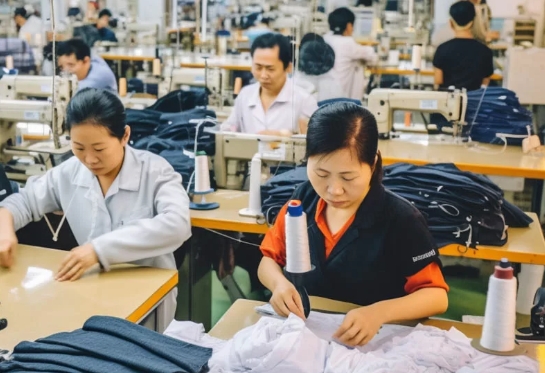
- Third-Party Audits: Engage inspection agencies to evaluate factories, production processes, and labor conditions. For example, SA8000-certified vendors ensure ethical wages and safe workplaces.
- Sample Testing: Request product samples to verify material quality, durability, and adherence to technical specifications.
Step 2: Cost Optimization Techniques
- Bulk Discounts: Negotiate tiered pricing for large orders. For instance, apparel vendors may reduce per-unit costs by 15–20% for orders exceeding 5,000 units.
- Tariff Mitigation: Source from vendors in tariff-exempt regions (e.g., ASEAN countries) or utilize bonded warehouses to defer duty payments.
- Material Substitution: Opt for cost-effective alternatives like recycled polyester or ABS plastic without compromising functionality.
Step 3: Logistics and Compliance Management
- DDP Shipping: Choose Delivered Duty Paid (DDP) terms to streamline customs clearance. Vendors handle tariffs, taxes, and documentation.
- Consolidated Shipping: Combine multiple orders into full-container loads (FCL) to reduce freight costs by up to 40%.
- Regulatory Alignment: Ensure products meet destination-market standards (e.g., CE for the EU, FCC for the U.S.) and labeling requirements.
Challenges and Proactive Solutions
Quality Control and Consistency
- Batch Variations: Differences in product quality across production runs. Solution: Implement pre-shipment inspections and enforce contracts with penalties for non-compliance.
- Counterfeit Materials: Substitution of premium materials with cheaper alternatives. Solution: Partner with certified vendors and conduct third-party lab tests.
Communication and Cultural Barriers
- Language Gaps: Misunderstandings in technical specifications or contracts. Solution: Use bilingual agents or digital translation tools for clear communication.
- Trust Building: Cultural differences in negotiation styles. Solution: Attend trade shows like the Canton Fair or arrange virtual factory tours to foster transparency.
Logistical Complexities
- Shipping Delays: Port congestion or customs holdups. Solution: Opt for express shipping or diversify suppliers across regions.
- Hidden Costs: Unanticipated fees like port handling charges. Solution: Clarify Incoterms (e.g., FOB vs. CIF) and request detailed cost breakdowns.
Future Trends Shaping Wholesale Sourcing
Technology-Driven Procurement
- AI and Predictive Analytics: Advanced algorithms analyze historical data to forecast demand, optimize inventory, and match buyers with reliable vendors.
- Blockchain Traceability: Immutable ledgers track products from raw materials to delivery, ensuring authenticity and ethical compliance.
Sustainability and Ethical Practices
- Circular Supply Chains: Vendors adopt recycled materials (e.g., ocean plastics in textiles) and zero-waste production methods.
- Carbon-Neutral Manufacturing: Factories invest in solar energy, carbon offsets, and biodegradable packaging to align with global ESG goals.
Regional Diversification
- Nearshoring: Chinese vendors establish production hubs in Mexico, Vietnam, and Eastern Europe to bypass tariffs and reduce lead times.
- Dual Sourcing: Split orders between Chinese and regional suppliers to mitigate geopolitical risks and ensure supply chain resilience.
Conclusion
Sourcing from Chinese wholesale vendors offers businesses a strategic advantage in cost efficiency and scalability. Success hinges on meticulous vendor verification, adaptive logistics planning, and alignment with global trends like AI-driven procurement and sustainability. By prioritizing certified partners, leveraging technology, and fostering transparent communication, businesses can navigate challenges and capitalize on China’s manufacturing prowess. The future of wholesale sourcing lies in balancing innovation with ethical practices, ensuring long-term growth in an evolving global market.
If you want to do purchasing directly without registering 1688, you can use looperbuy, a one-stop purchasing-logistics solution:https://looperbuy.com/
Related Questions & Answers
· How can I verify a Chinese vendor’s credibility remotely?
Request certifications (e.g., ISO 9001), third-party audit reports, and product samples. Conduct virtual factory tours via video call to assess facilities and processes.
· What are the risks of relying on trading companies?
Trading companies may lack direct control over production quality and charge higher margins. Cross-check factory certifications and negotiate transparent pricing terms.
· How do I negotiate lower MOQs with vendors?
Commit to long-term partnerships, offer upfront payments, or bundle multiple product designs to meet minimum order thresholds.
· What platforms specialize in eco-friendly vendors?
Look for vendors with certifications like GOTS (organic textiles) or FSC (sustainable forestry) on B2B platforms with dedicated sustainability filters.
· How can I avoid unexpected customs fees?
Opt for DDP shipping terms, ensure accurate HS codes, and verify compliance with destination-country regulations before shipment.
Hot Tags: Verified Wholesale Vendors; Bulk Order Strategies; OEM Manufacturing China; Sustainable Sourcing Solutions; DDP Shipping Guides; China Tariff Management; Low-MOQ Wholesale; Ethical Vendor Certification; Blockchain Supply Chain.