Muslim clothing for women is a rich tapestry of styles, traditions, and cultural significance. This article explores the various aspects of Muslim women’s clothing, including its history, types, cultural variations, and modern trends. We will delve into the significance of modesty in Islamic dress, the materials used, and how these garments are worn in different contexts. The diversity of Muslim women’s clothing reflects not only personal choice but also the intersection of faith, culture, and fashion.
Table of Contents
Understanding Muslim Women’s Clothing
The Importance of Modesty
In Islam, modesty is a fundamental principle that extends beyond clothing to encompass behavior and demeanor. The Quran and Hadith emphasize the importance of dressing modestly, which is interpreted in various ways across different cultures. For many Muslim women, this means wearing clothing that covers the body while allowing for personal expression and style. Modesty is not merely about the physical appearance; it also involves a sense of dignity and respect for oneself and others. This principle encourages women to focus on their inner qualities rather than their outward appearance, fostering a sense of self-worth that transcends societal beauty standards.
Historical Context
The history of Muslim women’s clothing is as diverse as the cultures in which Islam has spread. From the flowing robes of the Middle East to the vibrant saris of South Asia, each region has developed its unique styles that reflect local customs and traditions. Historically, clothing was not only a means of protection from the elements but also a way to signify social status and cultural identity. For instance, in ancient times, the materials and colors used in garments often indicated a person’s wealth and position within society. Over the centuries, as trade routes expanded and cultures interacted, the styles and fabrics of Muslim women’s clothing evolved, incorporating influences from various civilizations while maintaining core principles of modesty.
Types of Muslim Women’s Clothing
Abaya
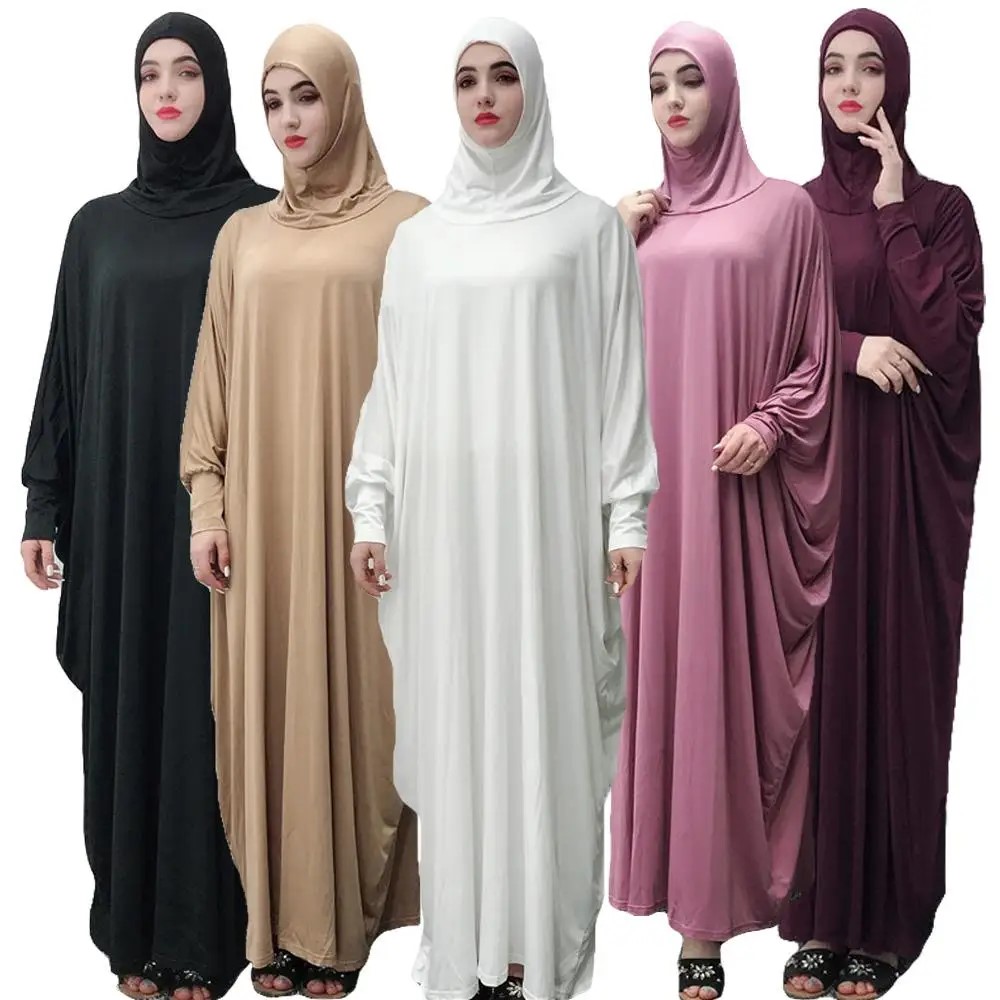
The abaya is a traditional garment worn by many Muslim women, particularly in the Arabian Peninsula. This long, flowing robe is typically black, although it can come in various colors and styles. The abaya is often worn over regular clothing and is designed to provide full coverage while allowing for ease of movement. It is not just a piece of clothing but a symbol of cultural identity and personal choice. Many women personalize their abayas with intricate embroidery, embellishments, or unique cuts, transforming a simple garment into a statement of fashion. The abaya can be paired with a hijab or other head coverings, creating a complete look that reflects both tradition and modernity.
Hijab
The hijab refers to the headscarf worn by many Muslim women as a symbol of modesty and faith. It comes in various styles, colors, and fabrics, allowing for personal expression. The hijab can be styled in numerous ways, from simple wraps to more elaborate draping techniques. Beyond its aesthetic appeal, the hijab serves as a reminder of the wearer’s commitment to their faith and values. Many women view the hijab as an empowering choice, allowing them to navigate the world with confidence while adhering to their beliefs. The hijab has also become a canvas for creativity, with many women experimenting with different fabrics, patterns, and accessories to create unique looks.
Jilbab
The jilbab is another type of outer garment that provides coverage for the body. It is similar to the abaya but can be more tailored and fitted. The jilbab often features a front opening and can be worn with a hijab or other head coverings. This garment is particularly popular in various regions, including North Africa and parts of the Middle East. The jilbab is versatile, suitable for both everyday wear and special occasions. Many women appreciate the jilbab for its ability to combine modesty with style, as it can be made from a variety of fabrics and adorned with beautiful designs.
Kaftan
The kaftan is a loose-fitting garment that is popular in many Muslim cultures. It is often made from lightweight fabrics and can be adorned with intricate embroidery or patterns. The kaftan is versatile and can be worn for both casual and formal occasions. Its flowing silhouette allows for comfort and ease of movement, making it a favorite choice for warm climates. The kaftan can be styled in numerous ways, often paired with statement jewelry or accessories to enhance its elegance. In recent years, the kaftan has gained popularity in the fashion world, with designers incorporating modern elements into this traditional garment.
Salwar Kameez
In South Asia, the salwar kameez is a popular choice among Muslim women. This outfit consists of a long tunic (kameez) paired with loose-fitting trousers (salwar). It is comfortable and can be made from various fabrics, making it suitable for different climates and occasions. The salwar kameez is often embellished with embroidery, sequins, or prints, allowing for personal expression. This outfit is not only practical but also reflects the rich cultural heritage of South Asia, where it is worn by women of all ages. The versatility of the salwar kameez makes it a staple in many wardrobes, suitable for both everyday wear and festive celebrations.
Cultural Variations in Muslim Clothing
Middle Eastern Styles
In the Middle East, traditional clothing often emphasizes flowing lines and modest silhouettes. The abaya and hijab are prevalent, with variations in color and design reflecting personal style and regional influences. In countries like Saudi Arabia and the UAE, the abaya is often worn in public spaces, while in other regions, women may choose to wear more colorful and embellished versions. The cultural significance of these garments is profound, as they represent not only religious beliefs but also national identity. Many women take pride in wearing traditional attire that showcases their heritage, often incorporating local fabrics and designs into their outfits.
South Asian Styles
In South Asia, Muslim women often wear the salwar kameez, which allows for vibrant colors and patterns. The dupatta, a long scarf, is often worn with this outfit, adding an extra layer of modesty and style. The salwar kameez is particularly popular in countries like India, Pakistan, and Bangladesh, where it is a symbol of cultural identity. Women often choose fabrics that reflect the season, opting for lighter materials in the summer and heavier fabrics in the winter. The salwar kameez can be adorned with intricate embroidery, mirror work, or block printing, showcasing the rich textile traditions of the region.
African Styles
African Muslim women showcase a variety of styles, often incorporating bright colors and bold patterns. Traditional garments like the boubou or kaftan are common, and head wraps are frequently used to complement the outfit. In many African cultures, clothing is a form of artistic expression, with vibrant prints and intricate designs that tell stories of heritage and identity. The use of local fabrics, such as kente cloth or mud cloth, adds to the uniqueness of each outfit. Women often wear these garments during cultural celebrations, weddings, and religious events, highlighting the importance of clothing in social and cultural contexts.
Western Influences
In Western countries, Muslim women often blend traditional clothing with contemporary fashion. This can include wearing hijabs with modern outfits or incorporating modest styles into everyday wear. The rise of modest fashion brands has made it easier for women to find stylish options that align with their values. Many designers are now creating collections that cater to the needs of Muslim women, offering a range of clothing that is both fashionable and modest. This fusion of styles allows women to express their identity in diverse settings, from casual outings to formal events, while remaining true to their beliefs.
Modern Trends in Muslim Women’s Clothing
Modest Fashion Movement
The modest fashion movement has gained significant traction in recent years, with designers and brands focusing on stylish, modest clothing options. This trend has led to a greater variety of choices for Muslim women, allowing them to express their individuality while adhering to their beliefs. Social media platforms have played a crucial role in promoting modest fashion, with influencers and bloggers showcasing their unique styles and inspiring others. This movement has not only empowered women to embrace their faith but has also challenged stereotypes about Muslim clothing, highlighting its beauty and diversity.
Sustainable Fashion
Sustainability is becoming increasingly important in the fashion industry, and many Muslim clothing brands are embracing eco-friendly practices. This includes using organic materials, ethical production methods, and promoting slow fashion principles. As awareness of environmental issues grows, many consumers are seeking out brands that prioritize sustainability. Muslim women are at the forefront of this movement, advocating for clothing that is not only stylish but also environmentally responsible. By choosing sustainable options, women can align their fashion choices with their values, contributing to a more ethical and conscious industry.
Online Shopping
The rise of e-commerce has made it easier for Muslim women to access a wide range of clothing options. Online platforms offer diverse styles from around the world, allowing women to find garments that suit their tastes and needs. This accessibility has transformed the shopping experience, enabling women to explore different brands and styles without geographical limitations. Many online retailers now cater specifically to modest fashion, providing detailed size guides and styling tips to help women make informed choices. The convenience of online shopping has empowered women to curate their wardrobes with pieces that reflect their personal style and cultural identity.
Conclusion
Muslim women’s clothing is a vibrant and diverse field that reflects the rich cultural heritage of the Islamic world. From traditional garments like the abaya and hijab to modern interpretations of modest fashion, these clothes serve as a means of expression and identity. As the fashion landscape continues to evolve, Muslim women are finding new ways to embrace their faith while celebrating their individuality. The ongoing dialogue around modesty, cultural expression, and fashion is reshaping perceptions and creating a more inclusive environment for all women.
How to purchase:https://looperbuy.com/search?keywords=Muslim+Women+Clothe
Frequently Asked Questions
1.What is the significance of the hijab in Muslim culture?
The hijab symbolizes modesty and faith for many Muslim women. It is a personal choice that reflects their commitment to Islamic principles and serves as a reminder of their identity.
2.Are there specific rules for wearing Muslim clothing?
While there are general guidelines for modesty, the interpretation of these rules can vary widely among cultures and individuals. It is essential to respect personal choices and understand that modesty can be expressed in various ways.
3.Can Muslim women wear Western clothing?
Yes, many Muslim women incorporate Western styles into their wardrobes, provided the clothing adheres to modesty principles. This blending of styles allows for personal expression while maintaining cultural values.
4.What materials are commonly used in Muslim women’s clothing?
Common materials include cotton, silk, chiffon, and jersey, chosen for their comfort and breathability. The choice of fabric often depends on the climate and occasion, with lighter materials preferred in warmer weather.
5.How has the modest fashion movement impacted Muslim women’s clothing?
The modest fashion movement has expanded the variety of stylish options available to Muslim women, allowing them to express their individuality while adhering to their values. This trend has also encouraged greater representation and visibility of Muslim women in the fashion industry.