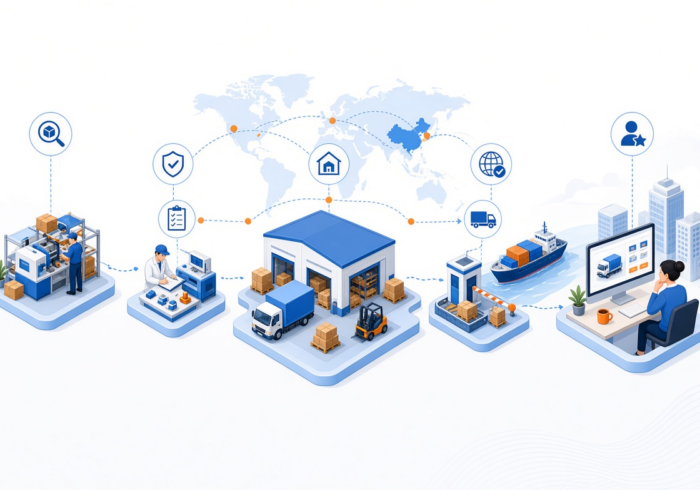
Choosing the right commerce architecture is no longer just a technical decision—it is a foundational business strategy. For B2B platforms like LooperBuy, which bridge global wholesale demands with Chinese manufacturing agility, the architecture must handle complex catalogs, tiered pricing, and high-volume transactions while remaining adaptable to new market channels [12].
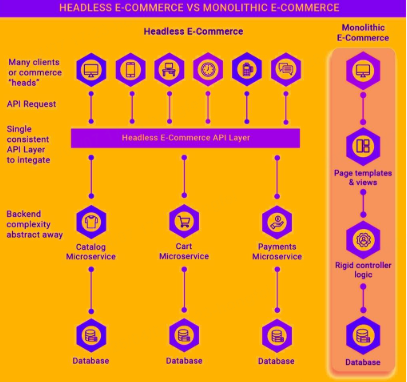
This guide explores the structural differences between monolithic and headless commerce platforms, providing a framework to help you determine which approach best supports long-term scalability and operational excellence.
Table of Contents
Understanding the Architecture: Monolith vs. Headless
To make an informed decision, it is essential to define the two primary approaches governing modern digital commerce.
What is a Monolithic Commerce Platform?
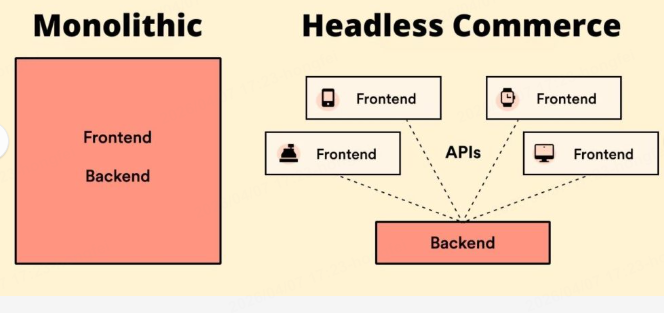
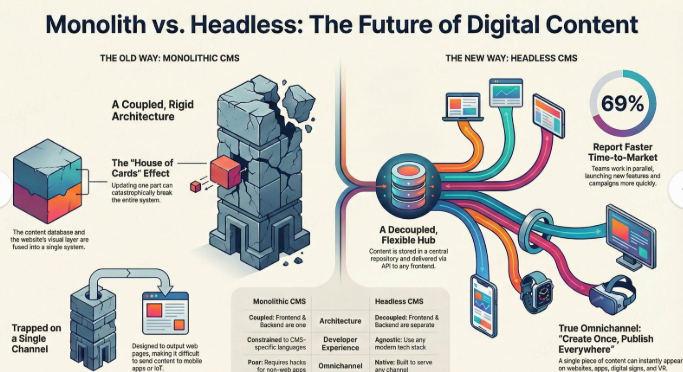
A monolithic platform functions as an all-in-one, “out-of-the-box” solution. In this architecture, the frontend (presentation layer) and the backend (data, logic, and transactions) are tightly coupled. [1, 4, 11]
- Key Characteristic: All components—catalog management, cart, checkout, and user interface—live within a single, integrated environment. [1, 5]
- Best For: Businesses requiring rapid deployment, standardized processes, and minimal reliance on specialized development teams. [6, 11]
What is a Headless Commerce Platform?
Headless commerce decouples the frontend presentation layer from the backend transactional engine. [2, 13, 15] Communication between these layers occurs exclusively through APIs (Application Programming Interfaces). [11, 16]
- Key Characteristic: This separation allows developers to use any frontend framework (e.g., React, Vue) while the backend continues to handle complex business logic. [10, 13]
- Best For: Enterprises aiming for omnichannel growth, extreme frontend customization, and the ability to integrate diverse third-party tools seamlessly. [11, 14, 15]
Comparative Analysis: Monolithic vs Headless
| Feature | Monolithic Commerce | Headless Commerce |
|---|---|---|
| Flexibility | Limited (Predefined templates) [5] | High (Complete UI control) [11] |
| Time-to-Market | Fast (Out-of-the-box) [6] | Slower (Custom development) [6] |
| Complexity | Low (Unified system) [7] | High (Requires integration management) [5, 7] |
| Customization | Hard to customize logic [12] | Highly scalable & customizable [11] |
| Best For | Small-to-mid-sized growth [11] | Large, enterprise-grade operations [14] |
Strategic Considerations for B2B Platforms
For B2B platforms, the choice often hinges on specific functional needs. Unlike B2C, B2B requires sophisticated catalog management, personalized pricing, and robust order management systems (OMS). [12]
1. Flexibility vs. Complexity
While headless architectures offer unmatched agility, they increase operational complexity. [7] Your team must manage separate frontend and backend hosting, API stability, and ongoing maintenance for multiple integrations. [6, 12] If your business model requires constant innovation across new devices (IoT, mobile, desktop), the trade-off is often worth it. [13, 15]
2. Scalability and Future-Proofing
Monolithic platforms can become bottlenecks as your catalog expands or your international reach grows. [7] Headless systems, by contrast, allow for a composable approach. You can swap out individual services (e.g., search, tax calculation, checkout) as your needs evolve without overhauling the entire system. [4, 15]
3. The “Hybrid” Middle Ground
Many modern B2B organizations are adopting a composable commerce model. [2, 4] This approach bridges the gap, allowing you to use specialized, best-in-class components for some areas while maintaining a unified, reliable backend for core transactional data. [2, 4]
Expert Insights: Making the Right Choice
Industry experts suggest that “headless” is not a universal panacea. [11] If your primary goal is to validate a market quickly with minimal technical overhead, a robust monolith is often the safer, more cost-effective starting point. [6]
Conversely, if you are a B2B platform operating globally with unique needs—such as complex logistics, regional tax integration, and high-performance requirements—the flexibility provided by a headless or composable architecture is essential for maintaining a competitive edge. [7, 14]
Conclusion
The debate between monolithic vs headless is fundamentally about balancing your need for speed against your need for agility. For B2B platforms like LooperBuy, which require a balance of technical reliability and global scalability, evaluate your current technical team’s bandwidth and long-term business goals. Whether you start with a monolith or invest in a headless future, your architecture should function as a foundation that accelerates, rather than hinders, your growth.
Frequently Asked Questions (FAQ)
1. Is headless commerce more expensive?
Initially, yes. Headless development generally requires higher investment in engineering talent and complex integrations. However, it can offer a lower total cost of ownership over time by avoiding full-scale re-platforming as you scale. [3, 6]
2. Can I switch from a monolith to a headless architecture later?
Yes, this is common. Many businesses start with a monolithic platform to validate their market. As the cost of customization on the monolith outweighs the benefits, they incrementally migrate to a headless, API-first architecture. [6, 7]
3. Does headless affect my SEO?
It can be more complex to manage, but when implemented correctly, headless commerce can actually improve SEO by allowing for faster page load times and greater control over technical SEO elements. [9, 13]
4. What is the main difference between Headless and Composable?
Headless focuses on separating the frontend from the backend. Composable commerce takes this further by breaking down the entire stack into modular, best-in-class services that can be assembled like building blocks. [4, 15]
5. Is headless commerce better for B2B?
It depends on the complexity of your B2B model. For organizations that need extensive custom customer portals, unique pricing logic, and omnichannel selling, headless provides the necessary architectural flexibility that traditional monoliths may struggle to match. [12, 17]
References
[1] Ignitiv: Headless vs Monolithic eCommerce
[2] Kibo Commerce: Headless vs Monolithic
[3] DigiCommerce: Headless vs Monolithic
[4] commercetools: Composable, Headless and MACH
[5] Codup: Headless vs Traditional B2B
[6] We Are Presta: Practical Guide 2026
[7] SkillNet: Modernizing Monolithic Engines
[8] BitBag: Exploring Architecture
[9] Core dna: Difference Between Platforms
[10] Sitecore: 5 Reasons to Migrate
[11] Anatta: Guide for DTC Brands
[12] BetterCommerce: Comprehensive Guide
[13] Coveo: Traditional vs Headless
[14] BigCommerce: Microservices vs Monolith
[15] Shinedezign: Composable vs Headless
[16] Codal: Comparing Platforms
[17] OroInc: Truth About Headless B2B
Article Summary
This guide analyzes the strategic trade-offs between monolithic and headless commerce architectures. It offers actionable insights for B2B platforms like LooperBuy, helping leaders navigate the balance between rapid deployment and long-term scalability in a global, digital-first economy.
Hot tags: B2B ecommerce platform selection, monolithic vs headless commerce, composable commerce architecture, B2B digital transformation, global B2B sourcing platform, headless commerce for wholesale, scalable B2B ecommerce solutions, API-first commerce architecture, B2B procurement strategies, omnichannel B2B selling.