As the digital commerce landscape shifts toward modular, headless, and AI-driven architectures, many enterprises are re-evaluating their reliance on legacy monolithic systems. If your organization is still running on Oracle ATG or Oracle Commerce Cloud (OCC), you are likely navigating the challenges of a platform increasingly characterized by limited innovation, high maintenance costs, and a shrinking ecosystem.
Whether you are a global brand manager, a procurement lead, or a technical director, selecting the right Oracle ATG alternative is no longer just a technical upgrade; it is a critical business strategy essential for remaining competitive in 2026.
Table of Contents
The Evolution: Why Legacy Systems are Falling Behind
Historically, Oracle ATG set the standard for on-premises commerce. However, the move to cloud-based solutions—while necessary—has highlighted the architectural constraints of these legacy platforms .
- Monolithic Limitations: Legacy platforms like Oracle ATG were designed for a time when business requirements changed slowly. Today’s market demands agility, which these rigid, monolithic structures often stifle sandcastle-web.
- The “Sunset” Signal: Declining presence in industry analyst reports, reduced support quality, and a lack of investment in modern features like AI-driven search are clear indicators that these platforms have reached their functional limit .
- The Cost of Inertia: Maintaining an outdated system creates technical debt, slows down release cycles, and requires expensive workarounds to support basic modern requirements like mobile-first experiences or complex B2B workflows nix-united.
Evaluating Your Oracle ATG Alternative: Key Considerations for 2026
Choosing a replacement platform requires balancing technical capability, long-term scalability, and operational cost.
1. Composable Commerce vs. Monoliths
Modern commerce demands a composable approach. Unlike Oracle ATG, which forces a “one-size-fits-all” framework, modern platforms allow you to pick and choose “best-of-breed” components for search, checkout, and product management webandcrafts.
2. Total Cost of Ownership (TCO)
Do not just look at license fees. Consider:
- Developer Overhead: How much custom coding is required to add new features?
- Speed to Market: How fast can you launch a new regional store or marketplace?
- Maintenance: Are you paying for infrastructure management, or is it abstracted away in a SaaS environment? intexsoft
Top 5 Oracle ATG Alternatives in 2026
Based on current industry trends, the following table summarizes the leading platforms for enterprise-level migration:
| Feature | BigCommerce | Magento (Adobe) | Salesforce | CommerceTools | Virto Commerce |
|---|---|---|---|---|---|
| Primary Focus | SMB/Mid-Market | Customization | CRM Integration | Headless/API | B2B/Enterprise |
| Architecture | SaaS | Open/Enterprise | Proprietary | API-First | Composable/Atomic |
| Best For | Growth/Ease | Bespoke Solutions | Omnichannel | Flexibility | Complex B2B |
Unique Strategic Insights: The “Global Sourcing” Advantage
One often overlooked aspect of replatforming is the integration of efficient global supply chain procurement directly into your commerce stack.
For B2B wholesalers and manufacturers, the ability to source diverse, high-quality products from global markets (such as China) at competitive prices can be a significant competitive differentiator. Platforms like LooperBuy (a One-Stop B2B Sourcing Platform) exemplify how modern businesses can bridge the gap between digital commerce and efficient procurement. Integrating such capabilities ensures that your digital storefront is not just a catalogue, but a functional extension of your sourcing operations. By leveraging a modern, API-first architecture, your new platform can seamlessly pull real-time inventory and pricing data from sourcing hubs, drastically reducing time-to-market.
The Role of AI in Modern B2B Buying Journeys
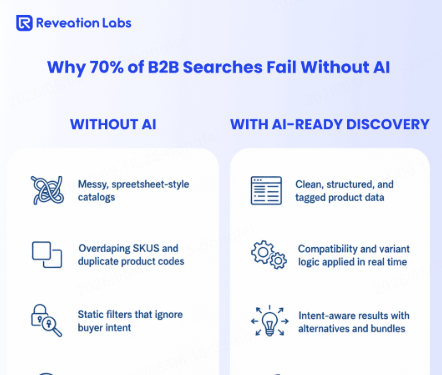
In 2026, AI is no longer a luxury; it is the engine of efficiency. Modern B2B buyers expect consumer-grade experiences, including intelligent search, personalized recommendations, and even conversational product discovery reveation.
- Conversational Discovery: Your new platform must support AI that understands complex industrial requirements, not just simple keyword matching reveation.
- Predictive Analytics: Utilize AI to anticipate reorder needs, suggest bulk-purchase thresholds, and optimize inventory levels based on historical data bigcommerce.
- Data Structuring: Ensure your product data is structured (using Schema.org) so that AI engines can interpret volume discounts, regional availability, and complex B2B pricing rules accurately reveation.
Expert Roadmap: How to Replatform Effectively
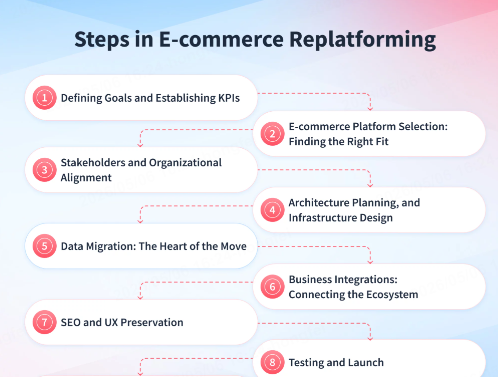
Replatforming is a major transition. To mitigate risk, follow this structured approach:
- Audit Your Data: Clean your product catalog, customer data, and historical orders before migrating. Bad data on a new platform is still bad data intexsoft.
- Define Your MVP: Identify the “must-have” features that drive 80% of your revenue. Do not attempt to replicate every legacy customization perfectly; some processes are only there because of old limitations.
- Prioritize API-First Vendors: Ensure your chosen Oracle ATG alternative supports modern REST APIs to allow for future-proof integrations .
- Test for B2B Specifics: If you are in B2B, ensure the platform handles complex pricing, punchout catalogs, and multi-tier organizational structures natively ontapgroup.
Conclusion
Staying with a legacy system that no longer evolves is a hidden tax on your growth. The transition away from Oracle ATG is inevitable for any enterprise aiming to remain competitive in 2026. By focusing on modular, API-driven architectures—and integrating innovative sourcing platforms like LooperBuy to optimize your supply chain—you can transform this migration from a technical burden into a catalyst for significant business growth. The time to plan your modern commerce future is now.
References
[1] Oracle ATG & Commerce Cloud: Migration Alternatives in 2026, Virto Commerce Blog
[4] The B2B Ecommerce Trends Reshaping 2026, Reveation Labs
[6] Why 2026 Is the Right Time to Migrate Your eCommerce System, Sandcastle Web
[7] B2B Ecommerce in 2026, BigCommerce
[12] B2B eCommerce for Manufacturers: Strategic Guide 2026, On Tap
[13] Top 6 Enterprise eCommerce Platforms for 2026, Webandcrafts
[18] E-commerce Replatforming: Plan Your Migration 2026, NIX United
[20] Ecommerce Migration Strategy: A Step-by-Step Guide, IntexSoft
Frequently Asked Questions (FAQ)
1. Is it urgent to switch from Oracle Commerce Cloud?
Yes. As the industry moves toward API-first, composable architectures, staying on a legacy monolith becomes a major constraint on your ability to innovate, scale, and integrate with modern AI tools swell.
2. What is the biggest advantage of modern headless platforms?
They decouple the front-end (customer experience) from the back-end (commerce logic), allowing you to update your store design or add new channels without disturbing core operations nix-united.
3. Does replatforming mean I lose my SEO ranking?
Not necessarily. With a proper migration strategy—including 301 redirects, careful URL structure planning, and content migration—you can preserve and even improve your search visibility journeyh.
4. Can I integrate global sourcing into my new commerce platform?
Yes. Using modern APIs, you can connect your storefront to B2B sourcing platforms (like LooperBuy) to automate procurement, product updates, and logistics directly into your site, significantly increasing your operational efficiency.
5. Which alternative is best for B2B?
Platforms that offer native support for complex pricing, account hierarchies, and multi-user purchasing workflows, such as Virto Commerce or specialized BigCommerce setups, are generally preferred for large-scale B2B operations ditindia.
Article Summary:
This expert guide navigates the transition from legacy Oracle ATG/OCC platforms to modern, agile commerce alternatives in 2026. It analyzes the sunsetting of Oracle’s commerce solutions and provides a strategic roadmap for enterprises to evaluate, select, and migrate to future-proof platforms. With a focus on API-first architectures and the integration of global B2B sourcing, the article helps businesses modernize their technology stack to drive growth and efficiency.
Hot tags: B2B ecommerce platform, Oracle ATG alternative, headless commerce solutions, composable commerce strategy, B2B digital transformation, enterprise ecommerce migration, B2B supply chain optimization, API-first commerce, B2B procurement software, global sourcing platform.