Introduction
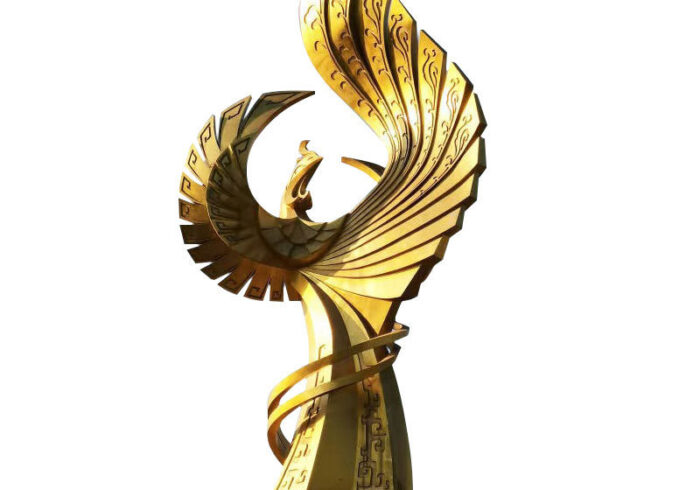
Metal sculpture is a captivating art form that combines creativity with technical skill. From ancient civilizations to modern installations, metal sculptures have played a significant role in cultural expression and artistic innovation. This guide explores the essence of metal sculpture, the materials used, key techniques, and how to care for these stunning artworks.
Table of Contents
The Essence of Metal Sculpture
What is Metal Sculpture?
Metal sculpture involves shaping, forming, welding, casting, or assembling metal materials to create expressive works of art. This versatile medium allows artists to craft everything from delicate decorative pieces to monumental outdoor installations.
Historical Significance
Metal sculpture has a rich history dating back to ancient Egypt and Greece, where metals like bronze and gold were used for religious and ceremonial objects. Over time, artists like Donatello, Michelangelo, Alexander Calder, and Louise Nevelson have pushed the boundaries of this art form, experimenting with abstract forms and unconventional materials.
Materials Used in Metal Sculpture
Common Metals
- Bronze: Known for its durability and timeless appeal, bronze is ideal for detailed casting and outdoor installations.
- Stainless Steel: Offers exceptional durability, corrosion resistance, and a modern appearance, making it perfect for contemporary designs.
- Aluminum: Lightweight, corrosion-resistant, and cost-effective, aluminum is ideal for large-scale works.
- Copper: Malleable and distinctive for its green patina, copper adds unique visual qualities to sculptures.
Choosing the Right Metal
Consider the environment where the sculpture will be displayed. For outdoor pieces, durability against weather conditions is crucial. The desired finish and texture also play a significant role in selecting the appropriate metal.
Key Techniques in Metal Sculpture
Casting
Casting involves pouring molten metal into a mold. The lost-wax casting technique is one of the most traditional methods, used for creating detailed bronze sculptures.
Welding
Welding is a common technique used to join metal pieces. It requires precision and skill to ensure the structural integrity of the sculpture.
Forging
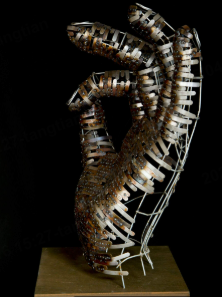
Forging involves shaping metal through heating and hammering. This technique is often used for creating intricate patterns and textures in iron sculptures.
Assembling
Assembling involves combining pre-cut metal pieces to form a sculpture. This method is popular for creating large-scale installations.
Applications and Settings
Public Spaces
Metal sculptures are often displayed in parks, city centers, and corporate campuses. Examples include the Angel of the North and The Kelpies, which combine engineering and artistic vision.
Private Collections
Ideal for indoor display or garden art, metal sculptures add aesthetic value to private spaces. Their durability makes them suitable for both indoor and outdoor settings.
Architectural Elements
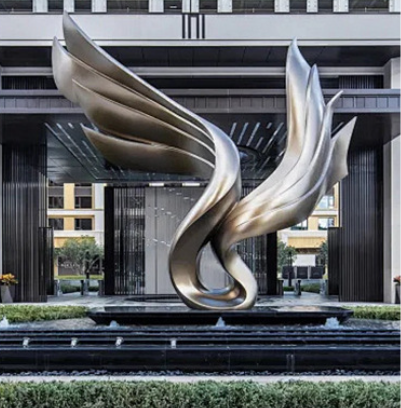
Metal sculptures can serve as functional art in building facades, entry features, and interior focal points, enhancing architectural designs.
Memorial and Commemorative
Metal sculptures are commonly used in historical monuments, memory gardens, and cultural landmarks to honor significant events or figures.
Caring for Your Metal Sculpture
Regular Cleaning
Dust and environmental pollutants can dull the appearance of metal sculptures. Use a soft cloth and mild detergent for regular cleaning, avoiding abrasive materials that could scratch the surface.
Rust Prevention
Apply a protective coating like wax or sealant to shield the metal from moisture. For metals prone to oxidation, such as copper, regular maintenance is crucial to prevent discoloration.
Proper Display
Consider lighting and placement to enhance the sculpture’s visual appeal. Natural light can highlight textures, while artificial light can create dramatic shadows.
Frequently Asked Questions
Q: Are metal sculptures durable?
A: Yes, metals like bronze and stainless steel are highly durable and resistant to weather conditions, making them ideal for long-term display.
Q: What metals are best for outdoor sculptures?
A: Bronze and stainless steel are excellent choices for outdoor sculptures due to their corrosion resistance and longevity.
Q: How long does it take to create a metal sculpture?
A: The time required depends on the complexity and size of the sculpture. Simple pieces may take days, while large installations can take months.
Q: Can I customize a metal sculpture?
A: Yes, many artists and studios offer customization options, allowing you to create unique designs tailored to your vision.
Q: Where can I find inspiration for metal sculptures?
A: Inspiration can come from nature, architecture, and everyday objects. Visiting art galleries and studying the work of renowned sculptors can also spark creativity.
Conclusion
Metal sculpture is a dynamic art form that combines technical skill with creative vision. Whether you’re commissioning a custom piece or appreciating public installations, understanding the materials, techniques, and care involved enhances your appreciation of this timeless medium. From historical masterpieces to modern innovations, metal sculptures continue to captivate and inspire.
How to Purchase:https://looperbuy.com/search?keywords=metal+sculpture