Table of Contents
Introduction: Rethinking Walls as Canvas for Metal Art
In a world where walls are often treated as blank slates for paint or prints, metal sculpture wall hangings offer a bold, industrial alternative. These three-dimensional artworks—crafted from steel, bronze, or aluminum—transform flat surfaces into dynamic, tactile focal points. Whether hanging in a modern loft, a rustic cabin, or a contemporary gallery, metal wall sculptures bridge the gap between fine art and functional decor. This article explores their history, craftsmanship, design versatility, and why they’ve become a staple in modern interior design.
The Evolution of Metal Sculpture Wall Hangings
From Industrial Tools to Artistic Statements
Metal sculpture wall hangings trace their roots to the early 20th century, when industrialization introduced new materials and techniques. Blacksmiths and metalworkers, once focused on tools and machinery, began repurposing scrap metal into decorative pieces. By the mid-1900s, artists like Alexander Calder and Richard Serra popularized large-scale metal sculptures, paving the way for smaller, wall-mounted works. Today, these pieces are celebrated for their raw materiality and ability to add depth to minimalist or maximalist spaces alike.
The Rise of Handcrafted Metal Art
While mass-produced decor often prioritizes uniformity, metal sculpture wall hangings thrive on uniqueness. Many contemporary artists use hand tools—like welding torches, grinders, and files—to shape metal into one-of-a-kind pieces. This hands-on approach ensures each sculpture carries subtle imperfections that give it character, making it more than just a decoration but a story in metal.
Crafting Metal Sculpture Wall Hangings: Process and Materials
Materials: Strength Meets Aesthetics
The choice of metal defines a sculpture’s look and durability:
- Stainless steel: Sleek, corrosion-resistant, and modern—ideal for minimalist spaces.
- Bronze: Warm, patina-rich, and timeless—perfect for adding warmth to neutral rooms.
- Aluminum: Lightweight, affordable, and versatile—great for large or complex designs.
- Copper: Soft, malleable, and develops a striking green patina over time—excellent for artistic, statement pieces.
Techniques: Blending Tradition and Innovation
Creating a metal wall sculpture involves several steps:
- Design: Artists sketch concepts, often inspired by nature, architecture, or abstract forms.
- Cutting: Laser cutters or plasma torches shape raw metal sheets into precise forms.
- Shaping: Hammers, rollers, and welding tools add dimension—curves, angles, or textured surfaces.
- Finishing: Techniques like sandblasting, polishing, or patina application enhance color and texture.
- Mounting: A sturdy frame or wire system ensures the sculpture hangs securely, often with hidden hardware to maintain clean lines.
Design Styles: From Minimalist to Dramatic
Abstract Geometrics
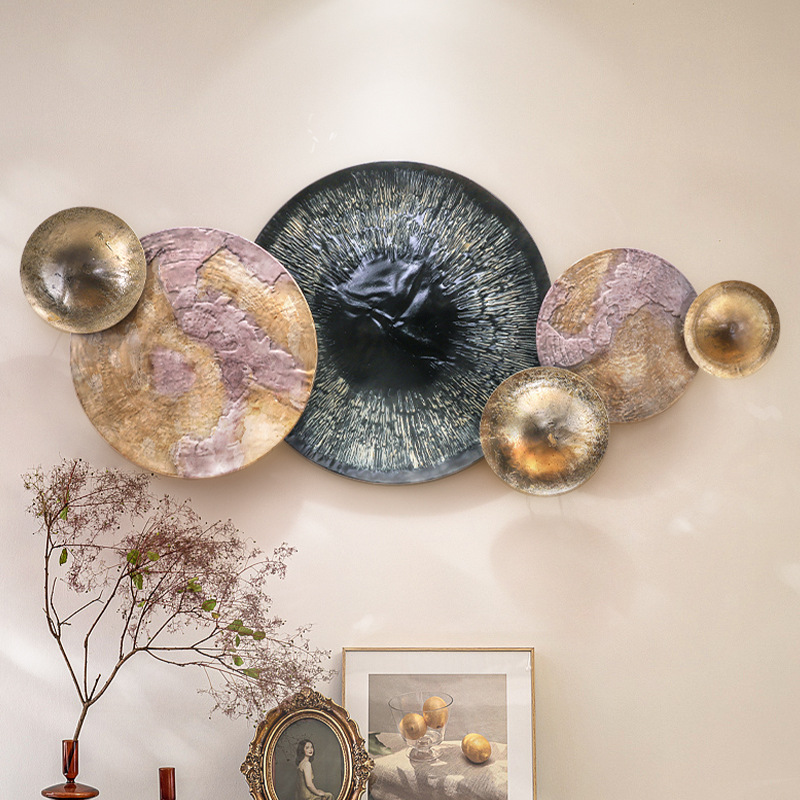
Abstract metal wall hangings use sharp lines, asymmetrical shapes, and negative space to create visual interest. A series of overlapping circles or intersecting rectangles can add energy to a blank wall, while a single, flowing curve might soften a modern space.
Figurative and Nature-Inspired
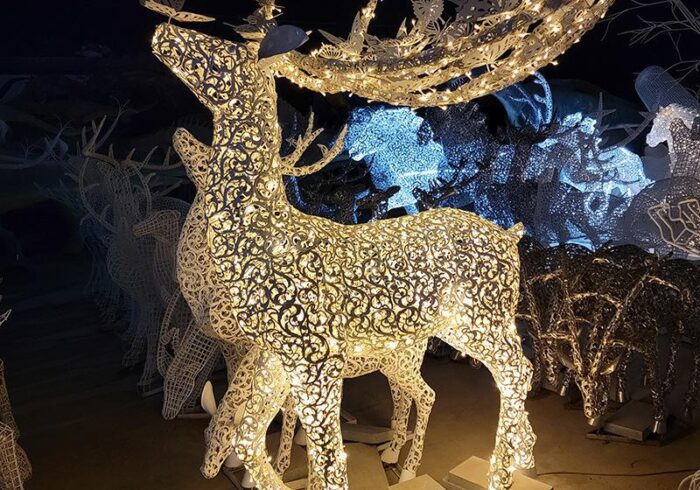
Sculptures of animals, plants, or human forms bring life to walls. A bronze deer mid-stride or a steel fern with delicate, laser-cut fronds can make a room feel more organic and connected to the natural world.
Industrial Chic
For lovers of raw, unfinished beauty, oxidized steel or rusted metal sculptures lean into industrial aesthetics. These pieces work well in lofts, garages, or spaces with a “workshop” vibe, pairing seamlessly with exposed brick or concrete.
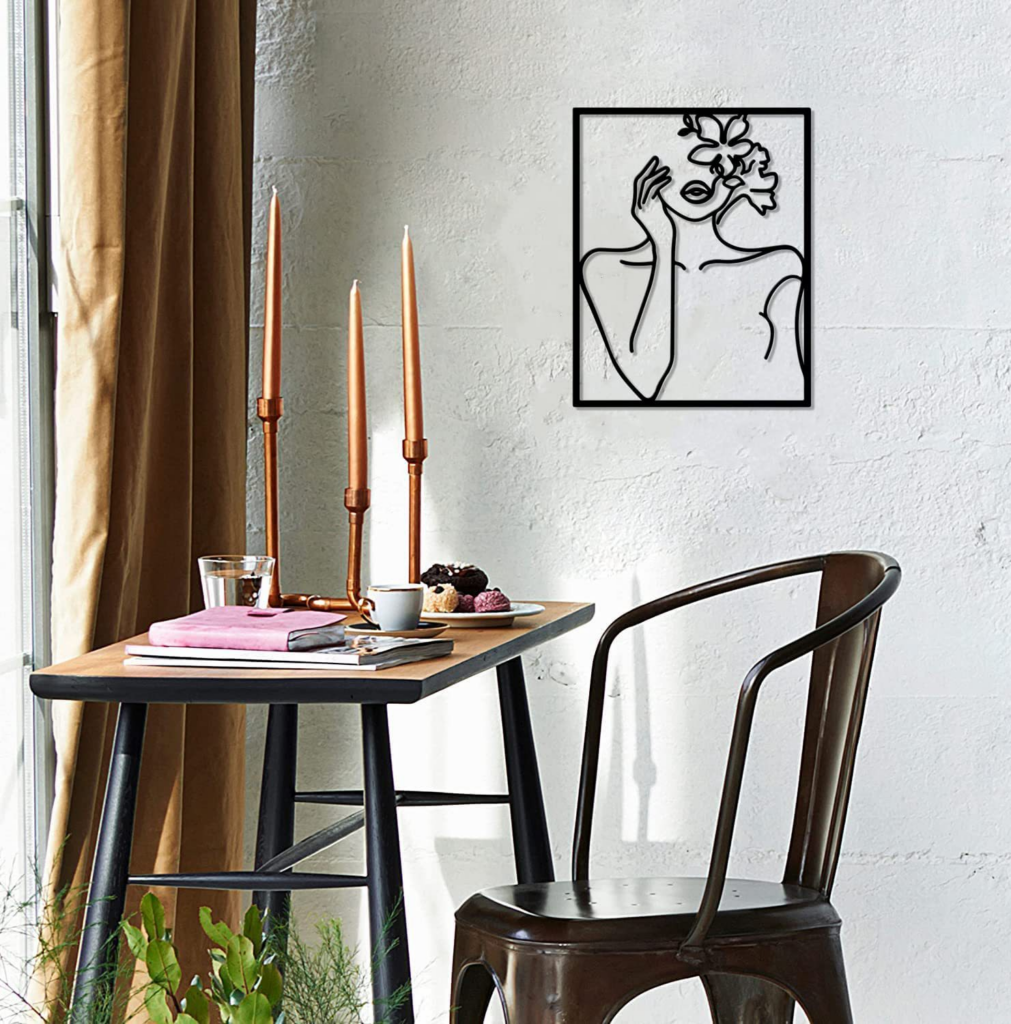
Minimalist Line Art
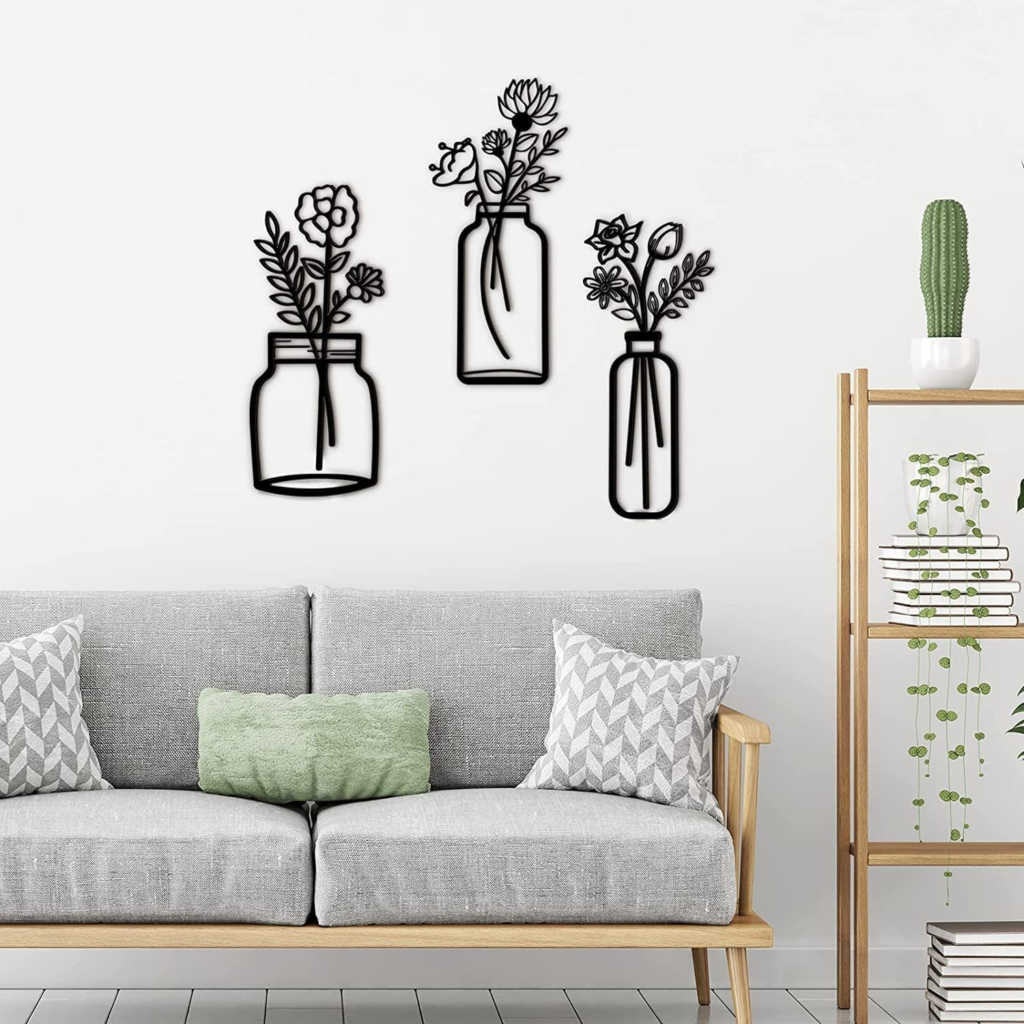
Thin, wire-like metal sculptures (think: delicate spirals or intersecting lines) are perfect for small spaces. They add subtle texture without overwhelming the room, making them ideal for entryways or hallways.
Where to Hang Metal Sculpture Wall Hangings
Residential Spaces
- Living rooms: A large, statement sculpture can anchor a seating area, while smaller pieces add layers to a gallery wall.
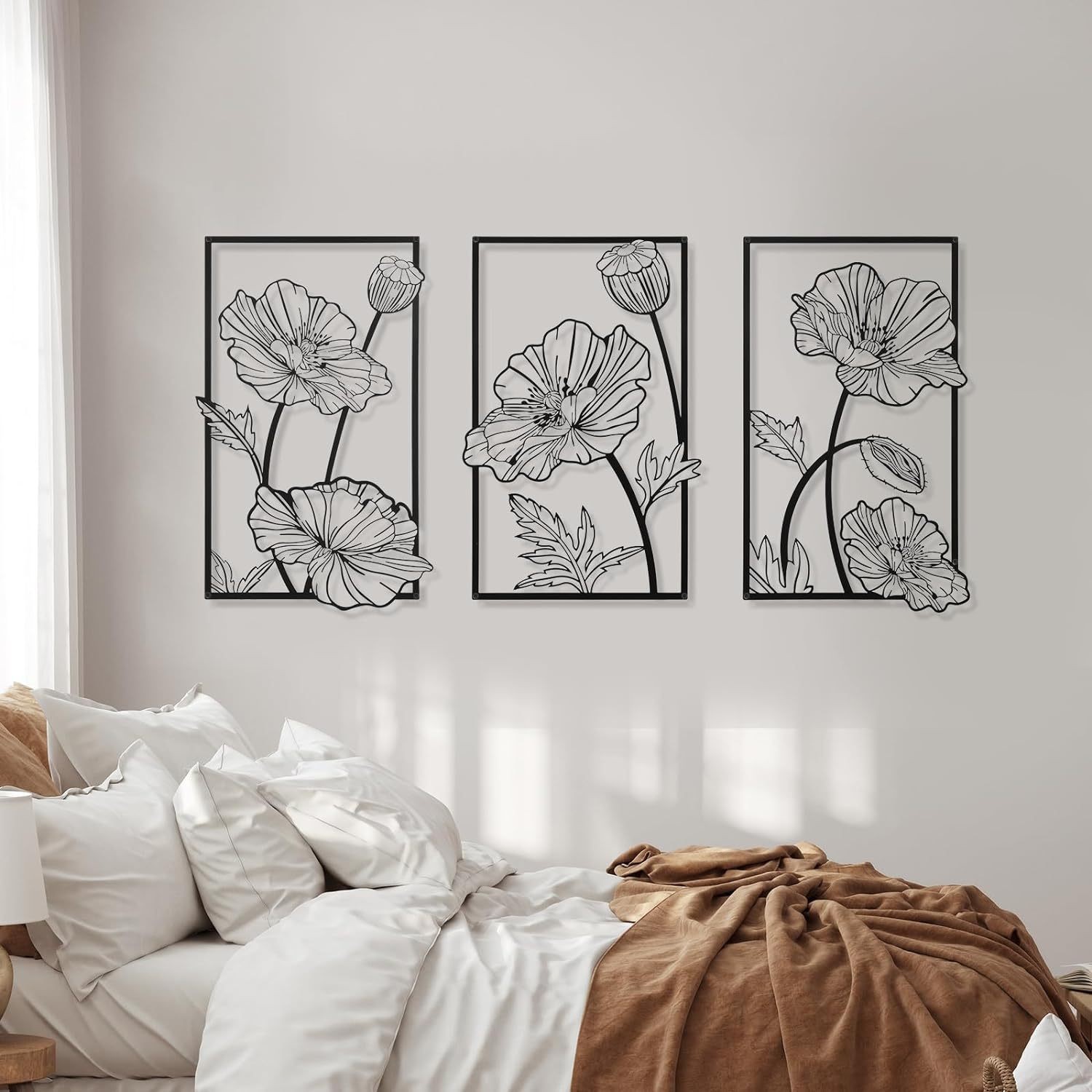
- Bedrooms: Soft, rounded forms (like a bronze moon or a steel flower) create a calming atmosphere.
- Kitchens: Industrial steel or copper sculptures complement stainless steel appliances, adding a cohesive, modern touch.
Commercial Spaces
- Cafés and restaurants: Artistic metal wall hangings can reflect a venue’s theme—rustic, industrial, or avant-garde.
- Galleries and offices: Large-scale sculptures become focal points, enhancing a space’s cultural or professional vibe.
Public Art Installations
Municipalities and businesses increasingly use metal wall sculptures to beautify public areas. A colorful aluminum mural or a geometric steel installation can turn a drab alleyway into a community landmark.
Choosing the Right Metal Sculpture for Your Space
Consider Scale and Proportion
A sculpture too large for a wall can overwhelm; one too small may go unnoticed. Measure your wall and consider the room’s other elements (furniture, artwork) to find a balanced size.
Match the Style to Your Aesthetic
A sleek stainless steel piece suits minimalist homes, while a patinated bronze sculpture adds warmth to rustic or bohemian spaces. Think about the room’s color palette—metallics pair well with neutrals but can also pop against bold wall colors.
Prioritize Durability
For high-traffic areas (entryways, living rooms), opt for sturdy metals like stainless steel or aluminum. For decorative spaces (bedrooms, offices), more delicate materials like copper or bronze are ideal.
Think About Installation
Ensure your wall can support the sculpture’s weight. Many artists offer custom mounting hardware, or you can use heavy-duty picture hooks for lighter pieces.
Conclusion: Metal Sculpture Wall Hangings—More Than Just Decor
Metal sculpture wall hangings are far from ordinary decor—they’re conversation starters, art investments, and expressions of personal style. Whether crafted by hand or designed with modern technology, these pieces bridge the gap between function and beauty, turning walls into dynamic, living canvases. As the demand for unique, tactile art grows, metal wall sculptures are poised to remain a cornerstone of interior design for years to come.
How to purchase: http://looperbuy.com/search?keywords=metal+sculpture+wall+hangings&globalType=1688
Frequently Asked Questions (FAQs)
- How do I clean a metal sculpture wall hanging? Use a soft, dry cloth to wipe away dust. For stubborn grime, lightly dampen the cloth with mild soap and water, then dry immediately. Avoid harsh chemicals, as they can damage patinas or finishes.
- Can I hang a metal sculpture in a humid room, like a bathroom? Stainless steel and aluminum are rust-resistant, making them suitable for humid environments. Bronze and copper may develop a green patina over time, which is natural but may require occasional polishing to maintain their shine.
- Are metal sculptures heavy? Will they damage my wall? Most metal wall sculptures are lightweight (especially aluminum or thin steel), but larger pieces may be heavier. Use sturdy wall anchors or consult a professional for installation to avoid damage.
- How much do metal sculpture wall hangings cost? Prices vary widely based on size, material, and artist. Small, handcrafted pieces start at 200-500, while large, custom designs can cost $2,000 or more.
- Can I mix metal sculptures with other wall art, like paintings or prints? Absolutely. Metal sculptures add texture and depth that complement 2D art. Try grouping a large metal piece with smaller paintings or prints for a layered, dynamic look.
Hot Tags: Metal sculpture wall hangings; Industrial art decor; Handcrafted metal art; Interior design metal accents; Wall sculpture ideas