The world of fashion is ever-evolving, and men’s Muslim clothing is no exception. As society progresses, so too does the way we express our cultural and religious identities through clothing. Innovations in men’s Muslim clothes are increasingly blending traditional styles with contemporary design elements, creating a unique fusion that appeals to modern sensibilities while respecting cultural heritage. This article explores the latest trends, materials, and designs in men’s Muslim clothing, highlighting how tradition and modernity can coexist beautifully.
Table of Contents
The Evolution of Men’s Muslim Clothing
Historical Context
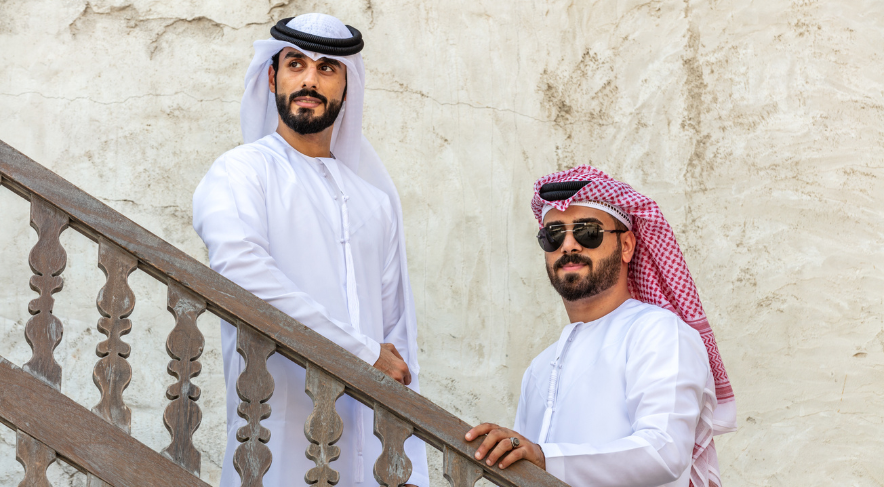
Men’s Muslim clothing has a rich history, deeply rooted in cultural and religious significance. Traditional garments such as the thobe, dishdasha, and kurta have been worn for centuries, each with its own regional variations and styles. These garments are not only practical but also serve as symbols of identity and faith. The thobe, for instance, is often associated with the Gulf region, while the kurta has its roots in South Asia. Each piece tells a story of its origin, reflecting the values and traditions of the communities that wear them. As globalization increases, these garments have transcended their geographical boundaries, becoming symbols of a shared cultural heritage among Muslim men worldwide.
Modern Influences
In recent years, the fashion industry has seen a shift towards more inclusive and diverse representations of style. Designers are now incorporating modern aesthetics into traditional garments, making them more appealing to younger generations. This evolution is characterized by the use of innovative fabrics, contemporary cuts, and vibrant colors, which breathe new life into classic designs. The influence of streetwear and casual fashion has also played a significant role in this transformation, encouraging designers to experiment with styles that resonate with a global audience. As a result, men’s Muslim clothing is no longer confined to formal settings; it has become a versatile option for everyday wear.
Key Innovations in Men’s Muslim Clothing
1. Contemporary Cuts and Tailoring
One of the most significant changes in men’s Muslim clothing is the introduction of contemporary cuts and tailored fits. Traditional thobes and dishdashas are being reimagined with slimmer silhouettes and modern tailoring techniques. This shift not only enhances comfort but also allows for greater mobility, making these garments suitable for various occasions, from formal events to casual outings. Tailoring has become an art form, with designers focusing on precision and fit to create garments that flatter the body while maintaining the essence of traditional styles. The result is a collection of clothing that is both stylish and functional, appealing to the modern man who values both aesthetics and practicality.
2. Use of Innovative Fabrics
The choice of fabric plays a crucial role in the overall look and feel of men’s Muslim clothing. Designers are now experimenting with lightweight, breathable materials that offer comfort without compromising style. Fabrics such as cotton blends, linen, and moisture-wicking textiles are becoming increasingly popular, especially in warmer climates. These materials not only provide comfort but also allow for intricate designs and patterns. The use of technology in fabric production has led to the development of textiles that are not only stylish but also functional, offering features such as UV protection and water resistance. This innovation ensures that men’s Muslim clothing can be worn in various environments, from outdoor events to formal gatherings.
3. Vibrant Colors and Patterns
Gone are the days when men’s Muslim clothing was limited to neutral tones. Contemporary designs now embrace a wide range of colors and patterns, reflecting personal style and cultural diversity. From bold prints to subtle pastels, the options are endless. This shift towards vibrant colors allows men to express their individuality while adhering to traditional dress codes. Designers are also incorporating traditional motifs and patterns into modern designs, creating a beautiful blend of old and new. This approach not only honors cultural heritage but also makes men’s Muslim clothing more relatable to a younger audience, who are eager to showcase their unique identities through fashion.
4. Fusion of Styles
Many designers are now blending elements from different cultures to create unique pieces that resonate with a global audience. For instance, incorporating Western fashion elements into traditional Islamic attire has led to the emergence of hybrid styles. This fusion not only broadens the appeal of men’s Muslim clothing but also fosters a sense of inclusivity and cultural exchange. By merging different styles, designers are creating garments that tell a story of diversity and unity, allowing wearers to connect with various cultural influences. This trend is particularly popular among younger generations, who are more inclined to embrace a globalized fashion sense while remaining rooted in their cultural identities.
5. Functional and Versatile Designs
Modern men’s Muslim clothing is designed with functionality in mind. Many garments now feature practical elements such as pockets, adjustable cuffs, and breathable linings. This focus on versatility ensures that these clothes can be worn in various settings, from work to social gatherings, without sacrificing style or comfort. The incorporation of functional design elements reflects a growing awareness of the needs of the modern man, who seeks clothing that can adapt to different occasions. This trend is particularly important in urban environments, where men require clothing that is both stylish and practical for their fast-paced lifestyles.
The Role of Technology in Fashion
1. Digital Design and Customization
Advancements in technology have revolutionized the fashion industry, allowing for greater creativity and customization. Designers can now use digital tools to create intricate patterns and designs that were previously difficult to achieve. Additionally, online platforms enable customers to personalize their garments, choosing colors, fabrics, and styles that suit their preferences. This level of customization empowers consumers, allowing them to express their individuality through their clothing choices. Furthermore, the rise of e-commerce has made it easier for men to access a wider range of styles and designs, breaking down geographical barriers and promoting a more inclusive fashion landscape.
2. Sustainable Practices
As awareness of environmental issues grows, many fashion brands are adopting sustainable practices in their production processes. This includes using eco-friendly materials, reducing waste, and ensuring fair labor practices. Men’s Muslim clothing brands are increasingly focusing on sustainability, appealing to conscious consumers who value ethical fashion. This shift towards sustainability is not only beneficial for the environment but also resonates with a growing demographic of consumers who prioritize ethical considerations in their purchasing decisions. By choosing sustainable options, men can make a positive impact on the fashion industry while still enjoying stylish and innovative clothing.
Cultural Significance of Men’s Muslim Clothing
1. Identity and Expression
For many men, clothing is a powerful form of self-expression. Men’s Muslim clothing serves as a means to showcase cultural identity and religious beliefs. The innovations in design allow individuals to embrace their heritage while adapting to contemporary fashion trends. This duality is essential in a globalized world, where cultural exchange is prevalent. By wearing modern interpretations of traditional garments, men can celebrate their identity while also engaging with broader fashion movements. This balance between tradition and modernity fosters a sense of pride and belonging within the community.
2. Bridging Generational Gaps
The evolution of men’s Muslim clothing also plays a crucial role in bridging generational gaps. Younger generations are more inclined to embrace modern styles, while older generations may prefer traditional designs. By combining both elements, designers can create garments that appeal to a broader audience, fostering a sense of unity within the community. This bridging of styles encourages dialogue between generations, allowing for the sharing of values and traditions while also embracing change. As a result, men’s Muslim clothing becomes a medium for intergenerational connection, promoting understanding and respect for diverse perspectives.
Conclusion
The innovations in men’s Muslim clothing represent a beautiful blend of tradition and contemporary design. As fashion continues to evolve, it is essential to honor cultural heritage while embracing modernity. The future of men’s Muslim clothing looks promising, with designers pushing boundaries and creating garments that resonate with a diverse audience. By combining traditional elements with innovative designs, men’s Muslim clothing can continue to thrive in the ever-changing landscape of fashion. This evolution not only enriches the fashion industry but also strengthens cultural identities, allowing men to express themselves confidently and stylishly.
How to purchase:https://looperbuy.com/search?keywords=mens+muslim
Frequently Asked Questions
1. What are the most popular styles of men’s Muslim clothing today?
Popular styles include thobes, dishdashas, and kurtas, often featuring modern cuts and vibrant colors. These garments are designed to cater to various occasions, from formal events to casual outings, making them versatile choices for modern men.
2. How can I choose the right fabric for men’s Muslim clothing?
Look for lightweight, breathable fabrics like cotton or linen, especially for warmer climates. Consider the occasion and personal comfort as well. Fabrics that offer moisture-wicking properties are also ideal for active lifestyles, ensuring comfort throughout the day.
3. Are there any specific trends in men’s Muslim clothing for 2025?
Trends include tailored fits, vibrant colors, and the fusion of traditional and contemporary styles, with a focus on sustainability. Designers are increasingly incorporating eco-friendly materials and practices, appealing to environmentally conscious consumers.
4. How can I incorporate modern elements into traditional Muslim attire?
Consider adding contemporary accessories, experimenting with color combinations, or choosing garments with modern cuts while maintaining traditional fabrics. This approach allows for a unique personal style that respects cultural heritage while embracing modern fashion trends.
5. Where can I find stylish men’s Muslim clothing?
Many online retailers and local boutiques offer a range of stylish options. Look for brands that focus on innovative designs and sustainable practices. Social media platforms and fashion blogs can also provide inspiration and recommendations for finding the latest trends in men’s Muslim clothing.