Mediterranean kitchenware embodies a rich cultural heritage and a unique aesthetic that enhances both cooking and dining experiences. This article explores the various aspects of Mediterranean kitchenware, including its design, materials, and the culinary traditions it represents. By the end, you will understand why incorporating Mediterranean kitchenware into your home is not just a choice but a celebration of a vibrant lifestyle.
Table of Contents
The Allure of Mediterranean Kitchenware
Mediterranean kitchenware is characterized by its vibrant colors, intricate designs, and functional beauty. This style draws inspiration from the diverse cultures surrounding the Mediterranean Sea, including Italian, Spanish, Greek, and Moroccan influences. The kitchenware often features natural materials such as clay, wood, and stone, which not only add to its aesthetic appeal but also enhance its functionality. The allure of Mediterranean kitchenware lies in its ability to transform everyday cooking into an art form, inviting creativity and joy into the kitchen.
Aesthetic Appeal
The visual charm of Mediterranean kitchenware is undeniable. Bright colors, such as deep blues, sunny yellows, and earthy terracotta, reflect the landscapes and seascapes of the Mediterranean region. Hand-painted ceramics, often adorned with floral or geometric patterns, bring a touch of artistry to the kitchen. This vibrant aesthetic can transform a simple meal into a festive occasion, making it perfect for both everyday use and special gatherings. The beauty of these pieces encourages a sense of pride in cooking and serving, as they are not just tools but also expressions of culture and tradition.
Functional Design
Beyond beauty, Mediterranean kitchenware is designed for practicality. Many pieces are crafted to withstand high temperatures, making them ideal for baking and cooking. For instance, traditional clay pots and cazuelas are perfect for slow-cooking stews and casseroles, allowing flavors to meld beautifully. The ergonomic designs of utensils and cookware ensure comfort and ease of use, making cooking a more enjoyable experience. This functional design is rooted in centuries of culinary practice, where each piece has been refined to meet the needs of home cooks and professional chefs alike.
Key Materials in Mediterranean Kitchenware
The materials used in Mediterranean kitchenware play a crucial role in its appeal and functionality. Each material brings its unique properties, contributing to the overall cooking experience. Understanding these materials can help you appreciate the craftsmanship and thought that goes into each piece.
Olive Wood
Olive wood is a staple in Mediterranean kitchenware, prized for its durability and beautiful grain patterns. Items such as cutting boards, serving platters, and utensils made from olive wood are not only functional but also add a rustic charm to the kitchen. The natural oils in olive wood help to resist moisture and bacteria, making it a hygienic choice for food preparation. Additionally, olive wood is often sourced from sustainably managed forests, aligning with eco-friendly practices that are increasingly important in today’s culinary world.
Terracotta
Terracotta is another essential material in Mediterranean cooking. This clay is used to create a variety of cookware, including baking dishes and pots. Terracotta retains heat exceptionally well, making it ideal for slow-cooked dishes. Additionally, its porous nature allows for even cooking, enhancing the flavors of the food. The use of terracotta also connects to ancient cooking traditions, where this material was favored for its ability to impart a unique taste to dishes, particularly in Mediterranean cuisines that emphasize rich, layered flavors.
Ceramics
Ceramic dishes are often hand-painted and can be found in various shapes and sizes. They are perfect for serving and can double as decorative pieces in the kitchen. The vibrant colors and intricate designs of ceramic kitchenware can brighten up any dining table, making meals more inviting. Moreover, ceramics are versatile; they can be used in the oven, microwave, and dishwasher, making them practical for modern cooking while still honoring traditional craftsmanship.
Popular Types of Mediterranean Kitchenware
There are several types of kitchenware that are quintessentially Mediterranean, each serving a specific purpose in the culinary arts. Understanding these types can help you choose the right pieces for your kitchen.
Cazuelas
Cazuelas are traditional Spanish cooking pots made from clay. They are perfect for preparing a variety of dishes, from paella to stews. The thick walls of cazuelas help to retain heat, ensuring that food cooks evenly. They can be used on the stovetop or in the oven, making them versatile for different cooking methods. The use of cazuelas not only enhances the cooking process but also adds a cultural element to the meal, as they are often used to serve directly at the table, encouraging communal dining.
Tagines
Originating from North Africa, tagines are conical-shaped pots used for slow-cooking. The unique shape allows steam to circulate, keeping the food moist and flavorful. Tagines are often used to prepare Moroccan dishes, such as lamb tagine with apricots, and are a staple in Mediterranean kitchens. The cooking method employed in tagines allows for the melding of spices and ingredients, creating complex flavors that are characteristic of Mediterranean cuisine. Using a tagine can also be a beautiful way to present food, as the pot itself is often intricately designed.
Paella Pans
Paella pans are wide, shallow dishes traditionally used to make the famous Spanish rice dish. These pans are designed to distribute heat evenly, allowing the rice to cook perfectly while developing a crispy bottom layer known as socarrat. A good paella pan is essential for anyone looking to master this iconic dish. The communal aspect of paella, often cooked and served directly from the pan, embodies the Mediterranean spirit of sharing and enjoying food together, making it a centerpiece for gatherings.
Incorporating Mediterranean Kitchenware into Your Home
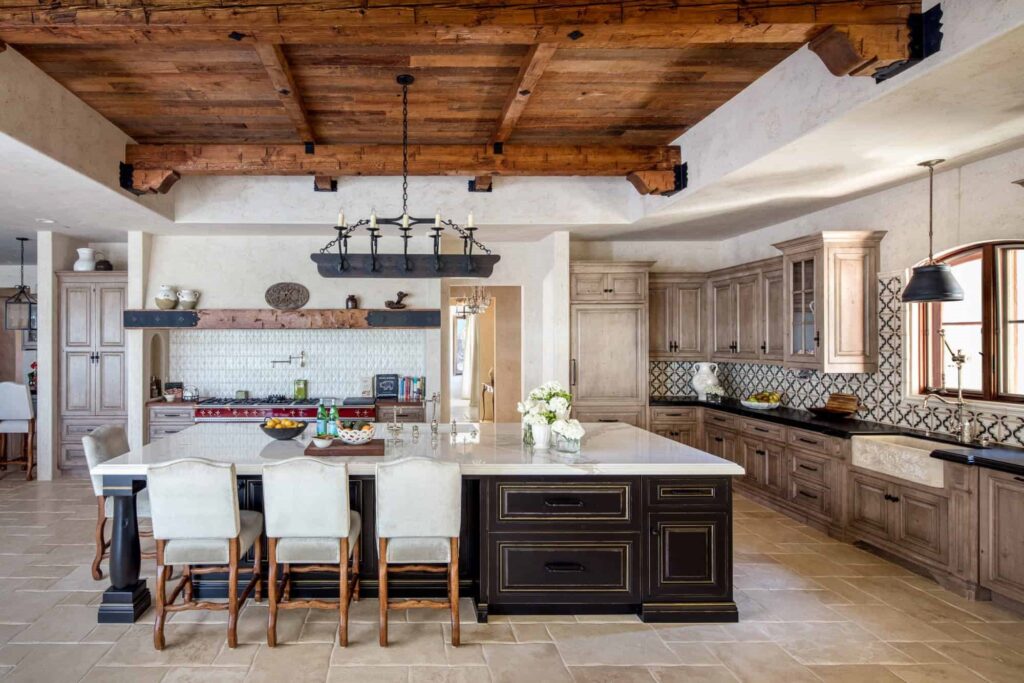
Integrating Mediterranean kitchenware into your home can enhance your cooking experience and add a touch of elegance to your kitchen. Here are some tips on how to do this effectively.
Choose a Color Palette
When selecting Mediterranean kitchenware, consider a color palette that reflects the vibrant hues of the Mediterranean region. Opt for pieces in shades of blue, yellow, and terracotta to create a cohesive look. Mixing and matching different styles can also add character to your kitchen. This thoughtful approach to color can create a warm and inviting atmosphere, making your kitchen a place where family and friends want to gather.
Display Your Kitchenware
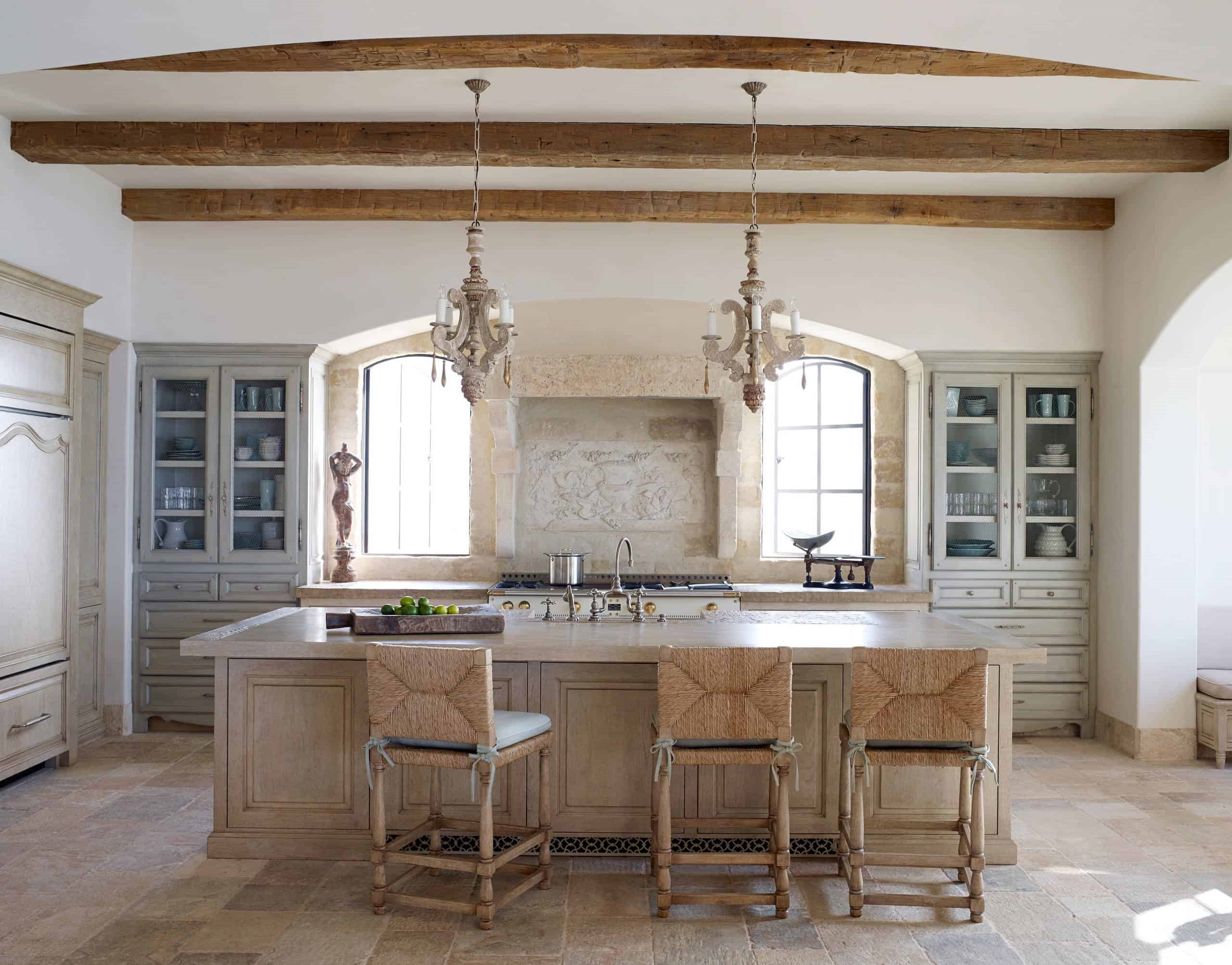
Mediterranean kitchenware is often as beautiful as it is functional. Consider displaying your collection on open shelves or in glass cabinets. This not only showcases your kitchenware but also makes it easily accessible for cooking and serving. By treating your kitchenware as decorative elements, you can create a visually appealing space that reflects your personal style and appreciation for Mediterranean culture.
Use for Entertaining
Mediterranean kitchenware is perfect for entertaining. Use colorful serving platters and bowls to present your dishes beautifully. The vibrant designs will impress your guests and create a festive atmosphere, making your gatherings memorable. Serving food in beautiful dishes not only enhances the dining experience but also encourages conversation and connection among guests, embodying the Mediterranean tradition of communal dining.
The Culinary Traditions Behind Mediterranean Kitchenware
The use of Mediterranean kitchenware is deeply rooted in the culinary traditions of the region. Each piece tells a story of the culture and history that shaped it. Understanding these traditions can deepen your appreciation for the kitchenware you choose to use.
Emphasis on Fresh Ingredients
Mediterranean cuisine is known for its emphasis on fresh, high-quality ingredients. The kitchenware used in this cooking style is designed to enhance the natural flavors of these ingredients. For example, using a mortar and pestle to grind fresh herbs and spices allows for a more intense flavor compared to pre-ground alternatives. This focus on freshness not only promotes healthier eating but also encourages a connection to the food, as cooks often source ingredients from local markets or their own gardens.
Community and Sharing
Food in the Mediterranean region is often about community and sharing. The use of large serving dishes and communal pots encourages people to gather around the table and enjoy meals together. This tradition is reflected in the design of Mediterranean kitchenware, which often features larger sizes and beautiful presentations. The act of sharing food fosters relationships and creates lasting memories, making meals an integral part of social life in Mediterranean cultures.
Seasonal Cooking
Mediterranean cooking is heavily influenced by the seasons. Kitchenware designed for preserving and storing seasonal produce, such as jars and terracotta pots, plays a vital role in this culinary tradition. This approach not only promotes sustainability but also enhances the flavors of the dishes prepared. By cooking with seasonal ingredients, you can enjoy the freshest flavors and support local agriculture, making your culinary practices more environmentally friendly.
Conclusion
Mediterranean kitchenware is more than just functional items; it is a celebration of culture, tradition, and culinary artistry. By incorporating these beautiful and practical pieces into your kitchen, you can enhance your cooking experience and bring a touch of the Mediterranean lifestyle into your home. Whether you are preparing a simple meal or hosting a grand feast, Mediterranean kitchenware will elevate your culinary endeavors, making every meal a special occasion.
How to purchase;https://looperbuy.com/search?keywords=Mediterranean+Kitchenware
Frequently Asked Questions
1. What is Mediterranean kitchenware?
Mediterranean kitchenware refers to cooking and serving items that are inspired by the diverse cultures surrounding the Mediterranean Sea, characterized by vibrant colors, intricate designs, and functional beauty.
2.What materials are commonly used in Mediterranean kitchenware?
Common materials include olive wood, terracotta, and ceramics, each offering unique properties that enhance both aesthetics and functionality.
3.How can I incorporate Mediterranean kitchenware into my home?
You can choose a cohesive color palette, display your kitchenware on open shelves, and use it for entertaining to create a Mediterranean-inspired atmosphere.
4.What are some popular types of Mediterranean kitchenware?
Popular types include cazuelas, tagines, and paella pans, each designed for specific cooking methods and traditional dishes.
5.Why is Mediterranean cuisine focused on fresh ingredients?
Mediterranean cuisine emphasizes fresh, high-quality ingredients, which are often enhanced by the use of traditional kitchenware that allows for the best flavor extraction.