Conclusion: Navigating the complexities of international logistics requires a robust understanding of standard global shipping tracking. By leveraging real-time data, choosing the right monitoring tools, and implementing best practices for transparency, both businesses and individual consumers can significantly enhance their delivery experience, mitigate risks of loss, and ensure that cross-border shipments arrive safely and on schedule.
Table of Contents
The Evolution and Importance of Global Shipment Visibility
In today’s hyper-connected global economy, the ability to monitor the movement of goods across borders has transitioned from a luxury to an absolute necessity. Standard global shipping tracking provides the backbone of modern logistics, offering stakeholders the transparency required to manage complex supply chains effectively.
What is Standard Global Shipping Tracking?
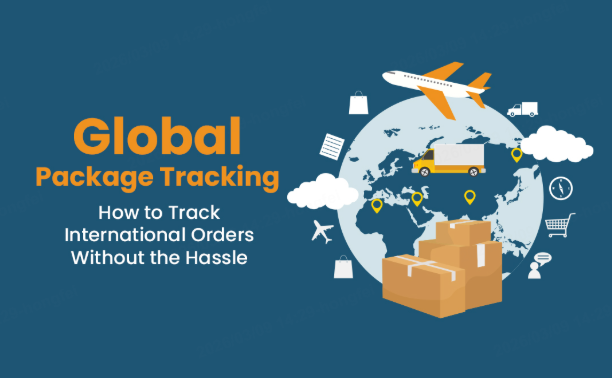
At its core, standard global shipping tracking refers to the digital monitoring systems that record the movement of a parcel or freight from the origin point to its final destination. This process relies on unique tracking numbers assigned at the time of shipment, which allow systems to update the status of a package as it traverses different logistics hubs, transit points, and customs checkpoints. It acts as a bridge between the physical movement of goods and the digital information flow that informs customers of their package’s current location, estimated time of arrival, and any exceptions that may occur during transit.
Why Real-Time Visibility Matters
The primary driver behind the adoption of sophisticated tracking technologies is the expectation of speed and reliability. When businesses offer comprehensive tracking, they build trust with their customers. Real-time updates alleviate the anxiety associated with long-distance shipping, providing peace of mind to both the sender and the recipient. Furthermore, for businesses, this data is invaluable; it allows for better inventory management, proactive problem-solving when delays occur, and a significantly improved post-purchase experience that encourages repeat business and brand loyalty.
Exploring Methods for Monitoring International Shipments
There are various ways to access tracking information, each offering different levels of detail and convenience. Understanding these methods allows users to select the most appropriate strategy for their specific shipping needs.
Carrier-Direct Tracking Portals
Most international shipping companies, such as DHL, FedEx, and UPS, provide robust tracking portals on their websites and via mobile applications. These platforms are generally the most accurate, as they provide primary data directly from the carrier’s internal systems. They often include granular details, such as the specific scan events, customs clearance status, and precise transit hub locations. By using these portals, customers receive the most authoritative data regarding the logistics chain.
Third-Party Tracking Aggregators
For those managing multiple shipments from different carriers, third-party tracking services offer a centralized solution. These aggregators consolidate data from various logistics providers into a single dashboard. This is particularly beneficial for e-commerce business owners who may use different shipping services depending on the destination or package size, allowing them to monitor all global logistics operations from a unified interface without needing to visit multiple websites. These tools often offer advanced analytics, helping managers identify which carriers are performing optimally for specific global routes.
Best Practices to Optimize Your Shipping Operations
Achieving a seamless shipping experience requires more than just tracking; it requires proactive management of the entire logistics journey to ensure efficiency and compliance.
The Role of Accurate Documentation and Labeling
Many shipping delays occur not during transit, but at customs due to inaccurate or missing documentation. Ensuring that all shipping labels are clearly printed, securely attached, and accompanied by correct commercial invoices is critical. Standardized labeling prevents confusion at international hubs and ensures that tracking information remains linked to the correct package throughout its journey. Small errors, such as a missing ZIP code or an ambiguous commodity description, can lead to days of unnecessary holding time.
Proactive Risk Mitigation
Effective tracking allows for early detection of potential problems. By setting up automated alerts, businesses can be notified immediately if a package is held in customs or deviates from its planned route. This proactive approach allows companies to intervene before a minor issue transforms into a permanent loss or a significant delay. Investing in proper, durable packaging also acts as a safeguard against transit-related damage, which is often the cause of tracking anomalies and customer service inquiries. Understanding the nuances of different international shipping lanes allows planners to choose safer, more reliable routes.
Leveraging Technology for Enhanced Supply Chain Transparency
As logistics technology continues to evolve, the integration of advanced tools is reshaping how we view global shipments.
Integrating IoT and Real-Time Data
The modern era of tracking incorporates Internet of Things (IoT) sensors, RFID tags, and GPS tracking to provide more than just location data. These advanced systems can report on environmental conditions like temperature, humidity, and shock—crucial for sensitive items such as pharmaceuticals or electronics. This depth of visibility allows companies to maintain high standards of quality control and accountability throughout the global supply chain. When a shipment deviates from acceptable climate ranges, alerts are sent instantly, allowing for corrective action before the cargo is ruined.
Building a Branded Tracking Experience
For e-commerce retailers, the tracking page is an extension of the customer’s brand journey. Instead of sending customers to a generic carrier website, savvy businesses create branded tracking portals. This allows them to maintain customer engagement through the entire post-purchase process, offering opportunities to upsell related products, provide helpful support resources, or simply deliver a professional, cohesive brand experience that reinforces trust. A well-designed tracking page can reduce customer support volume by answering common “where is my order” questions before the customer even feels the need to reach out.
Overcoming Challenges in Global Transit
Global shipping is fraught with variables—political shifts, weather disruptions, and infrastructure constraints—that can impact even the most well-planned logistics operations.
Dealing with Transit Disruptions and Delays
When a shipment is delayed, communication is paramount. Whether the cause is a weather event, a labor strike at a port, or an unexpected customs bottleneck, customers generally accept delays if they are kept informed. Using automated email or SMS updates provides a transparent account of the delay, which minimizes the psychological impact on the customer. It is essential to have contingency plans in place; for instance, identifying alternative carriers or secondary logistics hubs can sometimes salvage a timeline that has been compromised by unexpected external factors.
The Future of Autonomous Logistics and Predictive Analytics
Looking forward, predictive analytics will play a massive role in global shipping. By analyzing historical shipping data, companies can predict potential delays before they occur and route shipments through more efficient pathways. Furthermore, autonomous vehicles and drones are beginning to tackle the “last-mile” delivery challenge in densely populated global cities. As these technologies mature, standard tracking systems will need to evolve to support even higher granularities of data, including real-time video feeds or automated customs clearance triggers, creating a truly seamless international shipping ecosystem.
Building Resilience into International Logistics Networks
Beyond the tactical act of checking a tracking number, businesses must focus on the strategic resilience of their logistics networks. Global markets are sensitive to geopolitical tensions, which can suddenly render traditional shipping routes obsolete. Smart logistics managers now diversify their carrier portfolios, ensuring that they are not overly reliant on a single service provider or specific trade corridor. This diversification acts as an insurance policy, allowing for the swift reallocation of inventory to more stable routes when disruptions surface. Furthermore, the digitization of customs processes, known as the “Paperless Trade” initiative, is simplifying the way international shipments are cleared. By participating in these modern, digital-first customs programs, businesses can significantly reduce the dwell time of their shipments at ports of entry, thereby improving their overall tracking performance and customer satisfaction metrics. Investing in data analytics to review historical carrier performance also enables firms to hold logistics partners accountable, driving continuous improvement across the entire supply chain ecosystem. In essence, while tracking is the tool that tells us where our goods are, the strategic application of logistics intelligence is what ensures that those goods move as efficiently, safely, and predictably as possible in an increasingly complex and unpredictable global market.
To ensure your global shipments are managed with the same level of precision and reliability that top-tier logistics platforms offer, experience a seamless and transparent shopping journey by visiting https://looperbuy.com/
Abstract
This article provides an in-depth exploration of standard global shipping tracking, explaining its critical role in modern international logistics. We examine the evolution of shipment visibility, the various methods for monitoring cross-border deliveries, and the best practices for businesses to optimize their supply chains. The text covers the integration of advanced technologies like IoT, the importance of accurate documentation for customs compliance, and strategies for creating a superior, branded customer experience. This guide serves as a practical resource for individuals and companies aiming to enhance efficiency and transparency in their global shipping operations.
Hot Tags:
Global Shipping; Shipment Tracking; Logistics Management; Supply Chain Visibility; International Parcel Tracking; E-commerce Shipping; Carrier Tracking; Real-time Monitoring; Customs Clearance; Shipping Best Practices; Logistics Technology; Tracking Integration; Cross-border Delivery; Shipping Efficiency; Digital Logistics; Package Tracking; Freight Forwarding; Shipment Transparency; Order Fulfillment; Automated Shipping Alerts; Tracking Aggregators; IoT In Logistics; Shipping Compliance; Global Trade; Delivery Experience; Supply Chain Optimization; International Transit; Parcel Management; Shipping Solutions; Global Logistics Strategy
Related Questions & Answers
· How often is tracking information updated?
Tracking updates occur whenever a package is scanned at a major transit hub, a local sorting facility, or by the courier during final delivery. While some updates are near real-time, others may take 24-48 hours if a package is in transit between countries or undergoing customs inspection.
· Why is my shipment tracking not showing any updates for several days?
This is common during international transit, especially when a package is on a long-haul flight or waiting to clear customs. International shipments often experience “transit gaps” where no intermediate scans occur until the package reaches the next major sorting center in the destination country.
· What should I do if my tracking status says “Delivered” but I have not received it?
First, check your surroundings and mailbox. Then, check with neighbors or building reception. If you still cannot locate it, contact the shipping carrier immediately to open an investigation and request a proof of delivery or GPS coordinates of the drop-off location.
· Can I change the delivery address after a package has already been shipped?
In many cases, it is possible to redirect a package, but it depends on the carrier’s policies and the shipment’s current status. You should contact the shipping provider as soon as possible to see if a mid-transit redirection is available for your specific tracking number.
· What is the difference between standard and express tracking?
Express shipping usually offers more frequent scanning events, prioritized handling, and shorter transit times, resulting in more consistent and detailed updates. Standard shipping often relies on more economical, consolidated logistics networks, which may result in fewer scan points and slower update frequency.