The landscape of e-commerce is perpetually evolving, yet the core power of Chinese dropshipping remains a cornerstone for aspiring entrepreneurs. By leveraging the vast manufacturing capabilities and logistical infrastructure of China, online retailers can launch and scale businesses without the traditional burdens of warehousing or heavy inventory investment. This guide explores the intricate strategies necessary to navigate this model successfully in the current year.
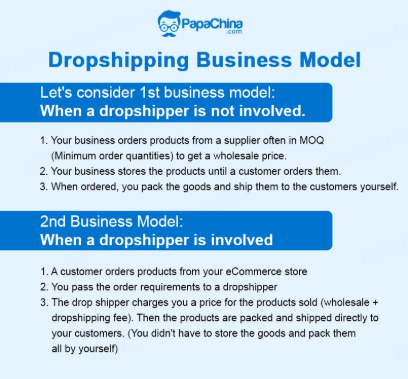
Table of Contents
The Foundations of the Chinese Dropshipping Model
At its simplest, Chinese dropshipping is a fulfillment method where an online store sells products sourced directly from manufacturers or specialized suppliers in China. When a customer places an order, the merchant forwards that order to the supplier, who then manages packaging and direct shipping to the end consumer. This lean structure allows entrepreneurs to focus their energy, capital, and time on marketing, brand building, and customer experience rather than logistics and inventory management.
Why China Remains the Global Supply Hub
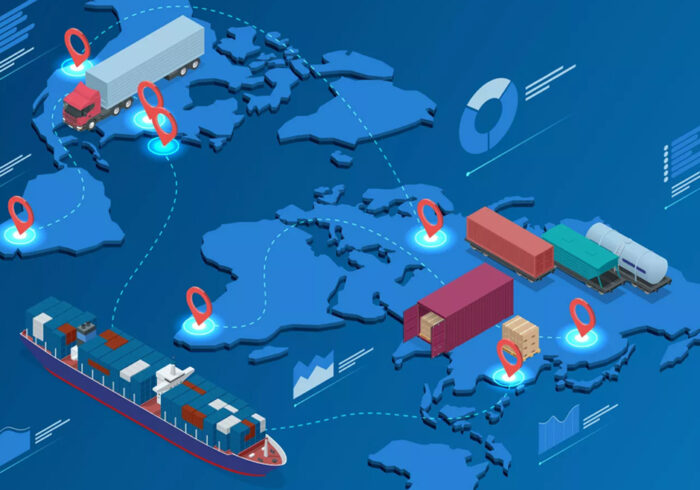
China’s dominance in dropshipping is not accidental; it is built on decades of infrastructure development. From the industrial clusters in Shenzhen to the massive logistics networks facilitating international transit, the efficiency of sourcing from China is unmatched. The combination of cost-effective production, a massive variety of goods, and specialized platforms that integrate seamlessly with major e-commerce tools makes it the primary choice for dropshippers worldwide.
The Evolution of the Fulfillment Process
The modern dropshipping process has become increasingly sophisticated. It is no longer just about picking a product from a marketplace and hoping for the best. Today, successful dropshippers utilize professional platforms that offer real-time inventory syncing, quality control checks, and even custom packaging options. This evolution allows retailers to bridge the gap between low-cost sourcing and the high expectations of modern online shoppers who demand professional, timely service.
Strategic Supplier Selection and Quality Management
The success of your store is intrinsically linked to the reliability of your supply chain. An inexperienced dropshipper might choose a supplier based solely on the lowest product price, but a professional knows that long-term profitability is built on quality, consistency, and communication.
Identifying Reliable Partners
When researching suppliers, look for those who demonstrate transparency. A good supplier is one that is willing to answer questions about their production capacity, return policies, and shipping timelines. Platforms that vet suppliers are highly recommended for beginners to avoid common pitfalls. Always test the ordering process yourself; placing sample orders is the only way to genuinely assess the quality of the product and the speed of the shipping process.
Implementing Effective Quality Control
Quality control is the most critical hurdle to clear. Since you do not handle the product physically before it reaches the customer, you must create a system to ensure excellence. This often involves working with a dedicated sourcing agent who can conduct inspections at the factory or in a central warehouse before the goods are dispatched. Implementing these checks reduces return rates and fosters trust with your customer base.
Building Long-Term Supplier Relationships
True scale comes from moving from a transactional relationship to a partnership. As your volume increases, you should negotiate better rates, prioritize production schedules, and discuss future product development with your core suppliers. Sharing your sales data can help them anticipate your needs, making them an extension of your own operations team.
Advanced Operational Efficiency and Scaling
Scaling a business from a side hustle into a sustainable brand requires moving beyond manual processes. As your order volume increases, the complexity of managing multiple suppliers and customer expectations grows exponentially. Efficiency is the bridge between burnout and a successful, automated business model.
Automating Order Processing
Automation tools are essential for handling high volumes. Using software to bridge your storefront with your supplier’s backend ensures that as soon as a customer hits “checkout,” the order is automatically transmitted for processing. This minimizes human error, ensures inventory levels are updated in real-time to avoid selling out-of-stock items, and allows you to focus your time on high-level strategy rather than administrative manual input.
Negotiating for Better Margins
As your business grows, you gain leverage. Once you have a history of consistent orders, don’t hesitate to negotiate prices with your suppliers. Increased volume makes you a valuable partner. Furthermore, explore long-term contracts that lock in pricing, providing you with better predictability for your financial forecasting and marketing budgets.
Optimizing Logistics and Delivery Experience
In 2026, shipping times are a primary driver of customer satisfaction. Gone are the days when weeks of waiting for a package were acceptable. To remain competitive, dropshippers must adopt advanced logistics strategies that balance speed with affordability.
The Power of Hybrid Fulfillment
A highly effective strategy involves using a hybrid fulfillment model. This strategy often sees entrepreneurs ordering products in bulk from Chinese suppliers and storing them in localized warehouses (such as in the US, Europe, or Australia). When a customer orders, the item is shipped domestically, drastically reducing delivery times to just a few days. While this requires a slightly higher upfront investment, it significantly increases conversion rates and reduces customer support overhead.
Managing Expectations Through Transparency
Regardless of the shipping method, clear communication is essential. Be transparent about expected delivery times on your product pages and in your checkout process. If a delay is expected due to peak seasons or regional holidays like the Chinese New Year, notify your customers proactively. A customer who knows when to expect their package is far more satisfied than one who feels misled about arrival times.
Navigating Customs and Regulatory Compliance
Successful cross-border e-commerce requires an understanding of international trade regulations. Ensure your suppliers provide accurate documentation and that your product descriptions and labels comply with the destination country’s laws. Ignoring these details can lead to seized shipments and frozen accounts, which can jeopardize your entire business model overnight.
Advanced Marketing Strategies for High-Growth Scaling
Even the best products will not sell themselves. The most successful dropshipping stores are those that treat their business like a brand, not just a temporary side project. This requires a multi-faceted approach to digital marketing and customer acquisition.
Leveraging Social Commerce and Content Creators
Social media platforms are the heartbeat of modern dropshipping. Whether it is TikTok, Instagram, or Pinterest, these platforms offer the ability to showcase products in action. High-quality video content that demonstrates the value of your product is more effective than standard image ads. Engaging with your community, responding to comments, and using influencers to validate your product are key tactics to drive organic and paid traffic.
Diversifying Your Sales Channels
Do not limit yourself to a single platform. While starting with a dedicated Shopify store provides you with full control over your brand, you should also look to expand your reach into major marketplaces. Integrating your store with platforms like eBay or Amazon can provide additional streams of income and reach customers who prefer the security and convenience of established marketplaces.
Utilizing Customer Retention Tactics
The cost of acquiring a new customer is significantly higher than retaining an existing one. Implement email marketing campaigns, loyalty programs, and personalized follow-ups to turn one-time buyers into repeat customers. Offering exceptional customer service—even when things go wrong—can transform a frustrated buyer into a brand advocate.
Data-Driven Decision Making
The key to long-term profitability is continuous optimization. Use analytics tools to monitor which products are performing well, identify high-bounce-rate pages, and understand your customer demographics. By constantly testing new ads, refining your product descriptions, and pruning low-performing items, you ensure your business remains agile and profitable in a competitive market.
Sustaining Growth and Future-Proofing Your Brand
Once you have mastered the basics and reached a steady state of sales, the focus must shift to sustainability and brand defense. The market is increasingly crowded, and customer loyalty is the ultimate competitive advantage.
Creating a Unique Brand Identity
Differentiate your store by focusing on a specific niche or mission. Use custom packaging, personalized thank-you notes, and a cohesive brand aesthetic to elevate the customer experience. When a customer feels like they are buying from a boutique brand rather than a nameless drop-shipper, they are more likely to return and recommend you to others.
Expanding Product Lines Strategically
As you gather data on your customers, use that insight to expand your offerings. Introduce complementary products that increase your average order value (AOV). A store that sells specialized coffee makers can eventually expand into coffee beans, accessories, and cleaning supplies. This increases the lifetime value (LTV) of each customer and ensures that your store becomes a destination rather than a one-time stop.
Adapting to Economic Shifts
The global economy is fluid, and currency fluctuations, changes in shipping costs, or shifts in consumer behavior can impact your margins. Always maintain a buffer in your business finances and stay informed about macroeconomic trends. A business that anticipates change is better prepared to pivot its strategy when the market landscape shifts, ensuring that your venture remains resilient against external shocks.
Mastering Financial Management
Profitability in dropshipping is often hidden in the margins. It is essential to maintain granular tracking of all costs, including advertising spend (ROAS), platform fees, shipping costs, and cost of goods sold (COGS). Many entrepreneurs fall into the trap of looking only at top-line revenue, ignoring the reality of razor-thin margins. By performing weekly financial audits, you can identify hidden costs and optimize your pricing strategies to ensure long-term health.
Conclusion:
Success in Chinese dropshipping in 2026 requires more than just picking a trending product; it demands a systematic approach to supplier relations, logistics, and brand-centric marketing. By moving beyond basic dropshipping and implementing quality control, localized fulfillment strategies, and robust digital branding, you can build a sustainable and thriving e-commerce enterprise that delivers genuine value to customers while minimizing the risks traditionally associated with this dynamic business model.
Start scaling your high-margin dropshipping empire today by leveraging Looperbuy’s premium sourcing and rapid global fulfillment network at https://looperbuy.com/.
Summary:
This article provides an essential, forward-looking roadmap for navigating Chinese dropshipping in 2026. It emphasizes that while the business model remains highly accessible, long-term success now depends on moving beyond simple order fulfillment. Key focus areas include building professional supplier relationships, implementing quality control to ensure customer satisfaction, adopting hybrid logistics models to meet modern delivery expectations, and scaling via automation. With actionable insights on digital marketing, financial management, and customer retention, this guide serves as a comprehensive toolkit for entrepreneurs looking to build a sustainable and scalable global e-commerce brand.
Hot Tags:
Dropshipping Business; China Sourcing; E-commerce Strategy; Online Retail; Product Quality Control; Supply Chain Management; Global Fulfillment; Digital Marketing; Social Commerce; Shopify Dropshipping; Brand Building; Logistics Optimization; Profitability; Niche Marketing; Customer Experience; Cross-Border E-commerce; Sourcing Agents; Startup Growth; Scalable Business; Inventory Management; Trend Analysis; Market Expansion; Sales Channels; Automated Fulfillment; Business Sustainability; Consumer Behavior; Digital Transformation; Order Processing; Competitive Advantage; Entrepreneurship
Related Questions & Answers
· Is Chinese dropshipping still profitable in 2026?
Yes, it remains highly profitable, but the approach has matured. Success now relies on branding, quality control, and faster shipping times rather than just selling cheap products.
· How can I find reliable suppliers in China?
The most effective way is to use established platforms like CJ Dropshipping or Alibaba, coupled with performing your own sample orders and maintaining clear communication with suppliers.
· What is the best way to handle long shipping times?
Utilizing a hybrid fulfillment model, where you stock popular products in local warehouses near your main customer base, is the gold standard for reducing shipping times.
· Do I need to form a company to start dropshipping?
You can start as a sole proprietor to test your ideas, but moving to an LLC or a formal business entity is highly recommended once you achieve consistent sales to protect your assets and build credibility.
· How important is custom packaging for my brand?
It is crucial for long-term growth. Custom packaging significantly improves the customer’s unboxing experience, which increases customer loyalty and helps you stand out from competitors.