Table of Contents
Understanding Reverse Drop Shipping
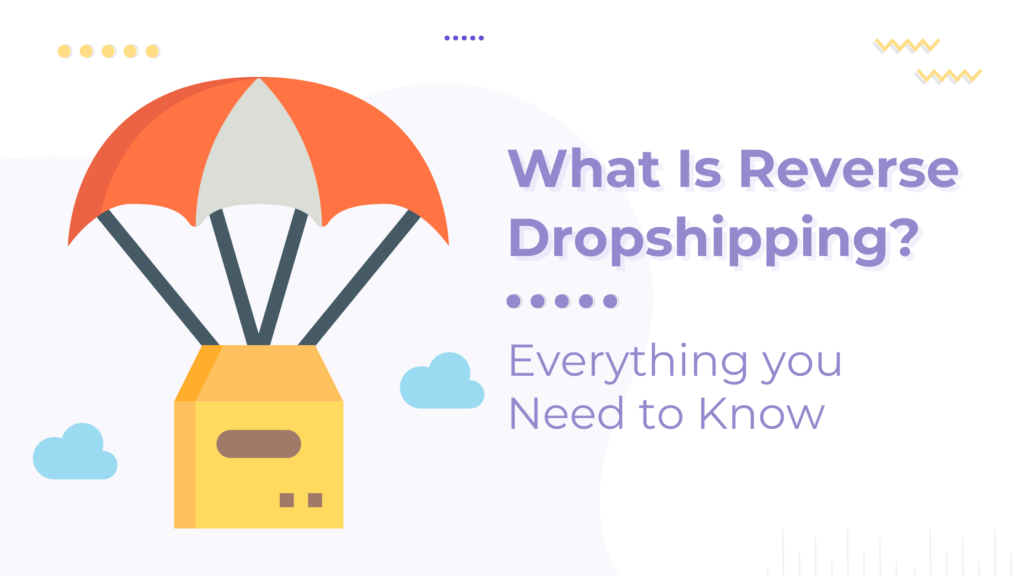
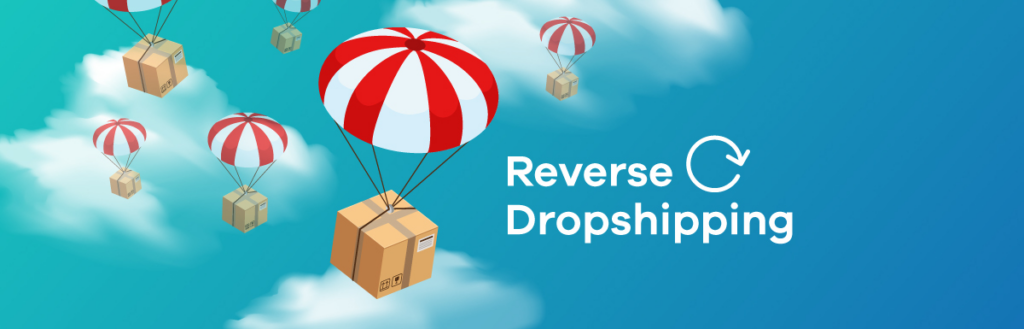
Reverse drop shipping represents a transformative approach to e-commerce that flips the traditional drop shipping model on its head. Instead of sourcing products from established suppliers, entrepreneurs using this strategy source items directly from end consumers. This innovative method allows businesses to offer unique, often handmade or customized products without the need to maintain inventory or complex supply chains.
In the conventional drop shipping setup, a supplier fulfills orders on behalf of the online store owner. However, reverse drop shipping shifts the fulfillment responsibility to individual creators or small-scale producers. These creators might be artisans selling handmade jewelry, custom T-shirt designers, or small batches of specialty food producers. The online store acts as a marketplace, connecting these creators with customers seeking distinctive products that aren’t readily available through mainstream retail channels.
The mechanics of reverse drop shipping involve the store owner listing products created by various individual suppliers. When a customer places an order, the store owner forwards the order details to the creator, who then handles production and shipping directly to the customer. This eliminates the need for the store owner to handle inventory, warehousing, or the physical shipping process. The store owner’s role focuses on marketing, customer acquisition, and providing a platform that showcases the unique offerings of these individual creators.
Benefits of Implementing Reverse Drop Shipping
Access to Unique Product Offerings
One of the most significant advantages of reverse drop shipping is the ability to offer products that stand out in a crowded e-commerce market. By partnering with individual creators and small producers, stores can feature handmade items, limited – edition designs, and highly customized products that larger retailers typically don’t stock. This uniqueness attracts customers seeking personalized shopping experiences and differentiated products that reflect their individual tastes and values.
For example, a reverse drop shipping store specializing in home decor might offer bespoke wooden furniture crafted by different artisan workshops. Each piece could have its own distinctive design, wood type, and finish, appealing to customers looking for one – of – a – kind furniture rather than mass-produced items. Similarly, a fashion – focused reverse drop shipping store could showcase custom – designed clothing from various independent fashion designers, providing customers with access to avant – garde styles that aren’t available in mainstream stores.
This access to unique products not only differentiates the store but also often commands higher price points. Customers willing to pay premium prices for distinctive items can generate higher profit margins for the store owner compared to selling generic, widely available products.
Reduced Inventory and Financial Risk
Like traditional drop shipping, reverse drop shipping significantly reduces the financial burden and risk associated with inventory management. Since products are sourced directly from creators only after an order is received, store owners avoid the costs and complexities of purchasing and storing goods in bulk. This pay – per – sale model preserves cash flow, allowing entrepreneurs to reinvest funds into other critical areas of the business such as marketing campaigns, website enhancements, or customer acquisition efforts.
The reduced risk extends to market testing as well. Store owners can list a wide variety of products from different creators without the initial investment required in traditional retail. This enables rapid experimentation to identify which products resonate with customers and generate sales. If a particular product doesn’t sell, the store owner can simply remove it from the catalog without being stuck with unsold inventory. This flexibility allows businesses to adapt quickly to changing market trends and customer preferences.
Building Strong Creator and Customer Relationships
Reverse drop shipping fosters a unique triangular relationship between the store owner, individual creators, and end customers. For store owners, cultivating strong partnerships with creators is essential for ensuring product quality, timely order fulfillment, and positive customer experiences. These relationships can evolve into collaborative marketing opportunities, with creators promoting the store to their own audiences and store owners featuring creator stories and backgrounds to enhance product appeal.
From the customer perspective, reverse drop shipping stores often create a sense of connection to the product’s origins. Customers appreciate knowing the story behind a handmade item or the artisan who crafted it. Store owners can enhance this relationship by sharing creator profiles, including details about their craft, design philosophy, and journey as a small business owner. This storytelling approach builds trust and emotional engagement, often resulting in higher customer loyalty and repeat business.
Challenges and Solutions in Reverse Drop Shipping
Ensuring Consistent Product Quality and Fulfillment
One of the primary challenges in reverse drop shipping is maintaining consistent product quality and timely order fulfillment across multiple individual creators. Unlike established suppliers with standardized production processes, individual creators may have varying levels of production capability, quality control, and shipping efficiency. A handmade product’s unique nature can sometimes lead to inconsistencies between what’s pictured in the store and what the customer receives.
To address these concerns, store owners should establish clear guidelines and expectations with creators from the outset. This includes defining product specifications, quality standards, packaging requirements, and shipping deadlines. Regular communication with creators helps monitor their performance and address any potential issues before they impact customers. Implementing a quality review process, such as requesting product samples or conducting periodic quality checks, ensures that items meet the store’s standards before being listed or shipped to customers.
Store owners can also build redundancy into their creator network by partnering with multiple creators offering similar products. This way, if one creator faces production delays or quality issues, orders can be redirected to another creator with available capacity. Transparency with customers about the handmade nature of products and potential variations sets realistic expectations and reduces disappointment when minor differences occur.
Managing Customer Expectations and Support
Customer expectations in reverse drop shipping can be higher due to the personalized and unique nature of the products. Customers may have questions about product customization options, production timelines, or the creator’s background. The store owner must be equipped to handle these inquiries promptly and knowledgeably, even though they don’t physically produce the items.
Creating comprehensive product descriptions that address common customer questions can reduce inquiry volumes. Including details about customization possibilities, estimated production times (separate from shipping times), and the creator’s story helps inform customers upfront. Providing multiple contact options and responsive customer service channels ensures that when customers do have questions, they receive timely assistance.
For issues that arise after purchase – such as product defects, shipping delays, or order changes – having a clear return and exchange policy is crucial. Store owners should work with creators to establish consistent return procedures and communicate these policies transparently on the website. In cases where a creator is unable to fulfill an order satisfactorily, the store owner may need to step in to resolve the issue directly with the customer, potentially offering a refund or alternative product from a different creator to maintain customer satisfaction.
Scaling the Business Model
Scaling a reverse drop shipping business presents unique challenges compared to traditional e-commerce models. As the store grows, managing an expanding network of individual creators requires efficient systems for onboarding, communication, and order management. Manual processes that work for a small number of creators can become bottlenecks as the business scales.
Investing in specialized software solutions designed for marketplace management can help automate creator onboarding, order routing, and payment processing. These platforms often provide analytics tools to track creator performance, sales trends, and customer satisfaction metrics, enabling data-driven decision-making as the business expands. Establishing tiered creator partnerships, where preferred creators receive more promotional support or better payment terms based on performance, can incentivize quality and efficiency while ensuring the store’s product offerings remain reliable and appealing to customers.
Conclusion
Reverse drop shipping offers e-commerce entrepreneurs a distinctive path to market differentiation and reduced operational risks. By leveraging the creativity and craftsmanship of individual producers, businesses can provide customers with unique, personalized products that stand out in a sea of generic retail options. While challenges such as quality control, customer support, and scaling require careful management, the strategic advantages of this model – including minimized inventory costs, higher profit potential from premium products, and the ability to build engaging brand stories – position it as a compelling option in today’s diverse e-commerce landscape. Entrepreneurs willing to invest in building strong creator relationships and implementing efficient systems can harness reverse drop shipping to create sustainable, profitable businesses that resonate with discerning consumers seeking authenticity and originality in their purchases.
If you want to enhance your drop shipping efficiency further by connecting directly with high-quality suppliers on platforms like 1688 and simplifying international logistics,you can use looperbuy, a one-stop purchasing-logistics solution:https://looperbuy.com/.
Related Questions & Answers
· How can I find reliable individual creators to partner with for reverse drop shipping?
Reliable individual creators can be found through various channels. Craft fairs and handmade markets (both online and physical) like Etsy, ArtFire, or local community craft events provide opportunities to discover talented artisans. Social media platforms such as Instagram and Pinterest are rich with creators showcasing their work; engaging with their content and reaching out directly can establish initial connections. Facebook Groups dedicated to handmade creators or specific craft niches offer forums to network and propose partnerships. Additionally, websites like Craftsupplies or specific craft – oriented directories can help identify creators based on product type. When approached, clearly communicate your business model, expected order volumes, quality standards, and proposed commission structures to assess their interest and capability to fulfill orders consistently.
· What payment structures are common in reverse drop shipping creator relationships?
Payment structures in reverse drop shipping typically involve the store owner taking a commission on each sale. Common commission rates range from 15% to 40%, depending on factors such as the product’s price point, the level of customization required, and the creator’s production costs. Some arrangements involve a flat – fee payment to the creator per item, with the store owner setting the retail price. Another approach is profit – sharing, where the creator and store owner agree on a percentage split of the profit after扣除 shipping and platform fees. Transparent contracts outlining payment terms, including when payments are processed (e.g., upon order placement, after shipping confirmation, or upon customer delivery), help prevent disputes and clarify expectations for both parties.
· How do I handle product returns and exchanges in reverse drop shipping?
Handling returns and exchanges requires coordination between the store owner and the creator. Establish a return policy that’s communicated clearly to customers, specifying timeframes for returns (typically 14 – 30 days), conditions for acceptance (unused, in original packaging, etc.), and who covers return shipping costs. When a customer initiates a return, notify the creator immediately. The creator may inspect the returned item to assess whether it meets refund or exchange criteria. If approved, the creator either issues a replacement product or notifies the store owner to process a refund. The store owner deducts any applicable restocking fees (previously agreed upon with the creator) before reimbursing the customer. Maintaining clear documentation of each transaction helps resolve disputes and ensures both creators and customers understand the process. Some store owners offer store credit instead of refunds to reduce cash outflows and encourage repeat business.
· What marketing strategies work best for promoting a reverse drop shipping store?
Content marketing focused on creator stories and the craftsmanship behind products resonates well with audiences seeking authenticity. Blog posts or video content introducing individual creators, their inspirations, and production processes humanize the brand and attract customers interested in product origins. Social media marketing leveraging high – quality visuals of the products in use (e.g., handmade jewelry being worn, custom furniture in home settings) performs exceptionally on platforms like Instagram and Pinterest. User – generated content campaigns where satisfied customers share photos of their purchases can provide social proof and expand reach organically. Collaborations with influencers in the handmade or lifestyle niches who appreciate and review the unique products can introduce your store to targeted audiences. Email marketing highlighting new creator features, limited – edition product launches, and behind – the – scenes looks at product creation maintains engagement with subscribers and drives repeat purchases.
· Can reverse drop shipping be combined with other e-commerce models for a hybrid approach?
Absolutely. Many successful e-commerce businesses blend reverse drop shipping with traditional inventory models or print – on – demand services. For example, a store might offer a core range of best – selling products that are stocked in small quantities for faster shipping, while featuring reverse drop shipped items as premium or seasonal offerings. Similarly, combining reverse drop shipping with print – on – demand allows stores to provide both ready – to – ship basic products and customized, creator – made items. This hybrid approach balances the benefits of inventory control with the uniqueness of reverse drop shipping, catering to different customer segments based on their willingness to wait for specialized products versus desiring immediate delivery of standard items. The key is implementing an order management system that can track and route orders to the appropriate fulfillment source based on the product type selected by the customer.
Hot Tags: Creator – Centered E – commerce; Unique Product Drop Shipping; Handmade Marketplace Logistics; Niche E – commerce Solutions; Custom Product Fulfillment; Artisan Business Partnerships; Reverse Supply Chain Management; Independent Designer Retail; Personalized Shopping Platforms