Table of Contents
Introduction to International Shipping
In an increasingly globalized economy, international shipping has become a cornerstone of trade and commerce. Businesses of all sizes are expanding their reach beyond domestic markets, necessitating a robust understanding of the complexities involved in shipping goods across borders. This article delves into the essential aspects of international shipping, providing insights and strategies to help businesses navigate the challenges and seize opportunities in global trade.

The Significance of International Shipping
Why International Shipping Matters
International shipping is vital for several reasons:
- Market Expansion: It allows businesses to access new markets, increasing their customer base and potential revenue.
- Cost Efficiency: By sourcing materials and products from different countries, businesses can reduce costs and improve profit margins.
- Diverse Product Offerings: International shipping enables companies to offer a wider range of products, catering to diverse consumer preferences.
Key Components of International Shipping
Understanding the components of international shipping is crucial for successful operations. These components include:
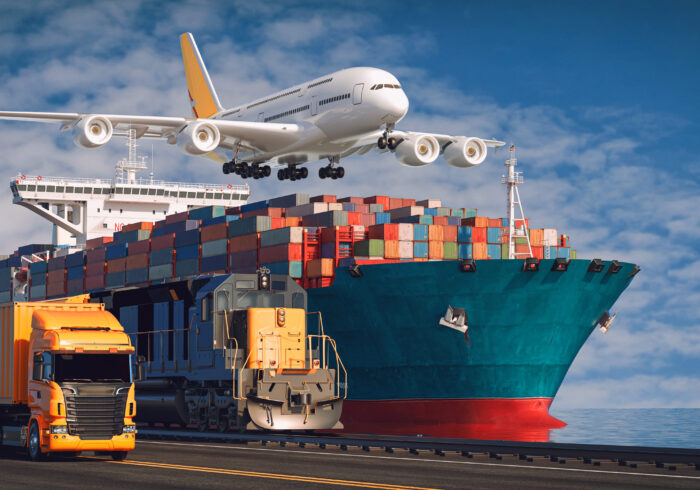
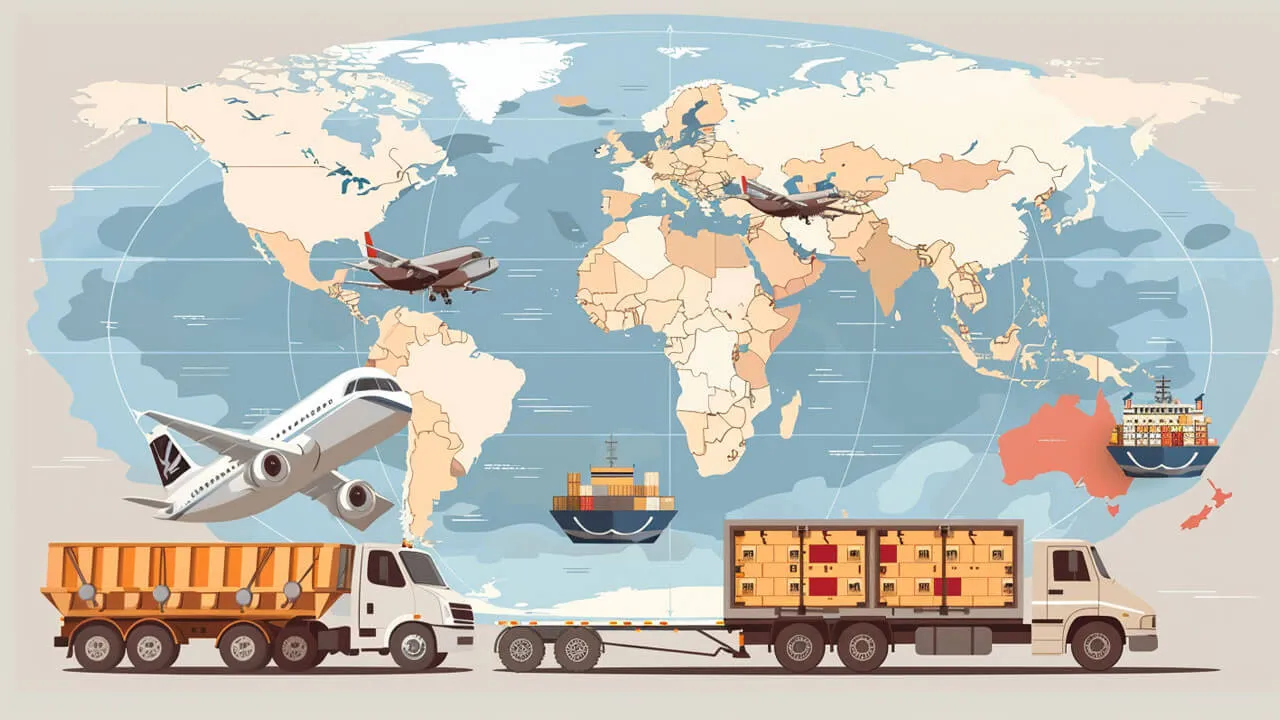
- Shipping Methods: Various methods are available for transporting goods internationally, including air freight, sea freight, rail, and road transport. Each method has its advantages and disadvantages, depending on factors such as cost, speed, and the nature of the goods.
- Customs Regulations: Navigating customs regulations is essential for ensuring compliance and avoiding delays. Each country has its own set of rules regarding imports and exports, which must be adhered to.
- Documentation: Proper documentation is critical for international shipping. This includes invoices, packing lists, bills of lading, and certificates of origin, among others.
Choosing the Right Shipping Partner
The Role of Freight Forwarders
Freight forwarders play a crucial role in international shipping by acting as intermediaries between shippers and carriers. They offer a range of services, including:
- Logistics Management: Freight forwarders coordinate the entire shipping process, from pickup to delivery, ensuring that goods are transported efficiently.
- Customs Clearance: They handle the necessary paperwork and compliance requirements for customs clearance, reducing the burden on businesses.
- Insurance: Freight forwarders often provide insurance options to protect shipments against loss or damage during transit.
Evaluating Shipping Companies
When selecting a shipping partner, businesses should consider the following factors:
- Experience and Reputation: Research the shipping company’s track record and customer reviews to ensure reliability and quality of service.
- Service Offerings: Evaluate the range of services provided, including transportation modes, warehousing options, and customs assistance.
- Cost Structure: Compare pricing models to ensure that the shipping partner offers competitive rates without compromising service quality.
Strategies for Efficient International Shipping
Optimizing Shipping Routes
Efficient route planning is essential for minimizing shipping costs and delivery times. Consider the following strategies:
- Route Analysis: Use data analytics to assess shipping routes and identify the most efficient paths for transporting goods.
- Consolidation: Consolidate shipments to maximize container space and reduce transportation costs. This is particularly effective for businesses with smaller shipments.
- Multi-Modal Transportation: Consider using a combination of transportation methods to optimize costs and delivery times. For example, goods can be shipped by sea and then transported by truck to their final destination.
Managing Customs Compliance
Navigating customs regulations is a critical aspect of international shipping. Businesses can take the following steps to ensure compliance:
- Stay Informed: Keep abreast of changes in customs regulations and trade agreements that may impact shipping operations.
- Documentation Accuracy: Ensure that all necessary documentation is complete and accurate to avoid delays and penalties.
- Work with Customs Brokers: Consider partnering with customs brokers who specialize in navigating complex regulations and can facilitate the clearance process.
Leveraging Technology
Technology plays a pivotal role in enhancing the efficiency of international shipping. Businesses can leverage various technologies to improve operations:
- Tracking Systems: Implement tracking systems to monitor shipments in real-time, providing visibility and transparency throughout the shipping process.
- Inventory Management Software: Use inventory management software to streamline processes and improve accuracy in tracking stock levels.
- Automated Documentation: Utilize software solutions that automate the generation of shipping documents, reducing the risk of errors and saving time.
The Future of International Shipping
Trends Shaping the Industry
The international shipping landscape is constantly evolving, influenced by technological advancements and changing consumer expectations. Key trends include:
- Sustainability Initiatives: Environmental concerns are driving the shipping industry to adopt sustainable practices, such as reducing carbon emissions and optimizing packaging.
- E-commerce Growth: The rise of e-commerce has transformed shipping, with increased demand for fast and reliable delivery services. Businesses must adapt to meet consumer expectations for quick shipping.
- Digital Transformation: The adoption of digital technologies is revolutionizing the shipping industry, enhancing efficiency and accuracy in logistics operations.
Embracing Innovation
To stay competitive in the international shipping landscape, businesses must embrace innovation. Consider the following approaches:
- Blockchain Technology: This technology enhances transparency and security in supply chain transactions, enabling real-time tracking of goods.
- Artificial Intelligence: AI can optimize logistics operations by predicting demand, automating processes, and improving decision-making.
- Robotics and Automation: Automation through robotics can streamline warehouse operations, reducing labor costs and improving efficiency.
Conclusion
Mastering international shipping is essential for businesses looking to expand their reach in the global marketplace. By understanding the key components of shipping, choosing the right partners, and implementing effective strategies, companies can navigate the complexities of international trade with confidence. As the shipping industry continues to evolve, staying informed about trends and embracing innovation will be crucial for long-term success.
As you explore the vast opportunities in international shipping, don’t miss out on discovering unique products that can elevate your business at https://looperbuy.com/.
Related Questions & Answers
· What are the key components of international shipping? The key components include shipping methods, customs regulations, and proper documentation.
· How can businesses optimize their shipping routes? Businesses can optimize routes by analyzing data, consolidating shipments, and using multi-modal transportation.
· What role do freight forwarders play in international shipping? Freight forwarders coordinate the shipping process, handle customs clearance, and provide logistics management services.
· How can businesses ensure customs compliance? Businesses can ensure compliance by staying informed about regulations, maintaining accurate documentation, and working with customs brokers.
· What trends are shaping the future of international shipping? Key trends include sustainability initiatives, e-commerce growth, and digital transformation in logistics operations.
Hot Tags: International Shipping; Freight Forwarders; Customs Compliance; Shipping Strategies; E-commerce; Logistics Management; Supply Chain; Technology in Shipping; Sustainable Practices