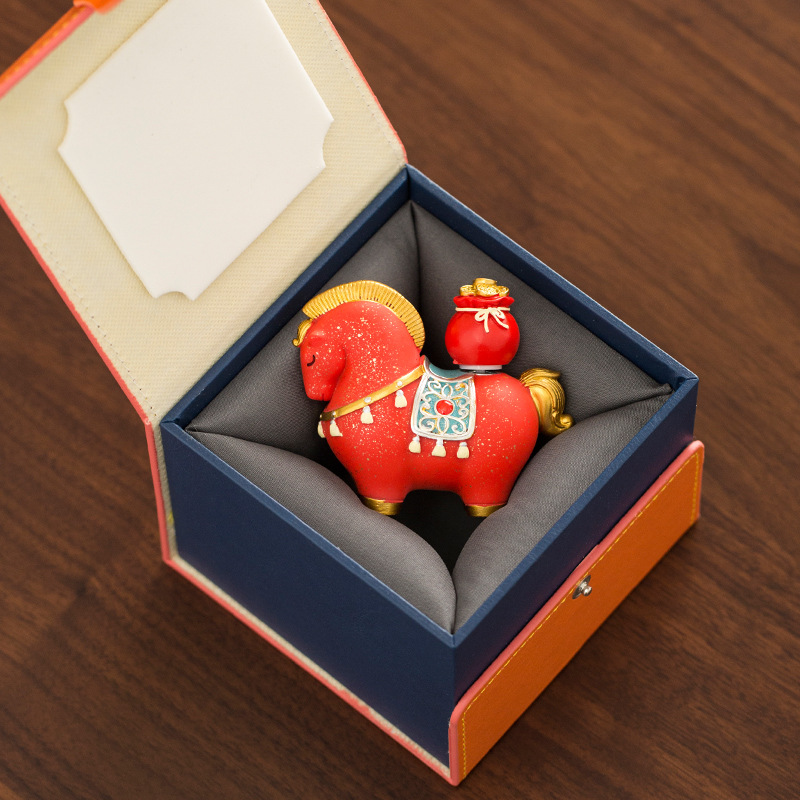
The holiday season is a time of joy, celebration, and appreciation, especially in the workplace. As companies prepare to express gratitude to their employees, managing holiday gift budgets becomes a crucial task. This article will guide you through effective strategies to manage holiday gift budgets for staff, ensuring that your gifting is both meaningful and financially responsible.
Table of Contents
Understanding the Importance of Holiday Gifting

The Role of Gifts in Employee Morale
Holiday gifts serve as a tangible expression of appreciation for employees’ hard work throughout the year. They can significantly boost morale, foster a sense of belonging, and enhance workplace culture. When employees feel valued, they are more likely to be engaged and productive. Research shows that recognition and appreciation can lead to increased job satisfaction and lower turnover rates, making holiday gifting an essential part of employee engagement strategies.
Setting the Right Tone
The type of gifts you choose can set the tone for your company culture. Thoughtful gifts can convey a message of care and recognition, while generic or poorly chosen gifts may have the opposite effect. Therefore, it’s essential to align your gifting strategy with your company values and the preferences of your employees. A well-chosen gift can reinforce your company’s commitment to its workforce and create a positive atmosphere during the holiday season.
Establishing a Holiday Gift Budget
Determining Your Budget
The first step in managing holiday gift budgets is to determine how much you can afford to spend. A common guideline is to allocate between 1% to 3% of your total payroll for holiday gifts. This percentage can vary based on your company’s financial health and the number of employees. For instance, a company with a strong financial position may choose to allocate a higher percentage to create a more impactful gifting experience.
Breaking Down the Budget
Once you have a total budget, break it down into categories. Consider allocating funds for:
- Individual gifts for employees
- Group gifts or experiences
- Special recognitions for outstanding performance
- Miscellaneous expenses (e.g., wrapping, shipping)
Example Budget Allocation
For a company with 50 employees and a total budget of $5,000, you might allocate:
- $2,500 for individual gifts ($50 per employee)
- $1,500 for group experiences (team outings, holiday parties)
- $1,000 for special recognitions (awards, bonuses)
This structured approach ensures that you can provide meaningful gifts while staying within your financial limits.
Choosing the Right Gifts
Know Your Audience
Understanding your employees’ preferences is key to selecting appropriate gifts. Consider conducting a survey to gather insights on what types of gifts would be most appreciated. This can help avoid the pitfalls of generic gifting. For example, if your team consists of a diverse group with varying interests, a one-size-fits-all approach may not resonate well.
Personalization Matters
Personalized gifts can make a significant impact. Consider options like custom mugs, engraved pens, or gift cards to favorite local restaurants. Personal touches show that you value your employees as individuals. Additionally, personalized gifts can create lasting memories and strengthen the emotional connection between employees and the company.
Group Gifts vs. Individual Gifts
Decide whether to give individual gifts or group gifts. Group gifts, such as team outings or experiences, can foster camaraderie and strengthen team bonds. Individual gifts, on the other hand, allow for personalization and can make employees feel uniquely valued. A combination of both can also be effective, providing a shared experience while still recognizing individual contributions.

Unique Gift Ideas for Remote Teams
With the rise of remote work, companies must adapt their gifting strategies to accommodate employees who may not be physically present in the office. Unique gift ideas for remote teams include:
- Virtual Experiences: Consider gifting virtual cooking classes, online escape rooms, or workshops that employees can enjoy from home.
- Care Packages: Send curated care packages filled with snacks, self-care items, or company-branded merchandise to make remote employees feel included.
- Gift Cards: Offering gift cards to popular online retailers allows employees to choose what they want, catering to individual preferences.
Planning and Logistics
Start Early
Begin planning your holiday gifting strategy well in advance. This allows you to take advantage of sales, avoid last-minute stress, and ensure timely delivery of gifts. Starting early also gives you time to personalize gifts and make thoughtful selections. Consider setting a timeline that includes key milestones, such as when to finalize the gift list and when to place orders.
Create a Gift Tracker
To keep your gifting organized, create a gift tracker. This can be a simple spreadsheet that includes:
- Employee names
- Gift selections
- Budget allocation
- Delivery status
A tracker helps ensure that no one is overlooked and that you stay within budget. It can also serve as a reference for future gifting strategies, allowing you to build on what worked well in previous years.
Consider Shipping and Delivery
If you are sending gifts directly to employees, factor in shipping costs and delivery times. Plan for potential delays, especially during the busy holiday season. It’s wise to order gifts with ample time for any unforeseen issues. Additionally, consider the option of local delivery services to ensure timely arrival.
Communicating with Employees
Setting Expectations
Communicate with your employees about the holiday gifting process. Let them know what to expect, including timelines and the types of gifts being offered. Transparency can help manage expectations and build excitement. You might also consider hosting a small event to unveil the gifts, creating a festive atmosphere and enhancing the overall experience.
Gathering Feedback
After the holiday season, gather feedback from employees about the gifts they received. This can provide valuable insights for future gifting strategies and help you refine your approach. Consider using anonymous surveys to encourage honest feedback, which can lead to more effective gifting in subsequent years.
Creative Low-Cost Gift Ideas
If your budget is tight, there are many creative and low-cost gift ideas that can still convey appreciation. Consider options such as:
- Homemade Treats: Baking cookies or other treats can be a personal and heartfelt gift.
- Personalized Notes: A handwritten note expressing gratitude can mean more than an expensive gift.
- Desk Plants: Small plants can brighten up an office space and are often well-received.
- Experience Gifts: Consider offering experiences, such as a team lunch or a day off, which can be more meaningful than physical gifts.
Measuring the Impact of Holiday Gifting
Evaluating ROI
To understand the effectiveness of your holiday gifting program, consider measuring its return on investment (ROI). This can be done by assessing employee satisfaction, engagement levels, and retention rates before and after the gifting period. Surveys and feedback can provide qualitative data, while performance metrics can offer quantitative insights.
Long-Term Benefits
Investing in holiday gifts can lead to long-term benefits, such as improved employee morale, increased loyalty, and a stronger company culture. By fostering a positive environment, you can enhance productivity and reduce turnover, ultimately benefiting your organization’s bottom line.
Ensuring Inclusivity in Holiday Gifting
Understanding Diverse Needs
As workplaces become more diverse, it’s essential to ensure that your holiday gifting practices are inclusive. This means considering the varied backgrounds, cultures, and preferences of your employees. Gifts should be thoughtful and respectful of different traditions and beliefs.
Offering Options
One way to promote inclusivity is to offer a range of gift options. For example, instead of a single gift for everyone, provide a selection from which employees can choose. This allows individuals to select gifts that resonate with their personal tastes and cultural backgrounds.
Celebrating Different Holidays
Recognizing and celebrating various holidays throughout the year can also enhance inclusivity. Instead of focusing solely on Christmas, consider acknowledging other significant holidays, such as Hanukkah, Diwali, or Kwanzaa. This approach demonstrates respect for the diverse beliefs of your workforce.
Tax Implications of Holiday Gifting
Understanding Tax Responsibilities
When it comes to holiday gifting, both employers and employees should be aware of the tax implications. In many jurisdictions, gifts given to employees may be considered taxable income, depending on their value. Employers should familiarize themselves with local tax laws to ensure compliance and avoid unexpected liabilities.
Gift Limits
In the United States, for example, the IRS allows employers to give gifts up to a certain value without incurring tax liabilities. As of recent guidelines, gifts valued at $25 or less per employee per year are generally not taxable. However, gifts exceeding this amount may need to be reported as income, which can complicate the gifting process.
Planning for Taxes
To avoid complications, it’s wise to plan your gifting strategy with tax implications in mind. Consider keeping gifts within the non-taxable limit or opting for non-cash gifts, such as holiday parties or team-building experiences, which may not be subject to the same tax rules.
Leveraging Technology for Holiday Gifting
Streamlining the Process
In today’s digital age, technology can play a significant role in streamlining the holiday gifting process. Various platforms and tools can help manage budgets, track gifts, and facilitate communication with employees. Utilizing technology can save time and reduce the administrative burden associated with holiday gifting.
Gift Management Software
Consider investing in gift management software that allows you to create a centralized system for tracking gifts, budgets, and employee preferences. These tools can automate many aspects of the gifting process, from ordering to delivery, ensuring a smooth experience for both employers and employees.
Virtual Gifting Solutions
For remote teams, virtual gifting solutions can simplify the process of sending gifts. Many companies offer digital gift cards or e-gift options that can be delivered instantly, making it easy to include remote employees in the holiday spirit.
Best Practices for Presenting Holiday Gifts
Creating a Memorable Experience
The way gifts are presented can significantly impact how they are received. Consider creating a memorable experience around the gifting process. This could involve hosting a holiday party where gifts are distributed, or organizing a virtual gathering for remote employees to unveil their gifts together.
Personal Touches
Adding personal touches to the presentation can enhance the overall experience. For example, consider including a handwritten note with each gift, expressing your appreciation for the employee’s contributions. This small gesture can make a big difference in how the gift is perceived.
Timing Matters
Timing is also crucial when it comes to presenting gifts. Aim to distribute gifts during a festive occasion, such as a holiday party or team meeting, to maximize the impact. This creates a celebratory atmosphere and reinforces the sense of community within the team.

Conclusion
Managing holiday gift budgets for staff is a delicate balance of appreciation and financial responsibility. By setting a clear budget, understanding your employees’ preferences, and planning ahead, you can create a memorable holiday experience that strengthens your team’s morale and fosters a positive workplace culture. Thoughtful gifting not only enhances employee satisfaction but also reinforces the values and mission of your organization.
How to purchase:Online B2B sourcing platform, China purchase, Chinese suppliers – LooperBuy
Frequently Asked Questions
1. How much should I budget for holiday gifts per employee?
A good rule of thumb is to allocate between $50 to $150 per employee, depending on your overall budget and company culture.
2. What types of gifts are most appreciated by employees?
Personalized gifts, experiences, and gift cards to popular local businesses tend to be well-received. It’s important to consider individual preferences.
3. How can I ensure that my gifts are meaningful?
Conducting a survey to understand employee preferences and interests can help you choose gifts that resonate with your team.
4. When should I start planning for holiday gifts?
Start planning at least a few months in advance to allow for thoughtful selection, personalization, and timely delivery.
5. What should I do if my budget is tight?
Consider group gifts or experiences that can be shared among employees, which can be more cost-effective while still fostering team spirit.
HOT TAG: holiday gifts for employees, employee appreciation strategies, budget management for gifting, corporate holiday gifting ideas, team morale enhancement, personalized gift options, creative low-cost gifts, employee engagement initiatives, workplace culture improvement, festive celebrations planning, inclusivity in holiday gifting, remote team gift ideas, diverse workplace recognition, tax implications of gifts, leveraging technology for gifting, best practices for gift presentation, memorable holiday experiences, gathering employee feedback on gifts, unique gift ideas for diverse interests.