A lunch box with an ice pack is an essential item for individuals who pack their meals for work, school, or outdoor activities. Insulated lunch boxes with ice packs play a crucial role in maintaining food quality and safety. They ensure that perishable items remain fresh and free from harmful bacteria until consumption. This article provides an in-depth look at lunch boxes with ice packs, covering their types, benefits, selection tips, and maintenance advice. It also addresses frequently asked questions to help you make informed decisions when choosing the right lunch box with ice pack for your needs.
Table of Contents
Why Lunch Boxes with Ice Packs Matter
Keeping Food Fresh
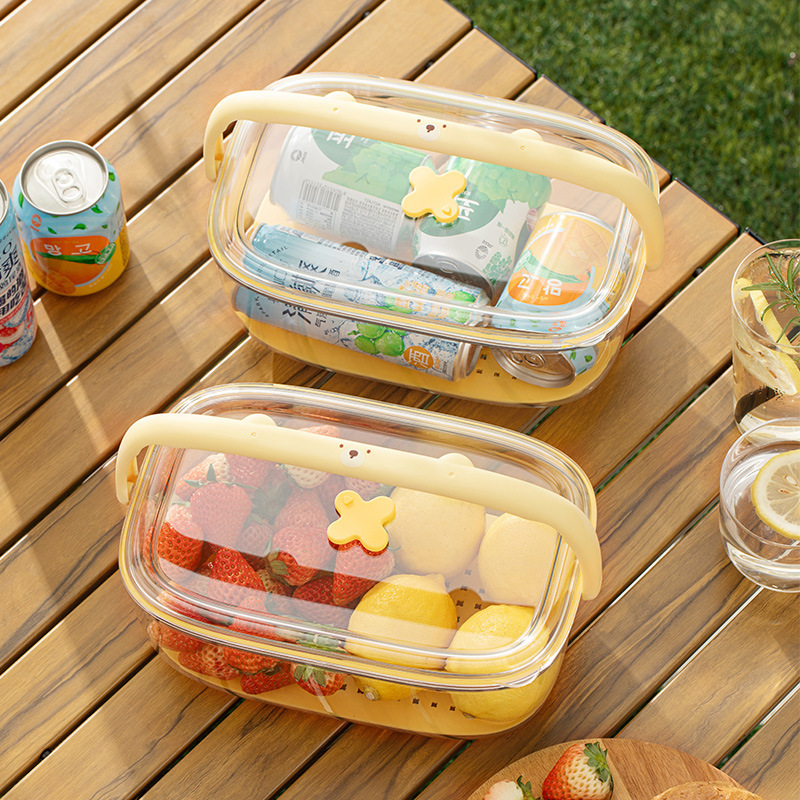
The primary purpose of using an ice pack in a lunch box is to keep food fresh. Perishable items like dairy products, meats, and certain fruits can spoil quickly if not kept at safe temperatures. Ice packs help maintain a cool environment, reducing the risk of foodborne illnesses. For example, foods like yogurt and cheese can develop harmful bacteria if left at room temperature for too long. By using ice packs, you can extend the shelf life of your food, ensuring that it remains safe and delicious until lunchtime.
Enhancing Taste and Texture
Food that is kept at the right temperature not only stays safe to eat but also retains its taste and texture. For instance, salads remain crisp, fruits stay juicy, and sandwiches do not become soggy when ice packs are used. This ensures that your lunch is enjoyable and appetizing. The sensory experience of eating is significantly enhanced when food is served at the right temperature. Cold pasta salads, for example, are refreshing on a hot day, while chilled fruits can be a delightful treat. Ice packs help maintain these qualities, making your lunch more satisfying.
Convenience for On-the-Go Meals
For those who lead busy lives, packing a lunch is a convenient way to eat healthy. Ice packs make it easy to prepare meals in advance and take them on the go. Whether you are heading to work, school, or a picnic, ice packs ensure that your food remains fresh until you are ready to eat. This convenience not only saves time but also encourages healthier eating habits. Instead of opting for fast food or unhealthy snacks, you can enjoy a well-balanced meal that you prepared yourself, all thanks to the reliability of ice packs.
Types of Lunch Boxes with Ice Packs
Insulated Lunch Boxes
Insulated lunch boxes are among the most popular types. These lunch boxes are designed to maintain a consistent internal temperature, thanks to their insulating materials. They are ideal for keeping food cold, especially when combined with ice packs. Insulated lunch boxes come in various sizes and designs, making them suitable for different users. They are often lightweight, easy to carry, and can be used for both hot and cold foods. The insulation not only keeps food at the desired temperature but also helps in maintaining the quality and taste of the food.
Hard-Sided Lunch Boxes
Hard-sided lunch boxes are known for their durability and structure. They are typically made of plastic or metal and feature compartments for food and ice packs. These lunch boxes are great for those who want to keep their food organized and protected. They are also easy to clean and can withstand rough handling. However, they may be heavier than insulated soft lunch boxes. Hard-sided lunch boxes are suitable for school children and outdoor activities where extra protection is needed.
Soft Lunch Boxes
Soft lunch boxes are made of flexible materials like fabric and are often insulated. They are lightweight and easy to carry, making them a popular choice for daily use. Soft lunch boxes come in various designs and colors, allowing users to choose one that suits their personal style. They are also easy to store and can be folded or rolled when not in use. However, they may not provide the same level of protection as hard-sided lunch boxes.
Lunch Boxes with Built-in Ice Packs
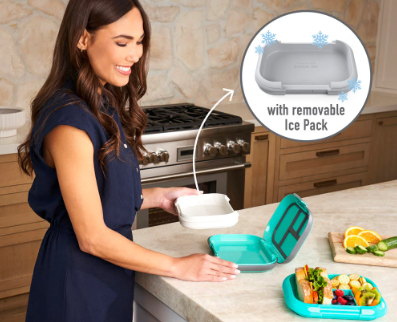
Some lunch boxes come with built-in ice packs, which eliminate the need to carry separate ice packs. These lunch boxes are designed to be lightweight and easy to clean. Built-in ice packs can be particularly beneficial for children, as they simplify the packing process for parents. With these lunch boxes, you can ensure that your child’s meal stays fresh without the hassle of additional items.
How to Choose the Right Lunch Box with Ice Pack
Consider Your Needs
When selecting a lunch box with an ice pack, consider your specific needs. If you are looking for something to keep your food cold for an extended period, an insulated lunch box with a high-quality ice pack is ideal. For those who need to carry a variety of food items and want to keep them organized, a hard-sided lunch box with compartments may be the best choice. If you prioritize portability and convenience, a soft lunch box with an ice pack could be perfect for you.
Capacity
Consider the amount of food you usually pack for lunch. Lunch boxes come in different sizes, so choose one that can accommodate your typical meal portions. If you have a large appetite or need to pack meals for multiple days, a larger lunch box with adequate space for food and ice packs is necessary. For those with smaller portions or limited space in their bags, a compact lunch box with a slim ice pack may be more suitable.
Insulation Quality
The insulation quality of a lunch box determines how well it can maintain the internal temperature. Look for lunch boxes with good insulation materials, such as foam or reflective materials, which can effectively keep food cold or hot for longer periods. Check if the lunch box has airtight seals to prevent cold air from escaping and to maintain the desired temperature inside.
Durability
A durable lunch box can withstand daily use and last for a long time. Consider the materials used in the construction of the lunch box. Hard-sided lunch boxes made of sturdy plastic or metal are more durable and can handle rough handling. Soft lunch boxes made of high-quality fabrics with reinforced stitching are also more likely to last longer. Additionally, check the quality of the zippers, handles, and other components to ensure they are well-made and can withstand regular use.
Ease of Cleaning
A lunch box that is easy to clean is essential for maintaining hygiene. Look for lunch boxes with removable linings or compartments that can be easily washed. Smooth interior surfaces without crevices are easier to clean and less likely to harbor bacteria. Some lunch boxes are even dishwasher-safe, making cleaning even more convenient.
Ice Pack Type and Size
Different types of ice packs offer varying levels of cooling efficiency and duration. Consider the type of ice pack that suits your needs. Gel ice packs are flexible and can conform to the shape of the lunch box and food items, providing better contact and cooling. Hard ice packs are more rigid and can provide longer-lasting cooling but may take up more space. Slim ice packs are ideal for compact lunch boxes and can still provide effective cooling. Built-in ice packs are convenient and eliminate the need to carry separate ice packs. Choose an ice pack size that fits well in your lunch box and provides sufficient cooling for your food.
Portability
If you need to carry your lunch box to work, school, or on outdoor activities, portability is an important factor to consider. Look for lunch boxes that are lightweight and easy to carry. Some lunch boxes come with handles or shoulder straps for added convenience. Consider the overall weight of the lunch box when filled with food and ice packs to ensure it is comfortable to carry around.
Style and Design
Personal preference plays a significant role in choosing a lunch box. Look for lunch boxes with designs and colors that appeal to you. There are various styles available, from simple and minimalist to fun and vibrant. Some lunch boxes feature cartoon characters, patterns, or themes that can make lunchtime more enjoyable. Consider the occasion and where you will be using the lunch box to choose a design that suits your lifestyle and personality.
Benefits of Using a Lunch Box with Ice Pack
Food Safety
Using a lunch box with an ice pack helps maintain food at safe temperatures, reducing the risk of foodborne illnesses. Perishable foods can spoil quickly if left at room temperature for too long, and ice packs ensure that your food stays within the safe temperature zone until you are ready to eat.
Cost-Effective
Packing your lunch with a reusable lunch box and ice pack is a cost-effective alternative to buying lunch every day. Over time, the savings from preparing your meals at home and using a lunch box can add up significantly. It also reduces the amount of waste generated from disposable lunch containers and packaging.
Healthier Eating Habits
When you pack your own lunch, you have control over the ingredients and can make healthier food choices. A lunch box with an ice pack allows you to prepare fresh, nutritious meals in advance and enjoy them later. This encourages healthier eating habits and can help you maintain a balanced diet.
Environmental Benefits
Reusable lunch boxes and ice packs reduce the need for single-use plastic containers and disposable lunch packaging. By using a lunch box with an ice pack, you can minimize your environmental impact and contribute to reducing plastic waste.
How to Maintain Your Lunch Box and Ice Pack
Cleaning the Lunch Box
After each use, clean your lunch box thoroughly to maintain hygiene and prevent the growth of bacteria. Remove any leftover food and wipe down the interior and exterior of the lunch box with a mild soap solution. For hard-sided lunch boxes with removable compartments, take them out and wash them separately. Allow the lunch box to air dry completely before using it again.
Cleaning the Ice Pack
Ice packs can also accumulate bacteria and odors over time. To clean them, wipe the exterior with a mild soap solution and a damp cloth. For deep cleaning, you can soak the ice pack in a mixture of warm water and a small amount of vinegar for about 30 minutes. This helps eliminate odors and disinfects the ice pack. Rinse it well and dry it completely before using it again.
Storing the Lunch Box and Ice Pack
Store your lunch box and ice pack in a clean, dry place. Avoid storing them in areas with high humidity or extreme temperatures, as this can affect their performance and longevity. If possible, store the ice pack in the freezer so that it is ready to use for your next lunch. However, do not leave it in the freezer for extended periods as it may become too hard and less effective at maintaining the desired temperature.
Checking for Wear and Tear
Regularly inspect your lunch box and ice pack for any signs of wear and tear. Check for cracks, leaks, or damage to the insulation materials. If you notice any issues, consider replacing the lunch box or ice pack to ensure that your food remains safe and at the desired temperature.
Conclusion
A lunch box with an ice pack is an essential tool for anyone who packs their meals for work, school, or outdoor activities. It provides numerous benefits, including food safety, cost-effectiveness, healthier eating habits, and environmental benefits. By considering factors such as your needs, capacity, insulation quality, durability, ease of cleaning, ice pack type and size, portability, and style and design, you can choose the right lunch box with an ice pack that suits your requirements. Proper maintenance of your lunch box and ice pack ensures that they remain effective and long-lasting. Investing in a quality lunch box with an ice pack can make a significant difference in your daily lunch routine, providing convenience and peace of mind.
How to Purchase:https://looperbuy.com/search?keywords=lunch+box+with+ice+pack
Frequently Asked Questions
Q1: How long can a lunch box with an ice pack keep food cold?
A1: The duration that a lunch box with an ice pack can keep food cold depends on several factors, including the insulation quality of the lunch box, the type and size of the ice pack, and the ambient temperature. Generally, a well-insulated lunch box with a high-quality ice pack can maintain food at a safe temperature for 3 to 6 hours. However, it is essential to choose the right combination of lunch box and ice pack for your specific needs and to prepare your lunch properly to maximize the cooling duration.
Q2: Can I use a frozen ice pack in my lunch box?
A2: Yes, you can use a frozen ice pack in your lunch box. In fact, freezing the ice pack before use provides the best cooling effect. However, ensure that the ice pack is completely dry before placing it in the lunch box to prevent any moisture from affecting the insulation. Also, avoid over-freezing the ice pack, as this may make it too hard and less effective at maintaining the desired temperature. Allow the ice pack to thaw slightly if necessary before using it in your lunch box.
Q3: How do I choose the right size ice pack for my lunch box?
A3: The right size ice pack for your lunch box depends on the capacity of the lunch box and the amount of food you pack. As a general rule, the ice pack should be large enough to provide sufficient cooling for your food but not so large that it takes up too much space and makes the lunch box too bulky. Consider the dimensions of your lunch box and choose an ice pack that fits well inside. If you are unsure, measure the available space in your lunch box and compare it with the dimensions of the ice pack to ensure a proper fit.
Q4: Can I use multiple ice packs in my lunch box?
A4: Yes, you can use multiple ice packs in your lunch box to enhance the cooling effect, especially if you have a larger lunch box or need to keep your food cold for an extended period. Place the ice packs strategically around the food items to ensure even cooling. However, be mindful of the space they occupy and avoid overloading your lunch box, as this may make it difficult to close and carry. Using multiple smaller ice packs can be more effective than using one large ice pack, as they can conform better to the shape of the lunch box and food items.
Q5: How can I extend the cooling duration of my lunch box with an ice pack?
A5: To extend the cooling duration of your lunch box with an ice pack, you can try the following tips:
- Pre-chill the lunch box and food items before packing them. Place the lunch box in the refrigerator for a few hours or overnight, and store the food in the refrigerator until you are ready to pack it. This helps lower the initial temperature of the lunch box and food, allowing the ice pack to maintain the desired temperature for a longer time.
- Use a high-quality, well-insulated lunch box with multiple layers of insulation. Look for lunch boxes made of materials like foam or reflective insulation, which can provide better thermal protection.
- Choose the right size and type of ice pack. A larger ice pack or multiple ice packs can provide more cooling power. Gel ice packs or hard ice packs with longer cooling durations are also a good option.
- Place the ice pack in direct contact with the food items to maximize heat transfer and cooling efficiency. Wrap the ice pack in a thin cloth or paper towel if necessary to prevent direct contact with certain foods that may become too cold or freeze.
- Avoid opening the lunch box frequently, as this allows cold air to escape and warm air to enter, reducing the cooling effect. Encourage your child or yourself to wait until lunchtime to open the lunch box.
- Consider using frozen water bottles or other frozen items alongside the ice pack to provide additional cooling. Place the frozen items near the food to help maintain the cold temperature.
By implementing these tips, you can maximize the cooling duration of your lunch box with an ice pack and ensure that your food stays fresh and safe to eat.