Lamps and lanterns have been essential elements of human civilization for centuries, providing light, warmth, and ambiance. From the flickering flames of ancient oil lamps to the modern elegance of electric lamps, these lighting fixtures have evolved significantly. This article explores the history, types, uses, and aesthetic appeal of lamps and lanterns, highlighting their importance in both functional and decorative contexts.
Table of Contents
The Historical Journey of Lamps and Lanterns
Ancient Beginnings
The history of lamps dates back to prehistoric times when early humans used simple oil lamps made from stones or shells filled with animal fat. These primitive lamps provided essential light for daily activities and rituals, allowing early societies to extend their productive hours beyond daylight. As civilizations advanced, so did the design and functionality of lamps. The Egyptians, for instance, created lamps from clay and used wicks made from reeds, which allowed for a more controlled burn and longer-lasting light. The Greeks and Romans further refined lamp designs, introducing materials like bronze and glass, which not only improved durability but also enhanced the aesthetic appeal of these lighting devices.
The Evolution of Lanterns
Lanterns, on the other hand, emerged as portable light sources that could be easily carried or hung. The earliest lanterns were made from materials like wood and metal, often housing candles or oil lamps. The invention of glass allowed for the creation of lanterns that could protect the flame from wind and rain, making them ideal for outdoor use. Throughout history, lanterns have been used for various purposes, from guiding travelers at night to illuminating festivals and celebrations. In many cultures, lanterns symbolize hope and guidance, often used in religious ceremonies and community events, such as the Lantern Festival in China, which celebrates the first full moon of the lunar year.
Types of Lamps and Lanterns
Electric Lamps
In the modern era, electric lamps have become the most common form of lighting. They come in various styles, including table lamps, floor lamps, and pendant lights. Electric lamps offer convenience and versatility, allowing users to choose from a wide range of designs, colors, and brightness levels. With advancements in technology, many electric lamps now feature energy-efficient LED bulbs, which not only reduce electricity consumption but also have a longer lifespan compared to traditional incandescent bulbs. This shift towards energy efficiency has made electric lamps a popular choice for both residential and commercial spaces.
Oil Lamps
Despite the prevalence of electric lighting, oil lamps remain popular for their nostalgic charm and ambiance. These lamps are often used in homes for decorative purposes or during power outages. They come in various styles, from traditional hurricane lamps to ornate Victorian designs. The warm glow of an oil lamp creates a cozy atmosphere, making them ideal for intimate gatherings or quiet evenings at home. Additionally, many people appreciate the craftsmanship involved in creating oil lamps, as they often feature intricate designs and high-quality materials that reflect a bygone era.
Lanterns
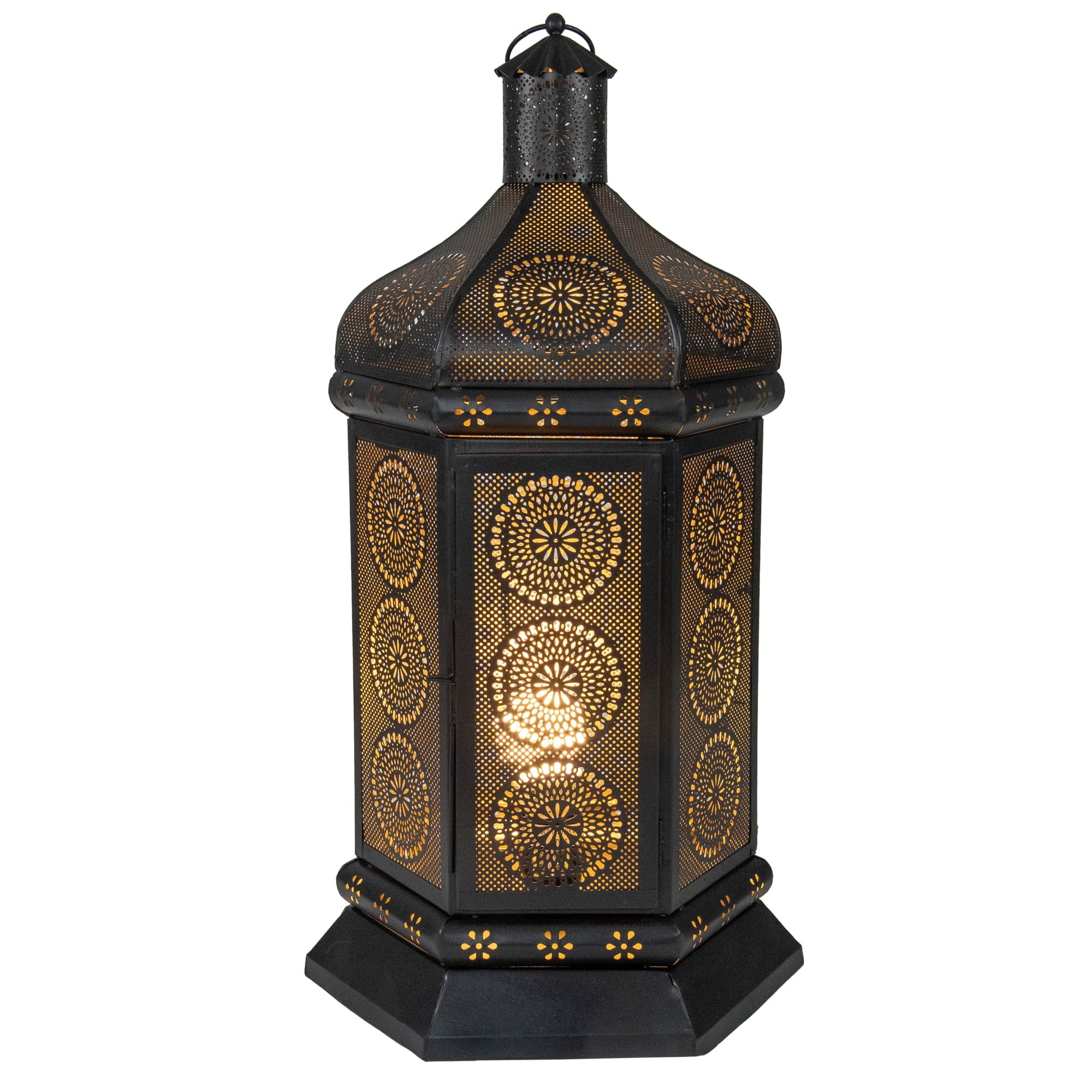
Lanterns can be categorized into several types based on their fuel source and design. Some common types include:
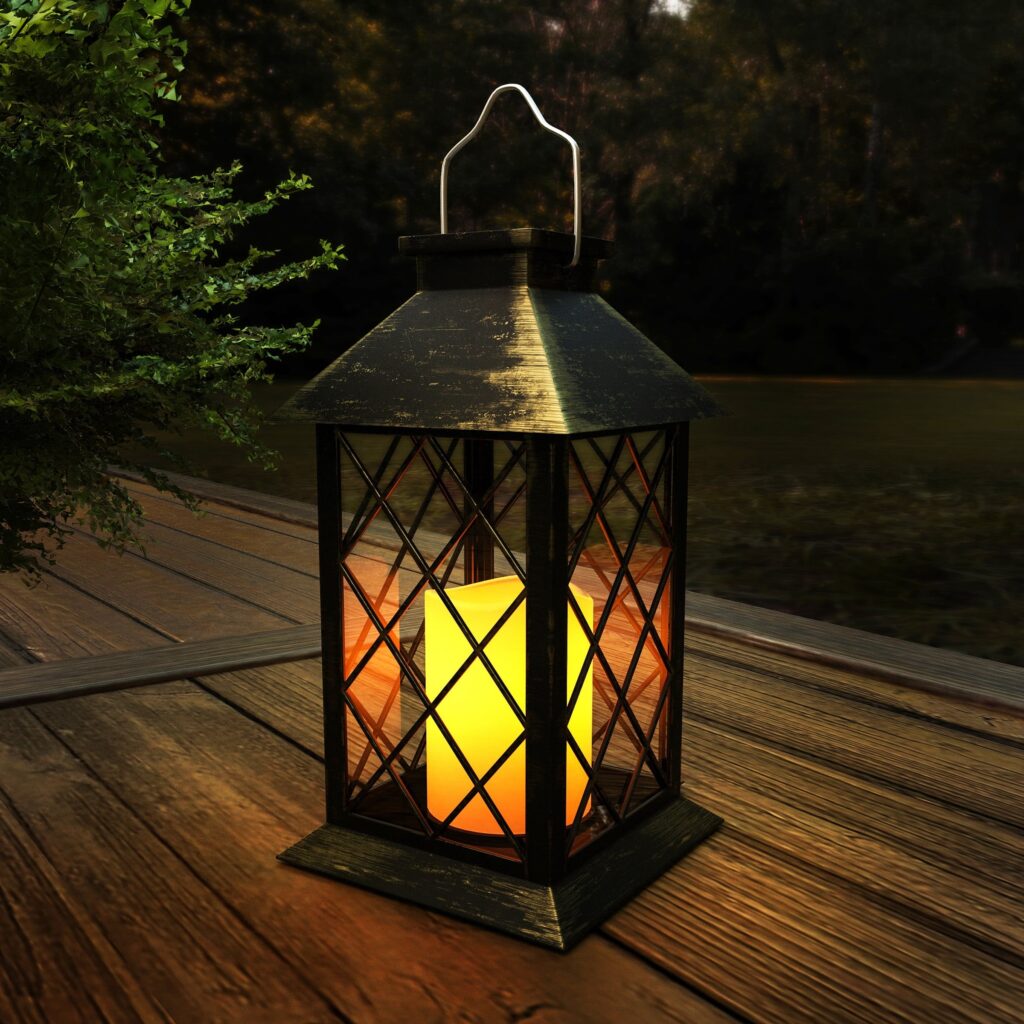
– Candle Lanterns: These lanterns house candles and are often used for outdoor gatherings or as decorative pieces indoors. They come in various designs, from rustic to modern, and can be used to create a romantic or festive atmosphere.
– Solar Lanterns: Utilizing solar panels, these lanterns charge during the day and provide light at night, making them eco-friendly options for outdoor lighting. Solar lanterns are particularly popular for camping and backyard parties, as they require no electricity and are easy to transport.
– Hurricane Lanterns: Designed to withstand strong winds, these lanterns are perfect for camping or outdoor events. Their sturdy construction and protective glass enclosures make them reliable sources of light in adverse weather conditions.
The Aesthetic Appeal of Lamps and Lanterns
Enhancing Interior Design
Lamps and lanterns play a crucial role in interior design. They not only provide necessary illumination but also serve as decorative elements that enhance the overall aesthetic of a space. A well-placed lamp can create a focal point in a room, while lanterns can add a touch of warmth and coziness. Designers often use lamps and lanterns to complement the color scheme and style of a room, choosing fixtures that harmonize with furniture and decor. For instance, a sleek modern lamp can add a contemporary touch to a minimalist space, while a vintage lantern can evoke a sense of nostalgia in a rustic setting.
Outdoor Ambiance
In outdoor settings, lanterns are often used to create inviting atmospheres. Whether hanging from trees at a garden party or lining a pathway, lanterns can transform an ordinary space into a magical environment. Their soft glow adds a romantic touch to evenings spent outdoors, making them perfect for celebrations, weddings, or simply enjoying a quiet night under the stars. Many people also use lanterns to enhance their landscaping, strategically placing them to highlight garden features or create a welcoming entrance to their home.
Practical Uses of Lamps and Lanterns
Functional Lighting
The primary purpose of lamps and lanterns is to provide light. They are essential in homes, offices, and public spaces, ensuring visibility and safety. Different types of lamps serve various functions, from task lighting for reading to ambient lighting for relaxation. In workspaces, adjustable desk lamps can help reduce eye strain, while floor lamps can brighten up dark corners of a room. Lanterns, particularly in outdoor settings, provide essential lighting for safety and navigation, helping to prevent accidents during nighttime activities.
Emergency Preparedness
Lamps and lanterns are also vital in emergency situations. During power outages, oil lamps and battery-operated lanterns can provide essential light. Having a reliable source of illumination is crucial for safety and comfort during unexpected events. Many households keep lanterns and flashlights readily available for emergencies, ensuring that they can navigate their homes safely in the dark. Additionally, lanterns are popular among campers and hikers, providing light in remote areas where electricity is unavailable.
Choosing the Right Lamp or Lantern
Consider the Space
When selecting a lamp or lantern, consider the space where it will be used. For larger rooms, floor lamps or pendant lights may be more appropriate, while smaller spaces can benefit from table lamps or wall sconces. The height and scale of the lamp should also be taken into account to ensure it fits well within the room’s proportions. For instance, a tall floor lamp can draw the eye upward in a room with high ceilings, while a small table lamp can create a cozy reading nook.
Style and Design
The style of the lamp or lantern should complement the existing decor. From modern minimalist designs to vintage-inspired pieces, there are countless options available. Choose a design that reflects your personal taste and enhances the overall aesthetic of the room. Mixing and matching different styles can also create an eclectic look, allowing for personal expression in your home decor. For example, pairing a contemporary lamp with antique furniture can create a unique and inviting atmosphere.
Functionality
Consider the functionality of the lamp or lantern. Do you need adjustable brightness? Is portability important? Understanding your needs will help you select the right lighting solution. Some lamps come with dimmer switches, allowing you to adjust the brightness according to the time of day or activity. Portable lanterns with rechargeable batteries can be convenient for outdoor use, while decorative lanterns with candles can add a charming touch to indoor spaces.
Maintenance and Care
Cleaning
Regular cleaning is essential to maintain the appearance and functionality of lamps and lanterns. Dust and dirt can accumulate on surfaces, affecting their performance and aesthetic appeal. Use a soft cloth to wipe down surfaces and ensure that glass components are free from smudges. For oil lamps, it’s important to clean the glass regularly to prevent soot buildup, which can obscure the light. Additionally, check for any signs of wear or damage, and replace parts as needed to keep your lamps and lanterns in good working condition.
Fuel Management
For oil lamps and lanterns, proper fuel management is crucial. Ensure that the fuel is filled to the appropriate level and that wicks are trimmed to prevent excessive smoke and soot. Regular maintenance will prolong the life of these lighting fixtures. It’s also important to store fuel in a safe, cool place away from direct sunlight to prevent degradation. For electric lamps, check the bulbs periodically and replace them when they burn out to ensure consistent lighting.
Conclusion
Lamps and lanterns are more than just sources of light; they are integral to our living spaces, enhancing both functionality and aesthetics. Whether you prefer the modern convenience of electric lamps or the nostalgic charm of oil lamps and lanterns, these lighting fixtures offer endless possibilities for creating inviting and beautiful environments. As we continue to innovate in lighting design, the timeless appeal of lamps and lanterns will undoubtedly remain a cherished aspect of our homes.
How to purchase:https://looperbuy.com/search?keywords=Lamps+and+Lanterns
Frequently Asked Questions
1. What are the main differences between lamps and lanterns?
Lamps are typically stationary lighting fixtures that can be electric or oil-based, while lanterns are portable light sources that often use candles or oil and are designed for outdoor use.
2. How do I choose the right lamp for my living room?
Consider the size of the room, the existing decor style, and the type of lighting you need (ambient, task, or accent) when selecting a lamp.
3. Are solar lanterns effective for outdoor lighting?
Yes, solar lanterns are effective for outdoor lighting as they charge during the day and provide illumination at night, making them eco-friendly and cost-effective.
4. Can I use oil lamps indoors?
Yes, oil lamps can be used indoors, but ensure proper ventilation and safety measures to prevent fire hazards.
5. What maintenance do lamps and lanterns require?
Regular cleaning, fuel management for oil lamps, and checking electrical components for electric lamps are essential for maintenance.