In today’s fast-paced world, the humble journal notebook has emerged as a versatile tool that transcends mere writing. It serves as a canvas for creativity, a planner for organization, and a sanctuary for self-reflection. This article delves into the multifaceted uses of a journal notebook in daily life, exploring how it can enhance productivity, foster creativity, and promote mental well-being.
Table of Contents
The Journal Notebook: A Brief Overview
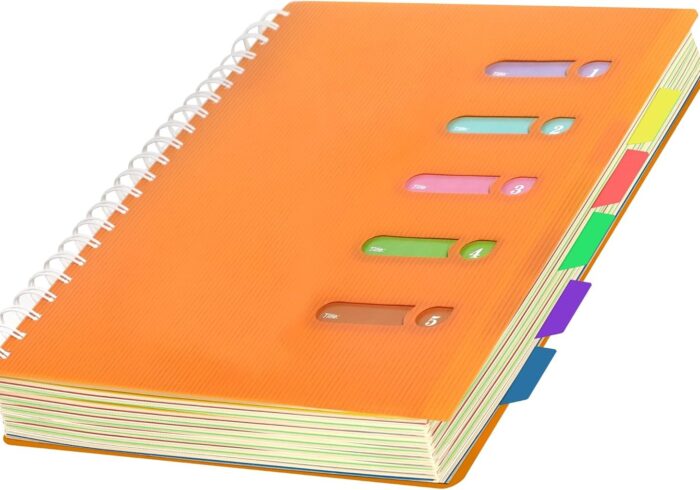
A journal notebook is more than just a collection of blank pages; it is a personal space where thoughts, ideas, and emotions can be expressed freely. Available in various sizes, styles, and formats, these notebooks cater to different preferences and needs. Whether you prefer lined, dotted, or blank pages, the right journal can become an indispensable part of your daily routine. The tactile experience of writing on paper can also enhance the connection between the writer and their thoughts, making the act of journaling a more intimate and fulfilling experience.
1. Creative Expression
1.1 Art and Doodling
One of the most enjoyable uses of a journal notebook is for artistic expression. Many people use their journals to sketch, doodle, or paint. This creative outlet can be therapeutic, allowing individuals to unwind and explore their artistic side without the pressure of perfection. The freedom to create without constraints can lead to unexpected discoveries and innovations in one’s artistic style. Additionally, incorporating colors, textures, and various mediums can transform a simple notebook into a vibrant portfolio of personal expression.
1.2 Writing Poetry and Stories
For aspiring writers, a journal notebook serves as a private space to jot down poetry, short stories, or even novel ideas. The freedom to write without judgment encourages creativity and can lead to the development of unique narratives and characters. Many famous authors have credited their journals as the birthplace of their most cherished works. By regularly writing in a journal, writers can refine their voice, experiment with different styles, and capture fleeting ideas that might otherwise be lost.
2. Organization and Planning
2.1 Daily To-Do Lists
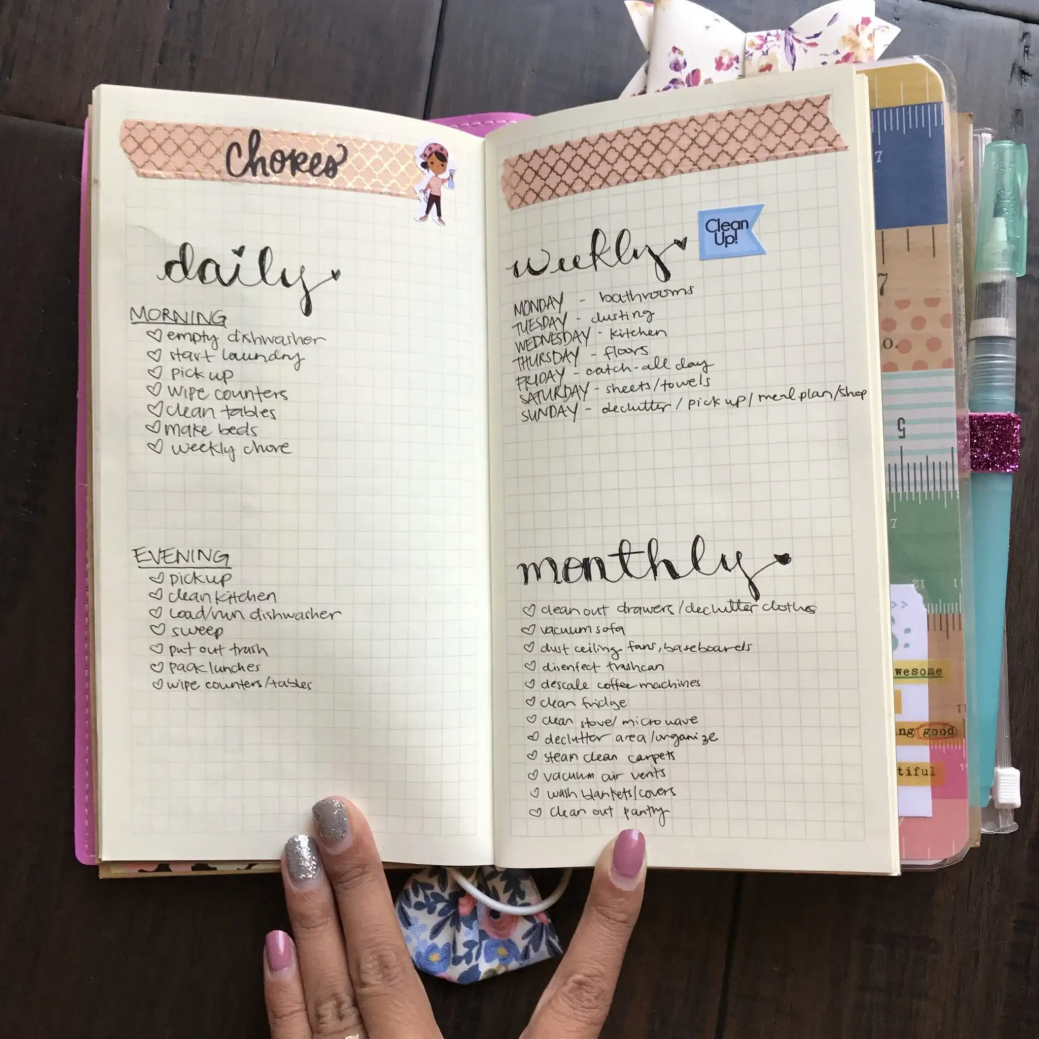
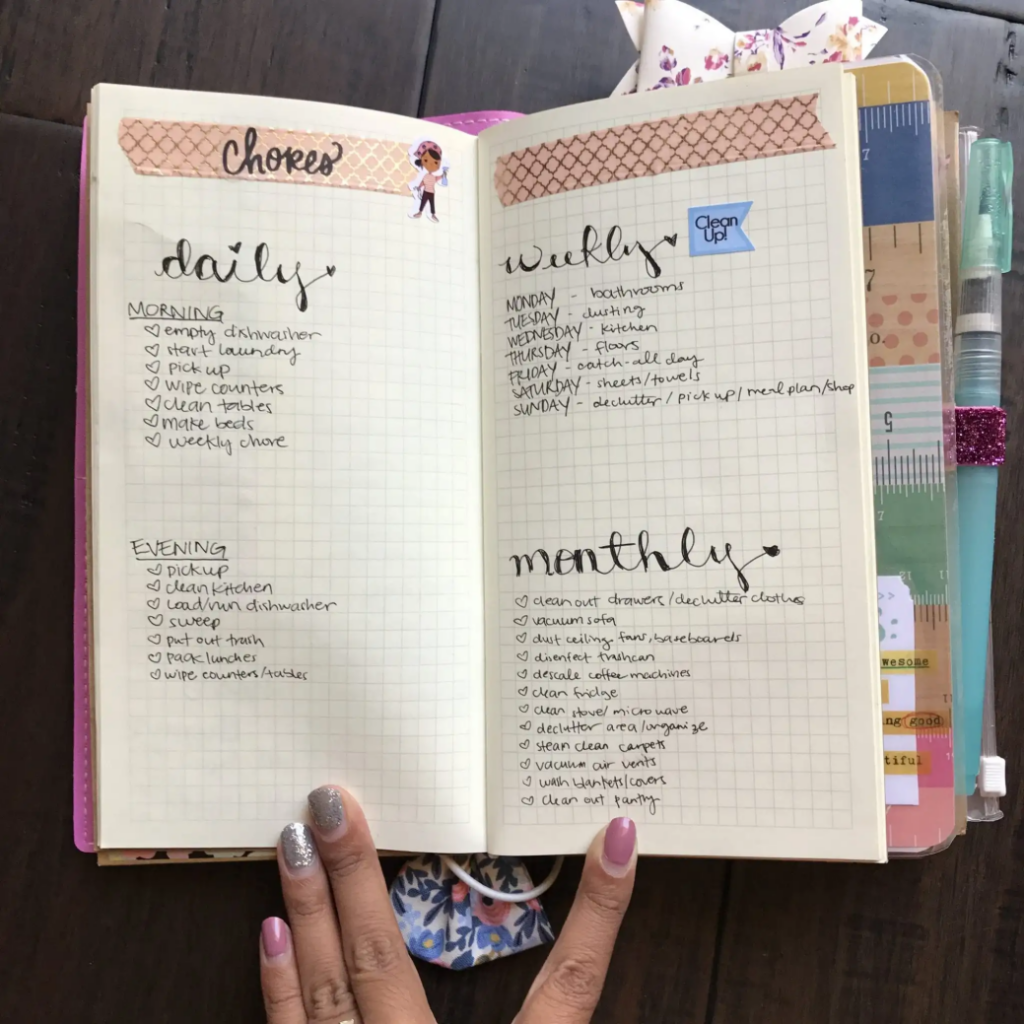
A journal notebook is an excellent tool for organizing daily tasks. By creating to-do lists, individuals can prioritize their responsibilities and track their progress throughout the day. This practice not only enhances productivity but also provides a sense of accomplishment as tasks are completed. The act of physically crossing off completed tasks can be satisfying and motivating, reinforcing positive habits and encouraging individuals to stay organized.
2.2 Goal Setting
Setting goals is crucial for personal and professional growth. A journal notebook can be used to outline short-term and long-term goals, breaking them down into actionable steps. Regularly reviewing these goals can help maintain focus and motivation. By documenting progress and reflecting on achievements, individuals can gain insights into their journey, adjust their strategies, and celebrate milestones along the way. This structured approach to goal setting can lead to greater success and fulfillment in various aspects of life.
3. Self-Reflection and Personal Growth
3.1 Journaling for Mental Health
Many people find journaling to be a powerful tool for mental health. Writing about daily experiences, emotions, and challenges can provide clarity and insight. This practice can help individuals process their feelings, reduce stress, and improve overall well-being. Journaling allows for a safe space to explore difficult emotions, fostering self-compassion and understanding. Over time, individuals may notice patterns in their thoughts and behaviors, leading to greater self-awareness and personal growth.
3.2 Gratitude Journaling
Gratitude journaling involves writing down things you are thankful for each day. This simple practice can shift your mindset, fostering positivity and appreciation for the little things in life. Over time, it can lead to improved mental health and a more optimistic outlook. By focusing on the positive aspects of life, individuals can cultivate resilience and enhance their overall happiness. This practice can also serve as a reminder during challenging times, helping individuals to maintain perspective and find joy in everyday moments.
4. Learning and Development
4.1 Note-Taking
A journal notebook is ideal for taking notes during lectures, meetings, or while reading. This method of active engagement helps reinforce learning and retention of information. Additionally, organizing notes in a journal can make reviewing material easier. By summarizing key points and reflecting on their significance, individuals can deepen their understanding of the subject matter. This active approach to note-taking can lead to more effective study habits and improved academic performance.
4.2 Skill Development
Whether learning a new language, instrument, or hobby, a journal notebook can be used to track progress and jot down important lessons. This reflective practice can enhance the learning experience and motivate individuals to continue developing their skills. By documenting challenges and breakthroughs, learners can identify areas for improvement and celebrate their achievements. This ongoing reflection can foster a growth mindset, encouraging individuals to embrace challenges and persist in their pursuits.
5. Travel and Adventure
5.1 Travel Journals
For those who love to travel, a journal notebook can serve as a travel diary. Documenting experiences, thoughts, and observations during trips can create lasting memories. Including sketches, ticket stubs, and photographs can turn a simple notebook into a cherished keepsake. By capturing the essence of each journey, travelers can relive their adventures and share their stories with others. This practice not only enhances the travel experience but also encourages mindfulness and appreciation for the world around us.
5.2 Adventure Planning
Planning an adventure or trip can be overwhelming, but a journal notebook can help streamline the process. From creating itineraries to listing must-see attractions, having all the information in one place can make travel planning more enjoyable and less stressful. By organizing travel details, individuals can ensure they make the most of their time and resources. This proactive approach can lead to more fulfilling and memorable experiences, allowing travelers to focus on enjoying their adventures.
6. Mindfulness and Meditation
6.1 Mindfulness Journaling
Mindfulness journaling involves writing about your thoughts and feelings in the present moment. This practice can enhance self-awareness and promote a deeper understanding of your emotions. It encourages individuals to slow down and reflect, fostering a sense of calm. By regularly engaging in mindfulness journaling, individuals can develop a greater appreciation for their experiences and cultivate a more balanced perspective on life.
6.2 Meditation Notes
After meditation sessions, many people find it helpful to jot down insights or feelings that arose during practice. This can deepen the meditation experience and provide a reference for future sessions. By reflecting on these insights, individuals can integrate the lessons learned into their daily lives, enhancing their overall well-being. This practice can also serve as a reminder of the benefits of meditation, encouraging individuals to maintain a consistent practice.
7. Social Connections
7.1 Letter Writing
In an age dominated by digital communication, writing letters in a journal notebook can be a heartfelt way to connect with friends and family. Handwritten letters carry a personal touch that can strengthen relationships and create lasting memories. By taking the time to express thoughts and feelings in writing, individuals can foster deeper connections and show appreciation for their loved ones. This practice can also serve as a meaningful way to celebrate special occasions or offer support during difficult times.
7.2 Collaborative Journals
Some individuals choose to share a journal with a friend or partner, allowing both parties to contribute thoughts, drawings, or reflections. This collaborative approach can enhance communication and deepen connections. By sharing a journal, individuals can create a shared narrative that reflects their relationship, fostering intimacy and understanding. This practice can also serve as a creative outlet for both parties, encouraging collaboration and exploration of new ideas.
Conclusion
The journal notebook is a versatile tool that can enrich various aspects of daily life. From fostering creativity and organization to promoting mental well-being and social connections, its uses are as diverse as the individuals who utilize them. By incorporating a journal notebook into your routine, you can unlock new opportunities for self-expression, growth, and connection. Embracing the multifaceted nature of journaling can lead to a more fulfilling and enriched life, allowing you to navigate the complexities of daily existence with greater ease and joy.
How to purchase:https://looperbuy.com/search?keywords=journal+notebook
Frequently Asked Questions
1. What type of journal notebook is best for beginners?
A lined or dotted journal notebook is often recommended for beginners, as it provides structure while allowing for creativity.
2. How can I start a gratitude journal?
Begin by setting aside a few minutes each day to write down three things you are grateful for. Over time, this practice can help shift your mindset towards positivity.
3. Can journaling help with stress management?
Yes, journaling can be an effective tool for managing stress. Writing about your feelings and experiences can provide clarity and help you process emotions.
4. What should I include in a travel journal?
Include details about your experiences, thoughts, and feelings during your travels. You can also add sketches, ticket stubs, and photographs to make it more personal.
5. How often should I write in my journal?
There is no set frequency; it depends on your personal preference. Some people write daily, while others may write weekly or whenever they feel inspired.