Table of Contents
Introduction to Italy’s Athletic Wear Industry
Italy is synonymous with craftsmanship, innovation, and luxury, and its athletic wear industry is no exception. From high-performance sportswear to fashion-forward activewear, Italian manufacturers blend technical expertise with timeless design. For B2B buyers, sourcing athletic wear from Italy offers access to premium materials, ethical production, and cutting-edge trends. However, navigating this market requires understanding regional specialties, compliance standards, and cultural nuances. This guide provides actionable strategies to identify reliable suppliers, optimize costs, and capitalize on Italy’s reputation for excellence.
Key Categories of Italian Athletic Wear
High-Performance Sportswear
- Technical Fabrics: Moisture-wicking, breathable materials like Coolmax and Thermore for running, cycling, and outdoor sports.
- Compression Gear: Muscle-supportive apparel made from elastane blends, popular among athletes and fitness enthusiasts.
Fashion-Forward Activewear
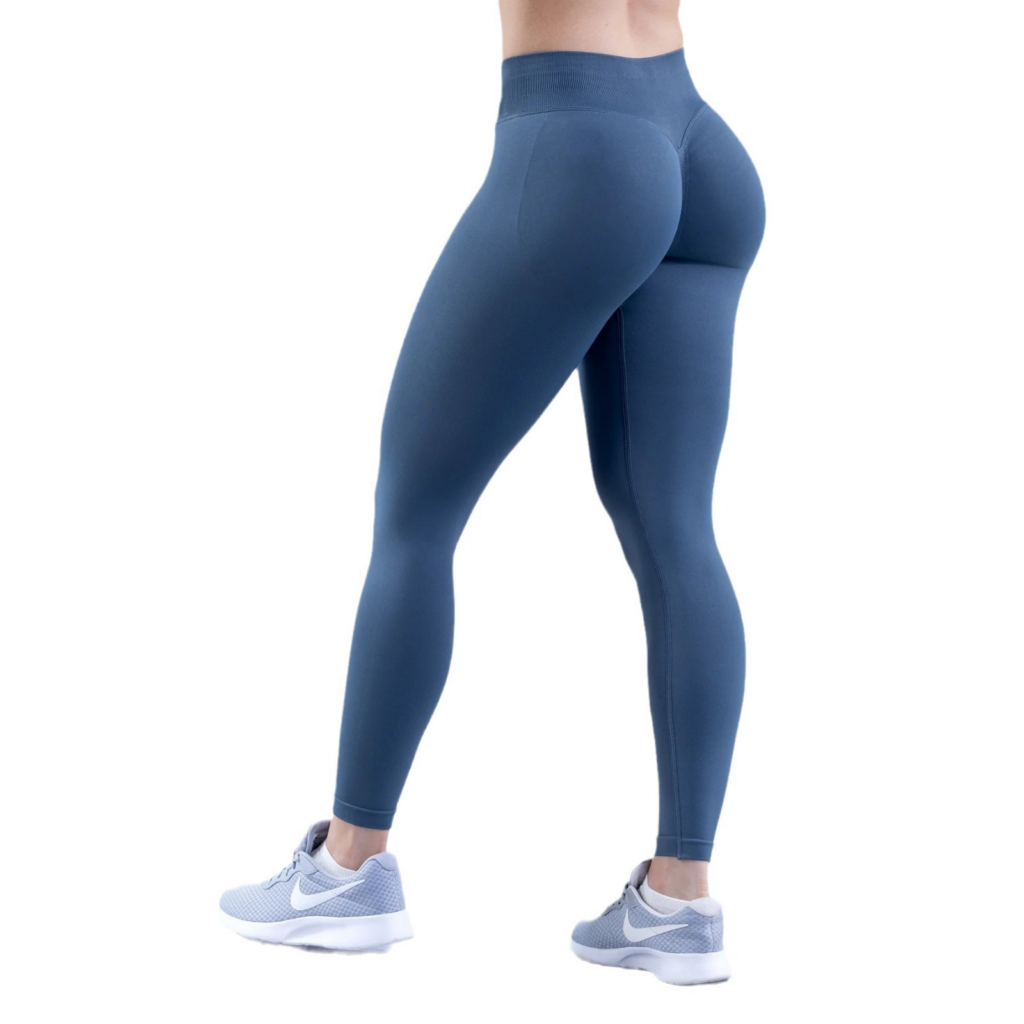
- Luxury Leggings: Seamless designs with laser-cut details from brands like Liu Jo Sport and Fila.
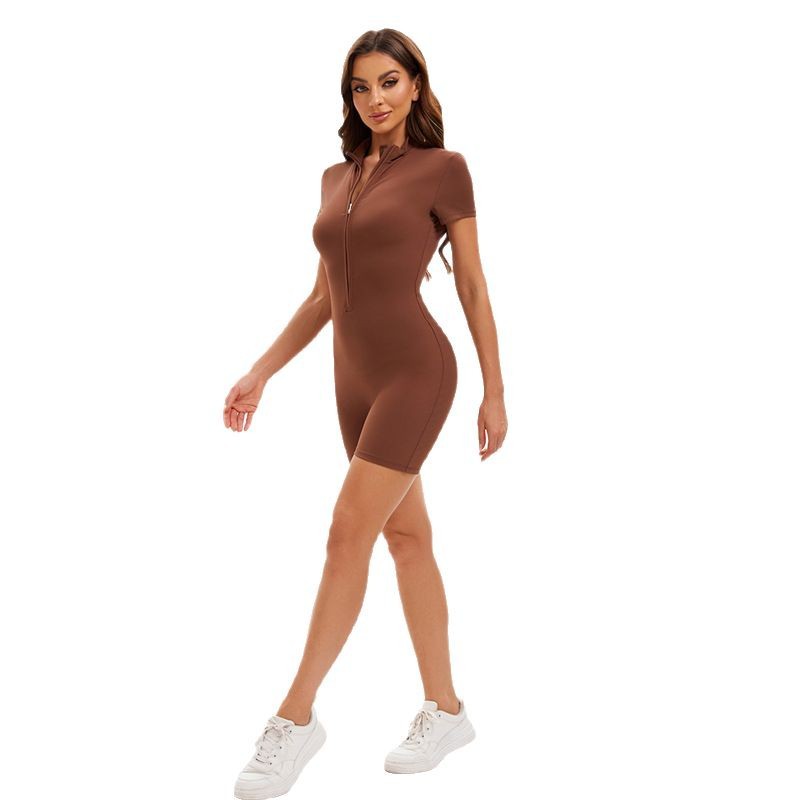
- Hybrid Apparel: Versatile pieces that transition from gym to streetwear, featuring bold prints and Italian tailoring.
Sustainable Collections
- Recycled Polyester: Eco-friendly fabrics made from post-consumer plastics.
- Organic Cotton: GOTS-certified materials for low-impact yoga and loungewear.
Strategies for Identifying Reliable Suppliers
Supplier Verification
- Certifications: Prioritize suppliers with ISO 9001 (quality management), ISO 14001 (environmental compliance), or SA8000 (ethical labor practices).
- Factory Audits: Conduct onsite visits to inspect production facilities, machinery, and working conditions. For example, check if compression gear factories use seamless knitting technology.
- Sample Testing: Request fabric swatches and finished products to assess durability, stretch recovery, and colorfastness.
Cost Optimization
- Bulk Discounts: Negotiate tiered pricing for orders exceeding 1,000 units. Many Italian suppliers offer 10–15% discounts for long-term partnerships.
- Material Alternatives: Opt for blended fabrics (e.g., recycled polyester-spandex) to reduce costs without compromising performance.
- Local Incentives: Leverage tax breaks or grants offered by regions like Lombardy or Veneto for sustainable production initiatives.
Logistics and Compliance
- DDP Shipping: Choose Delivered Duty Paid terms to simplify customs clearance. Suppliers handle EU export formalities and tariffs.
- Labeling Compliance: Ensure garments meet EU regulations, including fiber content labels and CE marking for protective gear.
Regional Manufacturing Hubs
Northern Italy (Lombardy, Veneto)
- Technical Innovation: Hubs like Bergamo and Treviso specialize in advanced sportswear fabrics and seamless knitting technology.
- Luxury Activewear: Milan-based brands integrate fashion and function, catering to high-end markets.
Central Italy (Tuscany, Emilia-Romagna)
- Sustainable Production: Factories in Prato and Bologna focus on recycled textiles and zero-waste dyeing processes.
- Artisanal Craftsmanship: Hand-finished details on premium yoga and pilates wear.
Southern Italy (Campania, Puglia)
- Cost-Effective Labor: Smaller factories in Naples and Bari offer competitive pricing for mid-range activewear.
Common Challenges and Solutions
Quality Control
- Fabric Defects: Irregular knitting or dye bleeding in compression wear. Solution: Enforce strict quality benchmarks and approve pre-production samples.
- Sizing Inconsistencies: Variations in EU sizing standards. Solution: Provide detailed tech packs with measurement tolerances (e.g., ±0.5cm).
Ethical and Environmental Concerns
- Greenwashing: False claims about sustainability. Solution: Partner with suppliers certified by Global Recycled Standard (GRS) or OEKO-TEX.
- Labor Shortages: Skilled worker deficits in artisanal regions. Solution: Collaborate with factories investing in automation and employee training.
Logistical Hurdles
- Shipping Delays: Customs inspections or port strikes. Solution: Diversify carriers and use air freight for urgent orders.
- Tariffs for Non-EU Buyers: High import duties on Italian goods in markets like the U.S. Solution: Utilize bonded warehouses or negotiate CIF (Cost, Insurance, Freight) terms.
Future Trends in Italian Athletic Wear
Technology Integration
- Smart Fabrics: Apparel with embedded sensors to monitor heart rate, muscle activity, and hydration levels.
- 3D Knitting: Custom-fit activewear produced on-demand, reducing waste.
Sustainability Innovations
- Circular Fashion: Take-back programs to recycle old garments into new collections.
- Carbon-Neutral Production: Factories in Turin and Verona adopt solar energy and carbon offset initiatives.
Market Expansion
- Inclusive Sizing: Extended size ranges catering to diverse body types.
- Men’s Activewear: Growing demand for premium men’s training gear and athleisure.
Conclusion
Sourcing athletic wear from Italy offers B2B buyers a competitive edge through premium quality, innovation, and sustainability. Success requires meticulous supplier verification, adaptive logistics planning, and alignment with trends like smart fabrics and circular fashion. By prioritizing certified partners, negotiating strategically, and embracing ethical practices, businesses can build resilient, future-ready supply chains that honor Italy’s legacy of craftsmanship.
How to Purchase:https://looperbuy.com/search?keywords=Italy+Athletic+Wear+B2B+sourcing
Related Questions & Answers
· How do I verify a supplier’s sustainability claims?
Request certifications like GRS or OEKO-TEX, and review third-party audit reports from agencies like SGS.
· What is the average MOQ for Italian athletic wear suppliers?
MOQs typically range from 500–1,000 units per design, though some artisanal factories may require 2,000+ units.
· How can I reduce import tariffs on Italian activewear?
Use bonded warehouses in the EU or source from suppliers registered in free trade zones like Livigno.
· Are there Italian suppliers specializing in plus-size activewear? Yes. Brands like Yamamay and Calzedonia offer extended sizing with tailored fits.
· Can I request custom fabric blends from Italian manufacturers?
Most OEM/ODM suppliers accept custom orders. Provide technical specifications or collaborate with their R&D teams.
Hot Tags: Italian Sportswear Suppliers; Sustainable Activewear Manufacturers; B2B Athletic Wear Sourcing; EU Compliance Standards; Luxury Activewear Brands; Circular Fashion Italy; Smart Fabric Technology; OEM Sportswear Production; Ethical Manufacturing Italy.