Table of Contents
Introduction
In the rapidly evolving world of smartphones, charging cables are often overlooked yet crucial components of our daily tech interactions. With Samsung’s Galaxy S series continuing to innovate, many users are left wondering about the compatibility and differences between charging cables of different models. This article delves into the question: Is the Galaxy S10 charging cable the same as the S24 cable? We’ll explore specifications, compatibility, charging speeds, and more to provide a clear understanding for users of both devices.
Understanding Charging Cable Basics
The Role of Charging Cables
Charging cables serve as the bridge between your power source and your device. They not only facilitate the transfer of electrical power to charge your battery but also enable data transfer between your smartphone and other devices. The efficiency and speed of charging are significantly influenced by the cable’s specifications and compatibility with the device’s charging technology.
Key Specifications of Charging Cables
- Material and Durability: Modern charging cables are designed to withstand daily wear and tear. Materials like braided nylon are commonly used to enhance durability and prevent tangling.
- Connector Type: The physical connector at the end of the cable must be compatible with the smartphone’s charging port. For both Galaxy S10 and S24, this is a USB-C connector.
- Charging Speed: Determined by the cable’s ability to handle electrical current, measured in amps (A). Higher amperage cables can potentially deliver faster charging speeds, provided the device and charger support it.
- Data Transfer Capabilities: Some cables support high-speed data transfer, which is essential for tasks like transferring large files between devices.
Galaxy S10 Charging Cable Specifications
The Galaxy S10, released in 2019, came with a USB-C charging cable. This cable was designed to support the phone’s fast charging capabilities, which at the time were quite advanced. The cable’s specifications align with the charging technology available for the S10, allowing users to experience faster charging times compared to previous models.
Compatibility with Other Devices
One of the advantages of the USB-C standard is its wide compatibility across various devices. The S10’s charging cable can be used with other smartphones, tablets, and even some laptops that support USB-C charging. This versatility makes the cable a convenient accessory to have for multiple devices.
Galaxy S24 Charging Cable Specifications
The Galaxy S24, being a newer model released in 2024, also utilizes a USB-C charging cable. However, advancements in charging technology mean that the S24 supports faster charging speeds than the S10. The cable included with the S24 is designed to meet these higher standards, supporting the phone’s enhanced charging capabilities.
Enhanced Charging Speeds
The S24’s charging cable is engineered to handle higher power delivery, allowing for quicker battery charging. This is particularly beneficial for users who need to quickly top up their devices during busy days. The cable’s compatibility with the latest charging protocols ensures that it can take full advantage of the S24’s charging potential.
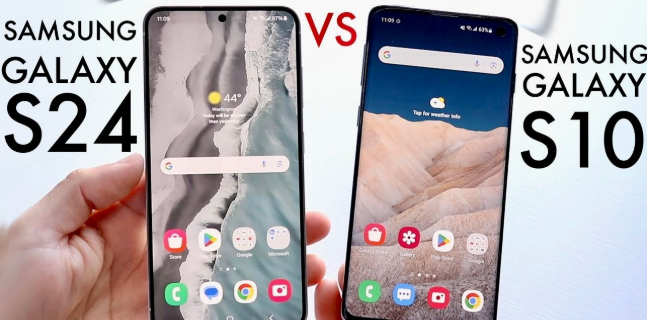
Comparing S10 and S24 Charging Cables
Physical and Electrical Specifications
Both cables share the USB-C connector type, ensuring physical compatibility with their respective devices. However, the S24’s cable is built to support higher charging speeds, which may not be fully utilized when connected to the S10 due to the latter’s charging limitations.
Charging Performance Differences
When using the S24 cable with the S10, you may not notice a significant difference in charging speed, as the S10’s charging hardware dictates the maximum charging rate. Conversely, using the S10 cable with the S24 might limit the S24’s ability to charge at its fastest potential, as the cable may not support the higher power delivery required.
Charging Cable Compatibility Across Samsung Devices
Samsung has made strides in standardizing charging solutions across its device lineup. The USB-C interface has become the norm, allowing for a degree of compatibility between different models. However, to fully leverage the charging capabilities of each device, it’s recommended to use the cable specifically designed for that model.
Backward and Forward Compatibility
Older cables like the one from the S10 can be used with newer devices like the S24 for basic charging functions, but they may not support the latest fast charging features. Similarly, newer cables can be used with older devices, but the charging speed will be capped at the older device’s maximum charging capacity.
Third-Party Charging Cables: Options and Considerations
The market is flooded with third-party charging cables that claim compatibility with Samsung devices. While many offer good value and performance, it’s essential to choose cables that meet the necessary standards and certifications to ensure safety and optimal performance.
Certifications and Standards
Look for cables certified by organizations like USB-IF (USB Implementers Forum) or those that meet safety standards like UL (Underwriters Laboratories) certification. These certifications ensure that the cable meets specific electrical and safety requirements, reducing the risk of damage to your device or potential hazards.
Performance and Value
When selecting a third-party cable, consider both performance and value. Some cables offer enhanced durability with features like braided exteriors, while others focus on ultra-high-speed data transfer or charging. Assess your needs and choose a cable that balances these features with a reasonable price point.
Future of Charging Cables: Trends and Innovations
As technology continues to advance, charging cables are evolving to meet the demands of faster charging and more efficient power delivery. Future innovations may include even higher power ratings, improved durability, and enhanced data transfer capabilities.
Higher Power Delivery Standards
With the increasing demand for faster charging, we can expect charging cables to support higher power delivery standards. This will enable devices to charge more quickly, reducing downtime and keeping users connected throughout their day.
Sustainable Materials and Eco-Friendly Designs
There’s a growing emphasis on sustainability in tech manufacturing. Future charging cables may incorporate eco-friendly materials and designs that minimize environmental impact, aligning with the broader push for greener technology.
Conclusion
While the Galaxy S10 and S24 charging cables share the USB-C connector type, ensuring basic compatibility, their charging performances differ due to advancements in charging technology. The S24 cable is designed to support faster charging speeds, which may not be fully realized when used with the S10. Conversely, the S10 cable can be used with the S24 but may limit its charging potential. For optimal performance, it’s advisable to use the cable specifically designed for each device. As charging technology continues to evolve, staying informed about these advancements can help users make the most of their devices’ charging capabilities.
How to Purchase:https://looperbuy.com/search?keywords=galaxy+s10+charging+cable
Frequently Asked Questions
Q: Can I use the Galaxy S10 charging cable with the S24?
A: Yes, you can use the Galaxy S10 charging cable with the S24 for basic charging. However, you may not achieve the fastest charging speeds the S24 is capable of, as the S10 cable may not support the higher power delivery required.
Q: Will the S24 charging cable damage my S10?
A: No, the S24 charging cable will not damage your S10. It can be used for charging, but the S10’s charging hardware will limit the charging speed to its maximum capacity, which is lower than what the S24 cable can support.
Q: Are third-party cables safe to use with Samsung devices?
A: Third-party cables can be safe and effective if they meet the necessary certifications and standards. Look for cables with certifications like USB-IF or UL to ensure they meet safety and performance requirements.
Q: How can I determine the charging speed of a cable?
A: The charging speed of a cable is determined by its amperage rating and compatibility with charging protocols. Higher amperage cables (like 3A or 5A) can potentially deliver faster charging speeds, provided the device and charger support these rates.
Q: Are there any disadvantages to using a lower-rated cable with a newer device?
A: The primary disadvantage is that you may not achieve the fastest charging speeds your newer device is capable of. The device will still charge, but it will do so at the slower rate dictated by the cable’s limitations.