Table of Contents
Introduction: Why Wait Hours When You Can Charge in Minutes?
In a world where smartphones, laptops, and even electric toothbrushes demand constant power, the humble charging cable has evolved from a simple wire to a critical tool for modern life. Enter the fast charging cable—a specialized accessory designed to slash charging times from hours to minutes. Whether you’re a busy professional racing to catch a flight, a parent juggling toddler meltdowns, or a traveler navigating foreign airports, fast charging cables have become a lifeline for staying connected. But what makes these cables “fast”? How do they work, and why are they worth the investment? This article dives into the technology, applications, and practical tips to help you understand and choose the right fast charging cable for your needs.
What Is a Fast Charging Cable? Beyond the Basics
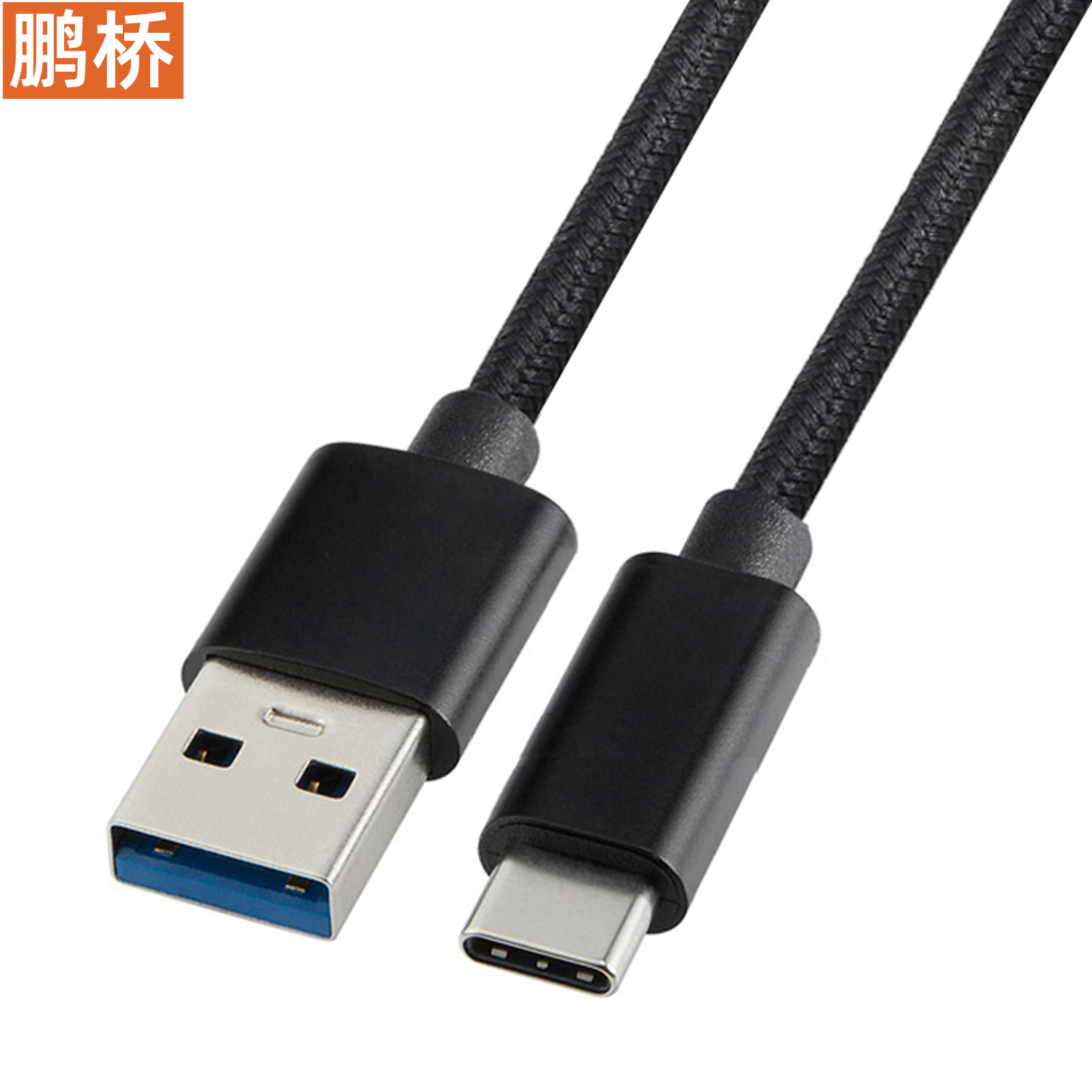
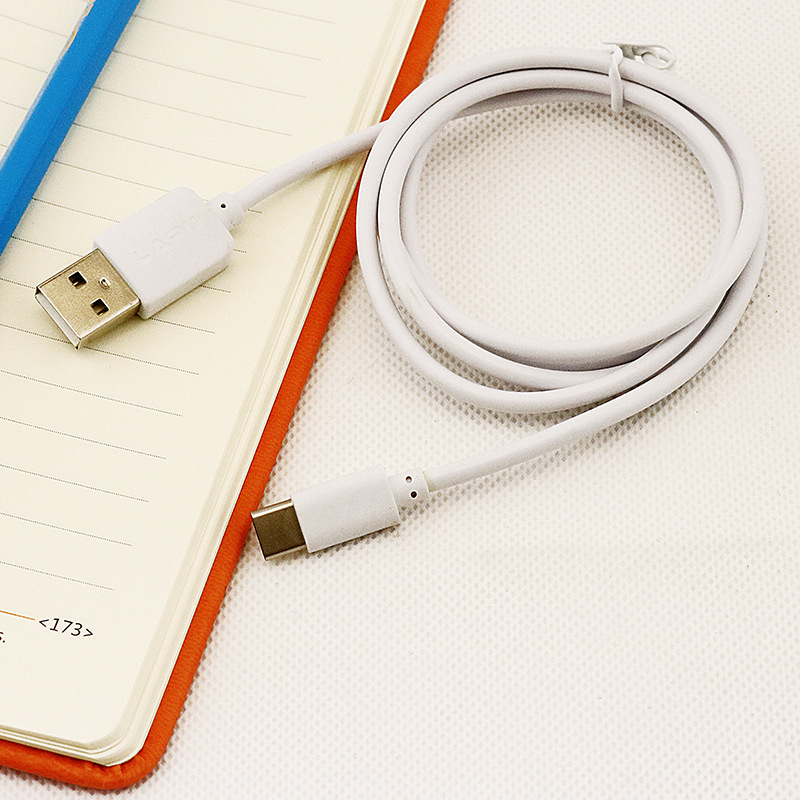
At its core, a fast charging cable is a high-power transmission wire engineered to deliver energy to devices at speeds far beyond traditional charging cables. While standard USB-A or USB-C cables typically max out at 10–15W (5V/2A or 5V/3A), fast charging cables are built to handle higher voltages (up to 20V or more) and larger currents (up to 5A or higher), depending on the device and charger. This allows devices to recharge in minutes instead of hours—for example, a 4,000mAh smartphone battery can jump from 0–50% in just 15–20 minutes with a fast charging cable.
Key Components That Define “Fast Charging”
- Advanced Power Protocols: Fast charging relies on industry-standard protocols like USB Power Delivery (USB PD) or Qualcomm Quick Charge (QC), which negotiate the optimal voltage and current between the charger, cable, and device.
- Thicker Gauge Wires: Unlike standard cables (often 30AWG), fast charging cables use thicker wires (e.g., 28AWG or lower) to reduce electrical resistance, minimizing heat buildup and energy loss.
- Durable Materials: Reinforced insulation, braided exteriors, and TPE jackets protect against fraying, bending, and environmental damage—critical for daily use.
- Smart Safety Features: Built-in safeguards (overcharge protection, temperature monitoring) prevent damage to both the cable and device.
The Science of Fast Charging: How Cables Enable Rapid Recharging
Fast charging isn’t just about “pushing more power”—it’s about intelligent energy delivery. Here’s how the technology works:
1. Protocol Negotiation: Matching Voltage and Current
Modern devices and chargers communicate via protocols like USB PD or QC to determine the safest and most efficient way to transfer power. For example:
- A smartphone with a 4,000mAh battery might request 9V/2A (18W) from a USB PD charger. The fast charging cable, designed to handle this load, delivers the energy without overheating.
- Qualcomm Quick Charge-enabled devices (e.g., many Android phones) use a proprietary protocol that negotiates up to 120W of power, enabling ultra-fast charging in minutes.
2. Reduced Resistance: Thicker Wires for Efficient Energy Flow
Electrical resistance is the enemy of fast charging—thinner wires (common in standard cables) create more resistance, wasting energy as heat and limiting current flow. Fast charging cables solve this with:
- Lower AWG Wires: Thicker wires (e.g., 28AWG) have lower resistance, allowing more current to reach the device.
- High-Quality Conductors: Materials like copper or tinned copper ensure minimal energy loss, even at high currents.
3. Heat Management: Preventing Damage
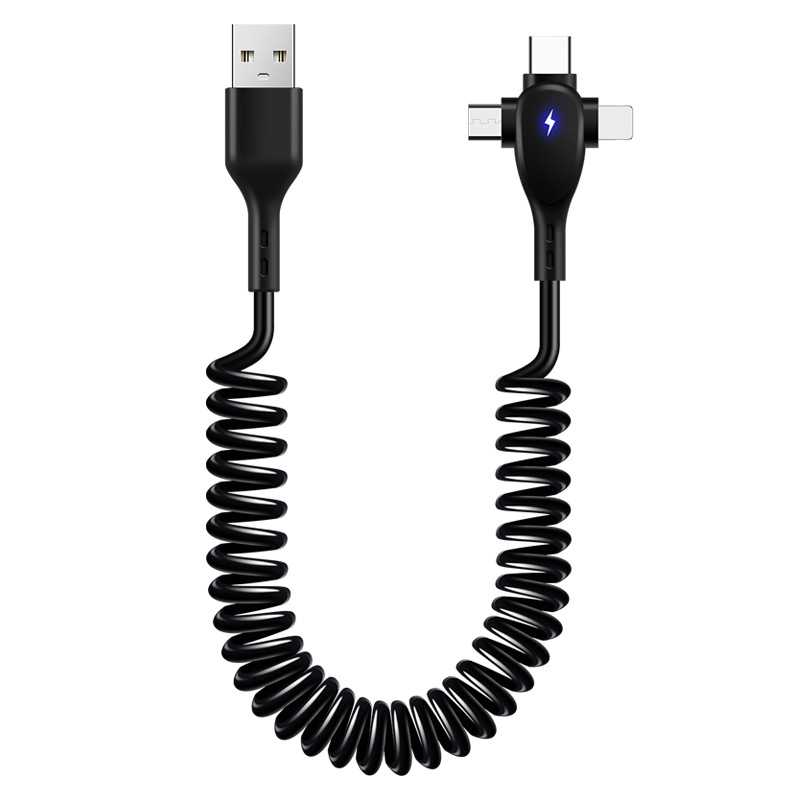
Fast charging generates more heat than standard charging, which can damage cables or devices if not managed. High-end fast charging cables include:
- Heat-Resistant Materials: TPE (thermoplastic elastomer) or braided nylon jackets dissipate heat.
- Reinforced Connectors: Reinforced pins in USB-C connectors prevent bending or breaking under repeated use.
Where Fast Charging Cables Shine: Common Use Cases
These cables are more than just a convenience—they’re a game-changer for anyone needing quick power. Here are their most common applications:
1. Smartphones and Tablets: Recharge on the Go
Most modern phones (e.g., iPhones, Samsung Galaxy S-series, Google Pixels) support fast charging via USB-C or Lightning (with adapters). A fast charging cable can:
- Recharge a 4,000mAh battery from 0–50% in 15–20 minutes.
- Top up a tablet (e.g., iPad Pro) from 20–80% in under an hour.
2. Laptops and Ultrabooks: Power Up in Half the Time
Laptops, once reliant on bulky AC adapters, now use USB-C for fast charging. With a fast charging cable:
- A MacBook Air (61Wh battery) can charge from 0–50% in ~30 minutes.
- A Dell XPS 13 (54Wh battery) reaches 80% charge in under an hour.
3. Wireless Chargers and Accessories: Speed Up Accessory Charging
Even wireless chargers and earbuds benefit from fast charging cables. For example:
- A fast charging USB-C cable can power a wireless charging pad, enabling phones to charge 20% faster than with a standard cable.
- True wireless earbuds (e.g., AirPods Pro) use fast charging cases that recharge in 5 minutes for 1 hour of listening.
4. Emergency Charging: Staying Connected When It Matters
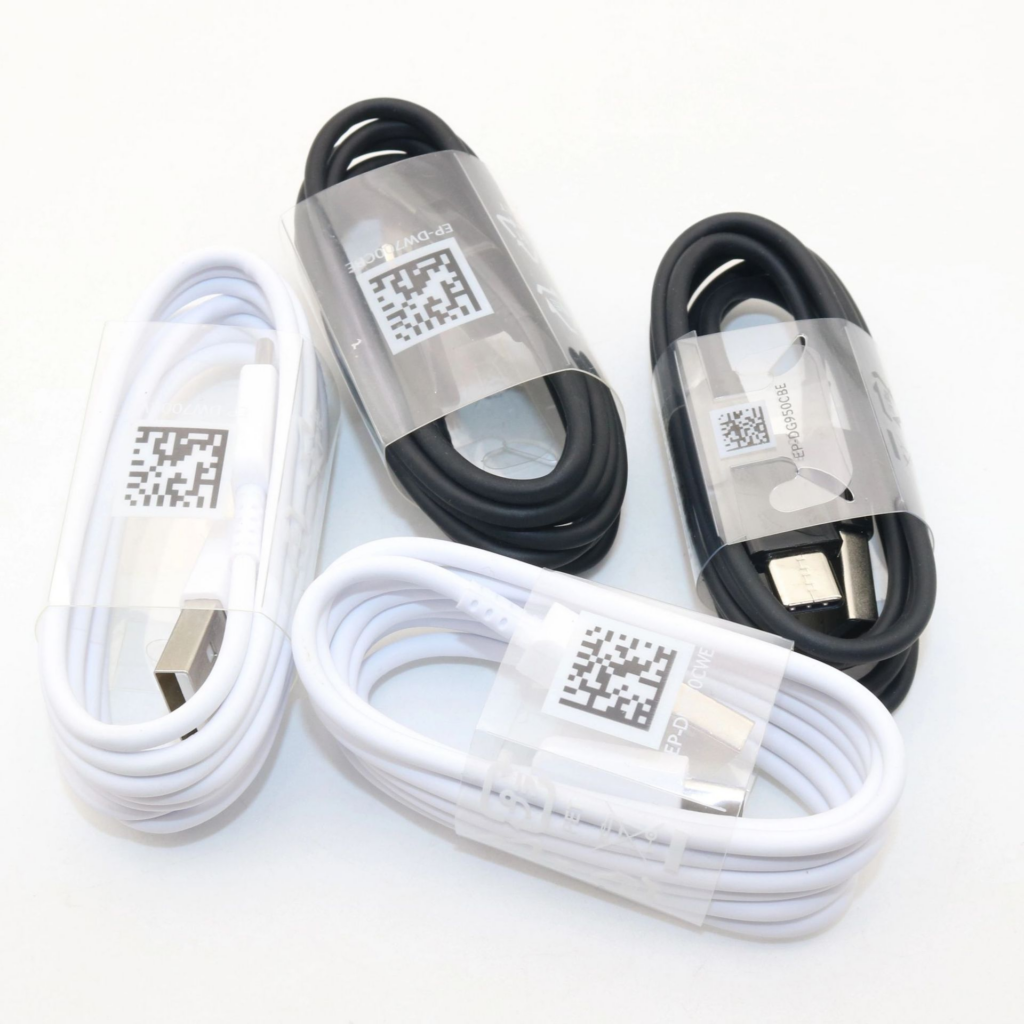
Travelers, commuters, or anyone in a hurry rely on fast charging cables to:
- Recharge a phone before a flight.
- Power a laptop during a long meeting.
- Keep a child’s tablet charged during a road trip.
Choosing the Right Fast Charging Cable: Key Considerations
Not all “fast charging” cables are created equal. To ensure compatibility, safety, and performance, look for these features:
1. Protocol Support: Match Your Device’s Needs
- USB Power Delivery (USB PD): Universal and widely supported (most modern phones, laptops, and tablets). Look for cables labeled “USB-C PD” or “USB PD Certified.”
- Qualcomm Quick Charge (QC): Ideal for Android devices (e.g., Samsung, OnePlus) that support QC 3.0 or higher.
- Apple 20W USB-C: Required for fast charging iPhones and iPads (uses USB-C with Apple’s MFi certification).
2. Gauge and Build Quality: Durability Matters
- Thicker Wires: Opt for cables with 28AWG or lower gauge wires (check the product description) to reduce resistance.
- Reinforced Design: Braided exteriors, TPE jackets, or silicone coatings prevent fraying and wear.
- Connector Durability: USB-C connectors should have reinforced pins to withstand frequent plugging/unplugging.
3. Certification: Safety First
- USB-IF Certification: Ensures compliance with USB standards (critical for USB PD cables).
- MFi Certification: Required for Apple devices to guarantee compatibility and safety.
- UL/CE Certifications: Verify electrical safety and fire resistance.
4. Length: Balance Convenience and Efficiency
Longer cables (e.g., 3–6 feet) offer flexibility, but they can slightly reduce charging speed due to increased resistance. For most users, a 3-foot cable is sufficient.
Common Misconceptions About Fast Charging Cables
Let’s debunk some myths to help you make informed choices:
Myth 1: “All USB-C Cables Are Fast Charging”
False. Basic USB-C cables (without PD or QC support) max out at 15W. Fast charging requires a cable rated for higher power (e.g., USB PD 3.0 or QC 4+).
Myth 2: “Faster Charging Damages Batteries”
False. Modern devices have built-in battery management systems (BMS) that limit charging speed to safe levels, preventing overcharging or overheating.
Myth 3: “You Need a Special Charger to Use a Fast Charging Cable”
Partially true. While a fast charging cable works with any charger that supports its protocol, using a low-wattage charger (e.g., a 10W USB-A charger with a USB-C PD cable) will only deliver 10W. For maximum speed, pair the cable with a compatible high-wattage charger (e.g., 30W USB PD).
Myth 4: “Expensive Cables Are Always Better”
Not necessarily. While premium brands (e.g., Anker, Belkin) offer durable, high-performance cables, mid-range options (e.g., Amazon Basics) can provide similar quality at a lower cost—just check for certifications and user reviews.
Conclusion: Fast Charging Cables—More Than Just a Wire
Fast charging cables are a testament to how technology turns everyday inconveniences into minor details. By leveraging advanced protocols, durable materials, and intelligent design, these cables transform hours of waiting into minutes of convenience. Whether you’re powering a phone, laptop, or accessory, a fast charging cable is an investment that pays off in saved time, reduced stress, and enhanced productivity. As devices continue to demand more power, fast charging cables will only grow in importance—making them a must-have for anyone navigating the fast-paced modern world.
How to purchase: https://looperbuy.com/search?keywords=what+is+a+fast+charging+cable&globalType=1688
Frequently Asked Questions (FAQs)
1. What’s the difference between a fast charging cable and a regular USB-C cable? Regular USB-C cables typically support up to 15W (5V/3A), while fast charging cables handle higher power (e.g., 60W, 100W) via protocols like USB PD or QC. They often have thicker wires and reinforced connectors to manage the increased energy flow.
2. How do I know if my cable supports fast charging? Check the product description for certifications (USB PD, QC) or power ratings (e.g., “Supports 60W PD”). Most manufacturers also list compatible devices and chargers.
3. Can I use a fast charging cable with a low-wattage charger? Yes, but it will only charge at the charger’s maximum output. For example, a 30W USB PD cable with a 10W charger will charge at 10W. To maximize speed, use a charger that matches the cable’s rated power.
4. Do fast charging cables work with wireless chargers? Some wireless chargers use fast charging cables to deliver power to compatible devices (e.g., phones with wireless charging pads). However, the cable itself doesn’t enable wireless charging—it simply connects the charger to the device.
5. Are fast charging cables safe? Yes, when used with certified chargers and devices. Look for cables with safety certifications (USB-IF, UL, MFi) to ensure they meet industry safety standards.
Hot Tags: Fast charging cable; USB-C PD cable; Qualcomm Quick Charge; High-power charging; Mobile charging accessories; Laptop charging cables; Battery charging tech; USB Power Delivery; Fast charge compatible cables; Safe charging cables