Table of Contents
Introduction to Drop Shipping
The drop shipping model has democratized e-commerce by eliminating the need for inventory storage and upfront capital. Entrepreneurs can now launch online stores with minimal risk, relying on suppliers to handle fulfillment. But beneath its simplicity lies a complex system of coordination between sellers, suppliers, and customers. This article explores the inner workings of drop shipping, its advantages, challenges, and actionable strategies for success, while addressing common misconceptions and future trends.
The Core Mechanics of Drop Shipping
Defining the Drop Shipping Model
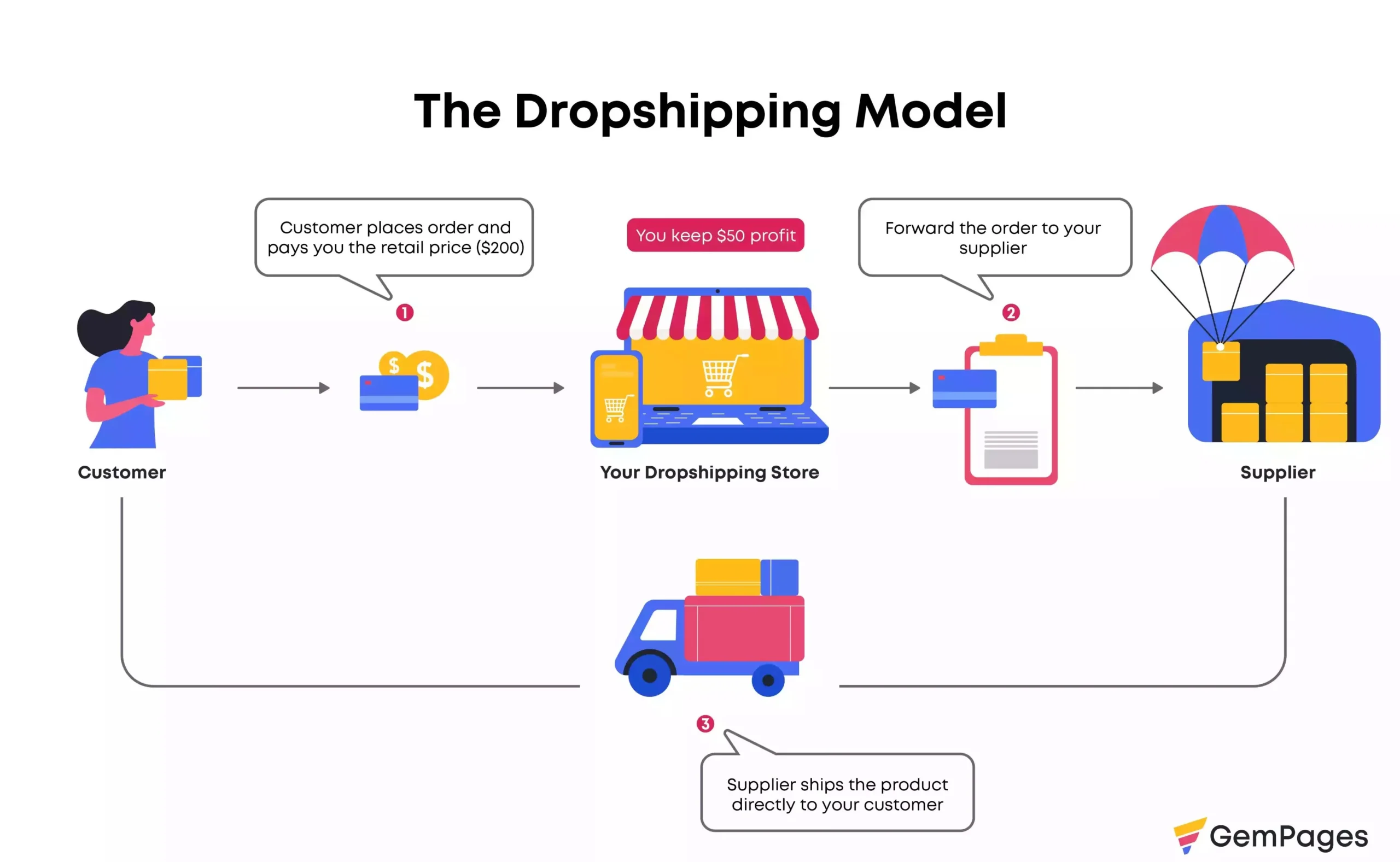
Drop shipping is a fulfillment method where sellers act as intermediaries between customers and suppliers. Instead of purchasing stock, sellers list products on their online stores and transfer orders to suppliers, who ship items directly to buyers. The seller earns a profit margin between the retail price and the supplier’s wholesale cost.
Roles of Key Stakeholders
- The Seller: Curates products, markets the store, and manages customer relationships.
- The Supplier: Manufactures or warehouses products, fulfills orders, and handles logistics.
- The Customer: Purchases goods through the seller’s platform, often unaware of the supplier’s involvement.
How Drop Shipping Works: A Detailed Process
Step 1: Building an E-commerce Platform
Sellers use platforms like Shopify, WooCommerce, or custom-built websites to create their storefronts. Key elements include intuitive design, mobile optimization, and secure payment gateways. Branding plays a pivotal role in distinguishing the store from competitors.
Step 2: Sourcing Suppliers
Suppliers are the backbone of drop shipping. While global platforms like 1688 (a leading Chinese wholesale marketplace) offer vast product catalogs, sellers must vet suppliers for reliability, product quality, and shipping efficiency. Tools like supplier directories and B2B platforms simplify this process.
Why 1688 Stands Out
1688, owned by Alibaba Group, specializes in connecting sellers with Chinese manufacturers. It offers competitive pricing, bulk order options, and integrations with translation tools, making it ideal for sellers targeting cost-sensitive markets.
Step 3: Product Listing and Pricing Strategy
Sellers import product descriptions, images, and pricing from suppliers. Pricing must account for:
- Supplier costs
- Platform fees (e.g., transaction charges)
- Marketing expenses
- Desired profit margins
Dynamic pricing tools can automate adjustments based on demand and competition.
Step 4: Driving Traffic Through Marketing
Effective strategies include:
- Social Media Ads: Platforms like Facebook and Instagram allow precise audience targeting.
- SEO: Optimizing product pages for keywords like “affordable eco-friendly bags.”
- Email Campaigns: Nurturing leads with discounts and product updates.
- Influencer Collaborations: Partnering with micro-influencers for niche audiences.
Step 5: Order Fulfillment and Logistics
When a customer places an order, the seller pays the supplier’s wholesale price and provides shipping details. Suppliers then package and ship products, often using branded packaging to maintain the seller’s identity.
Step 6: Post-Purchase Management
Sellers handle customer inquiries, returns, and refunds. Transparency about shipping times (e.g., “3–5 business days for processing”) reduces disputes.

Advantages of Drop Shipping
Minimal Financial Risk
No upfront inventory costs allow entrepreneurs to test markets with little capital.
Geographic Flexibility
Sellers can operate globally, provided suppliers support international shipping.
Scalability
Adding new products or scaling marketing efforts requires minimal operational changes.
Diverse Product Offerings
Sellers can pivot quickly to trending niches without liquidating old stock.
Challenges of Drop Shipping
Thin Profit Margins
High competition in saturated markets (e.g., phone accessories) forces sellers to slash prices.
Supplier Reliability Issues
Delays, miscommunications, or subpar products from suppliers damage the seller’s reputation.
Limited Control Over Branding
Suppliers may inconsistently apply branding or use low-quality packaging.
Customer Acquisition Costs (CAC)
Rising ad prices on platforms like Facebook can erode profitability.
Strategies for Building a Profitable Drop Shipping Business
Niche Selection: Quality Over Quantity
Avoid oversaturated markets. Instead, focus on niches like:
- Sustainable Products: Reusable utensils, organic skincare.
- Hobby-Specific Gear: Rare collectibles, specialized crafting tools.
- Regional Demand: Products tailored to local cultures or climates.
Supplier Relationship Management
- Diversify Suppliers: Partner with at least 2–3 suppliers per product category.
- Regular Audits: Order samples periodically to ensure quality consistency.
- Negotiate Terms: Secure bulk discounts or faster shipping rates.
Leveraging Technology
- Automation Tools: Use apps to sync inventory, track orders, and send notifications.
- AI-Powered Analytics: Predict demand spikes and optimize ad spend.
Customer Retention Tactics
- Loyalty Programs: Reward repeat buyers with points or exclusive discounts.
- Personalized Communication: Use chatbots for 24/7 support and tailored recommendations.
The Future of Drop Shipping
- AI Integration: Machine learning will refine demand forecasting and customer targeting.
- Sustainability Demands: Buyers increasingly prioritize eco-friendly packaging and carbon-neutral shipping.
- Hybrid Models: Sellers may stock bestsellers locally while using drop shipping for niche items.
- Blockchain Transparency: Distributed ledgers could track product origins and reduce counterfeit risks.
Conclusion
Drop shipping empowers entrepreneurs to launch e-commerce ventures with unparalleled flexibility. However, success hinges on strategic niche selection, supplier diligence, and customer-centric practices. By embracing technology and adapting to market trends, sellers can mitigate challenges and build sustainable businesses.
If you want to enhance your drop shipping efficiency, directly connect with China Quality Inventory 1688 and enjoy high-quality factory prices for your products,you can use looperbuy, a one-stop purchasing-logistics solution:https://looperbuy.com/
Related Questions & Answers
· What Are the Profit Margins in Drop Shipping?
Profit margins typically range from 15% to 30%, depending on the niche, competition, and operational efficiency.
· How Do I Find Trustworthy Drop Shipping Suppliers?
Use platforms like SaleHoo or Alibaba, verify reviews, request samples, and confirm shipping policies before partnering.
· Is Drop Shipping Legal?
Yes, but sellers must comply with local business laws, tax regulations, and supplier agreements.
· Can Drop Shipping Work with Print-on-Demand?
Absolutely. Print-on-demand services integrate seamlessly with drop shipping for customized products like apparel or posters.
· What Tools Help Manage a Drop Shipping Business?
Tools like AutoDS (inventory sync), Trello (project management), and Google Analytics (tracking sales) streamline operations.
Hot Tags: Dropshipping Suppliers; E-commerce Business Models; Online Store Setup; Supplier Management; Profit Margins Optimization; Print-on-Demand Services; Niche Market Research; Customer Retention Strategies; AI in Inventory Management