
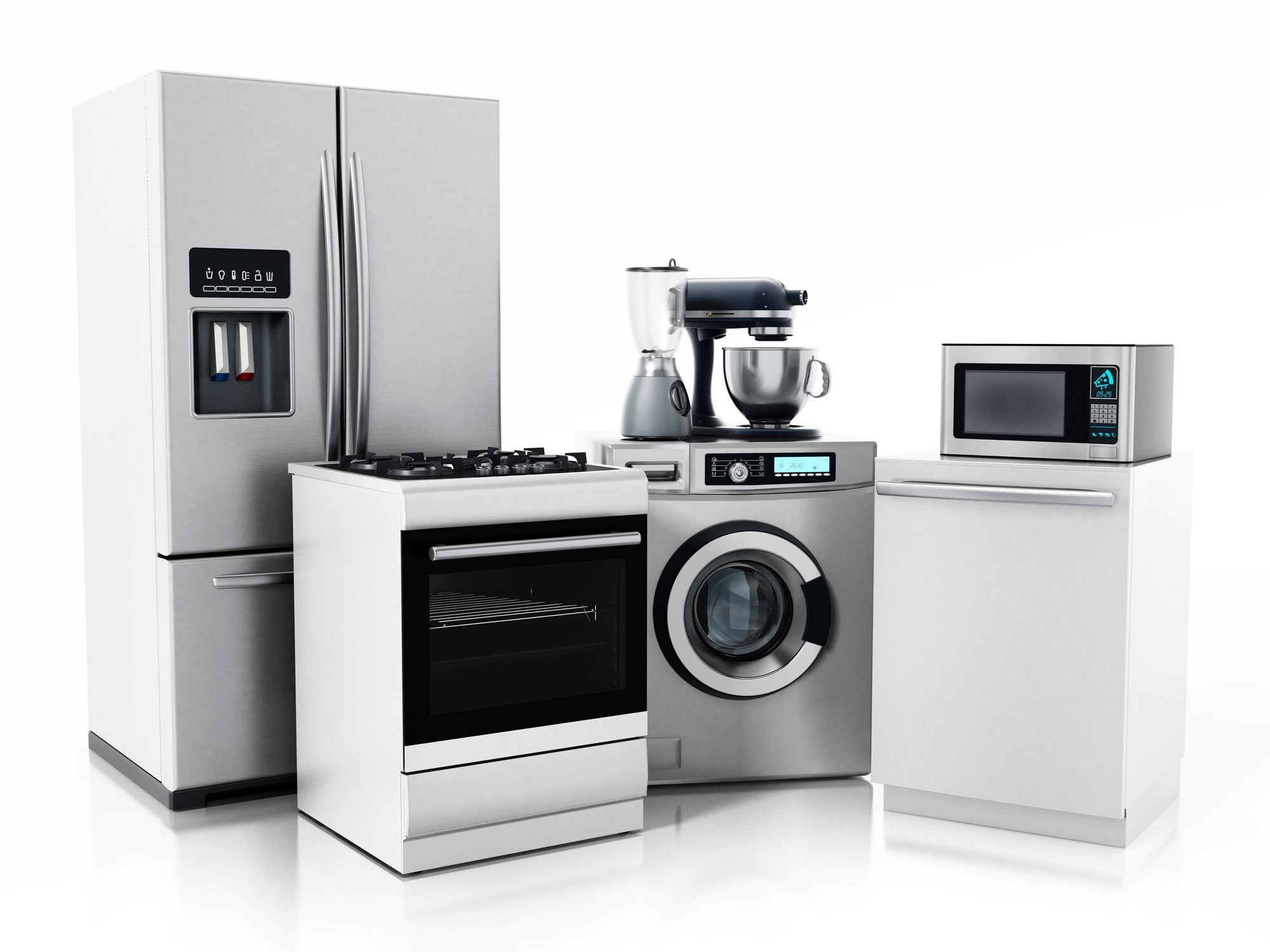
Home appliances are essential tools that enhance our daily lives, making tasks easier and more efficient. This article will explore various types of home appliances, focusing on smart technology, energy efficiency, maintenance, and care. By the end, you will have a thorough understanding of home appliances and their impact on modern living.
Table of Contents
Types of Home Appliances
Home appliances can be broadly categorized into two main types: major appliances and small appliances.
Major Appliances
Major appliances, also known as white goods, are large machines that are typically used for routine housekeeping tasks. These include:
1. Refrigerators: Essential for food preservation, refrigerators come in various styles, including top-freezer, bottom-freezer, side-by-side, and French door models. Modern refrigerators often feature advanced technology such as smart connectivity, allowing users to monitor and control settings remotely.
2. Washing Machines: These appliances simplify the laundry process. They come in front-loading and top-loading designs, with features like energy efficiency, steam cleaning, and smart technology that can notify users when a cycle is complete.
3. Dryers: Often paired with washing machines, dryers use heat to remove moisture from clothes. They can be vented or ventless, with options for steam cycles and moisture sensors to prevent over-drying.
4. Ovens and Ranges: These appliances are crucial for cooking. They can be gas or electric and often include features like convection cooking, self-cleaning options, and smart technology for remote operation.
5. Dishwashers: Designed to automate the dishwashing process, dishwashers come with various wash cycles, energy-saving modes, and smart features that allow users to start or monitor cycles from their smartphones.
Small Appliances
Small appliances are portable or semi-portable devices that assist with various tasks. Some common examples include:
1. Microwaves: These appliances use electromagnetic radiation to heat food quickly. They come in countertop, built-in, and over-the-range models, with features like sensor cooking and inverter technology for even heating.
2. Blenders: Ideal for making smoothies, soups, and sauces, blenders come in various sizes and power levels. High-performance blenders can crush ice and blend tough ingredients with ease.
3. Coffee Makers: From single-serve machines to traditional drip coffee makers, these appliances cater to coffee lovers. Many models now include programmable settings and built-in grinders for fresh coffee.
4. Toasters and Toaster Ovens: These appliances are perfect for quick breakfasts and snacks. Toaster ovens offer versatility, allowing users to bake, broil, and toast.
5. Food Processors: These multi-functional appliances can chop, slice, shred, and puree, making meal preparation faster and easier.
Smart Home Appliances
The rise of smart technology has transformed the landscape of home appliances. Smart appliances are equipped with internet connectivity, allowing users to control and monitor them remotely through smartphones or voice-activated devices.
Benefits of Smart Appliances
1. Convenience: Users can start, stop, or adjust settings from anywhere, making it easier to manage household tasks.
2. Energy Efficiency: Many smart appliances are designed to optimize energy use, helping to reduce utility bills. For example, smart thermostats can learn user preferences and adjust heating and cooling accordingly.
3. Maintenance Alerts: Smart appliances can send notifications when maintenance is needed, helping to prevent costly repairs.
4. Integration with Smart Home Systems: Smart appliances can be integrated into broader smart home ecosystems, allowing for seamless control of lighting, security, and climate.

Examples of Smart Appliances
– Smart Refrigerators: These models often feature touch screens, cameras to view contents remotely, and the ability to create shopping lists.
– Smart Ovens: Users can preheat their ovens remotely and receive alerts when their food is ready.
– Smart Washers and Dryers: These appliances can notify users when a cycle is complete and allow for remote monitoring.
Energy Efficiency and Sustainability
As energy costs rise and environmental concerns grow, energy efficiency in home appliances has become increasingly important.
Understanding Energy Ratings
Most appliances come with an energy rating label, which indicates their efficiency. The Energy Star label is a widely recognized certification that signifies an appliance meets strict energy efficiency guidelines set by the U.S. Environmental Protection Agency.
Benefits of Energy-Efficient Appliances
1. Cost Savings: Energy-efficient appliances consume less electricity, leading to lower utility bills.
2. Environmental Impact: Using less energy reduces greenhouse gas emissions, contributing to a healthier planet.
3. Incentives: Many governments offer rebates or tax incentives for purchasing energy-efficient appliances.
Tips for Choosing Energy-Efficient Appliances
– Look for the Energy Star label.
– Consider the size and capacity of the appliance to ensure it meets your needs without wasting energy.
– Research the appliance’s energy consumption before making a purchase.
Maintenance and Care for Home Appliances
Proper maintenance is crucial for extending the lifespan of home appliances and ensuring they operate efficiently.
General Maintenance Tips
1. Regular Cleaning: Keep appliances clean to prevent buildup that can affect performance. For example, clean the lint filter in dryers and the coils in refrigerators.
2. Check Seals and Gaskets: Inspect seals on refrigerators and ovens to ensure they are airtight, which helps maintain efficiency.
3. Schedule Professional Inspections: For major appliances, consider scheduling annual inspections to catch potential issues early.
4. Follow Manufacturer Guidelines: Always refer to the user manual for specific maintenance instructions and recommended cleaning products.
Common Maintenance Issues
– Refrigerators: Issues like temperature fluctuations can often be traced back to dirty coils or faulty door seals.
– Washing Machines: Overloading can lead to mechanical issues, while neglecting to clean the detergent drawer can cause mold growth.
– Dishwashers: Regularly check and clean the filter to prevent clogs and ensure optimal performance.
Conclusion
Home appliances play a vital role in our daily lives, enhancing convenience and efficiency. Understanding the different types of appliances, the benefits of smart technology, the importance of energy efficiency, and proper maintenance can help you make informed decisions when purchasing and caring for these essential tools.
How To Purchase:https://looperbuy.com/search?keywords=+home+appliances
Frequently Asked Questions
1. What are the key differences between major and small appliances?
– Major appliances are large and typically fixed in place, while small appliances are portable and used for specific tasks.
2. How do smart appliances impact energy consumption in the home?
– Smart appliances can optimize energy use and provide insights into consumption patterns, helping to reduce overall energy costs.
3. What are some common maintenance issues with dishwashers?
– Common issues include clogged filters, dirty spray arms, and malfunctioning door seals.
4. What should I look for when buying an energy-efficient appliance?
– Look for the Energy Star label, check the appliance’s energy consumption, and consider its size and capacity.
5. How can I extend the lifespan of my home appliances?
– Regular cleaning, following maintenance guidelines, and scheduling professional inspections can help extend the lifespan of your appliances.



interest in CBD wellness only don’t bonk where to get going? understand our comp https://www.cornbreadhemp.com/collections/thc-gummies guide to determine how stark CBD, full spectrum CBD, and CBD sequester substantiate your dead body. different THC, pure CBD provides non-psychoactive benefit that keep back you keen and unwind. Whether you prefer CBD vegetable oil drop cloth, CBD eatable, or CBD capsules, we explain CBD dose so you lavatory pick the upright CBD mathematical product. Start your instinctive CBD travel now with staring trust in certified constituent CBD!