Table of Contents
Introduction
Headphones are a vital accessory for music lovers, gamers, and professionals alike. However, the comfort and longevity of your headphones can be significantly enhanced with the right headphone covers. These accessories not only improve the wearing experience but also protect your investment from wear and tear. In this comprehensive guide, we’ll explore everything you need to know about headphone covers, from types and materials to installation and maintenance.
Understanding Headphone Covers
What Are Headphone Covers?
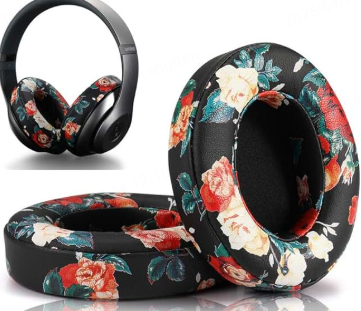
Headphone covers, also known as ear pad covers or ear cushions, are replaceable or additional padding designed to fit over the ear cups of your headphones. They serve multiple purposes, including enhancing comfort during extended use, improving sound isolation, and protecting the original ear pads from damage.
Key Features of Headphone Covers
- Comfort Enhancement: High-quality covers reduce pressure on the ears and head, making long listening sessions more enjoyable.
- Sound Quality Improvement: Some covers are designed to enhance bass response and overall audio quality.
- Durability: They protect the original ear pads from wear, extending the life of your headphones.
- Hygiene: Covers can be washed or replaced, ensuring your headphones remain clean and odor-free.
Types of Headphone Covers
Memory Foam Covers
Memory foam covers are known for their exceptional comfort. They conform to the shape of your ears and head, providing a customized fit. These covers are ideal for users who experience discomfort during extended use.
Leatherette Covers
Leatherette, or synthetic leather, covers offer a balance between comfort and durability. They are easy to clean and provide a premium feel. However, they may not be as breathable as other materials, which could cause overheating during long sessions.
Velour Covers
Velour covers are soft and luxurious, offering excellent breathability. They are perfect for users who prioritize comfort and ventilation. Velour covers are also lightweight, adding minimal bulk to your headphones.
Fabric Covers
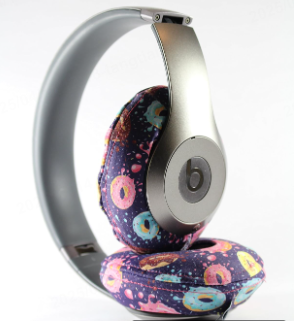
Fabric covers come in various textures and designs, allowing for personalization. They are often machine-washable, making them a hygienic choice. However, they may not provide the same level of cushioning as memory foam or leatherette.
Benefits of Using Headphone Covers
Enhanced Comfort
One of the primary reasons for using headphone covers is to improve comfort. Whether you’re using your headphones for gaming, working, or listening to music, the right covers can make a significant difference in how comfortable your headphones feel over extended periods.
Improved Sound Isolation
Quality headphone covers can enhance sound isolation by creating a better seal around your ears. This helps block out external noise, allowing you to focus more on your audio experience.
Protection and Longevity
Headphone covers protect the original ear pads from wear and tear, extending the life of your headphones. They also prevent dirt and sweat from accumulating on the original pads, reducing the need for frequent replacements.
Customization
Headphone covers come in various materials, colors, and designs, allowing you to personalize your headphones to match your style or needs.
How to Choose the Right Headphone Covers
Consider Your Headphone Model
Not all headphone covers are universal. Check the dimensions and compatibility of the covers with your specific headphone model. Many manufacturers provide model-specific covers for the best fit.
Material Preferences
Choose covers based on your comfort needs and climate. Memory foam is ideal for comfort, leatherette for durability, velour for breathability, and fabric for personalization.
Sound Quality Considerations
If you’re an audiophile, consider covers that enhance sound quality. Some materials, like memory foam, can improve bass response and overall audio performance.
Budget
Headphone covers vary in price based on material and brand. Set a budget that balances quality and cost to ensure you get the best value for your investment.
Installing Headphone Covers
Preparing Your Headphones
Before installing new covers, remove the old ear pads. This may involve unscrewing or pulling off the existing pads, depending on your headphone model. Clean the ear cup area to ensure a smooth application.
Attaching the New Covers
Align the new covers with the ear cups and press them firmly into place. Ensure they are securely attached and properly aligned for optimal comfort and performance.
Post-Installation Checks
After installing the covers, test them by wearing your headphones. Check for any discomfort or misalignment and adjust if necessary. Ensure the covers do not interfere with the functionality of your headphones.
Caring for Your Headphone Covers
Regular Cleaning
Clean your headphone covers periodically to maintain hygiene. Most covers can be wiped with a damp cloth, while others are machine-washable. Follow the manufacturer’s care instructions for best results.
Storage Tips
Store your headphones in a case or pouch to protect the covers from dust and damage when not in use. Avoid exposing them to extreme temperatures or moisture.
Replacement Schedule
Replace your headphone covers every 6-12 months, depending on usage and wear. Worn-out covers can reduce comfort and sound quality, so keeping them in good condition is essential.
Future Trends in Headphone Covers
Smart Fabric Integration
Advancements in technology may lead to smart fabric covers that monitor audio preferences or provide additional functionalities like touch controls.
Eco-Friendly Materials
With growing environmental awareness, manufacturers are exploring sustainable materials like organic cotton and recycled fabrics for headphone covers.
Customizable Audio Profiles
Future covers may include features that allow users to customize audio profiles directly through the material design, enhancing the overall listening experience.
FAQs
Q: Can I use any headphone cover with my headphones?
A: Not all headphone covers are universally compatible. Check the dimensions and compatibility with your specific headphone model to ensure a proper fit.
Q: How often should I replace my headphone covers?
A: It’s recommended to replace headphone covers every 6-12 months, depending on usage and wear. Replace them immediately if you notice any damage or significant wear.
Q: Do headphone covers affect sound quality?
A: Yes, some covers can enhance sound quality, particularly in terms of bass response and noise isolation. However, the effect varies based on the material and design.
Q: Can I wash my headphone covers?
A: Many headphone covers are washable, but it depends on the material. Always check the manufacturer’s care instructions before washing.
Q: Where can I buy replacement headphone covers?
A: Replacement covers can be purchased directly from the headphone manufacturer’s website, authorized retailers, or online marketplaces like Amazon. Ensure you select covers compatible with your specific model.
Conclusion
Headphone covers are a simple yet effective way to enhance the comfort, sound quality, and longevity of your headphones. By choosing the right covers for your needs and properly maintaining them, you can significantly improve your audio experience. Whether you prioritize comfort, sound enhancement, or personalization, there’s a headphone cover option that’s perfect for you.
How to Purchase:https://looperbuy.com/search?keywords=headphone+cover