In today’s interconnected world, global shipping has become a vital component of international trade. As businesses expand their reach across borders, the need for efficient and reliable shipping solutions has never been more critical. One of the most significant advancements in this field is the development of global shipping tracking maps. These tools not only enhance transparency in the shipping process but also empower businesses and consumers alike to monitor their shipments in real-time. This article delves into the intricacies of global shipping tracking maps, exploring their benefits, functionalities, and the future of logistics.
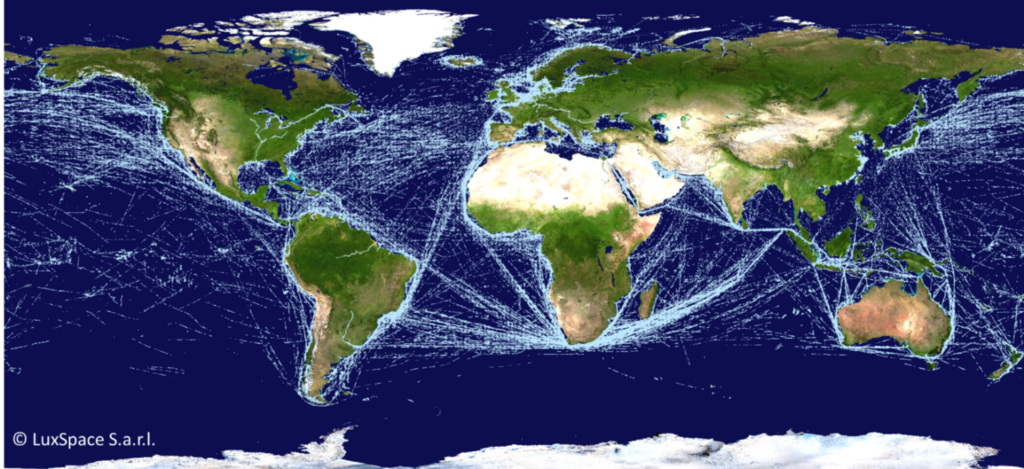
Table of Contents
Understanding Global Shipping Tracking Maps
Global shipping tracking maps are digital platforms that provide real-time information about the location and status of shipments as they move through the supply chain. These maps utilize advanced technologies such as GPS, RFID, and IoT to track shipments from the point of origin to the final destination. By visualizing the shipping process, these tools offer a comprehensive view of logistics operations, enabling stakeholders to make informed decisions.
The Technology Behind Tracking Maps
The effectiveness of global shipping tracking maps hinges on several key technologies:
- GPS (Global Positioning System): GPS technology allows for precise location tracking of shipping containers and vehicles. By integrating GPS with shipping management systems, companies can monitor the exact location of their shipments in real-time.
- RFID (Radio Frequency Identification): RFID tags are used to track individual items within a shipment. These tags transmit data to RFID readers, providing information about the item’s location and status throughout the shipping process.
- IoT (Internet of Things): IoT devices can collect and transmit data about environmental conditions, such as temperature and humidity, during transit. This information is crucial for sensitive shipments, such as pharmaceuticals or perishable goods.
- Cloud Computing: Cloud-based platforms enable the storage and analysis of vast amounts of shipping data. This allows for better data management and accessibility, facilitating real-time updates and insights.
- Big Data Analytics: The integration of big data analytics into shipping tracking systems allows companies to analyze historical shipping data to identify trends, optimize routes, and improve overall efficiency. By leveraging data from various sources, businesses can make informed decisions that enhance their logistics operations.
Benefits of Global Shipping Tracking Maps
The implementation of global shipping tracking maps offers numerous advantages for businesses and consumers:
Enhanced Visibility
One of the primary benefits of shipping tracking maps is the enhanced visibility they provide. Stakeholders can monitor shipments at every stage of the supply chain, reducing uncertainty and improving planning. This visibility is particularly beneficial for businesses that rely on just-in-time inventory systems, as it allows them to anticipate delays and adjust their operations accordingly.
Improved Customer Experience
For consumers, the ability to track shipments in real-time enhances the overall shopping experience. Customers can receive updates on their orders, including estimated delivery times and any potential delays. This transparency builds trust and satisfaction, leading to increased customer loyalty. Additionally, businesses can provide proactive communication regarding shipment status, further enhancing the customer experience.
Efficient Supply Chain Management
Global shipping tracking maps enable businesses to optimize their supply chain operations. By analyzing shipping data, companies can identify bottlenecks, streamline processes, and reduce costs. This data-driven approach allows for more efficient resource allocation and improved operational efficiency. For instance, businesses can adjust their shipping routes based on real-time traffic data, reducing transit times and costs.
Risk Mitigation
Tracking maps also play a crucial role in risk management. By providing real-time updates on shipment status, businesses can quickly respond to unforeseen events, such as delays or disruptions. This proactive approach minimizes the impact of such incidents on the overall supply chain. Furthermore, tracking maps can help identify potential risks in the supply chain, allowing businesses to implement preventive measures.
Cost Savings
By improving visibility and efficiency, global shipping tracking maps can lead to significant cost savings for businesses. Reduced delays and optimized routes can lower transportation costs, while better inventory management can decrease holding costs. Additionally, the ability to respond quickly to issues can minimize the financial impact of disruptions.
Enhanced Collaboration
Global shipping tracking maps facilitate better collaboration among stakeholders in the supply chain. By providing a shared platform for tracking shipments, businesses, suppliers, and logistics providers can communicate more effectively. This collaboration can lead to improved coordination, faster problem resolution, and a more streamlined shipping process.
The Future of Global Shipping Tracking
As technology continues to evolve, the future of global shipping tracking maps looks promising. Several trends are shaping the landscape of logistics and shipping:
Integration of Artificial Intelligence
Artificial intelligence (AI) is set to revolutionize global shipping tracking. AI algorithms can analyze vast amounts of data to predict shipping trends, optimize routes, and enhance decision-making processes. This integration will lead to more efficient logistics operations and improved customer service. For example, AI can help forecast demand for certain products, allowing businesses to adjust their shipping strategies accordingly.
Blockchain Technology
Blockchain technology offers a secure and transparent way to track shipments. By creating an immutable record of each transaction, blockchain can enhance trust among stakeholders and reduce fraud. This technology has the potential to streamline documentation processes and improve overall supply chain transparency. Additionally, blockchain can facilitate smart contracts, automating payment processes based on shipment milestones.
Increased Automation
Automation is becoming increasingly prevalent in the shipping industry. From automated warehouses to self-driving delivery vehicles, the integration of automation technologies will enhance efficiency and reduce operational costs. Global shipping tracking maps will play a crucial role in managing these automated systems, ensuring that shipments are tracked accurately and efficiently.
Sustainability Initiatives
As environmental concerns grow, the shipping industry is under pressure to adopt more sustainable practices. Global shipping tracking maps can help companies monitor their carbon footprint and optimize routes to reduce emissions. By providing insights into fuel consumption and environmental impact, these tools can support sustainability initiatives. For instance, businesses can analyze shipping data to identify the most fuel-efficient routes and modes of transportation.
Enhanced User Interfaces
As the demand for user-friendly technology increases, shipping tracking maps are likely to evolve with more intuitive interfaces. Enhanced user experiences will allow stakeholders to access information quickly and easily, improving overall satisfaction. Features such as mobile applications and customizable dashboards will make it easier for users to track shipments and receive updates.
Global Trade Dynamics
The dynamics of global trade are constantly changing, influenced by factors such as geopolitical events, economic shifts, and technological advancements. Shipping tracking maps will need to adapt to these changes, providing real-time insights into how these factors impact shipping routes and logistics operations. Businesses that leverage this information will be better equipped to navigate the complexities of global trade.
The Role of Real-Time Data in Risk Management
Real-time tracking maps significantly improve supply chain risk management by providing immediate visibility into shipment status. This capability allows businesses to identify potential disruptions early, such as delays caused by weather conditions or logistical challenges. By having access to real-time data, companies can implement contingency plans swiftly, minimizing the impact of these disruptions on their operations. For instance, if a shipment is delayed due to a natural disaster, businesses can reroute other shipments or adjust inventory levels to mitigate the effects on their supply chain.
Data Analytics for Route Optimization
Data analytics plays a crucial role in optimizing shipping routes. By analyzing historical shipping data, companies can identify patterns and trends that inform better routing decisions. For example, data analytics can reveal the most efficient routes based on traffic patterns, weather conditions, and historical delivery times. This information allows businesses to reduce transit times and costs, ultimately improving their bottom line. Additionally, predictive analytics can forecast demand fluctuations, enabling companies to adjust their shipping strategies proactively.
Enhancing Transparency with Blockchain
Blockchain technology enhances transparency in global shipping by providing a secure and immutable record of each transaction. This transparency is particularly valuable in industries where trust is paramount, such as pharmaceuticals and food distribution. By using blockchain, stakeholders can verify the authenticity of shipments, track their journey through the supply chain, and ensure compliance with regulations. This level of transparency not only builds trust among stakeholders but also helps prevent fraud and counterfeiting.
Conclusion
Global shipping tracking maps are transforming the logistics landscape by providing enhanced visibility, improving customer experiences, and enabling efficient supply chain management. As technology continues to advance, the future of shipping tracking looks bright, with innovations such as AI, blockchain, and automation set to further enhance the capabilities of these tools. Businesses that embrace these advancements will be better positioned to navigate the complexities of global shipping and meet the demands of an increasingly interconnected world.
As you navigate the complexities of global shipping and tracking, remember that seamless shopping experiences await you at LooperBuy, where you can find the best deals and track your orders effortlessly. Discover more at LooperBuy.
Article Summary
This article explores the significance of global shipping tracking maps in modern logistics. It discusses the technologies behind these maps, their benefits for businesses and consumers, and future trends such as AI integration and blockchain technology. The insights provided highlight the transformative impact of tracking maps on supply chain management and customer experience.
Hot Tags: Global Shipping; Shipping Tracking; Logistics Technology; Supply Chain Management; Real-Time Tracking; GPS Tracking; RFID Technology; IoT in Shipping; Blockchain in Logistics; Automated Shipping; Sustainable Shipping; Customer Experience; Shipping Innovations; Freight Tracking; Shipping Solutions; International Shipping; E-commerce Logistics; Delivery Tracking; Shipping Efficiency; Logistics Optimization; Supply Chain Visibility; Shipping Management Software; Freight Forwarding; Shipping Data Analysis; Transportation Management; Shipping Industry Trends; Digital Logistics; Smart Shipping; Cargo Tracking; Shipping Analytics
Related Questions & Answers
· What is a global shipping tracking map?
A global shipping tracking map is a digital tool that provides real-time information about the location and status of shipments as they move through the supply chain.
· How does GPS technology enhance shipping tracking?
GPS technology allows for precise location tracking of shipping containers and vehicles, enabling real-time monitoring of shipments.
· What are the benefits of using shipping tracking maps for businesses?
Shipping tracking maps enhance visibility, improve customer experience, enable efficient supply chain management, and help mitigate risks.
· What future trends are influencing global shipping tracking?
Future trends include the integration of artificial intelligence, blockchain technology, increased automation, and sustainability initiatives.
· How can shipping tracking maps improve customer satisfaction?
By providing real-time updates on order status and estimated delivery times, shipping tracking maps enhance transparency and build trust with customers.
· How do real-time tracking maps improve supply chain risk management?
Real-time tracking maps provide immediate visibility into shipment status, allowing businesses to identify potential disruptions early and implement contingency plans swiftly.
· What role does data analytics play in optimizing shipping routes?
Data analytics helps identify patterns and trends in historical shipping data, informing better routing decisions and reducing transit times and costs.
· In what ways can blockchain technology enhance transparency in global shipping?
Blockchain provides a secure and immutable record of transactions, enhancing trust among stakeholders and preventing fraud in the shipping process.