Table of Contents
Introduction to a New Era of Commerce
In recent years, the landscape of retail has undergone a significant transformation, largely due to the rise of e-commerce. Among the various business models that have emerged, one that has gained considerable attention is drop shipping. This model allows entrepreneurs to sell products without holding inventory, making it an attractive option for many. However, the question remains: is drop shipping a sustainable and effective business strategy? This article delves into the intricacies of drop shipping, examining its advantages, challenges, and the factors that contribute to its success.
Understanding Drop Shipping
What is Drop Shipping?
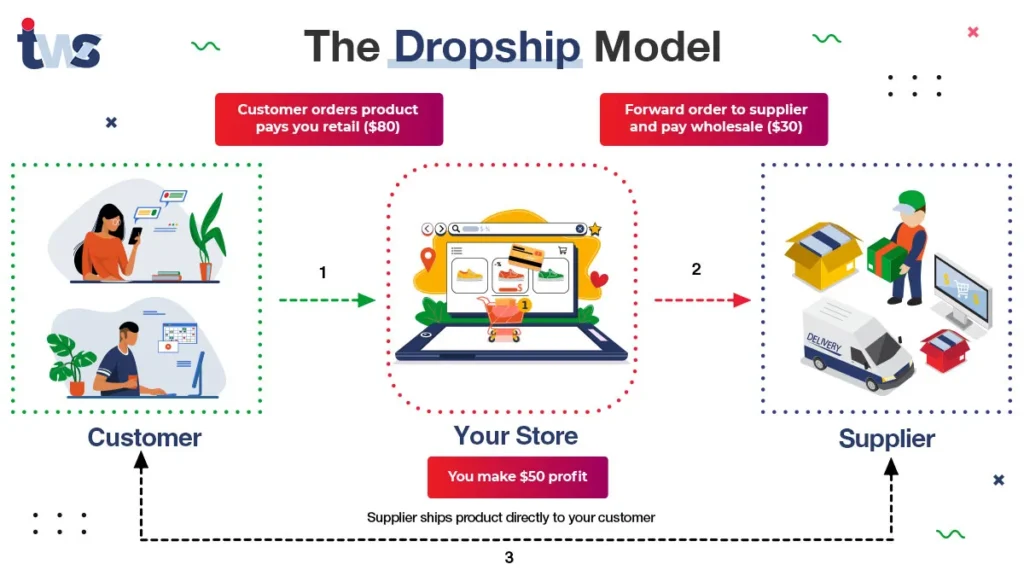
Drop shipping is a retail fulfillment method where a store does not keep the products it sells in stock. Instead, when a store sells a product, it purchases the item from a third party and has it shipped directly to the customer. This means that the seller does not have to handle the product directly, which can significantly reduce overhead costs.
How Drop Shipping Works
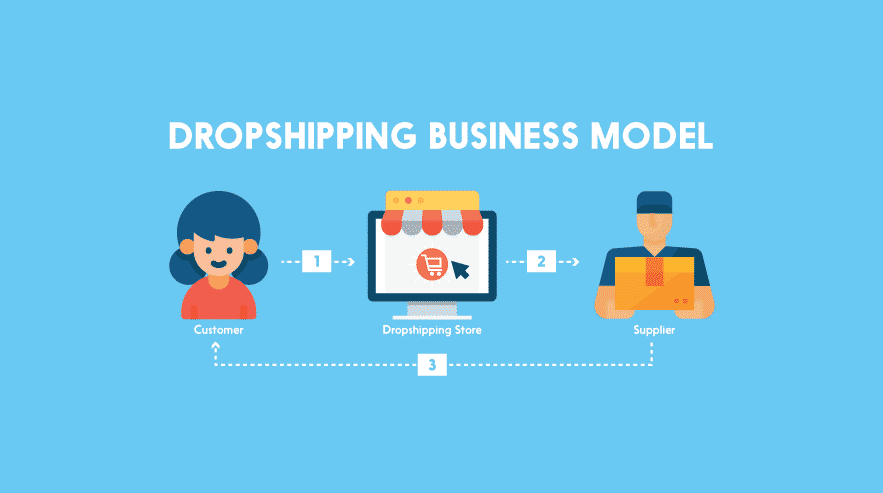
The drop shipping process typically involves three key players: the retailer, the supplier, and the customer. When a customer places an order, the retailer forwards the order details to the supplier, who then ships the product directly to the customer. This model allows retailers to offer a wide range of products without the financial burden of maintaining inventory.
Advantages of Drop Shipping
Low Startup Costs
One of the most appealing aspects of drop shipping is the low barrier to entry. Entrepreneurs can start an online store with minimal investment, as they do not need to purchase inventory upfront. This makes it an ideal option for those looking to enter the e-commerce space without significant financial risk.
Flexibility and Scalability
Drop shipping offers unparalleled flexibility. Retailers can easily add or remove products from their offerings without the constraints of inventory management. This adaptability allows businesses to respond quickly to market trends and customer demands. Additionally, as sales grow, retailers can scale their operations without the need for substantial investments in inventory.
Wide Product Selection
With drop shipping, retailers can offer a vast array of products from various suppliers. This diversity enables them to cater to different customer preferences and market niches. Retailers can experiment with new products and trends without the risk of being stuck with unsold inventory.
Geographic Independence
Another significant advantage of drop shipping is the ability to operate from virtually anywhere. As long as there is internet access, retailers can manage their businesses from different locations. This geographic independence allows entrepreneurs to travel or relocate without disrupting their operations, making it an appealing option for digital nomads and those seeking a flexible lifestyle.
Challenges of Drop Shipping
Thin Profit Margins
While drop shipping offers low startup costs, it often comes with thin profit margins. Retailers must compete with numerous other sellers, which can drive prices down. This competition can make it challenging to maintain profitability, especially when factoring in advertising and operational costs.
Supplier Reliability
The success of a drop shipping business heavily relies on the reliability of suppliers. If a supplier fails to deliver products on time or provides subpar quality, it can lead to dissatisfied customers and damage the retailer’s reputation. Building strong relationships with trustworthy suppliers is crucial for long-term success.
Inventory Management Issues
Although retailers do not hold inventory, they still need to manage stock levels with their suppliers. If a product is out of stock, it can lead to canceled orders and unhappy customers. Retailers must stay in constant communication with suppliers to ensure they have accurate information about product availability.
Customer Service Challenges
In a drop shipping model, customer service can become complicated. Since retailers do not handle the products directly, they may face challenges in addressing customer complaints or returns. If a customer receives a defective item or if there are shipping delays, the retailer must coordinate with the supplier to resolve the issue, which can lead to longer response times and customer dissatisfaction.
Strategies for Success in Drop Shipping
Niche Selection
Choosing the right niche is critical for success in drop shipping. Retailers should focus on specific markets where they can differentiate themselves from competitors. Conducting thorough market research can help identify profitable niches with less competition. For instance, rather than selling generic products, retailers might consider specializing in eco-friendly goods, handmade items, or unique gadgets that appeal to specific audiences.
Building a Strong Brand
In a crowded marketplace, establishing a strong brand identity can set a retailer apart. This includes creating a professional website, engaging with customers on social media, and providing excellent customer service. A strong brand can foster customer loyalty and encourage repeat business. Retailers should invest in high-quality branding elements, such as logos, packaging, and marketing materials, to create a cohesive and memorable brand experience.
Effective Marketing Strategies
To drive traffic to their online stores, drop shippers must implement effective marketing strategies. This can include search engine optimization (SEO), pay-per-click (PPC) advertising, and social media marketing. Understanding the target audience and tailoring marketing efforts accordingly is essential for attracting customers. Additionally, leveraging influencer marketing can be a powerful way to reach new audiences and build credibility.
Utilizing Technology
Technology plays a crucial role in the success of drop shipping businesses. Retailers should invest in e-commerce platforms that offer user-friendly interfaces and robust features. Tools for inventory management, order processing, and customer relationship management (CRM) can streamline operations and enhance efficiency. Additionally, utilizing analytics tools can help retailers track performance metrics and make data-driven decisions to optimize their strategies.
Focusing on Customer Experience
Providing an exceptional customer experience is vital for retaining customers and encouraging repeat purchases. Retailers should prioritize clear communication, fast shipping, and hassle-free returns. Implementing a user-friendly website design and ensuring that the checkout process is smooth can significantly enhance the overall shopping experience. Engaging with customers through personalized emails and follow-ups can also foster a sense of connection and loyalty.
Conclusion
Drop shipping presents a unique opportunity for aspiring entrepreneurs to enter the e-commerce market with minimal financial risk. While it offers several advantages, such as low startup costs and flexibility, it also comes with challenges that require careful management. By understanding the intricacies of this business model and implementing effective strategies, retailers can navigate the complexities of drop shipping and build successful online businesses.
As you explore the exciting world of drop shipping and consider starting your own online business, don’t miss out on the incredible deals and unique products available at LooperBuy, where you can find everything you need to kickstart your entrepreneurial journey. Check it out here: https://looperbuy.com/.
· What are the main benefits of drop shipping? The main benefits of drop shipping include low startup costs, flexibility in product offerings, and the ability to scale operations without significant investment in inventory.
· Is drop shipping a profitable business model? While drop shipping can be profitable, it often comes with thin profit margins due to competition. Success depends on effective marketing and niche selection.
· How do I find reliable suppliers for drop shipping? Finding reliable suppliers involves researching potential partners, reading reviews, and establishing clear communication to ensure they can meet your business needs.
· What are the common pitfalls in drop shipping? Common pitfalls include poor supplier reliability, thin profit margins, and inadequate marketing strategies. Retailers must be proactive in addressing these challenges.
· Can I run a drop shipping business part-time? Yes, many entrepreneurs run drop shipping businesses part-time. The flexibility of the model allows for manageable time commitments, especially when starting out.
Hot Tags: Drop Shipping; E-commerce; Online Retail; Business Model; Inventory Management; Supplier Relationships; Marketing Strategies; Niche Selection; Brand Building