In recent years, the e-commerce landscape has undergone significant transformations, driven by technological advancements and changing consumer preferences. Among these innovations, 3D printing and drop shipping have emerged as two powerful forces reshaping how products are manufactured and delivered. This article delves into the synergy between 3D printing and drop shipping, exploring their benefits, challenges, and the future of this dynamic duo in the e-commerce sector.
Table of Contents
Understanding 3D Printing
3D printing, also known as additive manufacturing, is a process that creates three-dimensional objects from a digital file. This technology has revolutionized various industries, including healthcare, automotive, and consumer goods, by enabling rapid prototyping and customized production.
The Process of 3D Printing
The 3D printing process typically involves several key steps:
- Designing the Model: The first step is creating a digital model using computer-aided design (CAD) software. This model serves as the blueprint for the final product.
- Slicing the Model: Once the model is complete, it is sliced into thin horizontal layers using slicing software. This step prepares the model for printing by generating the necessary instructions for the 3D printer.
- Printing the Object: The 3D printer then builds the object layer by layer, using materials such as plastic, metal, or resin. This process can take anywhere from a few minutes to several hours, depending on the complexity and size of the object.
- Post-Processing: After printing, the object may require additional finishing touches, such as sanding, painting, or assembling multiple parts.
Applications of 3D Printing
3D printing has a wide range of applications across various sectors:
- Healthcare: Custom prosthetics, dental implants, and even bioprinting of tissues and organs are made possible through 3D printing technology.
- Manufacturing: Companies use 3D printing for rapid prototyping, allowing them to test designs and iterate quickly without the need for expensive molds.
- Consumer Products: From personalized jewelry to custom phone cases, 3D printing enables consumers to create unique products tailored to their preferences.
- Aerospace and Automotive: The aerospace and automotive industries utilize 3D printing for producing lightweight components, which can enhance fuel efficiency and reduce costs.
- Education: Educational institutions are increasingly adopting 3D printing technology to teach students about design, engineering, and manufacturing processes.
The Rise of Drop Shipping
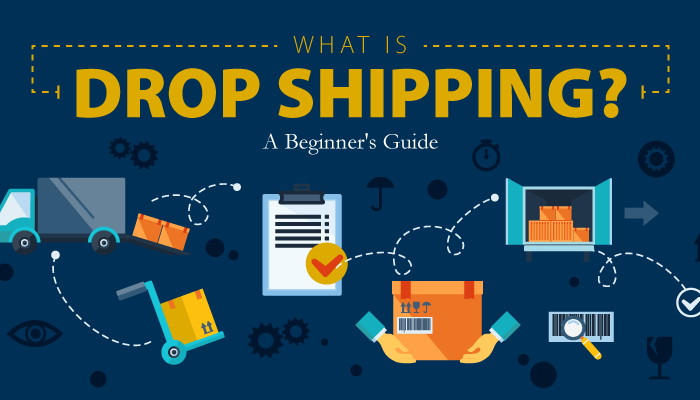
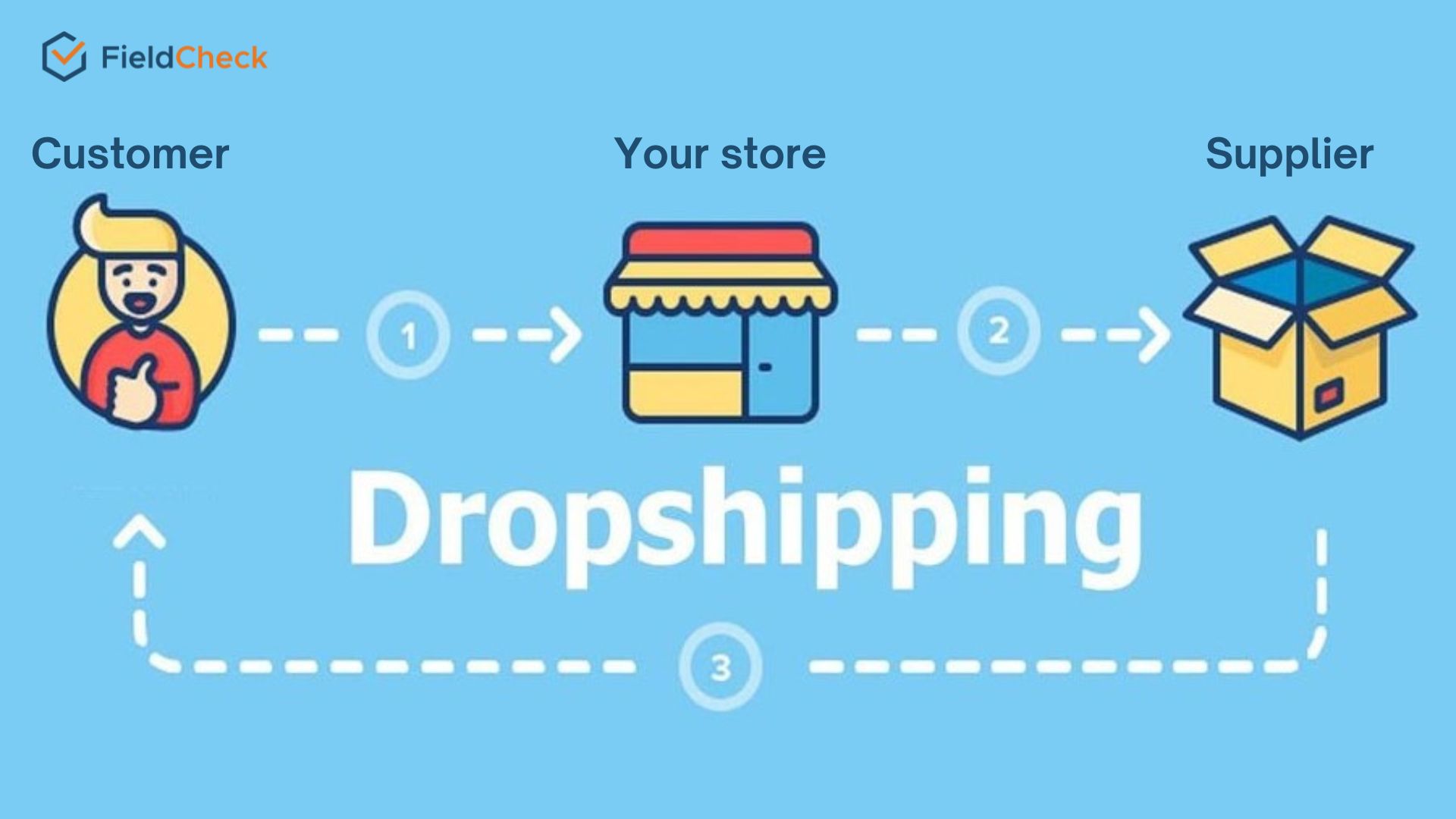
Drop shipping is a retail fulfillment method where a store does not keep the products it sells in stock. Instead, when a store sells a product, it purchases the item from a third party and has it shipped directly to the customer. This model has gained popularity due to its low overhead costs and ease of entry into the e-commerce market.
How Drop Shipping Works
The drop shipping process involves several steps:
- Setting Up an Online Store: Entrepreneurs create an online store using platforms like Shopify, WooCommerce, or BigCommerce.
- Partnering with Suppliers: Store owners partner with suppliers who offer drop shipping services. These suppliers handle inventory and shipping logistics.
- Listing Products: The store owner lists products on their website, often using images and descriptions provided by the supplier.
- Receiving Orders: When a customer places an order, the store owner forwards the order details to the supplier.
- Shipping the Product: The supplier then ships the product directly to the customer, while the store owner retains the profit margin.
Benefits of Drop Shipping
Drop shipping offers several advantages for entrepreneurs:
- Low Startup Costs: Since there is no need to invest in inventory upfront, entrepreneurs can start their businesses with minimal financial risk.
- Flexibility: Drop shipping allows business owners to operate from anywhere with an internet connection, making it an attractive option for digital nomads.
- Wide Product Range: Entrepreneurs can offer a diverse range of products without the constraints of inventory management.
- Reduced Risk: With drop shipping, businesses can test new products without the risk of unsold inventory, allowing for more agile business strategies.
The Synergy Between 3D Printing and Drop Shipping
The combination of 3D printing and drop shipping presents unique opportunities for entrepreneurs looking to innovate in the e-commerce space. This synergy allows for the creation of customized products that can be produced on demand, reducing waste and inventory costs.
Customization and Personalization
One of the most significant advantages of integrating 3D printing with drop shipping is the ability to offer personalized products. Customers can design their items, whether it’s a custom phone case, a unique piece of jewelry, or even bespoke home decor. This level of customization enhances customer satisfaction and loyalty.
On-Demand Production
With 3D printing, products can be manufactured on demand, eliminating the need for large inventories. This approach not only reduces storage costs but also minimizes the risk of overproduction. Entrepreneurs can respond quickly to market trends and customer preferences, ensuring they always offer relevant products.
Streamlined Supply Chain
The combination of 3D printing and drop shipping streamlines the supply chain by reducing the number of intermediaries involved. Entrepreneurs can work directly with 3D printing service providers, allowing for faster production times and more efficient order fulfillment.
Cost Efficiency
By utilizing 3D printing in a drop shipping model, businesses can significantly reduce costs associated with traditional manufacturing methods. There is no need for expensive molds or tooling, and production can be scaled up or down based on demand without incurring additional costs.
Challenges and Considerations
While the integration of 3D printing and drop shipping offers numerous benefits, it also presents challenges that entrepreneurs must navigate.
Quality Control
Maintaining consistent quality can be challenging when working with multiple suppliers and 3D printing technologies. Entrepreneurs must establish clear quality standards and work closely with their suppliers to ensure that products meet customer expectations.
Shipping and Logistics
Drop shipping relies heavily on efficient shipping and logistics. Entrepreneurs must choose reliable suppliers who can deliver products on time and handle any potential issues that may arise during the shipping process. Additionally, the shipping costs associated with 3D printed products can vary significantly based on size and material, impacting overall profitability.
Market Competition
As more entrepreneurs enter the 3D printing and drop shipping space, competition will increase. To stand out, businesses must focus on unique product offerings, exceptional customer service, and effective marketing strategies. Differentiation through branding and customer experience will be crucial in a crowded marketplace.
Intellectual Property Issues
With the rise of 3D printing, intellectual property concerns have become more pronounced. Entrepreneurs must navigate the complexities of copyright and patent laws, especially when using designs created by others. Ensuring that products do not infringe on existing patents is essential to avoid legal complications.
The Future of 3D Printing and Drop Shipping
The future of 3D printing and drop shipping looks promising, with advancements in technology and changing consumer behaviors driving growth in this sector. As 3D printing technology continues to evolve, we can expect to see even more innovative applications and business models emerge.
Emerging Trends
- Sustainability: As consumers become more environmentally conscious, businesses that utilize 3D printing for sustainable practices, such as using recycled materials, will likely gain a competitive edge. The ability to produce items on demand also reduces waste associated with overproduction.
- Integration with AI: The integration of artificial intelligence in 3D printing processes can enhance design capabilities and optimize production efficiency. AI can assist in creating complex designs that are both functional and aesthetically pleasing.
- Expansion of Materials: The development of new materials for 3D printing will broaden the range of products that can be created, opening up new markets and opportunities. Innovations in biocompatible materials, for example, could lead to breakthroughs in healthcare applications.
- Customization at Scale: As technology advances, businesses will be able to offer mass customization, allowing customers to personalize products at scale without sacrificing efficiency. This capability will further enhance the appeal of 3D printed products.
The Role of E-Commerce Platforms
E-commerce platforms are increasingly adapting to support businesses that utilize 3D printing and drop shipping. Features such as customizable product listings, integration with 3D printing services, and advanced analytics tools are becoming standard. This evolution allows entrepreneurs to manage their businesses more effectively and reach a broader audience.
Consumer Education and Awareness
As 3D printing becomes more mainstream, consumer education will play a crucial role in its adoption. Businesses must invest in marketing strategies that highlight the benefits of 3D printed products, such as customization, sustainability, and innovation. By educating consumers, businesses can foster a greater appreciation for the unique value that 3D printing brings to the market.
Building a Community
Creating a community around 3D printed products can enhance customer engagement and loyalty. Businesses can leverage social media platforms to showcase customer designs, share success stories, and encourage user-generated content. This community-building approach not only fosters brand loyalty but also provides valuable feedback for product improvement.
Collaborations and Partnerships
Collaborating with designers, artists, and influencers can help businesses expand their reach and enhance their product offerings. By partnering with creative individuals, companies can develop unique designs that resonate with specific target audiences, further differentiating themselves in a competitive market.
The Impact of Globalization
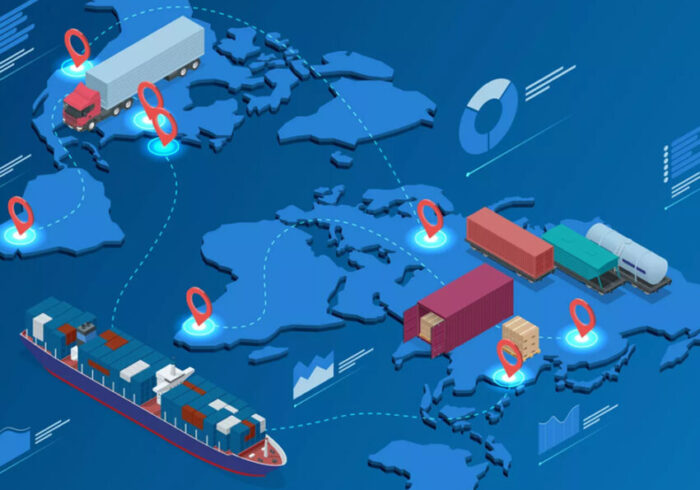
As e-commerce continues to grow globally, businesses that integrate 3D printing and drop shipping can tap into international markets more easily. The ability to produce customized products on demand allows entrepreneurs to cater to diverse consumer preferences across different regions, enhancing their global footprint.
Technological Advancements
The continuous evolution of 3D printing technology will likely lead to faster printing speeds, improved material properties, and more user-friendly software. These advancements will make it easier for entrepreneurs to create high-quality products quickly and efficiently, further driving the growth of 3D printing in the drop shipping model.
Regulatory Considerations
As the industry grows, regulatory frameworks surrounding 3D printing and drop shipping will likely evolve. Entrepreneurs must stay informed about changes in regulations that may impact their businesses, including safety standards, environmental regulations, and intellectual property laws.
Conclusion
The intersection of 3D printing and drop shipping represents a transformative shift in the e-commerce landscape. By leveraging the strengths of both technologies, entrepreneurs can create customized products, streamline their supply chains, and respond quickly to market demands. While challenges exist, the potential for innovation and growth in this space is immense. As technology continues to advance, the future of 3D printing and drop shipping will undoubtedly shape the way we shop and consume products.
As you explore the exciting possibilities of customized 3D printed products and the convenience of drop shipping, discover how LooperBuy can help you bring your unique creations to life and enhance your shopping experience. Check it out here: LooperBuy.
Article Summary: This article explores the synergy between 3D printing and drop shipping, highlighting their benefits, challenges, and future potential in e-commerce. It discusses how these technologies enable customization, on-demand production, and streamlined supply chains, while also addressing quality control and competition issues. The future looks promising with trends toward sustainability, AI integration, community building, and technological advancements.
Hot Tags: 3D Printing; Drop Shipping; E-Commerce; Custom Products; On-Demand Manufacturing; Supply Chain Management; Digital Marketing; Sustainable Practices; Rapid Prototyping; Consumer Goods; Personalized Products; Online Retail; Inventory Management; Product Design; Logistics Solutions; Business Innovation; Technology Trends; Market Competition; Entrepreneurial Strategies; Manufacturing Technology; Customization; Digital Fabrication; E-Commerce Solutions; 3D Printing Materials; AI in Manufacturing; Product Development; Startups; Online Business; Retail Trends; Future of E-Commerce.