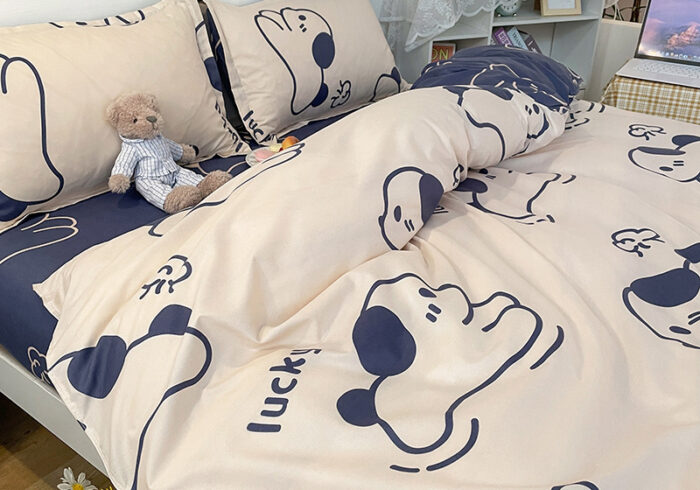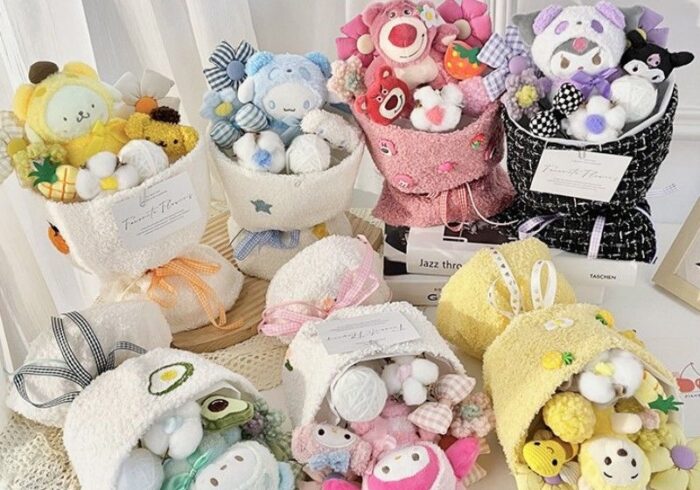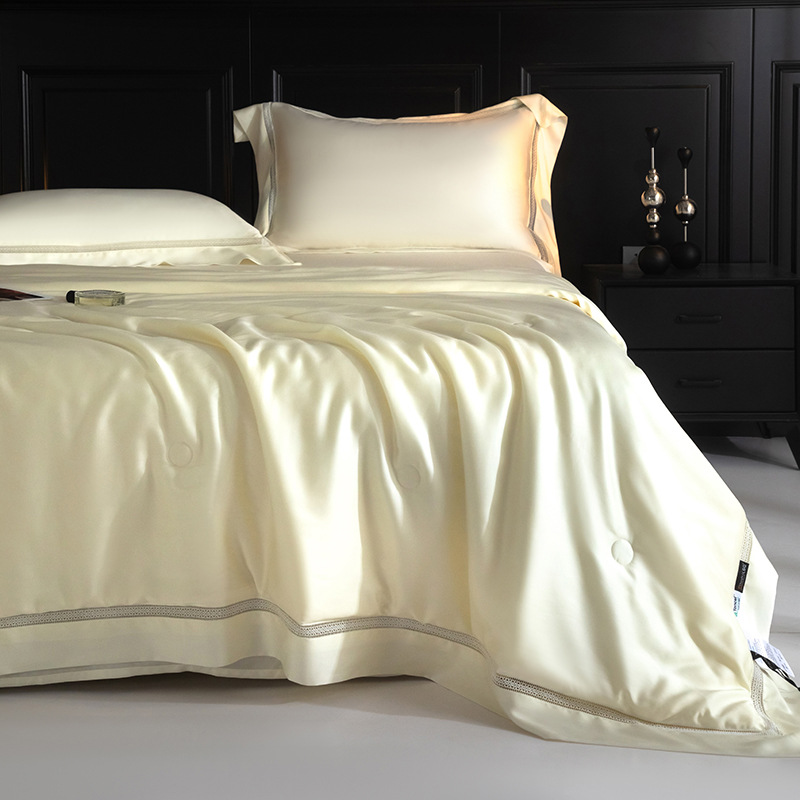
Home textiles play a crucial role in defining the ambiance and functionality of our living spaces. From curtains and cushions to rugs and throws, these elements not only add comfort but also reflect our personal style. In this article, we will explore the world of creative home textiles, discussing innovative designs, sustainable practices, and how to effectively incorporate these textiles into your home decor.
Table of Contents
The Importance of Home Textiles
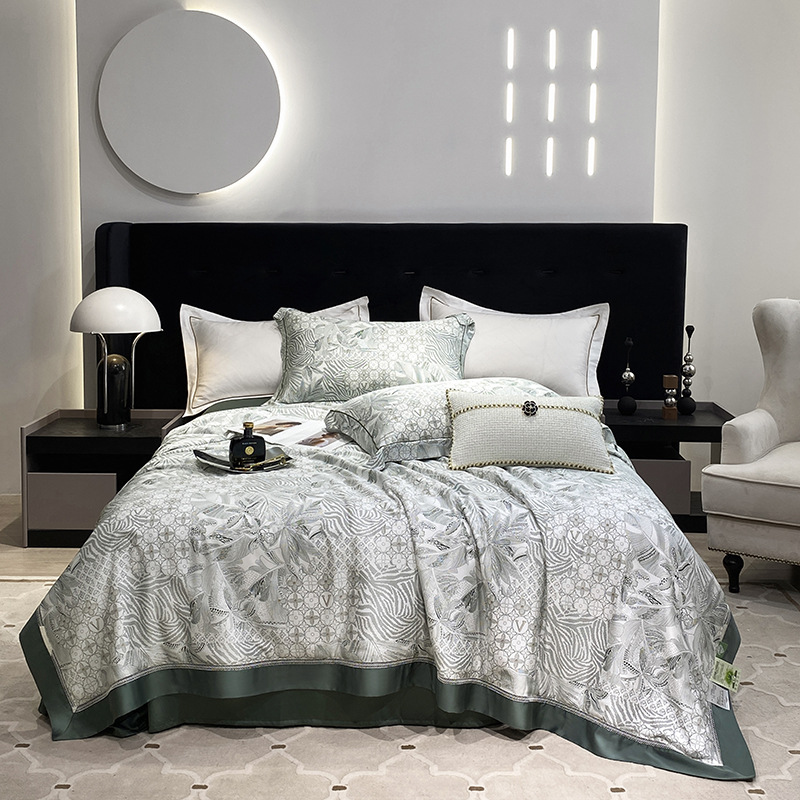
Home textiles are essential for several reasons. They enhance the aesthetic appeal of a room, provide comfort, and can even improve the acoustics of a space. The right textiles can transform a bland room into a vibrant and inviting environment.
Aesthetic Appeal
The visual impact of home textiles cannot be overstated. Patterns, colors, and textures can dramatically change the look and feel of a room. For instance, a bold geometric print can add a modern touch, while soft pastels can create a serene atmosphere. Mixing and matching different textiles can also add depth and interest to your decor.
Color Psychology
Color plays a significant role in how we perceive our environment. Different colors can evoke various emotions and moods. For example, warm colors like reds and oranges can create a sense of warmth and energy, while cool colors like blues and greens can promote calmness and relaxation. When selecting home textiles, consider the psychological effects of colors and how they align with the atmosphere you wish to create in each room.
Comfort and Functionality
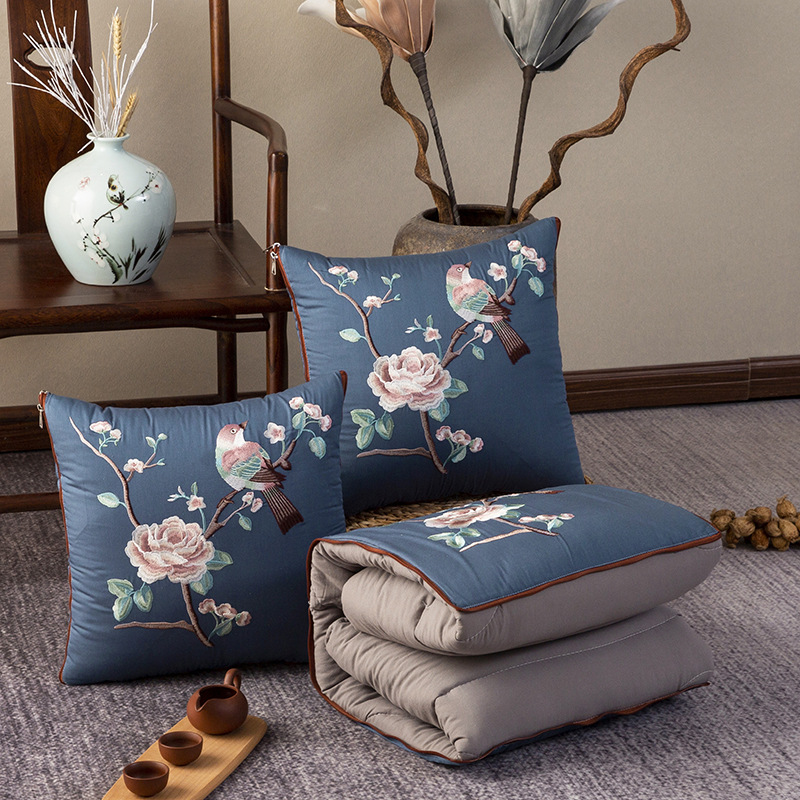
Beyond aesthetics, home textiles contribute to the comfort of a space. Soft cushions and throws invite relaxation, while curtains can control light and privacy. Additionally, textiles can serve practical purposes, such as protecting furniture from wear and tear or providing insulation against temperature changes.
Insulation and Energy Efficiency
Textiles can also play a role in energy efficiency. Heavy drapes can help insulate windows, keeping heat in during the winter and blocking out the sun in the summer. This not only enhances comfort but can also lead to energy savings on heating and cooling costs.
Acoustic Benefits
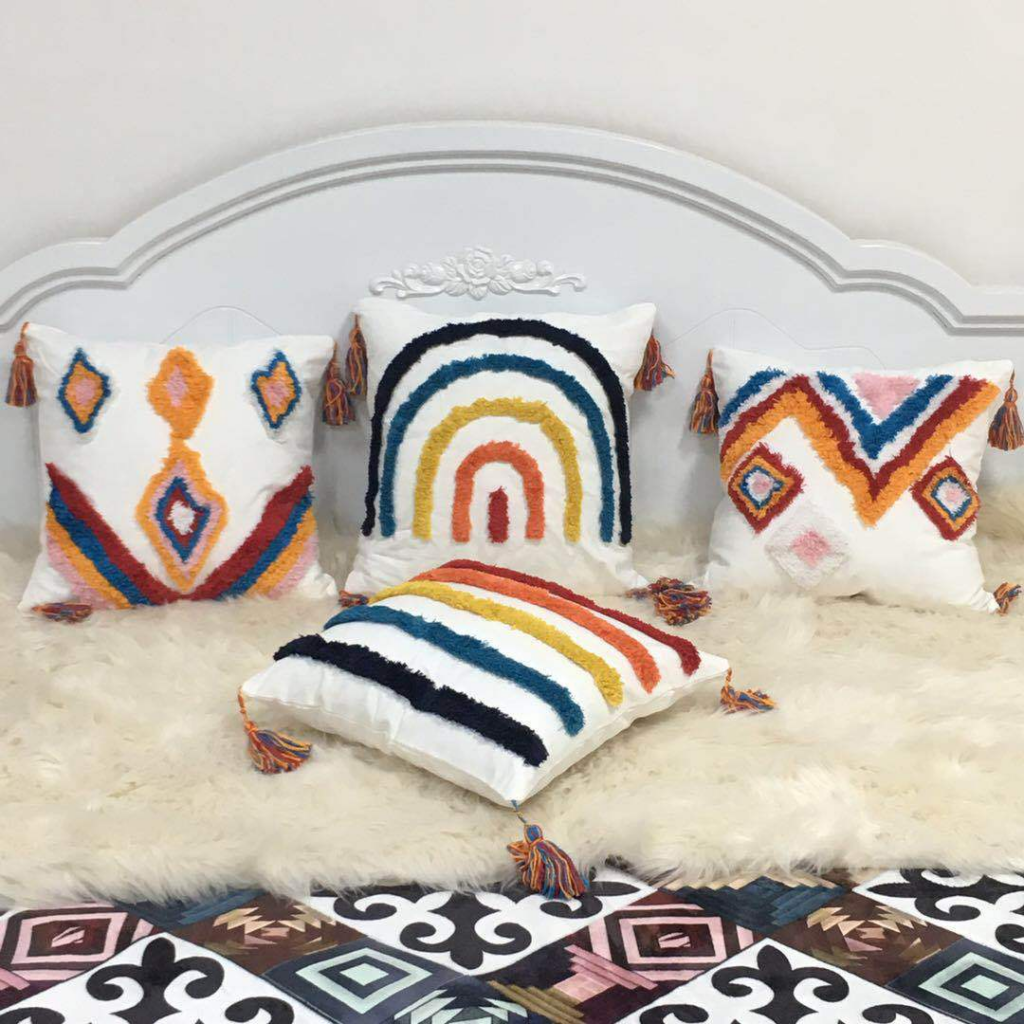
Textiles can also play a role in sound absorption. In open spaces or homes with high ceilings, adding rugs, curtains, and upholstered furniture can help reduce echo and create a more pleasant auditory environment. This is particularly important in homes with children or pets, where noise levels can be higher.
Trends in Creative Home Textiles
The world of home textiles is constantly evolving, with new trends emerging each season. Here are some of the most exciting trends currently shaping the industry.
Sustainable Textiles
As environmental awareness grows, many consumers are seeking sustainable options for their home textiles. This includes fabrics made from organic materials, recycled fibers, and those produced through eco-friendly processes. Brands are increasingly focusing on transparency in their supply chains, allowing consumers to make informed choices.
Organic Cotton and Linen
Organic cotton and linen are popular choices for eco-conscious consumers. These materials are grown without harmful pesticides and chemicals, making them safer for both the environment and human health. Additionally, they are often softer and more durable than conventional fabrics.
Recycled Fabrics
Recycled textiles are another innovative option. Brands are creating beautiful fabrics from post-consumer waste, such as plastic bottles and discarded clothing. This not only reduces landfill waste but also conserves resources.
Bold Patterns and Textures
In recent years, there has been a shift towards bold patterns and textures in home textiles. From vibrant florals to intricate geometric designs, these textiles can serve as statement pieces in any room.
Layering Textures
Layering different textures is a key trend in home decor. Combining smooth fabrics with rougher textures can create a visually interesting and inviting space. For example, pairing a soft velvet cushion with a chunky knit throw can add depth to a sofa arrangement.
Statement Rugs
Rugs are no longer just functional items; they are becoming focal points in home design. Large, colorful rugs can anchor a room and set the tone for the entire space. Whether it’s a traditional Persian rug or a modern abstract design, the right rug can elevate your decor.
Personalization and Customization
Consumers are increasingly looking for ways to personalize their home textiles. Customizable options allow individuals to express their unique style and preferences.
Custom Prints
Many brands now offer the option to create custom prints for curtains, cushions, and other textiles. This allows homeowners to choose colors, patterns, and even sizes that fit their specific needs.
DIY Projects
The DIY trend has also influenced home textiles. Many people are taking on projects to create their own unique pieces, whether it’s sewing curtains or reupholstering furniture. This not only adds a personal touch but can also be a rewarding creative outlet.
Cultural Influences
Cultural influences are also shaping the world of home textiles. As globalization continues to connect different parts of the world, we see a blend of styles and traditions in textile design. From Moroccan patterns to Scandinavian minimalism, incorporating diverse cultural elements can add richness and depth to your home decor.
Global Textiles
Textiles from different cultures often tell a story. For example, Indian block prints are known for their intricate designs and vibrant colors, while Japanese textiles often feature subtle patterns and natural dyes. By incorporating these global textiles into your home, you can create a unique and culturally rich environment.
Incorporating Creative Textiles into Your Home
Now that we’ve explored the trends in creative home textiles, let’s discuss how to effectively incorporate them into your home decor.
Choosing the Right Textiles
When selecting textiles for your home, consider the overall style and color scheme of your space. It’s important to choose fabrics that complement your existing decor while also reflecting your personal style.
Color Coordination
Color coordination is key to creating a cohesive look. If your walls are painted in a neutral tone, consider adding pops of color through your textiles. Conversely, if your space is already vibrant, opt for more subdued textiles to balance the overall aesthetic.
Mixing Patterns
Mixing patterns can be a fun way to add interest to your decor. When doing so, aim for a balance between different patterns. For example, pair a bold floral print with a subtle stripe to create a harmonious look.
Practical Considerations
While aesthetics are important, practicality should also be considered when choosing home textiles.
Durability
Select textiles that are durable and easy to maintain, especially in high-traffic areas. Fabrics like polyester blends and treated cotton can withstand wear and tear while still looking great.
Care Instructions
Be mindful of the care instructions for your textiles. Some fabrics may require special cleaning methods, which can be a hassle in busy households. Opt for machine-washable options when possible.
Creating a Cohesive Look
To achieve a cohesive look in your home, consider the following tips:
Use a Consistent Color Palette
Choose a color palette that flows throughout your home. This doesn’t mean every room needs to be identical, but a consistent color scheme can create a sense of unity.
Coordinate Textures
Incorporate a variety of textures to add depth to your decor. For example, pair soft cotton curtains with a chunky knit throw and a sleek leather sofa for a balanced look.
Room-Specific Textile Choices
Different rooms in your home may require different types of textiles based on their function and atmosphere. Here are some suggestions for various spaces:
Living Room
In the living room, focus on comfort and style. Use a mix of cushions in various sizes and textures to create an inviting seating area. Consider a large area rug to define the space and add warmth. Curtains should be chosen based on the desired level of light control and privacy.
Bedroom
The bedroom is a sanctuary, and textiles play a vital role in creating a restful environment. Opt for soft, breathable fabrics for bedding, such as cotton or linen. Layering different textures, like a plush throw over a lightweight duvet, can add visual interest. Don’t forget about blackout curtains if you need to control light for better sleep.
Kitchen
In the kitchen, textiles can add both functionality and style. Consider using colorful dish towels, table runners, and seat cushions to brighten up the space. Choose fabrics that are easy to clean and durable, as kitchens can be prone to spills and stains.
Bathroom
In the bathroom, towels and bath mats are essential textiles. Opt for absorbent, quick-drying materials to enhance functionality. Consider adding decorative elements like patterned shower curtains or unique textile wall art to elevate the space.
Conclusion
Creative home textiles are an essential component of interior design, offering both aesthetic appeal and practical benefits. By embracing current trends, such as sustainability and personalization, homeowners can transform their spaces into stylish and comfortable environments. Whether you’re looking to make a bold statement or create a serene retreat, the right textiles can help you achieve your vision.
Incorporating these elements thoughtfully will not only enhance your home’s beauty but also reflect your unique style and values. As you explore the world of creative home textiles, remember to consider both form and function to create a space that truly feels like home.
How to purchase:Online B2B sourcing platform, China purchase, Chinese suppliers – LooperBuy
Article Summary:
This article explores the significance of creative home textiles in enhancing the aesthetic and functional aspects of living spaces. It discusses current trends such as sustainability, bold patterns, and personalization, while providing practical tips for incorporating textiles into home decor. By understanding the role of textiles, homeowners can create stylish and comfortable environments that reflect their unique tastes.
Hot Tags:
Creative Home Textiles; Sustainable Fabrics; Bold Patterns; Custom Textiles; Home Decor Ideas; Textile Trends; Eco-Friendly Textiles; DIY Home Projects; Interior Design; Home Accessories; Textile Layering; Color Coordination; Modern Home Textiles; Vintage Fabrics; Textile Innovation; Home Comfort; Unique Home Decor; Fabric Patterns; Textile Design; Home Aesthetics; Cozy Textiles; Functional Fabrics; Textile Personalization; Home Textile Trends; Stylish Home Textiles; Textile Art; Home Textile Inspiration; Creative Decor; Textile Solutions; Home Textile Styles
Related Questions & Answers
· What are the benefits of using sustainable home textiles?
Sustainable home textiles are better for the environment, often made from organic materials, and can be healthier for your home as they are free from harmful chemicals.
· How can I mix different textile patterns in my home?
To mix patterns effectively, choose a common color palette and vary the scale of the patterns. For example, pair a large floral print with smaller geometric designs.
· What types of textiles are best for high-traffic areas?
Durable fabrics like polyester blends, canvas, and treated cotton are ideal for high-traffic areas as they can withstand wear and are often easy to clean.
· How can I personalize my home textiles?
You can personalize home textiles by choosing custom prints, selecting unique colors, or even creating DIY projects to make one-of-a-kind pieces.
· What are some current trends in home textiles?
Current trends include sustainable materials, bold patterns, layering textures, and personalized designs that allow homeowners to express their individual style.