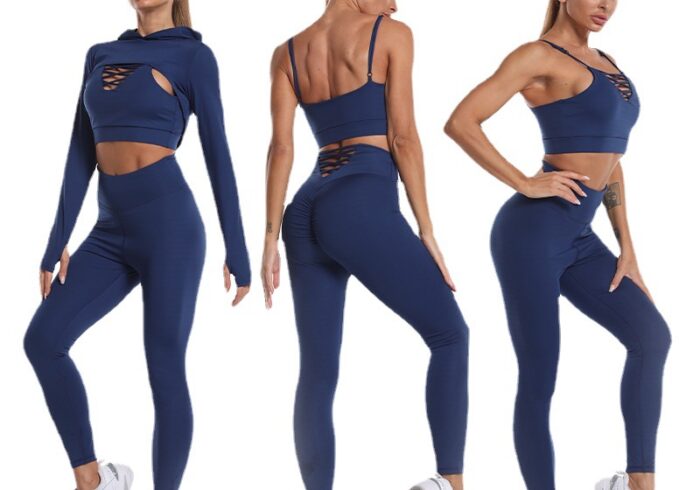
In recent years, the demand for sustainable and eco-friendly products has surged, particularly in the fashion industry. Among these, organic athletic wear has emerged as a popular choice for fitness enthusiasts and environmentally conscious consumers alike. This article explores the benefits, materials, and brands associated with organic athletic wear, highlighting its significance in promoting a healthier lifestyle and a healthier planet.
Table of Contents
Understanding Organic Athletic Wear
What is Organic Athletic Wear?
Organic athletic wear refers to clothing designed for physical activities that is made from organic materials. These materials are cultivated without the use of synthetic pesticides, fertilizers, or genetically modified organisms (GMOs). The most common fabrics used in organic athletic wear include organic cotton, bamboo, hemp, and Tencel. These materials not only provide comfort and durability but also contribute to environmental sustainability.
The Importance of Sustainability in Fashion
The fashion industry is one of the largest polluters in the world, contributing significantly to water pollution, waste, and carbon emissions. By choosing organic athletic wear, consumers can reduce their environmental footprint. Organic farming practices promote biodiversity, improve soil health, and reduce water usage, making it a more sustainable option compared to conventional cotton and synthetic fabrics.
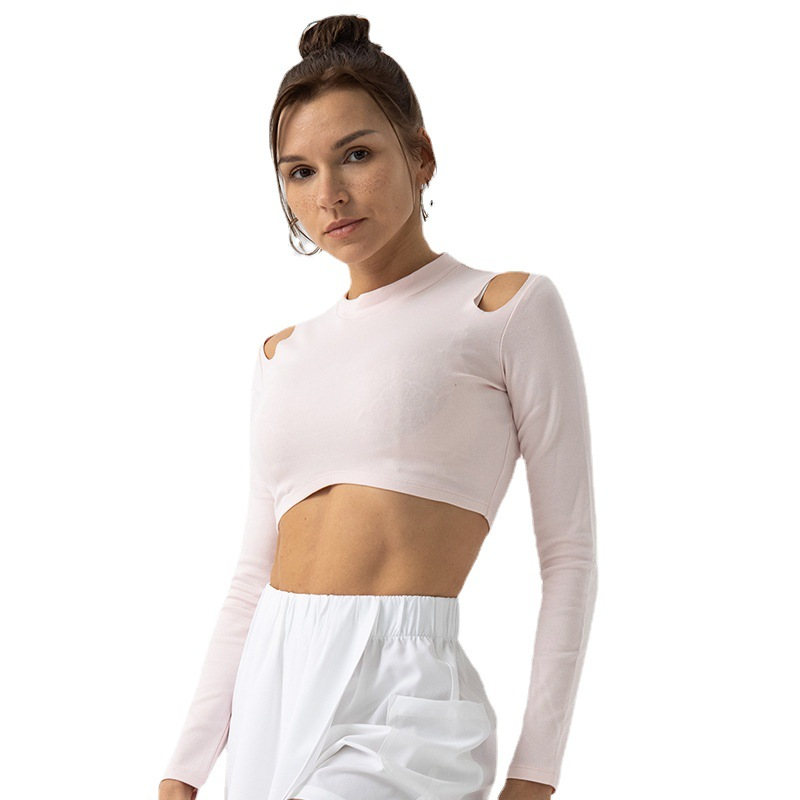
Benefits of Organic Athletic Wear
Health Benefits
One of the primary advantages of organic athletic wear is its health benefits. Traditional athletic wear often contains harmful chemicals and dyes that can irritate the skin. Organic fabrics, on the other hand, are free from these toxic substances, making them a safer choice for individuals with sensitive skin or allergies. Additionally, organic materials are breathable and moisture-wicking, enhancing comfort during workouts.
Environmental Impact
Choosing organic athletic wear significantly reduces the environmental impact associated with clothing production. Organic farming practices use less water and energy, and they do not contribute to soil degradation or water pollution. Furthermore, many brands that produce organic athletic wear prioritize ethical labor practices, ensuring fair wages and safe working conditions for their employees.
Performance and Comfort
Organic athletic wear is designed to perform just as well, if not better, than conventional athletic wear. The natural fibers used in these garments provide excellent breathability, moisture management, and flexibility. Many brands incorporate innovative designs and technologies to enhance performance, ensuring that consumers do not have to compromise on quality for sustainability.
Popular Materials in Organic Athletic Wear
Organic Cotton
Organic cotton is one of the most widely used materials in organic athletic wear. It is soft, breathable, and hypoallergenic, making it ideal for activewear. Organic cotton is grown without harmful chemicals, ensuring that it is safe for both the environment and the wearer. The production of organic cotton also supports sustainable farming practices, which can help to restore soil health and reduce water usage.
Bamboo
Bamboo is another popular choice for organic athletic wear. It is a fast-growing plant that requires minimal water and no pesticides. Bamboo fabric is naturally moisture-wicking, antibacterial, and UV-resistant, making it an excellent option for outdoor activities. The softness of bamboo fabric also adds to the comfort of athletic wear, making it a favorite among consumers.
Hemp
Hemp is a durable and sustainable fabric that has been used for centuries. It requires little water and no pesticides to grow, making it an eco-friendly choice. Hemp fabric is breathable, strong, and becomes softer with each wash, providing long-lasting comfort. Additionally, hemp cultivation can improve soil health and reduce the need for chemical fertilizers.
Tencel
Tencel, made from sustainably sourced wood pulp, is known for its silky feel and excellent moisture-wicking properties. It is biodegradable and produced in a closed-loop process, minimizing waste and environmental impact. Tencel is often blended with other organic materials to enhance the performance of athletic wear. Its ability to regulate temperature makes it suitable for various climates and activities.
Leading Brands in Organic Athletic Wear
MATE the Label
MATE the Label is a pioneer in the organic athletic wear movement, offering a range of stylish and functional activewear made from organic cotton. Their commitment to sustainability extends beyond materials, as they also focus on ethical manufacturing practices. MATE the Label emphasizes transparency in their supply chain, allowing consumers to make informed choices about their purchases.
Organic Basics
Organic Basics is dedicated to creating high-quality, sustainable clothing. Their activewear line features organic cotton and other eco-friendly materials, designed for both performance and comfort. The brand emphasizes transparency in its supply chain, ensuring that consumers know where their clothes come from. Organic Basics also promotes a minimalist approach to fashion, encouraging consumers to invest in timeless pieces that last.
Happy Earth Apparel
Happy Earth Apparel specializes in plant-based activewear made from organic cotton. Their products are designed with both style and sustainability in mind, making them a popular choice for eco-conscious consumers. The brand also supports fair trade practices, ensuring ethical labor conditions. Happy Earth Apparel’s commitment to sustainability is reflected in their packaging, which is made from recycled materials.
Ripple Yoga Wear
Ripple Yoga Wear offers a range of organic cotton yoga apparel that is both stylish and functional. Their commitment to sustainability is evident in their choice of materials and manufacturing processes, making them a favorite among yoga enthusiasts. Ripple Yoga Wear focuses on creating versatile pieces that can be worn both in and out of the studio, promoting a lifestyle of wellness and mindfulness.
Purakai
Purakai focuses on creating soft, chemical-free organic cotton clothing. Their athletic wear is designed for comfort and breathability, making it suitable for various physical activities. The brand prioritizes sustainability and ethical practices in its production, ensuring that consumers can feel good about their purchases. Purakai also emphasizes the importance of community, supporting local artisans and craftspeople.

How to Choose the Right Organic Athletic Wear
Consider Your Activity
When selecting organic athletic wear, consider the type of activity you will be engaging in. Different activities may require different types of clothing. For example, high-intensity workouts may benefit from moisture-wicking fabrics, while yoga may require more flexible and breathable materials. Understanding your specific needs will help you make informed choices.
Fit and Comfort
The fit of your athletic wear is crucial for performance and comfort. Look for garments that allow for a full range of motion without being too loose or restrictive. Many brands offer size guides to help you find the perfect fit. Additionally, consider the length and style of the clothing, as these factors can impact your overall comfort during workouts.
Fabric Properties
Pay attention to the properties of the fabric. Look for materials that are breathable, moisture-wicking, and durable. Organic cotton, bamboo, and Tencel are excellent choices for activewear due to their natural properties. Understanding the benefits of each fabric can help you select the best options for your needs.
Brand Values
Consider the values of the brand you are purchasing from. Look for companies that prioritize sustainability, ethical labor practices, and transparency in their supply chain. Supporting brands that align with your values can enhance your overall shopping experience. Researching a brand’s mission and practices can provide insight into their commitment to sustainability.
The Future of Organic Athletic Wear
Innovations in Sustainable Fabrics
As the demand for organic athletic wear continues to grow, brands are investing in research and development to create innovative sustainable fabrics. New materials, such as recycled polyester and plant-based alternatives, are being explored to reduce the environmental impact of athletic wear. These innovations aim to provide consumers with more options while maintaining performance and comfort.
The Role of Technology
Technology is playing a significant role in the evolution of organic athletic wear. Brands are utilizing advanced manufacturing techniques to create garments that are not only sustainable but also high-performing. For example, 3D knitting technology allows for seamless construction, reducing waste and improving fit. Additionally, smart textiles that monitor performance and provide feedback are becoming more prevalent in the athletic wear market.
Consumer Awareness and Education
As consumers become more aware of the environmental impact of their purchasing decisions, the demand for organic athletic wear is expected to rise. Brands that prioritize transparency and education will likely gain a competitive edge in the market. Providing information about the benefits of organic materials and sustainable practices can help consumers make informed choices.
Collaboration and Community
Collaboration among brands, consumers, and organizations is essential for promoting sustainable practices in the fashion industry. Initiatives that encourage recycling, upcycling, and responsible consumption can help reduce waste and promote a circular economy. By working together, stakeholders can create a more sustainable future for athletic wear and the fashion industry as a whole.
Conclusion
Organic athletic wear represents a significant shift towards sustainability in the fashion industry. By choosing eco-friendly materials and supporting ethical brands, consumers can make a positive impact on the environment while enjoying high-quality, comfortable athletic apparel. As the demand for sustainable fashion continues to grow, it is essential to stay informed about the options available and make conscious choices that benefit both our health and the planet.
How to purchase:Online B2B sourcing platform, China purchase, Chinese suppliers – LooperBuy
Frequently Asked Questions
1. What is the difference between organic and conventional athletic wear?
Organic athletic wear is made from materials grown without synthetic pesticides or fertilizers, while conventional athletic wear often uses these chemicals in its production.
2. Is organic athletic wear more expensive than regular athletic wear?
Generally, organic athletic wear can be more expensive due to the higher costs associated with sustainable farming and ethical manufacturing practices. However, many consumers find the investment worthwhile for the health and environmental benefits.
3. How do I care for organic athletic wear?
To care for organic athletic wear, wash it in cold water with a gentle detergent and avoid using fabric softeners. Air drying is recommended to preserve the fabric’s integrity.
4. Can I find stylish designs in organic athletic wear?
Yes, many brands offer stylish and trendy designs in organic athletic wear, ensuring that you can look good while being environmentally conscious.
5. Where can I buy organic athletic wear?
Organic athletic wear can be purchased from various online retailers, including specialized sustainable fashion brands and larger retailers that offer eco-friendly options.
Hot Tags: organic athletic wear, sustainable fashion, eco-friendly materials, organic cotton, bamboo fabric, hemp clothing, Tencel activewear, ethical brands, fitness apparel, environmentally conscious, health benefits, moisture-wicking fabrics, breathable activewear, fair trade practices, stylish workout clothes, eco-conscious consumers, sustainable lifestyle, athletic performance, natural fibers, responsible fashionRetryCopy messageUpvote