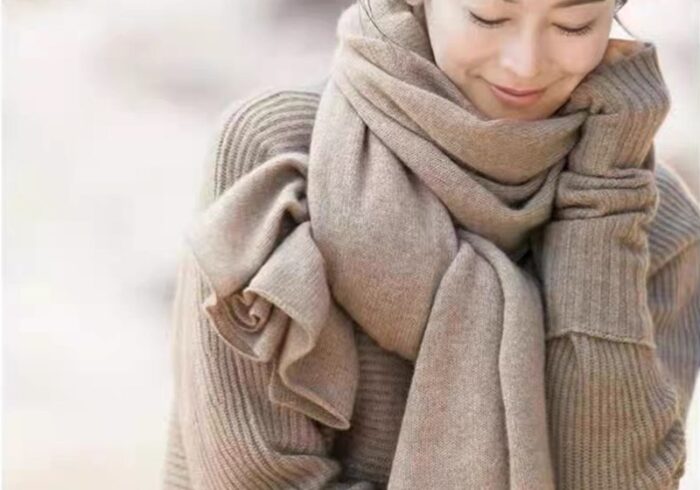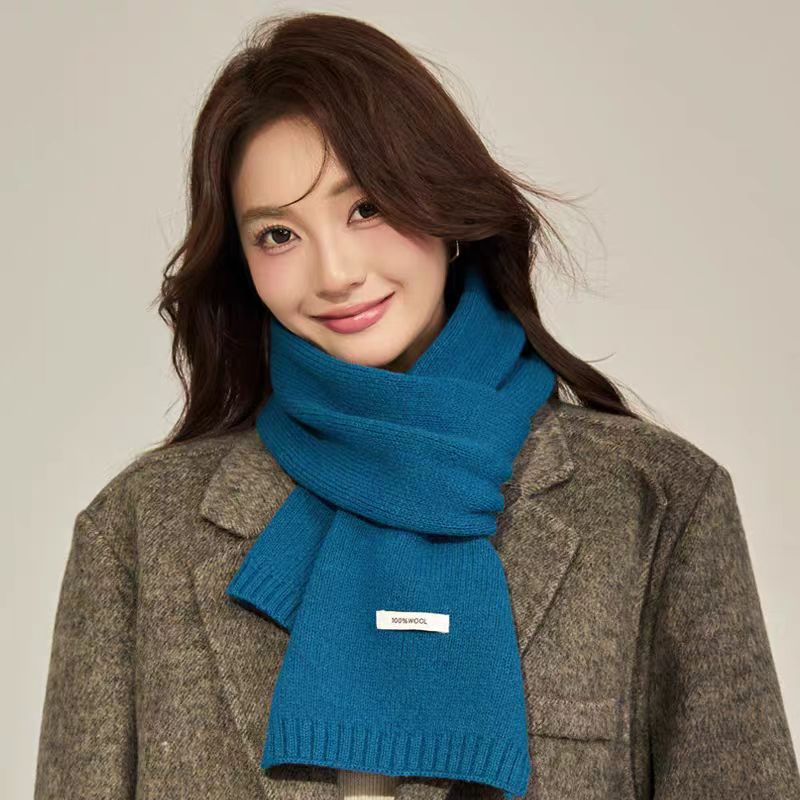
When the biting winds of winter begin to howl and temperatures plummet, your wardrobe requires more than just style—it demands functional defense against the elements. Among the arsenal of cold-weather accessories, none quite match the timeless elegance and unparalleled performance of a thick wool scarf. It is the quintessential bridge between comfort and high fashion, offering a cocoon of warmth while serving as a statement piece that elevates even the most basic winter ensemble. Understanding how to choose, wear, and maintain this essential accessory will transform your approach to winter dressing.
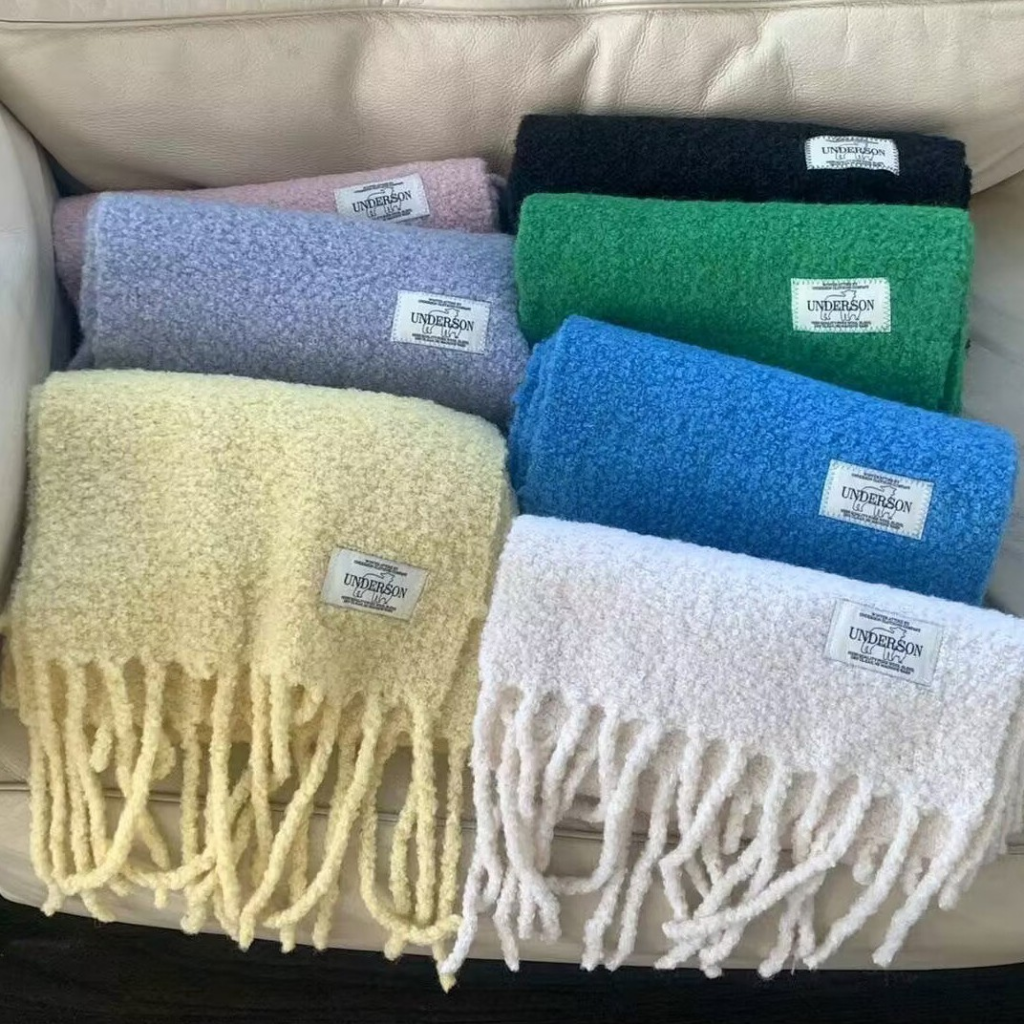
Table of Contents
The Science and Style of Superior Warmth
A thick wool scarf is not merely a piece of fabric; it is a masterpiece of natural engineering. Wool, particularly from sheep, alpaca, or cashmere, possesses a unique fiber structure that makes it the gold standard for cold-weather protection. Unlike synthetic alternatives that may trap moisture or fail to provide consistent thermal regulation, natural wool breathes while simultaneously insulating.
Why Natural Wool Reigns Supreme
The secret lies in the crimp of the wool fiber, which creates tiny air pockets that trap body heat, effectively forming a thermal barrier against the frigid air. Furthermore, wool is naturally hydrophilic and hydrophobic; its inner core absorbs moisture, while its outer layer repels it. This incredible property ensures that even if you are caught in a light winter drizzle or a sudden snowfall, the scarf keeps you warm without feeling damp or heavy. Investing in high-quality, thick wool is, fundamentally, an investment in your personal comfort during the harsh winter months.
Compared to synthetic fibers like polyester or acrylic, wool is a renewable, biodegradable, and sustainable resource. Synthetic fibers often lack the crimp required to hold heat effectively, leading to a “sweaty” feeling when transitioning from outdoors to indoors. Wool’s ability to regulate temperature means that when you step into a heated building, you don’t instantly overheat; the fibers work in tandem with your body’s natural cooling processes.
Aesthetic Versatility and Texture
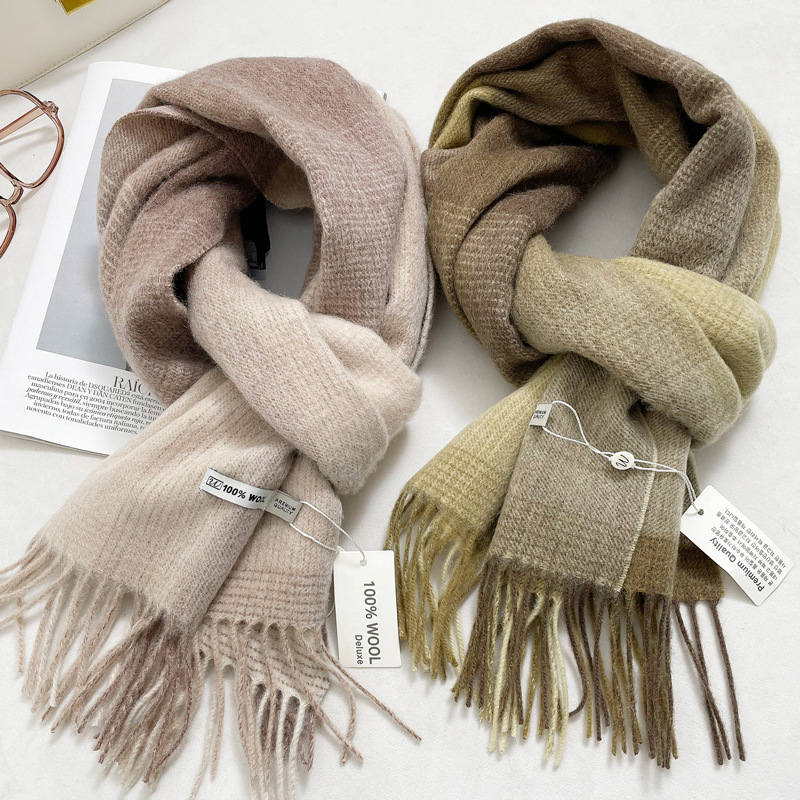
Beyond its practical utility, a chunky wool scarf provides immediate texture to an outfit. Winter fashion often falls into the trap of uniformity, with many people defaulting to monotonous dark coats and neutral sweaters. A well-chosen thick wool scarf acts as a focal point, introducing depth, color, and dimension. Whether you opt for a classic oversized plaid, a minimalist cable-knit, or a rich, solid-colored piece, the scarf adds a layer of intentionality to your look.
Texture plays a massive role in visual interest. A chunky, hand-knitted cable pattern adds a rustic, cozy charm, while a tightly woven, brushed wool scarf offers a sleek, sophisticated vibe. By layering different textures—such as placing a thick, fluffy scarf over a smooth wool coat—you create a sophisticated contrast that catches the eye and makes your outfit feel intentional rather than haphazardly thrown together.
Mastery of Draping and Styling Techniques
How you wear your scarf is just as important as the quality of the wool itself. A thick scarf offers an abundance of styling opportunities, each projecting a different vibe and providing varying levels of neck coverage.
The Classic Loop and The Modern Drape
The simplest, most effective method for maximum warmth is the classic “Parisian loop.” By folding your scarf in half and pulling the loose ends through the resulting loop, you create a snug, secure wrap that stays put during high winds and provides excellent coverage for your neck and chest. This method is perfect for commuting or outdoor activities where staying warm is the priority.
For a more relaxed, fashion-forward approach, simply draping the scarf over your shoulders like a shawl or letting it hang loosely around your neck with a coat worn open creates an elongated, effortless silhouette. This style works exceptionally well with belted coats or structured blazers, introducing a sense of fluidity to your winter attire. It is the perfect choice for indoor gatherings or events where you want to keep the warmth of the wool without the bulk of a heavy knot.
Advanced Wrapping for Chunky Knits
For those especially chilly days, the “bandage wrap” is an essential technique. Taking your thick wool scarf and wrapping it multiple times around your neck—ensuring you cover the space between your chin and your coat collar—locks in heat effectively. The key here is not to pull too tight; leave a little room for air circulation, which prevents the wool from feeling stifling.
For those with infinity scarves or long, voluminous wool pieces, knotting the ends securely to the side or front adds a touch of bohemian flair while keeping the scarf securely in place all day long. If you are wearing a scarf with fringe, try to position the fringe so it sits at the front, adding a playful movement to your silhouette as you walk. The “cross-tuck” is another sophisticated option: loop the scarf around once, take one end and pull it over the top of the loop, then take the other end and tuck it underneath. This creates a neat, braided effect that looks polished and intentional.
Deep Dive: Selecting the Right Wool
Not all wool is created equal. Understanding the source of your scarf can greatly influence your wearing experience.
Merino Versus Traditional Wool
Merino wool is highly sought after because of its exceptionally fine fiber diameter. It is incredibly soft and lacks the “itch factor” associated with coarser wools, making it perfect for scarves that will sit directly against your skin. It also has superior thermal regulation, making it versatile for autumn through the dead of winter.
On the other hand, Shetland or Norwegian wools are coarser and denser. While they may feel slightly rougher to the touch, they are incredibly durable and offer a “heft” that provides unparalleled protection against gale-force winds. Choosing the right wool depends on your sensitivity to texture and the specific climate you live in. If you live in a region with extreme wind chill, look for the heavier, denser varieties. If you prioritize comfort and softness for daily commutes, Merino is your best ally.
The Role of Color Psychology
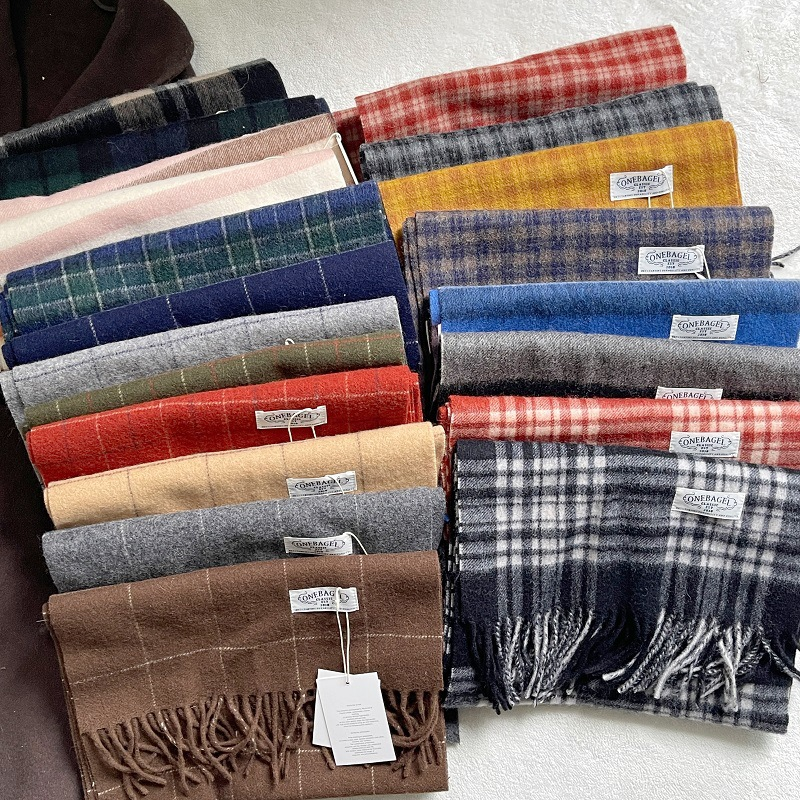
Your scarf color should not be an afterthought. Because it sits right next to your face, it significantly impacts your complexion. A bright red or deep emerald scarf can breathe life into a pale winter complexion, while earth tones like oatmeal, camel, and charcoal provide a timeless, sophisticated aesthetic that pairs well with almost any coat color. For those who want to make a bold statement, consider oversized color-blocking or classic tartan patterns that pay homage to traditional heritage patterns while feeling modern in their execution.
Essential Care for Longevity
A high-quality thick wool scarf can last for many years, provided it receives the proper care. Wool is a natural fiber that requires gentle handling to maintain its loft, softness, and structural integrity.
Gentle Cleaning and Refreshing
Avoid frequent washing. Because wool has natural antimicrobial properties, it often needs nothing more than a periodic airing out. Hang your scarf in a well-ventilated area, perhaps outdoors on a clear, cool day, to let the fibers breathe and release any absorbed odors.
When cleaning is necessary, opt for hand washing in cool water using a specialized wool detergent. Never use harsh chemicals or bleach, and certainly avoid the washing machine’s agitator, which can felt the wool and permanently ruin the texture. Gently squeeze the water out—do not wring or twist the fabric—and lay it flat on a clean towel to air dry, away from direct heat sources or sunlight. Sunlight can cause the fibers to become brittle and can fade vibrant colors over time.
Storage and Protection
During the warmer months, proper storage is crucial to prevent moth damage and deformation. Ensure your scarf is clean and completely dry before storing it in a breathable garment bag or a sealed container with cedar blocks or lavender sachets, which act as natural deterrents to moths. Avoid hanging thick, heavy wool scarves for extended periods, as the weight can cause the fibers to stretch and distort the shape. Instead, fold them neatly and place them on a shelf or in a drawer.
Troubleshooting Common Issues
Sometimes, even with the best care, your wool scarf might develop pills—those tiny balls of fiber that appear on the surface. This is a natural result of friction and does not mean the garment is ruined. Use a fabric shaver or a fine-toothed wool comb to gently remove these pills, following the direction of the knit. Be patient and gentle, and your scarf will look as good as new. If a snag occurs, never pull the loose thread. Instead, use a needle to carefully pull the thread through to the backside of the scarf, securing it with a small knot if necessary.
Conclusion
A thick wool scarf is more than a seasonal accessory; it is a vital component of a well-rounded winter wardrobe that harmonizes extreme comfort with sophisticated style. By understanding the superior insulating properties of natural wool, mastering versatile draping techniques, and committing to proper fiber care, you can ensure that this essential piece remains a staple of your winter rotation, providing warmth and elevation to your outfits for many seasons to come. Investing in a high-quality piece is not just about keeping warm; it’s about honoring the craftsmanship and timeless appeal of a garment designed to stand the test of time.
How to purchase:Online B2B sourcing platform, China purchase, Chinese suppliers – LooperBuy
Article Summary
This article serves as a comprehensive guide to thick wool scarves, highlighting their role as both a functional necessity and a fashion statement in cold-weather climates. It delves into the science of wool fibers, provides detailed instructions for various styling and knotting techniques, explains the nuances of selecting different wool types, and outlines best practices for maintenance and storage to ensure longevity.
Hot Tags:
Thick Wool Scarf; Winter Fashion; Cold Weather Accessories; Sustainable Style; Wool Care Guide; Styling Tips; Cozy Winter Wear; Natural Insulation; Fashion Essentials; Chunky Knit; Merino Wool; Classic Winter Look; Cold Protection; Luxury Accessories; Seasonal Wardrobe; Texture In Fashion; Outdoor Comfort; Winter Styling; Quality Wool; Scarf Tying Techniques; Elegant Winter; Breathable Fabrics; Wardrobe Staples; Sustainable Fashion; Winter Outfit Ideas; Wool Benefits; Fabric Care; Cozy Aesthetic; Minimalist Winter; Style Versatility
Related Questions & Answers
· Why is wool better than synthetic materials for winter scarves?
Wool is a natural, breathable fiber with a complex structure that traps air, providing superior insulation, while also being capable of wicking moisture away from the skin, keeping you dry and warm.
· How often should I wash my wool scarf?
You should avoid frequent washing. Wool naturally resists odors, so airing it out in a ventilated space is usually sufficient; wash it only when necessary, typically once or twice a season using gentle, specialized methods.
· What is the best way to prevent my wool scarf from losing its shape?
Avoid hanging your scarf for long-term storage, as the weight can stretch the fibers; instead, fold it neatly and store it flat in a cool, dry, and protected environment.
· Can a thick wool scarf be styled for formal occasions?
Absolutely. Opt for a solid, neutral color or a subtle weave in high-quality wool, and choose elegant draping techniques, such as a simple loop or a loose shawl drape, to complement formal coats.
· How can I tell if a wool scarf is high quality?
Look for dense, uniform fibers, a soft feel without excessive itchiness, and a clean construction; natural, pure wools or high-quality blends typically have a better, more durable texture than cheap synthetic imitations.