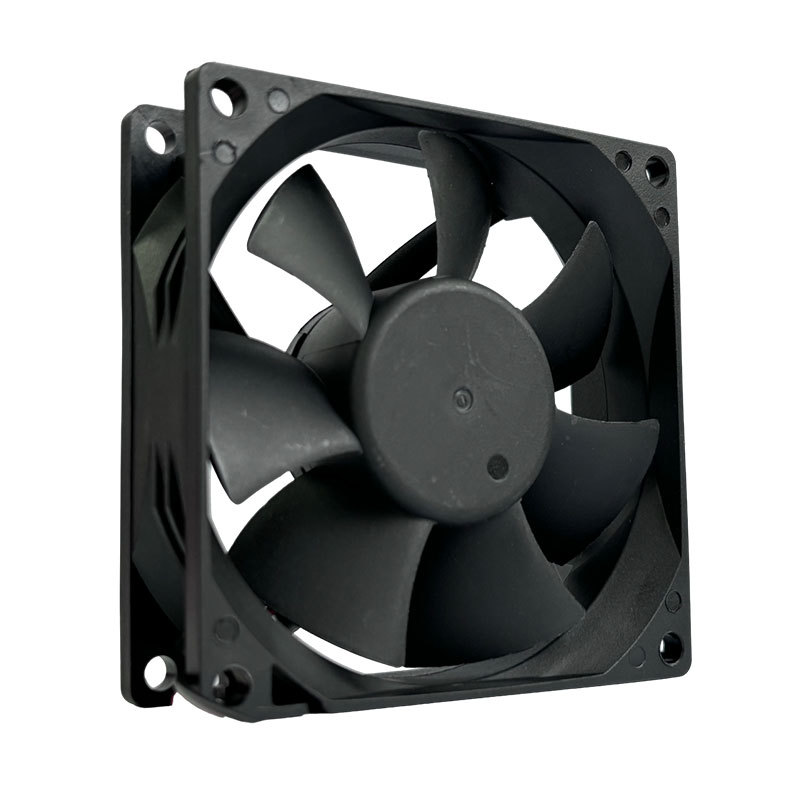
Electric radiator cooling fans play a crucial role in maintaining optimal radiator performance across various applications. From industrial machinery to automotive cooling systems, these fans ensure efficient heat dissipation, preventing overheating and extending equipment lifespan. This comprehensive guide delves into the intricacies of electric radiator cooling fans, offering valuable insights for professionals and enthusiasts alike.
Table of Contents
What Is an Electric Radiator Cooling Fan?
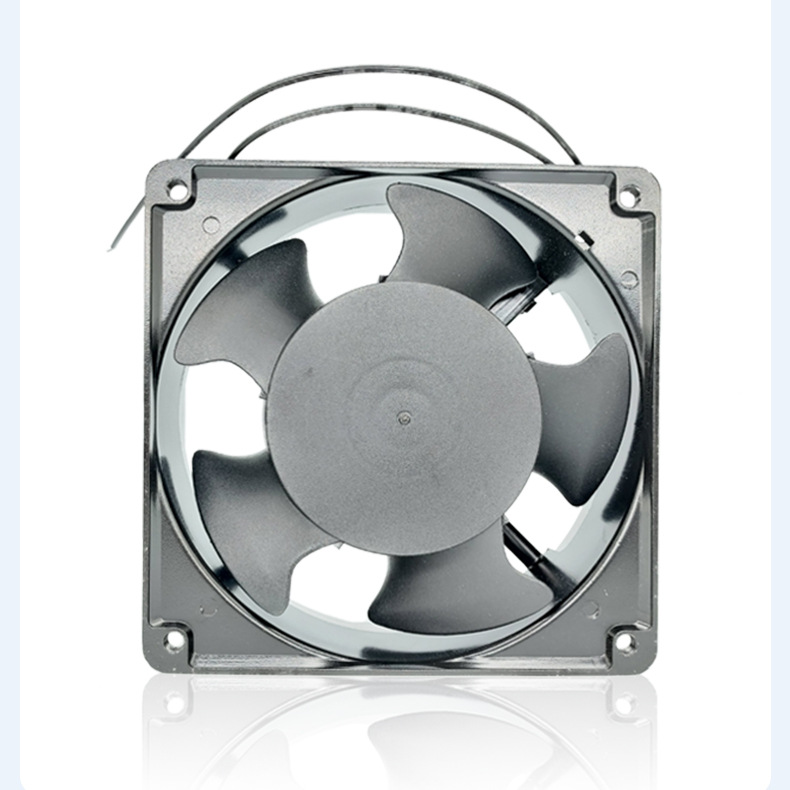
An electric radiator cooling fan is a device designed to enhance radiator cooling efficiency by increasing airflow across the radiator core. Unlike mechanically driven fans, electric fans operate independently of the engine, providing more precise temperature control. They typically consist of a motor, fan blades, and a mounting mechanism, along with a thermostat or electronic control unit that activates the fan when certain temperature thresholds are reached.
Working Principle
Electric radiator cooling fans function based on simple yet effective principles. When the coolant temperature rises above a predetermined level, the thermostat or control module triggers the electric motor, causing the fan blades to rotate. This rotation generates airflow, which passes through the radiator fins, facilitating heat transfer from the coolant to the surrounding air. Once the coolant temperature drops below the set point, the fan deactivates, conserving energy and reducing noise.
Key Components
- Motor: The heart of the electric fan, usually a DC motor, powers the fan blades and must be robust enough to handle continuous operation under varying conditions.
- Fan Blades: Designed for optimal airflow, these blades are often made of durable plastic or composite materials and come in various shapes and sizes to match specific cooling requirements.
- Thermostat/Control Module: This component monitors coolant temperature and activates or deactivates the fan accordingly, ensuring efficient operation and preventing unnecessary energy consumption.
Applications of Electric Radiator Cooling Fans
Electric radiator cooling fans find widespread use across numerous industries due to their versatility and efficiency. Let’s explore some key application areas.
Automotive Industry
In modern vehicles, electric radiator cooling fans are standard in engine cooling systems. They help regulate engine temperature, improving performance and fuel efficiency. Additionally, they are used in transmission cooling systems, where they prevent transmission fluid overheating, ensuring smooth gear shifting and prolonged transmission life.
Industrial Machinery
Heavy machinery, such as construction equipment, agricultural tractors, and industrial generators, relies on electric radiator cooling fans to maintain optimal operating temperatures. These fans prevent overheating of engines and hydraulic systems, reducing downtime and maintenance costs.
Marine Applications
Boats and ships also utilize electric radiator cooling fans, particularly in their propulsion systems and generator sets. Efficient cooling is essential in marine environments to prevent engine failure and ensure safe and reliable operation.
HVAC Systems
In heating, ventilation, and air conditioning (HVAC) systems, electric radiator cooling fans assist in heat exchange processes, enhancing the cooling capacity and efficiency of air conditioning units and heat pumps.
Factors Affecting Electric Radiator Cooling Fan Performance
Several factors influence the performance of electric radiator cooling fans, and understanding them can help optimize their effectiveness.
Airflow Rate
Measured in cubic feet per minute (CFM), the airflow rate determines how much air the fan can move across the radiator. Higher airflow rates generally provide better cooling, but they must be balanced with other factors like noise levels and energy consumption.
Fan Size and Diameter
The size of the fan relative to the radiator core is crucial. A fan that is too small may not provide sufficient airflow, while one that is too large may create turbulence and reduce efficiency. Ideally, the fan should match the dimensions of the radiator core for optimal performance.
Blade Design and Pitch
The design and pitch of the fan blades affect airflow and pressure. Curved blades with a proper pitch angle can generate more efficient airflow with less noise compared to straight blades.
Motor Power and Efficiency
The motor’s power output and efficiency directly impact the fan’s performance. A more powerful motor can drive the fan blades at higher speeds, but it may also consume more energy. Selecting a motor with the right balance of power and efficiency is essential for optimal operation.
Mounting and Clearance
Proper mounting of the fan is vital to ensure it operates correctly. There should be adequate clearance between the fan blades and the radiator core to prevent air bypass and ensure maximum airflow through the radiator fins.
Selecting the Right Electric Radiator Cooling Fan
Choosing the appropriate electric radiator cooling fan for your specific application requires careful consideration of various factors.
Application Requirements
Determine the cooling needs of your system. Consider the heat load generated by the engine or machinery, the radiator’s cooling capacity, and the ambient temperature conditions in which the equipment will operate.
Fan Specifications
Review the fan’s technical specifications, including airflow rate, static pressure, voltage requirements, and power consumption. Ensure these specifications align with your system’s requirements and electrical capabilities.
Compatibility
Check the fan’s compatibility with your radiator’s size, shape, and mounting configuration. The fan should fit securely and without obstructions to maximize cooling efficiency.
Reliability and Durability
Opt for fans from reputable manufacturers known for producing reliable and durable components. Look for features like corrosion-resistant materials, sealed bearings, and robust construction to ensure long-term performance.
Cost and Budget
Consider your budget constraints while selecting a fan. While higher-end models may offer advanced features and better performance, there are also affordable options that can meet your basic cooling needs without breaking the bank.
Installation and Maintenance of Electric Radiator Cooling Fans
Proper installation and regular maintenance are crucial for ensuring the optimal performance and longevity of your electric radiator cooling fan.
Installation Steps
- Power Off: Disconnect the battery or power source to ensure safety during installation.
- Prepare the Radiator: Clean the radiator surface and ensure it is free from debris or obstructions that may interfere with fan installation.
- Mount the Fan: Secure the fan to the radiator using the provided mounting hardware. Follow the manufacturer’s instructions for proper alignment and tightness.
- Connect Wiring: Connect the fan’s wiring to the power source and thermostat or control module, ensuring proper polarity and secure connections.
- Test Operation: Reconnect the power source and start the engine or machinery. Verify that the fan activates when the coolant temperature reaches the set point and deactivates when it cools down.
Maintenance Tips

- Regular Cleaning: Periodically clean the fan blades and radiator fins to remove dirt, dust, and debris that can reduce airflow and cooling efficiency.
- Inspect Bearings: Check the fan motor bearings for wear and lubricate them as needed to prevent excessive noise and vibration.
- Check Wiring: Inspect the wiring connections for looseness, corrosion, or damage, and repair or replace any faulty components.
- Test Thermostat: Ensure the thermostat or control module is functioning correctly by verifying that the fan activates and deactivates at the proper temperature thresholds.
Conclusion
Electric radiator cooling fans are indispensable components in maintaining optimal radiator performance across various applications. By understanding their working principles, considering key factors affecting performance, and selecting the right fan for your needs, you can ensure efficient cooling, prevent overheating, and extend the lifespan of your equipment. Proper installation and regular maintenance further enhance the reliability and effectiveness of these fans, making them a worthwhile investment for any system requiring radiator cooling.
How to Purchase:https://looperbuy.com/search?keywords=electric+radiator+cooling+fan
Frequently Asked Questions
Q: How do I know when my electric radiator cooling fan needs replacement?
A: Signs that your electric radiator cooling fan may need replacement include unusual noises during operation, reduced airflow or cooling efficiency, frequent activation or non-activation of the fan, and visible damage to the fan blades or motor.
Q: Can I use an electric radiator cooling fan with a different voltage than specified?
A: It is not recommended to use an electric radiator cooling fan with a different voltage than specified. Doing so can lead to premature motor failure, reduced performance, or even damage to the fan and associated electrical components.
Q: What is the difference between a push fan and a pull fan in radiator cooling applications?
A: A push fan is mounted on the engine side of the radiator and pushes air through the radiator core, while a pull fan is mounted on the front side and pulls air through the radiator. The choice between push and pull fans depends on factors like airflow direction, mounting space, and cooling requirements.
Q: How can I improve the cooling efficiency of my existing electric radiator cooling fan?
A: To improve cooling efficiency, ensure proper fan sizing and mounting, clean the fan and radiator regularly, check and tighten mounting hardware, verify thermostat calibration, and consider adding auxiliary fans or improving radiator fin density if necessary.
Q: Are electric radiator cooling fans suitable for all types of radiators?
A: Electric radiator cooling fans are compatible with most radiator types, including aluminum, copper-brass, and plastic radiators. However, the fan selection should consider the radiator’s size, cooling capacity, and mounting configuration to ensure optimal performance.
Hot Tags:Electric Radiator Cooling Fan; Radiator Cooling System; Engine Cooling Fan; Automotive Cooling Fan; Industrial Cooling Fan; Marine Cooling Fan; HVAC Cooling Fan; Fan Performance; Fan Maintenance; Radiator Fan Installation