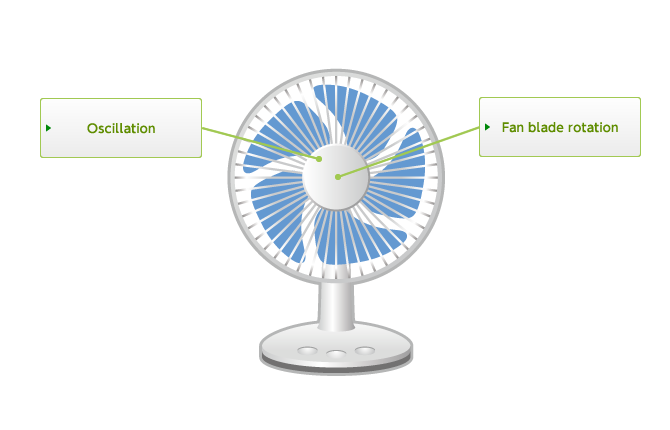
Electric fans are ubiquitous appliances that play a crucial role in providing comfort during hot weather. They are designed to circulate air, creating a cooling effect that can significantly enhance indoor comfort levels. This article delves into the various aspects of electric fans, including their history, types, working mechanisms, benefits, maintenance tips, and the latest innovations in fan technology.
Table of Contents
History of Electric Fans
The invention of the electric fan dates back to the late 19th century. Dr. Schuyler Wheeler is credited with creating the first electric fan in 1882. This innovation paved the way for various designs and types of fans that we use today. By the 1920s, electric ceiling fans had become popular in American households, thanks to manufacturers like Emerson Electric and Westinghouse.
Early Developments
– Ancient Origins: The concept of fanning dates back to ancient civilizations. Egyptians used palm leaves for cooling as early as 4,000 BC, while the Chinese developed a hand-cranked rotary fan around 180 AD.
– 19th Century Innovations: In the 1830s, John Gorrie, an American physician, created a fan that blew air over ice to cool hospital rooms for patients suffering from malaria and yellow fever. This marked one of the earliest attempts at mechanical cooling.
– Electric Fan Invention: In 1882, Schuyler Wheeler applied electricity to create a fan that turned without human or horse power. This fan consisted of just two blades without a protective cage. In 1889, Philip H. Diehl patented the ceiling fan, which would become a staple in homes across America.
– Oscillating Fans: By 1902, technology advanced further with the introduction of oscillating fans that could move air in multiple directions.
How Electric Fans Work
Electric fans operate on a simple principle: they convert electrical energy into mechanical energy. This process involves several key components:
– Motor: The motor is the heart of the fan, responsible for turning the blades. It typically consists of two main parts: the stator (stationary part) and the rotor (rotating part).
– Blades: The blades are designed to push air forward as they spin, creating a breeze. The design and angle of the blades affect airflow and efficiency.
– Capacitor: In many fans, a capacitor helps start the motor by storing energy and providing an initial boost.
When powered on, an electric current flows through the motor’s windings, generating a magnetic field that causes the rotor to spin. As the rotor turns, it drives the attached blades, which move air and create a cooling effect.
Types of Electric Fans
Electric fans come in various types, each suited for different applications:
– Ceiling Fans: Mounted on ceilings, these are ideal for circulating air in large spaces. They can be used year-round by reversing blade direction to either cool or distribute warm air.
– Table Fans: Portable and versatile, table fans can be placed on surfaces like desks or tables. They are perfect for personal cooling.
– Floor Fans: These powerful fans are designed for larger areas and can often be adjusted in height.
– Box Fans: Square-shaped fans that fit into windows or can be used on floors to circulate air efficiently.
– Tower Fans: Slim and space-saving designs that oscillate to distribute air throughout a room.
– Exhaust Fans: Used primarily in kitchens and bathrooms to remove stale air and odors.
– Bladeless Fans: A modern design that uses air multiplier technology to create a smooth airflow without visible blades.
– Smart Fans: These integrate with home automation systems and can adjust settings based on temperature or occupancy.
Benefits of Using Electric Fans
Electric fans offer several advantages:
– Energy Efficiency: They consume significantly less power than air conditioners, making them cost-effective for cooling spaces.
– Portability: Many fans are lightweight and easy to move from one room to another.
– Space Saving: Their compact designs allow them to fit into smaller spaces without occupying much room.
– Multi-Purpose Usage: Besides cooling, some fans can also help circulate warm air during winter months.
– Health Benefits: Proper airflow can help reduce humidity levels indoors and improve indoor air quality by preventing mold growth.
Maintenance Tips for Electric Fans
To ensure your electric fan operates efficiently and lasts longer, consider these maintenance tips:
1. Regular Cleaning: Dust can accumulate on blades and grills, reducing efficiency. Clean your fan regularly with a damp cloth.
2. Check Electrical Connections: Ensure that all connections are secure and free from corrosion.
3. Avoid Humidity: Keep fans away from humid areas to prevent rusting of metal components.
4. Store Properly: If you use your fan seasonally, store it in a dry place when not in use.
5. Inspect for Damage: Regularly check for any signs of wear or damage to electrical components.
Innovations in Fan Technology
With advancements in technology, electric fans have evolved significantly:
Smart Fans
Smart fans are equipped with features that allow them to connect with home automation systems. They can adjust their speed based on room temperature or user preferences and can be controlled remotely via smartphones or voice commands.
– Energy Efficiency: Smart fans typically consume as much electricity as an LED light bulb while providing effective cooling.
– User Convenience: Features like scheduling and remote control enhance user convenience by allowing adjustments without physical interaction.
Bladeless Technology
Bladeless fans have gained popularity due to their safety features (ideal for homes with children or pets) and ease of cleaning. They use air multiplier technology to create smooth airflow without traditional blades.
Integration with HVAC Systems
Recent research has shown that integrating smart ceiling fans with HVAC systems can lead to significant energy savings—up to 39%—by allowing fans to operate as part of a larger climate control strategy.

Frequently Asked Questions
1. What is the difference between AC and DC motors in fans?
– AC motors run on alternating current and have fixed speeds based on frequency; DC motors run on direct current and offer variable speeds which can be more energy-efficient.
2. Can ceiling fans be used in winter?
– Yes! Ceiling fans can reverse direction to circulate warm air during winter months effectively.
3. How do I choose the right size fan for my room?
– Consider both room size and ceiling height; larger rooms may require more powerful or multiple fans for adequate airflow.
4. What maintenance does an electric fan require?
– Regular cleaning, checking electrical connections, ensuring it operates in dry conditions are essential maintenance tasks for longevity.
5. Are there any safety tips for using electric fans?
– Always unplug when not in use for extended periods; avoid using damaged cords; ensure proper ventilation around the fan during operation.
Conclusion
Electric fans are essential appliances that provide comfort during hot weather while being energy-efficient and versatile. Understanding their history, operation mechanisms, types, benefits, maintenance tips, and innovations can help users maximize their utility while ensuring safety and longevity.
How To Purchase:https://looperbuy.com/search?keywords=electric+fan