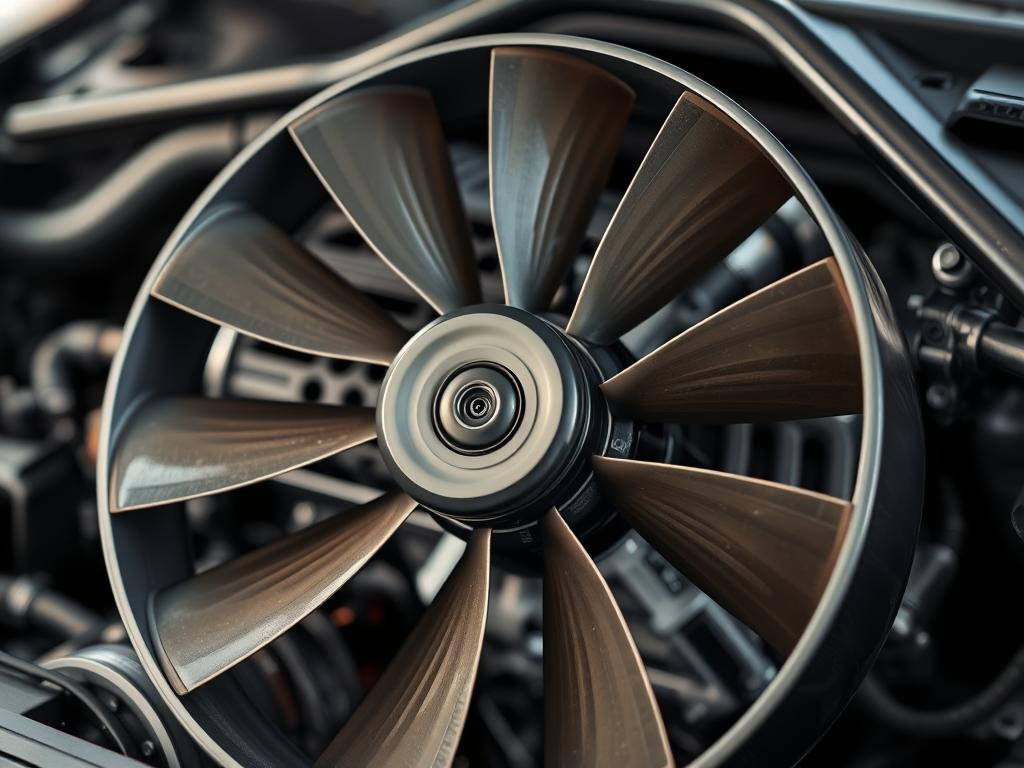
When it comes to maintaining your vehicle’s performance and longevity, one of the most critical components is the cooling system. An electric cooling fan plays a vital role in regulating engine temperature, ensuring that your vehicle operates efficiently. This comprehensive guide will help you understand the various aspects of electric cooling fans, including their types, benefits, installation, and maintenance.
Table of Contents
Understanding Electric Cooling Fans
Electric cooling fans are designed to draw air through the radiator, helping to dissipate heat generated by the engine. Unlike mechanical fans, which are driven by the engine’s crankshaft, electric fans are powered by the vehicle’s electrical system. This allows them to operate only when needed, improving fuel efficiency and reducing engine load. The ability to control the fan’s operation based on temperature readings means that electric fans can provide optimal cooling without unnecessary energy consumption, making them a smart choice for modern vehicles.
Types of Electric Cooling Fans
1. Puller Fans: These fans are mounted behind the radiator and pull air through it. They are commonly used in most vehicles due to their efficiency in cooling. Puller fans are particularly effective in situations where the vehicle is moving at higher speeds, as they can enhance airflow through the radiator, ensuring that the engine remains at a safe operating temperature.
2. Pusher Fans: Installed in front of the radiator, pusher fans force air through the radiator. They are often used in applications where space is limited or when additional cooling is required. Pusher fans can be beneficial in scenarios where the vehicle is stationary or moving slowly, as they help to maintain airflow when the natural movement of the vehicle is insufficient.
3. Dual Fans: Some vehicles utilize dual electric fans for enhanced cooling. These fans can operate independently or together, depending on the cooling needs. Dual fans are particularly advantageous in high-performance vehicles or those that experience heavy loads, as they provide a greater volume of airflow, ensuring that the engine remains cool even under demanding conditions.
Benefits of Electric Cooling Fans
Electric cooling fans offer several advantages over traditional mechanical fans:
– Improved Fuel Efficiency: Since electric fans only operate when necessary, they reduce the load on the engine, leading to better fuel economy. This is especially important in today’s environmentally conscious world, where fuel efficiency can significantly impact both costs and emissions.
– Enhanced Cooling Performance: Electric fans can provide more consistent airflow, which is crucial for maintaining optimal engine temperatures, especially in stop-and-go traffic. This consistent cooling helps prevent overheating, which can lead to severe engine damage and costly repairs.
– Quieter Operation: Electric fans tend to operate more quietly than mechanical fans, contributing to a more pleasant driving experience. The reduction in noise can make a significant difference in overall cabin comfort, especially during long drives.
– Space-Saving Design: Electric fans can be more compact, allowing for better airflow and more room for other components in the engine bay. This can be particularly beneficial in vehicles with limited space, where every inch counts.
Choosing the Right Electric Cooling Fan
When selecting an electric cooling fan for your vehicle, consider the following factors:
1. Size and Fitment
Ensure that the fan you choose fits your vehicle’s specifications. Measure the available space in the engine bay and consult your vehicle’s manual for recommended fan sizes. A properly sized fan will not only fit well but will also provide the necessary airflow to keep your engine cool.
2. Airflow Capacity
The airflow capacity of a fan is measured in cubic feet per minute (CFM). Higher CFM ratings indicate better cooling performance. Choose a fan that meets or exceeds the cooling requirements of your engine. It’s essential to match the fan’s capacity with your vehicle’s cooling needs, especially if you have made modifications that increase engine output.
3. Voltage Rating
Most electric cooling fans operate on 12V systems, but some vehicles may require 24V fans. Verify the voltage requirements of your vehicle before making a purchase. Using a fan with the incorrect voltage can lead to poor performance or even damage to the fan and electrical system.
4. Fan Configuration
Decide whether you need a puller or pusher fan based on your vehicle’s layout and cooling needs. In some cases, a combination of both may be beneficial. Understanding the airflow dynamics in your engine bay can help you make the best choice for your specific application.
5. Control Options
Electric fans can be controlled manually or automatically. Automatic fans use temperature sensors to activate when the engine reaches a certain temperature, while manual fans require the driver to turn them on and off. Automatic control systems can provide peace of mind, ensuring that your engine remains cool without requiring constant attention.
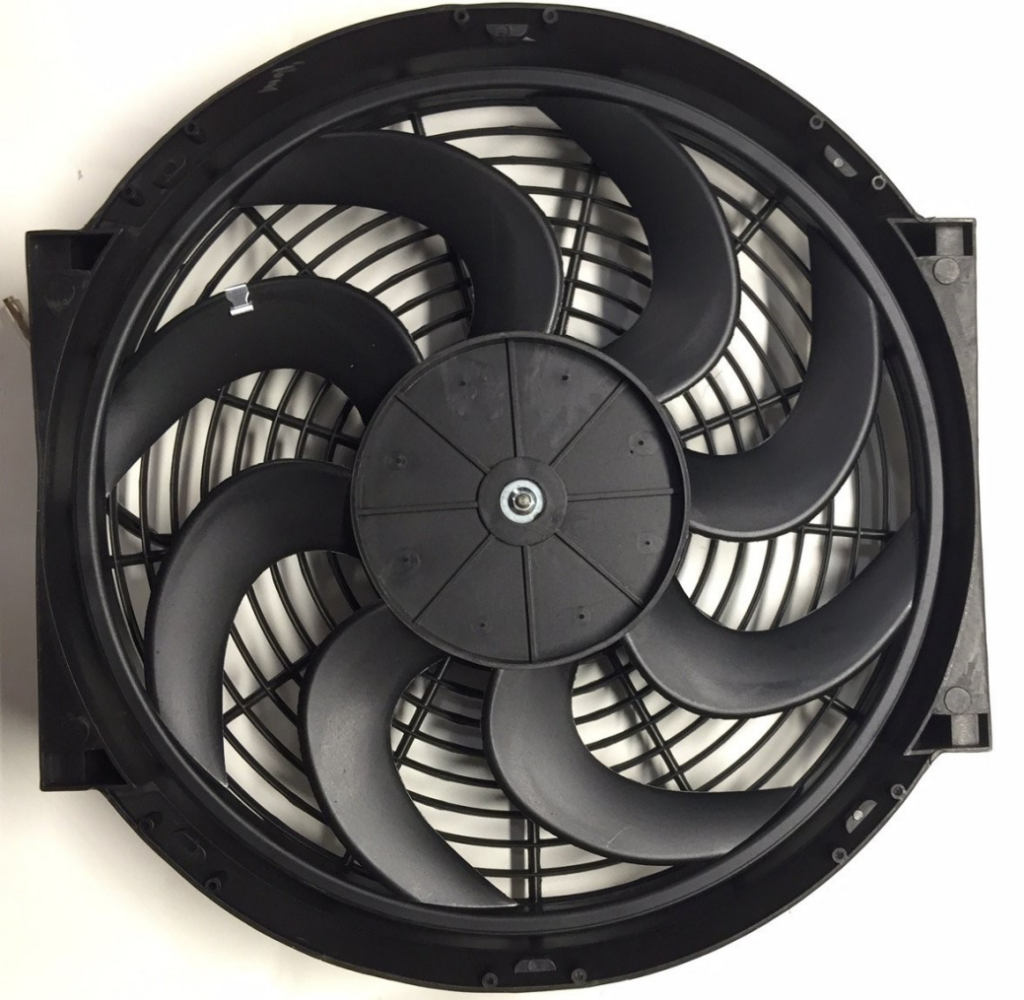
Installation of Electric Cooling Fans
Installing an electric cooling fan can be a straightforward process if you follow these steps:
Tools Required
– Socket set
– Wire connectors
– Electrical tape
– Zip ties
– Drill (if necessary)
Step-by-Step Installation
1. Disconnect the Battery: Always start by disconnecting the negative terminal of the battery to prevent any electrical shorts. This is a crucial safety step that should never be overlooked.
2. Remove the Old Fan: If replacing an existing fan, carefully remove it by unscrewing the mounting bolts and disconnecting the wiring. Take note of how the old fan was installed, as this can provide guidance for the new fan.
3. Mount the New Fan: Position the new electric cooling fan in the desired location (either as a puller or pusher) and secure it with the provided mounting hardware. Ensure that the fan is mounted securely to prevent vibrations that could lead to premature wear.
4. Wiring: Connect the fan’s wiring to the vehicle’s electrical system. If using a temperature switch, follow the manufacturer’s instructions for proper installation. Pay attention to the polarity of the connections to ensure correct operation.
5. Reconnect the Battery: Once everything is securely in place, reconnect the battery and test the fan operation. Monitor the fan’s performance to ensure it activates at the appropriate temperature.
Maintenance of Electric Cooling Fans
To ensure your electric cooling fan operates efficiently, regular maintenance is essential:
– Inspect Wiring: Periodically check the wiring for any signs of wear or damage. Replace any frayed or broken wires immediately. Proper wiring is crucial for the fan’s performance and longevity.
– Clean the Fan: Dust and debris can accumulate on the fan blades, reducing efficiency. Clean the fan regularly to maintain optimal airflow. A clean fan will operate more effectively and help prevent overheating.
– Check for Obstructions: Ensure that there are no obstructions in front of the fan that could impede airflow. Regularly inspect the area around the fan to keep it clear of debris.
– Test Operation: Regularly test the fan to ensure it activates at the correct temperature. If it fails to operate, check the wiring and the fan motor. Early detection of issues can prevent more significant problems down the line.
Conclusion
Choosing the right electric cooling fan for your vehicle is crucial for maintaining optimal engine performance and preventing overheating. By understanding the different types of fans, their benefits, and how to install and maintain them, you can make an informed decision that enhances your vehicle’s cooling system. Investing in a quality electric cooling fan not only improves your vehicle’s performance but also contributes to its longevity, ensuring that you enjoy a reliable driving experience for years to come.
How to purchase:https://looperbuy.com/search?keywords=electric+cooling+fan
Frequently Asked Questions
1. What is the main function of an electric cooling fan?
– The primary function of an electric cooling fan is to draw air through the radiator to dissipate heat from the engine, helping to maintain optimal operating temperatures.
2. Can I install an electric cooling fan myself?
– Yes, installing an electric cooling fan can be a DIY project if you have basic mechanical skills and the right tools. Follow the manufacturer’s instructions for best results.
3. How do I know if my electric cooling fan is working properly?
– You can test the fan by monitoring its operation when the engine reaches the specified temperature. If it does not activate, check the wiring and connections.
4. What size electric cooling fan do I need for my vehicle?
– The size of the electric cooling fan depends on your vehicle’s specifications. Measure the available space and consult your vehicle’s manual for recommended sizes.
5. Are electric cooling fans more efficient than mechanical fans?
– Yes, electric cooling fans are generally more efficient because they only operate when needed, reducing engine load and improving fuel economy. This efficiency can lead to significant savings over time, especially for those who drive frequently or in demanding conditions.