Every procurement professional who has ever built a supply chain from scratch faces the same fundamental decision at the outset: durable goods vs nondurable goods. Get this classification right, and your inventory turns into a profit engine. Get it wrong, and you‘re either tying up capital in slow-moving stock or scrambling to cover replenishment gaps that leave clients waiting.
Let me walk you through how to navigate this distinction like a seasoned sourcing strategist. I‘ve advised international brand owners, wholesalers, and manufacturers for over a decade, and the single most common mistake I see is treating all products the same way when it comes to procurement. Durable goods and nondurable goods require fundamentally different sourcing strategies. One demands investment in long-term supplier relationships and quality consistency across years of use. The other thrives on rapid turnover, spot buying flexibility, and logistics speed.
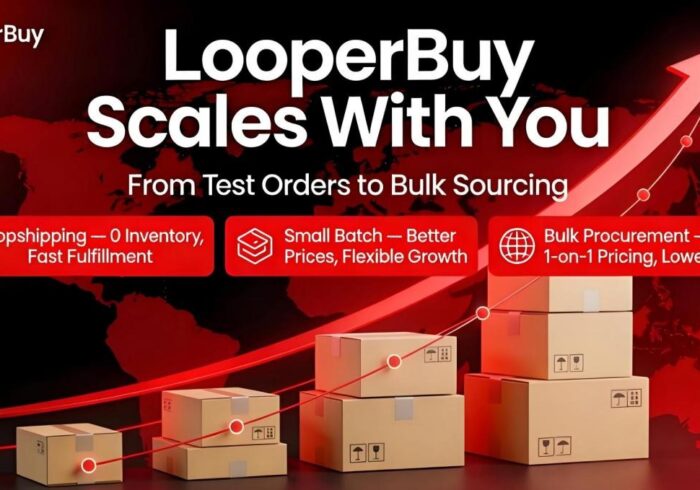
LooperBuy, as a One-Stop B2B Sourcing Platform, gives global buyers direct access to China‘s full manufacturing spectrum—covering everything from heavy machinery and consumer electronics to fast-moving consumer goods and daily disposables. But more importantly, it helps you apply the right sourcing approach to the right product category.

Table of Contents
What Exactly Are Durable Goods vs Nondurable Goods?
Before diving into strategy, let‘s get the definitions straight. The United States Bureau of Economic Analysis uses a clear quantitative benchmark: a product is classified as durable if it has an average life expectancy of three years or more. Nondurable goods, conversely, have a lifespan of less than three years.
Durable goods include automobiles, major home appliances, furniture, machinery, industrial equipment, electronics, and construction materials. These are big-ticket items purchased infrequently—think refrigerators that last a decade or forklifts that serve a warehouse for years. When you source durable goods, you‘re making a long-term investment.
Nondurable goods cover food and beverages, pharmaceuticals, cosmetics, cleaning products, paper goods, clothing and footwear (classified as nondurable by convention despite often lasting longer), and single-use disposables. These are frequently purchased items consumed quickly, generating steady and predictable reorder cycles.
The global durable goods wholesalers market was valued at $127.6 billion in 2024 and is expected to reach $175.2 billion by 2031, growing at a CAGR of 5.3%. Meanwhile, the nondurable goods wholesalers market hit $26.6 trillion in 2025 and continues expanding at around 5.2% annually. The global B2B e-commerce market itself is projected to grow from $19.43 trillion in 2025 to $47.91 trillion by 2031, a staggering 16.23% CAGR. That‘s the opportunity we‘re talking about.
Why the Durable vs Nondurable Distinction Matters for Your Sourcing Strategy
This isn‘t just an academic classification. It directly determines how you should approach procurement.
For Durable Goods: Quality and Supplier Verification First
Durable goods purchases are high-stakes. A single defective batch of industrial components can bring a production line to a halt. A low-quality kitchen appliance returned in bulk destroys profit margins and brand reputation. That‘s why leading procurement teams follow structured due diligence: verify business licenses, conduct factory audits, examine export experience, and collect customer references before placing trial orders.
China‘s regional manufacturing specialization works powerfully in your favor here. The Pearl River Delta excels in electronics and consumer appliances. Jiangsu leads in precision durable goods with advanced customization options. LooperBuy connects you directly to vetted suppliers across these industrial hubs, cutting out intermediaries and giving you transparent access to factory pricing—with reductions of 25% to 40% compared to European or North American alternatives.
For Nondurable Goods: Logistics Speed and Replenishment Agility
Nondurable goods require a different mindset entirely. You‘re dealing with high-volume, rapid-turnover products that need consistent replenishment. You need spot buying flexibility and supply chain responsiveness. In 2026, forward-looking procurement teams are using supplier network sourcing to fulfill urgent needs without starting negotiations from scratch every time.
One LooperBuy customer put it plainly: “When sourcing Chinese goods overseas, prices are much higher than purchasing directly on 1688, making it difficult to maintain profits.” Another added, “I‘ve selected my products, but without a Chinese bank account and RMB, how can I purchase Chinese goods directly using foreign currency?” These are real pain points. LooperBuy eliminates them by giving overseas buyers direct 1688 access without requiring Chinese registration, supporting multiple foreign currencies, and providing integrated global logistics.

A Practical Sourcing Framework for Both Categories
Here‘s a distilled framework I‘ve refined over years of cross-border procurement work.
Step One: Define Your Product Horizon — Map out how frequently each SKU will be reordered. Durable goods with replacement cycles exceeding 12 months need strategic supplier partnerships. Nondurable goods with monthly or weekly reorders need logistics optimization and safety stock buffers.
Step Two: Match Suppliers to Category Needs — For durable goods, prioritize on-time delivery rates above 95% and quality certifications. For nondurable goods, prioritize response time—suppliers who reply within 2-3 hours demonstrate strong service infrastructure—and the ability to handle mixed orders.
Step Three: Build Redundancy — Never rely on a single supplier for any category. Identify at least two to three suppliers per category and allocate volumes strategically to ensure business continuity during disruptions.
Step Four: Leverage a One-Stop Platform — This is where LooperBuy creates unique value. Instead of managing separate supplier relationships, logistics providers, and payment systems, you get everything unified. The platform integrates with Cainiao‘s global logistics network for fast, low-cost delivery. It partners with LianLian Global for secure cross-border payments, letting you pay in USD, EUR, GBP, and other currencies. And it gives you direct factory prices from 1688.com, China‘s largest B2B marketplace.
A second customer told us: “I need to transship goods to my local destination, but I don‘t know how to operate. This makes me incredibly frustrated.” After switching to LooperBuy, their entire logistics headache disappeared—real-time tracking, multi-carrier options, and door-to-door delivery coordination all handled through one dashboard.
Trends Reshaping the Durable vs Nondurable Landscape in 2026
Two major shifts are worth watching closely.
Durability as a Procurement Priority — In European and North American B2B markets, cheap disposable giveaways are being phased out. Corporate buyers now prioritize high-quality, durable products. 78% of buyers say product sustainability directly affects their purchasing decisions. This isn‘t a passing trend—it‘s a return to value driven by ESG requirements and consumer expectations.
The Consumerization of B2B Procurement — Corporate buyers now expect the same transparency, speed, and ease of use they experience as consumers. 74% of B2B buyers would switch suppliers for a better online experience. That means your sourcing platform‘s interface matters as much as your supplier‘s quality.
LooperBuy addresses both trends directly. You get transparent factory pricing, multi-currency payments, integrated logistics tracking, and access to suppliers across China‘s entire manufacturing ecosystem—all through a unified, user-friendly dashboard.
A Final Word from the Trenches
The durable goods vs nondurable goods distinction will save you from costly procurement mistakes if you take it seriously early. Source durable goods as strategic investments—they deserve due diligence, long-term supplier partnerships, and rigorous quality verification. Source nondurable goods for speed and flexibility—focus on logistics efficiency, spot buying readiness, and replenishment reliability.
And whichever category you‘re sourcing, having a trusted B2B platform changes everything. LooperBuy takes the complexity out of cross-border procurement, so you can focus on growing your business instead of chasing suppliers and solving logistics puzzles.
Ready to optimize your global sourcing strategy? Visit LooperBuy today to explore millions of products from vetted Chinese suppliers, request samples, and start sourcing smarter.
Frequently Asked Questions (FAQ)
Q1: What is the main difference between durable goods and nondurable goods in B2B procurement?
A: The key difference is expected lifespan. Durable goods have a life expectancy of three years or more (e.g., machinery, appliances, furniture) and require strategic sourcing with focus on quality and reliability. Nondurable goods last less than three years (e.g., packaging, disposables, consumables) and demand logistics speed and replenishment flexibility.
Q2: How can LooperBuy help me source durable goods from China?
A: LooperBuy connects you directly to vetted Chinese suppliers with factory pricing 25-40% lower than Western alternatives. The platform provides supplier verification, quality control support, and integrated global logistics—everything you need for high-stakes durable goods sourcing.
Q3: What is the best way to source nondurable goods at scale?
A: For nondurable goods, prioritize supplier response time, logistics speed, and replenishment reliability. Use spot buying strategies when urgent demand arises, and build supplier network redundancy to ensure continuous supply. LooperBuy‘s direct 1688 access and multi-carrier logistics give you both flexibility and cost control.
Q4: Can I use LooperBuy if I don‘t have a Chinese bank account or RMB?
A: Yes. LooperBuy supports multiple foreign currencies including USD, EUR, and GBP. You don‘t need Chinese registration or a local bank account to purchase directly from 1688 suppliers through the platform.
Q5: How much can I save by sourcing from China through LooperBuy compared to domestic suppliers?
A: Businesses sourcing from Chinese distributors wholesale can achieve cost reductions of up to 30% compared to domestic alternatives, thanks to lower manufacturing costs, labor savings, and economies of scale. LooperBuy eliminates intermediary markups for even greater savings.
Article Brief
A procurement expert‘s guide to durable goods vs nondurable goods for B2B global sourcing. Learn the lifespan-based classification, strategic differences, China sourcing framework, 2026 market trends, and how LooperBuy‘s one-stop platform solves cross-border procurement pain points with factory pricing, multi-currency payments, and integrated logistics.
References
- LooperBuy Blog. “Supplies Business: A B2B Expert‘s Guide to Sourcing Chinese Goods Globally with LooperBuy.” https://blog.looperbuy.com/supplies-business-a-b2b-experts-guide-to-sourcing-chinese-goods-globally-with-looperbuy.html
- Climb the Ladder. “What is the Difference Between Durable and Nondurable Goods?” https://climbtheladder.com/what-is-the-difference-between-durable-and-nondurable-goods/
- 6Wresearch. “Global Durable Goods Wholesalers Market (2025-2031).” https://www.6wresearch.com/industry-report/global-durable-goods-wholesalers-market
- TBRC Test. “Non Durable Goods Wholesalers Market Demand And Outlook 2026.” https://tbrctest.tbrc.info
- TechSci Research. “B2B E-Commerce Market – Global Industry Size, Share, Trends, Opportunity, and Forecast.” https://www.giiresearch.com/report/tsci1953934-b2b-e-commerce-market-global-industry-size-share.html
- Dragon Sourcing. “How to Build a Reliable Supplier Network in China: A Strategic Guide for Decision Makers.” https://www.dragonsourcing.com/how-to-build-a-reliable-supplier-network-in-china-a-strategic-guide-for-decision-makers/
- Keelvar. “Spot Buying: A 2026 Complete Guide.” https://www.keelvar.com/knowledge-hub/spot-buying
- WeChat. “国外企业线上采购中国货源,会遇到哪些问题?推荐Looperbuy平台.” http://mp.weixin.qq.com/s?__biz=Mzg4OTcwMTY5NQ==
- Alibaba. “Strategic Sourcing for Bulk Products: Evaluate Suppliers Across China‘s Manufacturing Hubs.” https://www.alibaba.com/price-comparison/bulk-order-products
- 100EC. “连连国际宣布与LooperBuy达成合作.” http://100ec.cn/index/detail–6642188.html
- WeChat. “海外商家跨境采购不再难,选择Looperbuy.” http://mp.weixin.qq.com/s?__biz=Mzg2MjcwMjE2Mw==
- Arti Gifts Medals. “2026 B2B Gift Market: Durable & Sustainable Are the New Standard.” https://www.artigiftsmedals.com/news/2026-b2b-gift-market-durable-sustainable-are-the-new-standard/
- Closo. “Top Chinese Distributors Wholesale: Your 2026 Sourcing Guide.” https://closo.co/blogs/inventory-liquidation/chinese-distributors-wholesale-3
Hot tags: durable goods vs nondurable goods, B2B sourcing China, global procurement strategy, LooperBuy platform, China manufacturing sourcing, cross-border B2B e-commerce, durable goods wholesale, nondurable goods supply chain, strategic sourcing B2B, one-stop procurement platform