Table of Contents
The Rise of Dropshipping Software in Modern E-Commerce
The global dropshipping market, projected to reach $1.2 trillion by 2030, relies heavily on software to automate supplier coordination, order tracking, and customer retention. Modern platforms like Oberlo, Spocket, and AutoDS empower entrepreneurs to launch online stores with minimal upfront costs. This article explores how dropshipping software reshapes supply chains, key features to prioritize, and emerging trends driving the industry.
Core Features of Top Dropshipping Platforms
Automated Order Management
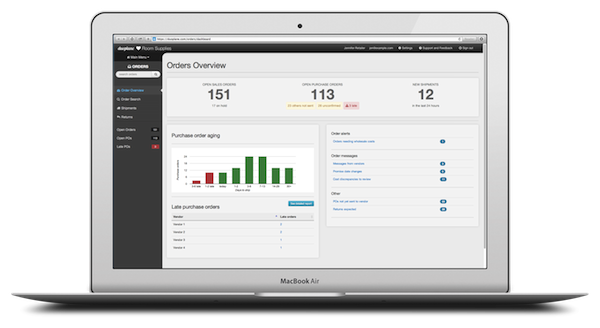
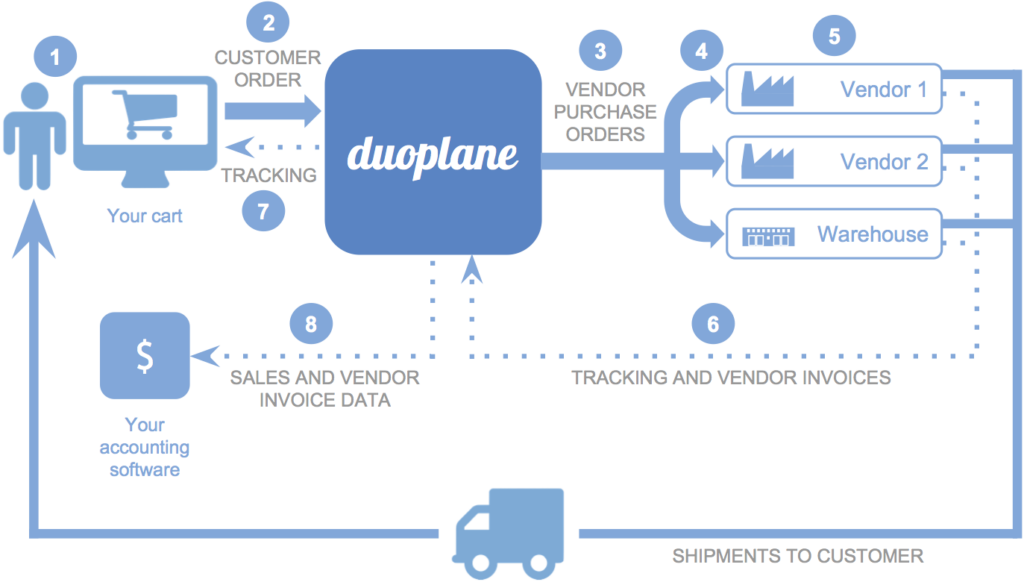
Real-Time Order Syncing
Leading tools sync orders across Shopify, WooCommerce, and Amazon, automatically forwarding purchase details to suppliers. For example, SaleHoo reduces manual entry errors by 90% through API integrations.
Customizable Workflows
Advanced platforms like Inventory Source let users set rules for split shipments, bulk discounts, and backorder alerts.
Supplier Integration and Product Sourcing
Supplier Marketplaces
Platforms like Spocket host vetted suppliers from the U.S. and EU, offering faster shipping and higher-quality products than AliExpress alternatives.
Product Import Tools
One-click import features auto-populate product descriptions, images, and variants. DSers even adjusts pricing based on competitor data.
Analytics and Profit Optimization
Profit Margin Calculators
Built-in tools account for shipping fees, taxes, and platform charges to display real-time profit per order. AutoDS alerts users if margins drop below 15%.
Customer Behavior Insights
Software like EcomDash tracks cart abandonment rates and suggests upselling strategies, boosting conversions by up to 20%.
Choosing the Right Dropshipping Software
Scalability for Growing Businesses
Startups may prefer affordable tools like Oberlo (free for under 50 orders/month), while enterprises need customizable solutions like Cin7 for multi-warehouse management.
Integration with Existing Tools
Ensure compatibility with payment gateways (e.g., Stripe), CRM systems, and email marketing platforms like Klaviyo.
Supplier Reliability and Geolocation
Platforms focusing on regional suppliers (e.g., Syncee for EU-based sellers) reduce shipping times and import taxes.
Challenges and Solutions in Dropshipping Automation
Inventory Management Pitfalls
Stockout Prevention
Tools like Inventory Source sync stock levels hourly, pausing sales on out-of-stock items.
Supplier Communication Gaps
AI chatbots in AutoDS notify suppliers of order changes and track production delays.
Customer Experience Hurdles
Long Shipping Times
Software like Spocket partners with local suppliers to offer 2–5-day delivery in North America.
Returns and Refunds
Platforms like Zentail automate return labels and partial refunds, slashing resolution time by 50%.
Future Trends in Dropshipping Technology
- AI-Powered Supplier Matching: Algorithms predict reliable suppliers based on delivery speed and defect rates.
- Blockchain for Transparency: Immutable ledgers to track product origins and combat counterfeits.
- Voice Commerce Integration: Tools enabling order placement via Alexa or Google Home.
Conclusion
Dropshipping software eliminates traditional retail bottlenecks, enabling businesses to focus on marketing and customer engagement. By prioritizing features like real-time inventory syncing, supplier vetting, and profit analytics, sellers can mitigate risks and scale efficiently. As AI and blockchain mature, the next wave of platforms will further democratize global e-commerce.
If you want to pay directly in foreign currency when purchasing Chinese goods through dropshipping software and easily complete global purchasing transactions,you can use looperbuy, a one-stop purchasing-logistics solution:https://looperbuy.com/.
Related Questions & Answers
· What is the average cost of dropshipping software? Prices range from free plans (e.g., Oberlo) to 200+/monthforenterprisetoolslikeCin7.Mostmid−tierplatformscharge30–$80/month.
· Can I use multiple dropshipping tools simultaneously?
Yes. Many sellers combine Spocket for product sourcing with AutoDS for order automation, but ensure APIs are compatible to avoid data conflicts.
· How do I handle taxes with dropshipping software?
Platforms like TaxJar integrate with tools like Shopify to auto-calculate sales tax based on buyer location and nexus laws.
· Is dropshipping software suitable for physical products only?
No. Tools like SendOwl support digital products, subscriptions, and services.
· What happens if a supplier fails to deliver an order?
Advanced software like Inventory Source flags unreliable suppliers and reroutes orders to backups, while insurance plugins refund customers.
Hot Tags: Automated Dropshipping Tools; Supplier Management Software; E-Commerce Order Automation; AI-Powered Inventory Systems; Shopify Dropshipping Apps; Global Supplier Marketplaces; Profit Margin Calculators; Blockchain Supply Chain Solutions; WooCommerce Dropshipping Plugins.