Table of Contents
Understanding Drop Shipping in E-Commerce
Drop shipping has become a popular business model within the e-commerce sector, allowing entrepreneurs to establish online stores with minimal upfront investment. This model eliminates the need for businesses to hold inventory, as products are shipped directly from the supplier to the customer upon purchase.
The Drop Shipping Model
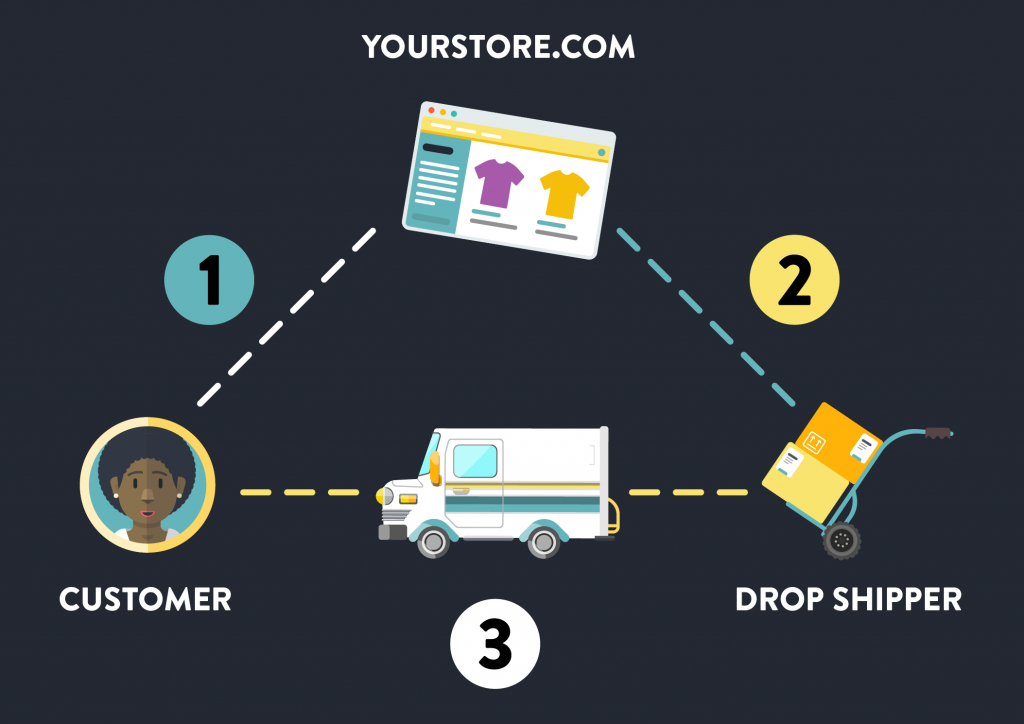
In drop shipping, the retailer partners with a supplier who handles product storage and shipping. When a customer places an order on the retailer’s website, the retailer forwards the order details to the supplier. The supplier then packages and ships the product directly to the customer, often using the retailer’s branding.
Benefits for E-Commerce Businesses
- Reduced Financial Risk: No need to invest in bulk inventory, minimizing financial exposure and allowing for testing market demand with minimal capital.
- Lower Overhead Costs: Without the need for physical storage space, operational costs remain minimal, making it easier to launch and maintain an online store.
- Scalability: The model easily scales with demand; businesses can grow rapidly without proportional increases in storage or logistics costs.
- Diversified Product Offerings: Retailers can offer a wide range of products across various categories without the constraints of physical inventory limitations.
Setting Up a Drop Shipping E-Commerce Business
Choosing the Right Niche
Selecting the right product niche is crucial for success in drop shipping. Consider factors such as market demand, competition, product profitability, and personal interest. Research trends using tools like Google Trends, Amazon Best Sellers, and niche forums.
Finding Reliable Suppliers
Identifying reliable suppliers is fundamental to the success of a drop shipping business. Utilize online directories, attend trade shows, and engage with industry networks to discover potential suppliers. Verify the credibility and reliability of suppliers to ensure consistent product quality and delivery schedules.
Setting Up Your Online Store
Choose an e-commerce platform that suits your needs and technical expertise. Popular options include Shopify, WooCommerce, and BigCommerce. These platforms offer user-friendly interfaces, customizable templates, and integration capabilities with drop shipping apps and tools.
Marketing Your Drop Shipping E-Commerce Store
Creating a Strong Brand Identity
Your brand identity influences customer perception and loyalty. Develop a compelling brand story that resonates with your target audience and differentiates you in the competitive e-commerce market.
Effective Online Marketing Strategies
- Social Media Marketing: Leverage platforms like Instagram, Facebook, and TikTok to showcase products through engaging content, influencer collaborations, and targeted ads.
- Content Marketing: Create valuable content such as blogs, videos, and guides related to your niche to attract organic traffic and establish your brand as an authority.
- Paid Advertising: Run Google Ads and social media ads targeting specific keywords and audiences to drive qualified traffic to your store.
Managing and Growing Your Drop Shipping Business
Supplier Relationship Management
Build strong relationships with suppliers through clear communication and reliable order volumes. Negotiate favorable terms such as better pricing, faster shipping, and dedicated customer service.
Order Management Systems
Implement efficient order management systems to track and manage orders seamlessly. Use automation tools to sync orders between your store and suppliers, reducing manual errors and processing times.
Customer Experience Optimization
Focus on providing excellent customer service to build loyalty and positive reviews. Respond promptly to inquiries, offer transparent shipping updates, and resolve issues efficiently.
Future Trends in Drop Shipping E-Commerce
Technological Advancements
The future of drop shipping e-commerce is shaped by technological innovations. AI-powered tools for inventory management, chatbots for customer service, and advanced analytics for market insights will enhance operational efficiency and customer satisfaction.
Sustainability in E-Commerce
Consumers increasingly prioritize sustainability. Drop shipping businesses that source products from ethical manufacturers and adopt eco-friendly packaging will likely gain a competitive edge in the growing green consumer market.
Expansion into New Markets
As e-commerce infrastructure improves globally, drop shipping businesses can more easily expand into new geographical markets, reaching a broader audience and increasing sales potential.

Conclusion
Drop shipping in e-commerce offers entrepreneurs a pathway to enter the retail market with minimal barriers to entry. By carefully selecting a niche, partnering with reliable suppliers, and implementing effective marketing and customer service strategies, businesses can thrive in this model. The future of drop shipping e-commerce looks promising, driven by technological innovation and evolving consumer preferences toward sustainability and convenience.
If you want to enhance your drop shipping efficiency, directly connect with China Quality Inventory 1688 and enjoy high-quality factory prices for your products,you can use looperbuy, a one-stop purchasing-logistics solution:https://looperbuy.com/.
Related Questions & Answers
· How do I find reliable drop shipping suppliers for my e-commerce store?
Research online directories and marketplaces dedicated to connecting retailers with suppliers. Attend trade shows to meet potential suppliers in person. Engage with e-commerce and drop shipping communities on social media to discover recommendations and reviews from other business owners.
· What are the primary challenges of running a drop shipping e-commerce business?
Challenges include ensuring supplier reliability and product quality, managing customer expectations regarding shipping times, and differentiating your store in a competitive market. Effective supplier management and transparent communication with customers are key to overcoming these challenges.
· How can I enhance the customer experience in my drop shipping e-commerce store?
Provide detailed product descriptions and high-quality images. Offer transparent shipping policies and updates. Ensure prompt and helpful customer service through multiple communication channels. Consider adding value through personalized recommendations or loyalty programs.
· What tools are essential for managing a drop shipping e-commerce business?
E-commerce platforms like Shopify or WooCommerce form the foundation. Integrate drop shipping apps such as Spocket or Dropified for supplier management. Use marketing tools like Google Ads and social media management platforms. Implement analytics tools to track sales and customer behavior.
· How do I handle returns and exchanges in a drop shipping business?
Establish a clear returns policy communicated to customers upfront. Coordinate with your supplier to determine their return processing procedures and costs. Offer options for returns and exchanges that balance customer satisfaction with business sustainability, such as designated return shipping labels or partnering with return management services specialized in e-commerce.
Hot Tags: E-Commerce Drop Shipping; Online Retail Solutions; Drop Shipping Suppliers; E-Commerce Entrepreneurship; Drop Shipping Marketing; Inventory-Free Retail; Drop Shipping Logistics; E-Commerce Trends; Drop Shipping Technology