Axolotls, often referred to as “Mexican walking fish,” are fascinating creatures that have captured the hearts of pet enthusiasts around the world. Their unique appearance and playful nature make them not only interesting pets but also a source of inspiration for a variety of toys. In this article, we will explore the world of axolotl pet toys, discussing their benefits, types, and how they can enhance the lives of both axolotls and their owners.
Table of Contents
Understanding Axolotls: A Brief Overview
What is an Axolotl?
The axolotl (Ambystoma mexicanum) is a neotenic salamander, meaning it retains its juvenile features throughout its life. Unlike other amphibians, axolotls do not undergo metamorphosis; they remain aquatic and gilled. Native to the lakes of Mexico, these creatures are known for their regenerative abilities, capable of regrowing limbs and even parts of their heart and brain. This remarkable trait has made them a subject of scientific research and fascination.
Why Are Axolotls Popular as Pets?
Axolotls have gained popularity as pets due to their unique appearance, ease of care, and engaging personalities. They are relatively low-maintenance compared to other pets, making them ideal for both novice and experienced pet owners. Their quirky behaviors, such as floating and wiggling, provide endless entertainment. Additionally, their striking colors and unique features make them visually appealing, attracting many enthusiasts to keep them in home aquariums.
The Importance of Toys for Axolotls
Enhancing Mental Stimulation
Just like any other pet, axolotls benefit from mental stimulation. Toys can provide enrichment, helping to keep them active and engaged. This is particularly important in captivity, where their environment may lack the natural challenges they would face in the wild. Mental stimulation can prevent boredom, which can lead to stress and health issues in axolotls. Engaging with toys can mimic the hunting and foraging behaviors they would exhibit in their natural habitat, promoting a more active lifestyle.
Encouraging Physical Activity
Toys can also encourage physical activity, which is essential for maintaining a healthy weight and overall well-being. Axolotls are naturally curious and playful, and toys can help satisfy their instinctual behaviors. Engaging with toys can mimic the hunting and foraging behaviors they would exhibit in their natural habitat, promoting a more active lifestyle. Regular physical activity is crucial for preventing obesity and related health issues, ensuring that your axolotl remains healthy and vibrant.
Types of Axolotl Pet Toys
Plush Toys
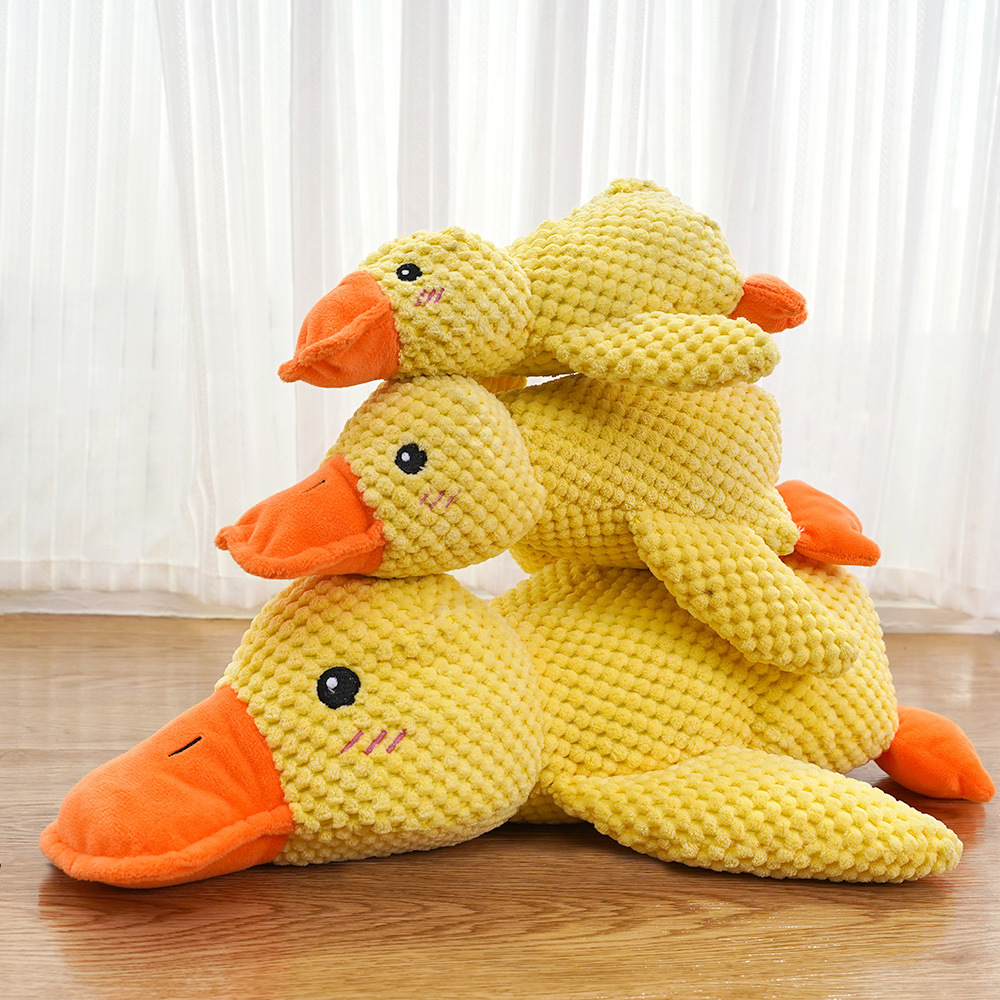
Plush axolotl toys are soft, cuddly, and often designed to resemble the real creature. These toys can be used for decorative purposes in an axolotl’s tank or as a fun item for children who love axolotls. While they are not suitable for actual play, they can enhance the aesthetic of the environment. Plush toys can also serve as comfort items for children, helping to foster a love for these unique creatures.
Interactive Toys
Interactive toys, such as those that float or wiggle, can provide entertainment for both axolotls and their owners. These toys often mimic the movement of prey, stimulating the axolotl’s hunting instincts. Some popular options include:
- Floating toys: These can be placed in the tank to encourage the axolotl to swim and explore. They often come in bright colors and fun designs, making them visually appealing.
- Suction cup toys: These can be attached to the tank walls, providing a fun challenge for the axolotl to interact with. The movement and resistance can stimulate their curiosity and encourage exploration.
DIY Toys
For the creative pet owner, DIY toys can be a fun and cost-effective way to provide enrichment. Simple items like marbles, plastic plants, or even small rocks can be used to create an engaging environment. Just ensure that any materials used are safe and non-toxic for aquatic life.
Best Materials for DIY Axolotl Toys
When creating DIY toys, consider using materials such as:
- Non-toxic plastic: Ensure that any plastic items are free from harmful chemicals.
- Natural stones: Smooth, rounded stones can provide hiding spots and stimulation.
- Aquarium-safe plants: These can add both beauty and enrichment to the tank.
Commercially Available Toys
There are many commercially available toys specifically designed for axolotls. These toys are often made from safe materials and are designed to withstand the aquatic environment. Some popular options include:
- Floating axolotl toys: These toys are designed to float on the water’s surface, encouraging axolotls to swim and explore.
- Interactive robotic axolotls: For a high-tech option, robotic axolotls that swim and react to water movement can provide endless entertainment. These toys mimic the natural movements of axolotls, making them a fascinating addition to any tank. They can also be a great way to engage children in learning about aquatic life.
Choosing the Right Toys for Your Axolotl
Safety First
When selecting toys for your axolotl, safety should be your top priority. Avoid toys with small parts that could be ingested or materials that could leach harmful chemicals into the water. Always opt for non-toxic, aquarium-safe materials.
Size Matters
Consider the size of your axolotl when choosing toys. Toys should be appropriately sized to prevent choking hazards and ensure that your axolotl can interact with them comfortably. Larger toys may be more suitable for adult axolotls, while smaller toys can be used for younger ones.
Monitor Interaction
Once you introduce new toys to your axolotl’s environment, monitor their interaction. Some axolotls may be more curious than others, and it’s essential to ensure that they are engaging with the toys safely. If you notice any signs of distress or disinterest, it may be time to try different types of toys.
Popular Axolotl Pet Toys on the Market
1. Plush Axolotl Toys
These adorable plush toys come in various sizes and colors, making them perfect for children or as decorative items in an axolotl tank. They are soft and safe, providing a comforting presence. Plush toys can also serve as a great gift for axolotl enthusiasts.
2. Floating Axolotl Toys
These toys are designed to float on the water’s surface, encouraging axolotls to swim and explore. They often come in bright colors and fun designs, making them visually appealing. Floating toys can also help create a more dynamic environment in the tank.
3. Interactive Robotic Axolotls
For a high-tech option, robotic axolotls that swim and react to water movement can provide endless entertainment. These toys mimic the natural movements of axolotls, making them a fascinating addition to any tank. They can also be a great way to engage children in learning about aquatic life.
4. DIY Enrichment Kits
Many pet stores offer DIY kits that allow owners to create their own toys and enrichment items. These kits often include safe materials and instructions for creating engaging toys. DIY kits can be a fun project for families, fostering creativity while enhancing the axolotl’s environment.
Caring for Your Axolotl and Their Toys
Regular Cleaning
To maintain a healthy environment for your axolotl, regularly clean their toys and tank. Remove any debris or waste, and ensure that toys are free from algae or bacteria. Regular cleaning helps prevent the buildup of harmful substances that could affect your axolotl’s health.
Monitor Water Quality
Toys can affect water quality, so it’s essential to monitor parameters such as pH, ammonia, and nitrite levels. Regular water changes will help keep the environment clean and safe. Maintaining optimal water quality is crucial for the health and well-being of your axolotl.
Rotate Toys
To keep your axolotl engaged, consider rotating their toys regularly. This can prevent boredom and encourage exploration of different items. Introducing new toys or changing the arrangement of existing ones can stimulate curiosity and activity.
Understanding Axolotl Behavior
Signs of Boredom or Stress
Just like any pet, axolotls can experience boredom or stress, which can manifest in various behaviors. Some signs to watch for include:
- Lethargy: If your axolotl is less active than usual, it may be bored or stressed.
- Hiding: While axolotls do enjoy hiding, excessive hiding can indicate discomfort or stress.
- Refusal to eat: A sudden change in appetite can be a sign of stress or health issues.
How Interactive Toys Benefit Axolotls in Captivity
Interactive toys can significantly enhance the quality of life for axolotls in captivity. These toys stimulate their natural instincts, encouraging them to explore and engage with their environment. By providing challenges and opportunities for play, interactive toys can help reduce stress and promote a healthier lifestyle.
The Role of Environmental Enrichment
Environmental enrichment is crucial for the overall well-being of axolotls. This concept involves providing a stimulating environment that encourages natural behaviors. Toys, plants, and hiding spots all contribute to a more enriching habitat. By mimicking their natural environment, you can help your axolotl thrive.
Social Interaction and Bonding
While axolotls are not social creatures in the same way that dogs or cats are, they can still benefit from interaction with their owners. Engaging with your axolotl during feeding or playtime can strengthen the bond between you and your pet. Observing their reactions to toys and interacting with them can provide valuable insights into their preferences and behaviors.
Conclusion
How to purchase:https://looperbuy.com/search?keywords=axolotl+pet+toy&globalType=china
Axolotl pet toys are not just fun accessories; they play a crucial role in the well-being of these unique creatures. By providing mental stimulation and encouraging physical activity, toys can enhance the quality of life for axolotls in captivity. Whether you choose plush toys, interactive options, or DIY creations, the right toys can make a significant difference in your axolotl’s happiness and health.
Investing time and resources into selecting the right toys and creating an enriching environment will not only benefit your axolotl but also enhance your experience as a pet owner. With the right approach, you can ensure that your axolotl leads a fulfilling and healthy life.
Frequently Asked Questions
1. What types of toys are safe for axolotls?
Safe toys for axolotls include plush toys, floating toys, and DIY items made from non-toxic materials. Always avoid small parts that could be ingested.
2. How often should I clean my axolotl’s toys?
You should clean your axolotl’s toys regularly, ideally during your routine tank maintenance. This helps prevent the buildup of algae and bacteria.
3. Can I use regular pet toys for my axolotl?
No, regular pet toys may contain harmful materials or small parts that could pose a choking hazard. Always choose toys specifically designed for aquatic pets.
4. How can I tell if my axolotl is enjoying their toys?
If your axolotl is actively interacting with their toys, swimming around them, or nudging them, it’s a good sign they are enjoying them.
5. Are there any toys I should avoid for my axolotl?
Avoid toys with sharp edges, small parts, or those made from toxic materials. Always prioritize safety when selecting toys for your axolotl.
HOT TAG:axolotl pet toys, interactive toys for axolotls, DIY axolotl enrichment, plush axolotl toys, aquatic pet care, mental stimulation for axolotls, physical activity for pets, safe toys for axolotls, axolotl behavior, enhancing axolotl habitat, bonding with axolotls, signs of axolotl stress, cleaning axolotl toys, choosing pet toys, axolotl health and happiness.