Table of Contents
Introduction
Silver rings, as classic jewelry pieces, have captivated people’s hearts for centuries. Their unique charm and versatility make them beloved by individuals of all ages and genders. Whether as a symbol of love, a fashion statement, or a token of personal style, silver rings hold a special place in the world of jewelry. This article will delve into the history of silver rings, their types, materials, craftsmanship, and how to choose and care for them, providing you with a comprehensive guide to silver rings.
The History of Silver Rings
Silver rings boast a long history, dating back to ancient civilizations. In ancient Egypt, silver was considered a symbol of the moon and associated with femininity and mystery. Silver rings were often adorned with gemstones and used as decorative items. During the Middle Ages, silver rings became symbols of status and wealth. Nobility and clergy frequently wore elaborate silver rings with intricate designs. By the Renaissance, silver ring craftsmanship had reached new heights, with various styles and designs emerging. In modern times, silver rings have become more diverse and accessible, evolving from luxury items into popular fashion accessories. Their designs range from minimalist to ornate, catering to different tastes and styles.
Types of Silver Rings
925 Sterling Silver Rings
925 sterling silver refers to an alloy composed of 92.5% pure silver and 7.5% other metals, typically copper. This alloy enhances silver’s hardness and durability while retaining its luster and beauty. 925 sterling silver rings are the most common type of silver ring on the market. They are highly popular due to their affordability, quality, and suitability for various designs. For example, the SILVER 925 RING from YOHJI YAMAMOTO features a simple yet elegant design with a polished silver surface and a hollow center, exuding a unique artistic charm.
Fine Silver Rings
Fine silver rings are made of pure silver with a purity of 99.9%. Fine silver is softer than 925 sterling silver, making it more challenging to craft. However, its purity gives it a higher luster and better conductivity. Fine silver rings are often used for delicate and refined designs. Due to their high silver content, they have excellent hypoallergenic properties and are ideal for individuals with sensitive skin.
Silver-Plated Rings
Silver-plated rings are made by electroplating a base metal, such as copper or brass, with a thin layer of silver. While they offer the appearance of silver at a lower cost, the silver plating may wear off over time, revealing the base metal beneath. Silver-plated rings are a budget-friendly option for those who enjoy the look of silver but prefer not to invest in sterling silver or fine silver rings.
Silver Ring Styles
Band Rings
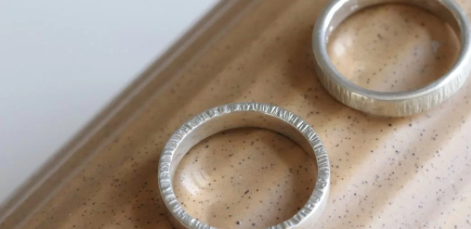
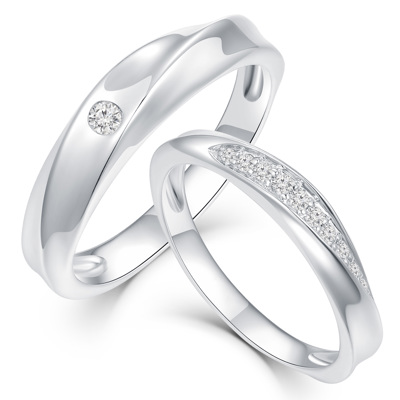
Band rings are characterized by their simple, unadorned bands. They often feature smooth or textured surfaces and may include subtle engravings or patterns. Band rings are versatile and suitable for everyday wear. Their minimalist design allows them to complement various outfits and occasions. For instance, the M1726 Double Band Silver Ring from WERKSTATT:MÜNCHEN showcases a twisted double-band design with a polished finish, offering a modern and distinctive look.
Gemstone Rings
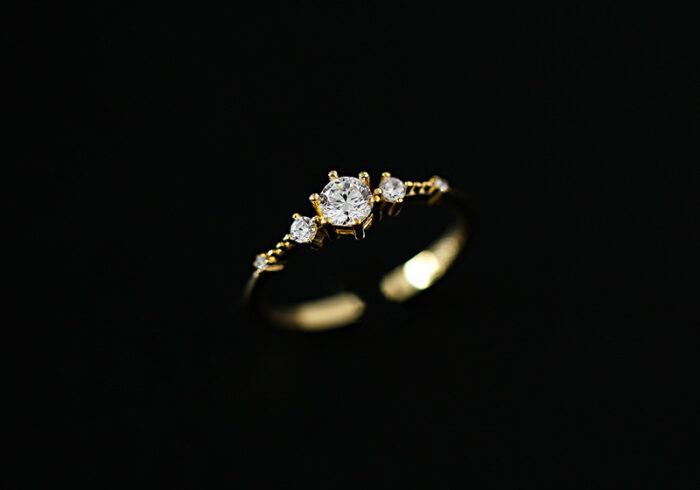
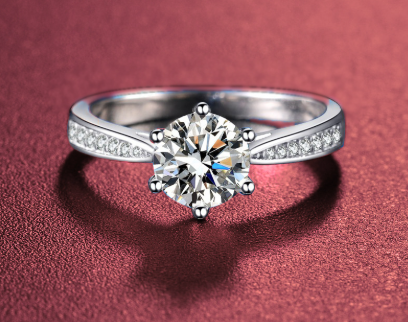
Gemstone rings incorporate precious or semiprecious stones into their designs. Common gemstones include diamonds, sapphires, rubies, and emeralds. Gemstone rings are highly decorative and often serve as statement pieces. The Pavé Crystal Ring Silver from Daniel Wellington features closely arranged crystals that catch the light from all angles, creating a sparkling effect. Its silver tone exudes elegance and sophistication, making it ideal for formal occasions.
Engraved Rings
Engraved rings are adorned with intricate carvings or patterns. These designs may include floral motifs, geometric shapes, or symbolic imagery. Engraved rings are rich in artistic and cultural significance. Each engraving tells a unique story, adding emotional and aesthetic value to the ring. They are often chosen as gifts or heirlooms to pass down through generations.
Stackable Rings
Stackable rings are designed to be worn in layers. They are typically slim and delicate, allowing multiple rings to be stacked together for a personalized and trendy look. Stackable silver rings can be mixed and matched with other materials or styles to create unique combinations. Whether paired with gold rings or gemstone rings, they add a touch of flair to any outfit.
Silver Ring Materials
Sterling Silver
As mentioned earlier, 925 sterling silver is the most common material for silver rings. Its blend of silver and other metals ensures durability and shine. Sterling silver rings are hypoallergenic and resistant to tarnishing, making them an ideal choice for daily wear. With proper care, they can maintain their luster for years.
Fine Silver
Fine silver, with its 99.9% purity, boasts a higher luster and better conductivity than sterling silver. It is ideal for delicate and intricate designs. However, due to its softness, fine silver rings require careful handling to avoid scratches and deformation.
Silver Alloys
In addition to 925 sterling silver, other silver alloys are also used in ring making. For example, some silver rings incorporate gold or platinum to enhance their hardness and appearance. These alloy rings combine the beauty of silver with the durability of other metals, offering unique aesthetic appeal.
Silver Ring Craftsmanship
Casting
Casting is a common method for crafting silver rings. Molten silver is poured into a mold and allowed to solidify. Once cooled, the ring is polished and finished. Casting allows for the creation of complex and detailed designs but may result in slight imperfections that require further refinement.
Forging
Forging involves shaping silver through hammering and pressing. This technique produces rings with a more rustic and natural appearance. Forged silver rings often feature unique textures and patterns, reflecting the artisan’s craftsmanship and creativity.
Engraving
Engraving is a traditional technique used to add intricate designs to silver rings. Skilled artisans use specialized tools to carve detailed patterns, symbols, or text onto the ring’s surface. Engraved silver rings are highly artistic and imbued with cultural and emotional significance.
Inlaying
Inlaying involves embedding gemstones, enamel, or other materials into the silver ring. This technique creates visually striking and colorful designs. Inlaid gemstone silver rings are particularly eye-catching, with the stones adding brilliance and value to the piece.
How to Choose a Silver Ring
Ring Size
Selecting the correct ring size is crucial for comfort and fit. Measure your finger circumference or visit a jewelry store for a professional sizing. Keep in mind that finger size may vary slightly between hands and at different times of the day, so measure under similar conditions.
Silver Purity
Depending on your needs and budget, choose silver rings with different purities. 925 sterling silver rings offer a balance of quality and affordability, while fine silver rings cater to those seeking higher purity and a more luxurious feel. If cost is a concern, silver-plated rings are a viable alternative.
Design and Style
Consider your personal style and the occasion when choosing a silver ring. Band rings are versatile and suitable for daily wear, gemstone rings make stunning statement pieces for special occasions, engraved rings add artistic flair, and stackable rings allow for creative layering. Match the ring’s design to your personality and lifestyle.
Quality and Craftsmanship
Examine the ring’s quality and craftsmanship. Look for a smooth surface, even edges, and secure gemstone settings. High-quality silver rings should feel substantial and well-made, with no rough edges or loose parts.
Budget
Silver rings come in a wide price range. Set a budget based on your financial situation and prioritize aspects like material, design, and craftsmanship. Whether you opt for an affordable silver-plated ring or invest in a high-end 925 sterling silver ring, choose a piece that brings you joy and satisfaction.
How to Care for Silver Rings
Daily Maintenance
Avoid exposing silver rings to chemicals such as household cleaners, perfumes, and lotions, as these can tarnish the silver. Remove your ring before engaging in activities like household chores, exercise, or swimming. Store the ring in a dry, airtight jewelry box or pouch to prevent moisture and scratches.
Cleaning Methods
Regularly clean your silver ring to maintain its shine. Gently scrub the ring with a soft toothbrush and a solution of mild soap and warm water. Rinse thoroughly and pat dry with a soft cloth. For tarnished rings, use a silver polish or dip them in a specialized silver cleaner, following the product instructions carefully.
Storage Tips
Store silver rings separately from other jewelry to avoid scratches and damage. Use soft cloth pouches or individual compartments in a jewelry box. If storing for extended periods, place a silica gel packet in the storage container to absorb moisture and prevent tarnishing.
Professional Care
If your silver ring requires significant cleaning or repair, consider taking it to a professional jeweler. They have specialized tools and expertise to restore the ring’s luster and integrity. Regular professional maintenance can extend the ring’s lifespan.
Silver Ring Trends
Minimalist Style
In recent years, minimalist silver rings have gained popularity. Their simple designs and clean lines reflect modern aesthetics and a preference for understated elegance. A plain silver band ring or a delicately engraved ring can effortlessly elevate any outfit, embodying the “less is more” philosophy.
Vintage Revival
Vintage-style silver rings are also making a comeback. Inspired by designs from the 1920s to 1950s, these rings feature intricate filigree work, floral patterns, and gemstone settings. They evoke a sense of nostalgia and romance, appealing to those who appreciate classic beauty and timeless charm.
Gender-Neutral Designs
With the rise of gender-neutral fashion trends, silver rings are increasingly designed to transcend traditional gender boundaries. Simple, geometric, or nature-inspired silver rings can be worn by anyone, promoting inclusivity and diversity. These designs emphasize individuality and self-expression, allowing everyone to find a silver ring that resonates with their style.
Customization
Personalization is a growing trend in silver rings. Many brands and jewelers offer customization services, allowing customers to design rings with unique engravings, gemstone choices, or specific sizes. Custom silver rings make meaningful gifts and serve as personalized mementos, reflecting the wearer’s unique identity and memories.
Conclusion
Silver rings, with their rich history, diverse styles, and enduring appeal, continue to captivate jewelry enthusiasts. Whether you choose a classic 925 sterling silver ring, a delicate fine silver ring, or a budget-friendly silver-plated ring, there is a silver ring to suit every taste and budget. By understanding how to select and care for silver rings, you can enjoy these beautiful accessories for years to come. Whether as a gift for a loved one or a treat for yourself, a silver ring is more than just jewelry—it is a symbol of beauty, sentiment, and personal style.
How to Purchase:https://looperbuy.com/search?keywords=silver+ring
FAQs
What is a silver ring?
A silver ring is a ring made primarily of silver, often alloyed with other metals to enhance durability and shine. Silver rings are beloved for their luster, hypoallergenic properties, and versatility in design.
How do I determine my ring size?
You can measure your finger circumference using a ring sizer or visit a jewelry store for a professional fitting. It is recommended to measure at the same time of day and under similar conditions, as finger size may vary slightly.
What is the difference between 925 sterling silver and fine silver?
925 sterling silver contains 92.5% pure silver and 7.5% other metals, offering a balance of durability and shine. Fine silver has a purity of 99.9%, providing higher luster and conductivity but being softer and more prone to scratches and deformation.
How do I clean a silver ring?
Gently scrub the ring with a soft toothbrush and a solution of mild soap and warm water. For tarnished rings, use a silver polish or a specialized silver cleaner, following the product instructions carefully.
What should I look for when buying a silver ring?
Consider factors such as ring size, silver purity, design, quality, craftsmanship, and budget. Choose a ring that aligns with your personal style and needs while ensuring it is well-made and comfortable to wear.