Electric kettles have become a staple in modern kitchens, prized for their speed and convenience. However, not all electric kettles are created equal when it comes to efficiency. Understanding the differences in efficiency among various models can help consumers make informed choices that save energy and reduce costs. This article delves into the efficiency differences in electric kettles, exploring factors that influence their performance and offering insights into how to choose the most efficient model for your needs.
Table of Contents
Understanding Electric Kettle Efficiency
Electric kettle efficiency refers to how effectively a kettle converts electrical energy into heat to boil water. This efficiency can be influenced by several factors, including the kettle’s design, materials, and features. Generally, electric kettles are more efficient than stovetop kettles because they heat water directly and minimize heat loss. The efficiency of an electric kettle is often measured in terms of how quickly it can bring water to a boil and how much energy it consumes in the process. This is particularly important for consumers who are conscious of their energy usage and want to reduce their carbon footprint.
Factors Affecting Efficiency
1. Heating Element Design: The type of heating element used in an electric kettle significantly impacts its efficiency. Kettles with concealed heating elements tend to be more efficient as they reduce heat loss and are easier to clean. In contrast, exposed elements can lose heat to the surrounding air, making them less effective. The design of the heating element also affects how quickly the kettle can bring water to a boil, with some advanced models featuring rapid boil technology that enhances performance.
2. Insulation: Well-insulated kettles retain heat better, which means they can keep water hot for longer periods without needing to reheat. This feature is particularly beneficial for users who prefer to have hot water available throughout the day. Insulation not only improves energy efficiency but also enhances safety by preventing the exterior of the kettle from becoming too hot to touch. Some kettles even come with double-walled designs that provide superior insulation.
3. Capacity: The size of the kettle also plays a role in efficiency. Smaller kettles generally heat water faster and use less energy than larger models, especially if you only need to boil a small amount of water. For households that frequently boil large quantities of water, a larger kettle may be necessary, but it’s essential to consider how often you will be using that capacity. Choosing the right size can lead to significant energy savings over time.
4. Power Rating: The wattage of an electric kettle affects how quickly it can boil water. Higher wattage kettles can heat water faster, but they may also consume more energy. Finding a balance between speed and energy consumption is key. For instance, a kettle with a higher wattage may be ideal for those who need hot water quickly, while a lower wattage kettle might be more suitable for users who prioritize energy efficiency over speed.
5. Temperature Control Features: Some electric kettles come with temperature control settings that allow users to heat water to specific temperatures. This feature can enhance efficiency, especially for brewing tea or coffee, as it prevents overheating and energy waste. Different beverages require different water temperatures for optimal flavor extraction, and having the ability to set the exact temperature can improve both the quality of the drink and the kettle’s overall efficiency.
Comparing Electric Kettles to Other Heating Methods
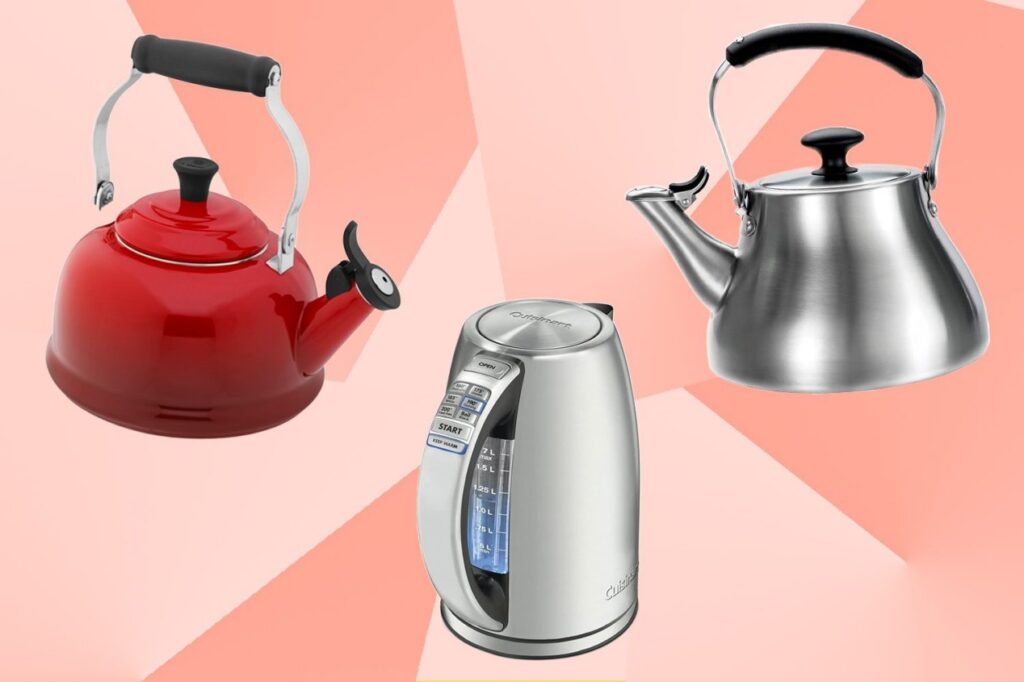
When evaluating electric kettle efficiency, it’s essential to compare them to other methods of boiling water, such as stovetop kettles and microwaves.
Electric Kettles vs. Stovetop Kettles
Electric kettles are generally more efficient than stovetop kettles. They can boil water faster and with less energy loss. Stovetop kettles, especially those used on gas stoves, can lose a significant amount of heat to the surrounding air, making them less efficient. Studies have shown that electric kettles can boil water in about 4 to 5 minutes, while stovetop kettles may take longer due to heat loss. Additionally, the convenience of simply pressing a button to start boiling water with an electric kettle adds to its appeal, as it eliminates the need to monitor the stove.
Electric Kettles vs. Microwaves
Microwaves are often seen as a quick way to heat water, but they are not as efficient as electric kettles. Microwaves heat water unevenly, which can lead to hot spots and may require additional time to achieve the desired temperature. Electric kettles, on the other hand, provide consistent heating and are designed specifically for boiling water, making them a more efficient choice overall. Furthermore, using a microwave can result in wasted energy if the user heats more water than needed, whereas electric kettles can be filled to the exact amount required.
The Role of Energy Ratings
Energy ratings are crucial when assessing the efficiency of electric kettles. Many kettles come with energy labels that indicate their efficiency level, typically rated from A (most efficient) to G (least efficient). Choosing a kettle with a higher energy rating can lead to significant energy savings over time. These ratings are based on standardized tests that measure how much energy a kettle uses to boil a specific amount of water, providing consumers with a clear understanding of a product’s efficiency.
Understanding Energy Labels
Energy labels provide consumers with information about a kettle’s energy consumption and efficiency. A kettle rated A or A+ is designed to use less energy while still providing excellent performance. These ratings are based on standardized tests that measure how much energy a kettle uses to boil a specific amount of water. By choosing a kettle with a high energy rating, consumers can not only save on their electricity bills but also contribute to environmental sustainability by reducing their overall energy consumption.
Choosing the Right Electric Kettle
When selecting an electric kettle, consider the following factors to ensure you choose an efficient model:
1. Look for Energy Ratings: Always check the energy rating label before purchasing. Opt for kettles with higher ratings for better efficiency. This simple step can lead to long-term savings and a reduced environmental impact.
2. Consider Capacity: Choose a kettle size that matches your needs. If you typically boil small amounts of water, a smaller kettle will be more efficient. Conversely, if you often prepare large quantities, a larger kettle may be necessary, but ensure it is used efficiently.
3. Evaluate Features: Look for features like temperature control and insulation, which can enhance efficiency and convenience. Features such as automatic shut-off and keep-warm functions can also contribute to energy savings.
4. Check the Heating Element: Kettles with concealed heating elements are generally more efficient and easier to clean. This design not only improves efficiency but also enhances safety by reducing the risk of burns.
5. Read Reviews: Research user reviews and expert recommendations to find models known for their efficiency and performance. Consumer feedback can provide valuable insights into real-world usage and reliability.
Conclusion
Electric kettles are a convenient and efficient way to boil water, but not all models are created equal. By understanding the factors that influence efficiency, consumers can make informed choices that save energy and reduce costs. Whether you are brewing tea, preparing instant coffee, or cooking, selecting the right electric kettle can enhance your kitchen experience while being mindful of energy consumption. Investing in an efficient electric kettle not only benefits your wallet but also contributes to a more sustainable lifestyle.
How to purchase:https://looperbuy.com/search?keywords=Differences+in+Electric+Kettles
Frequently Asked Questions
1. What is the most efficient type of electric kettle?
The most efficient electric kettles typically have concealed heating elements, good insulation, and higher energy ratings (A or A+). These features work together to minimize energy loss and maximize performance.
2. How does the capacity of an electric kettle affect its efficiency?
Smaller kettles generally heat water faster and use less energy than larger models, especially if you only need to boil a small amount of water. Choosing the right size for your needs can lead to significant energy savings.
3. Are electric kettles more efficient than stovetop kettles?
Yes, electric kettles are generally more efficient than stovetop kettles due to less heat loss and faster boiling times. They also offer the convenience of automatic operation, which can save time and energy.
4. Can I save energy by using an electric kettle instead of a microwave?
Yes, electric kettles are more efficient than microwaves for boiling water, as they provide consistent heating and are designed specifically for this purpose. This efficiency can lead to lower energy bills over time.
5. What features should I look for in an energy-efficient electric kettle?
Look for features such as energy ratings, temperature control, concealed heating elements, and good insulation to enhance efficiency. Additional features like automatic shut-off and keep-warm functions can also contribute to energy savings.