For professional B2B buyers—whether you are a brand owner, a wholesale distributor, or a manufacturer—nothing tests your patience like waiting for a critical shipment. You monitor your dashboard, planning your inventory, when you see a status update that feels frustratingly vague: parcel in transit means your goods are on the move, but what does it actually entail for your bottom line?
As a seasoned B2B sourcing and logistics strategist, I have learned that in the world of cross-border trade, knowledge is the ultimate currency. Misinterpreting logistics status codes can lead to unnecessary panic and operational bottlenecks. By mastering the nuances of global fulfillment, you can transition from reactive tracking to proactive supply chain management, ensuring your business stays agile and competitive.
Table of Contents
Navigating Global Supply Chains: Understanding What Parcel In Transit Means
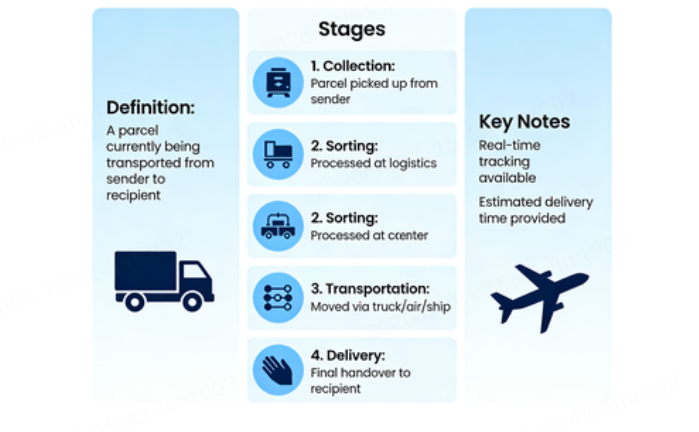
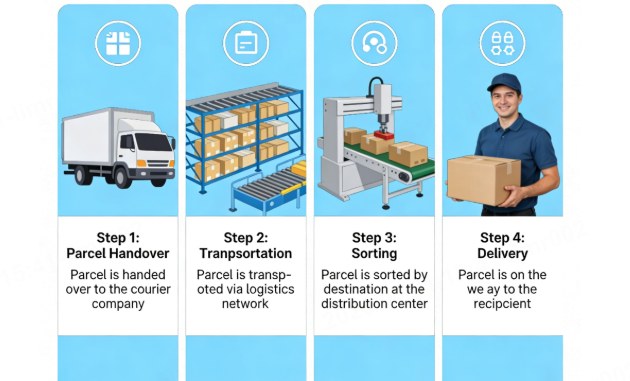
When your tracking dashboard displays “In Transit,” it is a positive indicator that your cargo has left its origin point and is currently navigating the carrier’s network. For shipments from China to global destinations, parcel in transit means that your goods are actively undergoing one of several essential processes. This status confirms movement, not stagnation, and understanding its implications allows you to make better inventory and operational decisions.
The Logistics Reality: Breaking Down What Parcel In Transit Means
From a logistics operations perspective, the “In Transit” status encompasses multiple potential scenarios. When your shipment falls into this category, it typically indicates one or more of the following:
- Export Processing: Your items have cleared the factory and are being consolidated at a major international logistics hub.
- Transit Consolidation: Shipments from multiple suppliers are being grouped to optimize container space, a key factor in reducing shipping costs.
- Customs Clearance: Your parcel is being processed through border checkpoints, a vital step in legitimate international trade.
Understanding that this status is a standard part of the global fulfillment cycle allows you to focus on strategic growth rather than micro-managing individual tracking updates.
Bridging the Gap: How One-Stop Platforms Transform Sourcing
For businesses aiming to scale, the bottleneck is rarely finding products; it is mastering the flow of goods. LooperBuy, as a one-stop B2B sourcing platform, bridges this gap by providing full visibility into your shipment’s journey, demystifying statuses like “In Transit,” and ensuring your procurement from China remains seamless.
Why Global B2B Buyers Are Turning to China
The modern global supplies business hinges on three critical pillars: product diversity, cost competitiveness, and reliable fulfillment. China continues to excel at all three, providing a massive advantage for B2B buyers who demand high-quality goods at wholesale prices.
| Advantage | Benefit for Your Business |
|---|---|
| Product Diversity | Access to 90% of global B2B supply categories. |
| Cost Efficiency | B2B pricing 25–40% lower than domestic Western alternatives. |
| Fulfillment Capacity | Infrastructure supporting both massive bulk and flexible small-batch orders. |
Scaling Your Business: A 5-Step Expert Framework
To build a resilient and scalable supply chain, follow this structured approach—each step designed to reduce risk, lower costs, and improve predictability.
Step 1: Define Your Sourcing Requirements
Clearly outline your product category, target volume, quality standards, and destination market. This ensures precise manufacturing matches and avoids misalignment later in the process.
Step 2: Browse Vetted Suppliers
Utilize platforms like LooperBuy to connect directly with pre-vetted Chinese manufacturers. This bypasses unnecessary and costly intermediaries while maintaining quality control.
Step 3: Get Upfront, All-Inclusive Costs
Use integrated calculators to factor in shipping, customs duties, and handling fees. Transparent landed cost estimates prevent unexpected expenses and improve profit margin planning.
Step 4: Prioritize Quality Inspection
Always perform pre-shipment inspections to guarantee your supplies meet your brand’s specifications before they leave the factory floor. This step significantly reduces the risk of returns or customer dissatisfaction.
Step 5: Monitor Real-Time Logistics
Leverage the transparency provided by your B2B platform to track your goods. Understand that status updates are normal, active parts of the global journey—not causes for alarm.
Advanced Logistics Insights: Reducing Transit Friction
In today’s competitive market, logistics speed can be a significant differentiator. Expert data suggests that B2B buyers can reduce transit friction by 15–20% through strategic planning and proactive management.
Leverage Consolidated Shipping
By using a one-stop platform, you can aggregate orders from various suppliers into a single shipment. This drastically reduces customs processing time and lowers per-unit shipping costs.
Data-Driven Forecasting
Plan inventory replenishment 3–4 weeks earlier during peak seasons (such as Q4) to account for global logistics hub traffic. Proactive planning prevents stockouts and reduces the need for costly expedited shipping.
Documentation Excellence
Ensure your invoices, packing lists, and customs declarations are meticulously prepared. Errors in documentation are the number one cause of “In Transit” delays, as they trigger holds at border checkpoints.
Conclusion: Mastering Your Supply Chain
The status “In Transit” is simply a sign of progress—your goods are actively moving through the logistics network toward their final destination. By partnering with a dedicated platform like LooperBuy, you gain not only access to a vast network of vetted Chinese suppliers but also the logistics transparency required to manage your supply chain with confidence. Stop worrying about tracking codes and start focusing on scaling your brand.
Ready to streamline your global procurement?
Visit LooperBuy today to unlock your free account, access vetted suppliers, and start sourcing high-quality Chinese supplies at competitive, transparent prices.
Frequently Asked Questions (FAQ)
What does “parcel in transit” actually mean?
It signifies your shipment has left the origin point and is actively moving through the carrier’s logistics network toward its final destination.
How long does “in transit” usually last?
It depends on the route and carrier, typically ranging from 1–5 days for domestic segments, while international transit can take weeks depending on sea or air freight methods.
Why is my package stuck in “in transit” for a long time?
This often occurs due to customs clearance, port congestion, or high-volume consolidation at a sorting facility—common events in international trade.
How can I reduce logistics costs when sourcing from China?
Use one-stop platforms to consolidate orders, optimize container usage, and obtain all-inclusive, transparent shipping quotes to avoid hidden fees.
Is it safe to source from China using B2B platforms?
Yes, provided you use platforms that offer vetted supplier lists and pre-shipment quality inspection services to mitigate risks.
References
- [1] FreightMango. (n.d.). From Pickup to Delivery: What “In Transit” Means in Logistics.
- [2] APL Cargo. (n.d.). What “In Transit” Really Means: A Guide to Proactive Shipping.
- [5] TEU Global. (2025). What does “In Transit” mean? A Complete Guide.
- [9] Aaj Swift. (n.d.). In Transit Status Explained: From Shipping to Final Delivery.
- [15] wikiHow. (n.d.). What Does It Mean When a Package Is in Transit?.
- [16] Logistics Glossary. (2026). Understanding Global Logistics Operations.
- [LooperBuy-Guide] LooperBuy. (2026). Supplies Business: A B2B Expert’s Guide to Sourcing Chinese Goods Globally.
Top 10 B2B Sourcing Keywords
Global B2B sourcing strategies, direct China manufacturing access, B2B supply chain optimization, streamlined cross-border logistics, wholesale procurement platforms, vetted Chinese suppliers, B2B import cost reduction, end-to-end logistics transparency, scalable B2B inventory management, international trade sourcing guides.
Hot tags: supplies business, B2B supplies sourcing, China B2B supplies, LooperBuy, one-stop B2B sourcing platform, global supplies business, China supplies supplier, B2B supplies logistics, supplies business cost optimization, global B2B wholesaler supplies
Article Summary:
This expert-led guide demystifies the “in transit” shipping status and provides a comprehensive strategy for B2B buyers to optimize their global procurement. By leveraging LooperBuy’s one-stop platform, businesses can navigate the complexities of sourcing from China—from supplier vetting to logistics transparency—ultimately reducing costs, ensuring quality, and scaling their operations effectively in a competitive global market.