For Apple enthusiasts, the Macintosh isn’t just a computer—it’s a ecosystem built on simplicity, elegance, and user-centric design. At the heart of this philosophy lies the Mac computer keyboard, a tool that transcends its role as a basic input device to become an extension of creativity, productivity, and even personality. From the iconic chiclet keys of the 1984 Macintosh to the precision-engineered Magic Keyboard of today, Apple’s approach to keyboard design reflects its commitment to merging form and function. This article explores the evolution, technology, and human stories behind Mac keyboards, revealing why they remain a cornerstone of the Mac experience.
Table of Contents
From Typewriter to Touch: The Evolution of Mac Keyboards
The story of Mac keyboards begins not with silicon, but with a vision to redefine how humans interact with machines. In 1984, when the first Macintosh debuted, its keyboard was a radical departure from the clunky, mechanical typewriters of the era. With its low-profile, rectangular keys and minimalistic design, it set a new standard for simplicity—aligning with Steve Jobs’ belief that “design is not just what it looks like and feels like. Design is how it works.”
Over the decades, Mac keyboards evolved in lockstep with technological advancements. The 1990s saw the introduction of the ADB (Apple Desktop Bus) keyboard, which integrated with Apple’s proprietary ports for faster data transfer. By the 2000s, USB replaced ADB, and keyboards like the Apple Pro Keyboard (2000) introduced a full-sized layout with a numeric keypad, catering to power users and professionals.
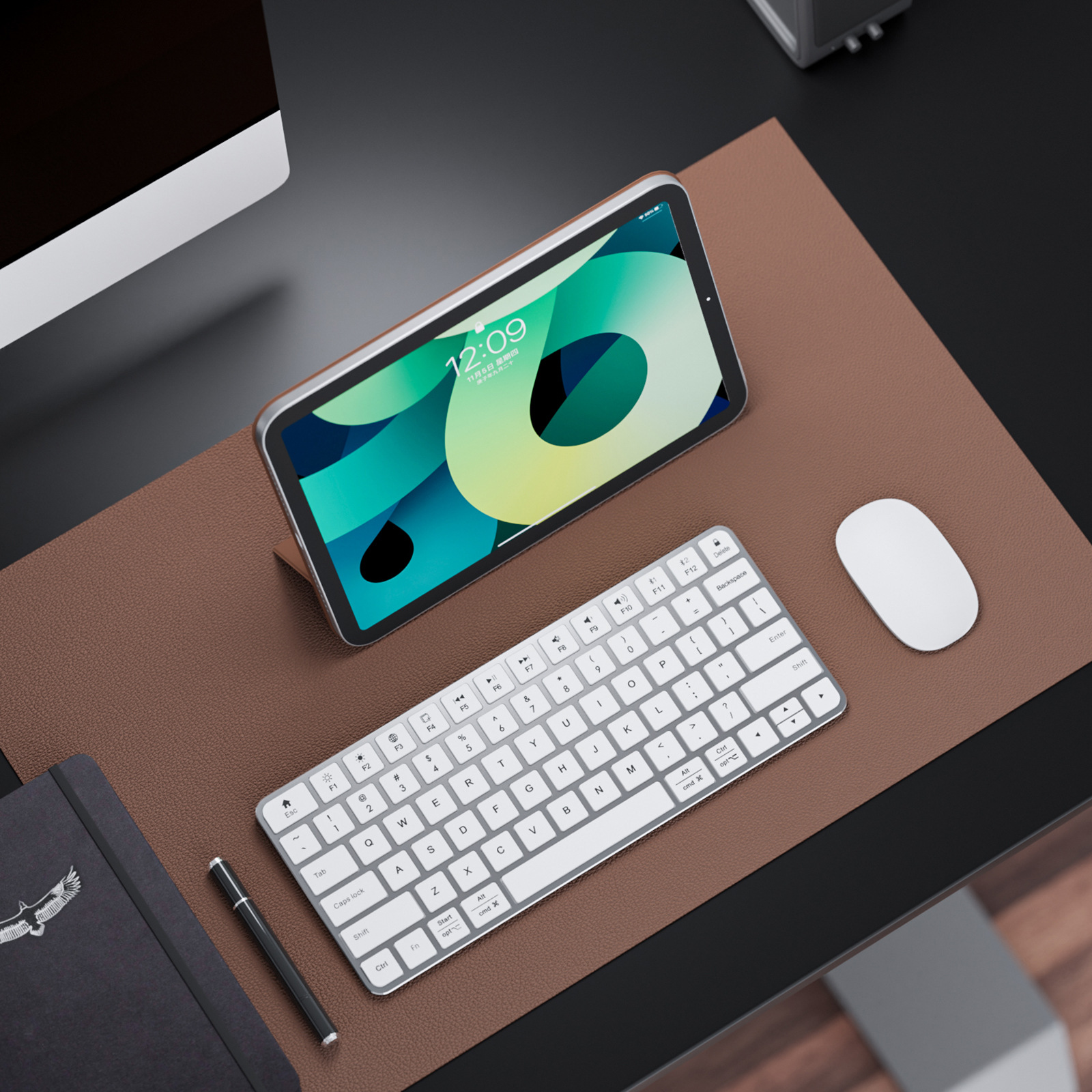
The true revolution came in 2015 with the launch of the Magic Keyboard. Designed for the 12-inch MacBook, it featured a scissor-switch mechanism, low-profile keys, and a built-in trackpad—blurring the line between laptop and desktop keyboards. Today, Mac keyboards (including the Magic Keyboard for iMac, Mac mini, and external models) continue this legacy, blending precision engineering with timeless aesthetics to meet the needs of creators, professionals, and casual users alike.
Design Philosophy: Where Minimalism Meets Functionality
What makes Mac keyboards stand out is their ability to balance simplicity with purpose. Let’s unpack the elements that define their design:
Material Mastery: Durability and Aesthetics
Mac keyboards are crafted from premium materials that prioritize both longevity and visual appeal. The chassis of the Magic Keyboard, for example, uses a unibody aluminum construction, combining strength with a sleek, matte finish. Keycaps are made from PBT (polybutylene terephthalate) plastic, a material resistant to yellowing and wear—ensuring the keyboard looks fresh even after years of use.
Color options, while traditionally limited to space gray, silver, and gold, align with Apple’s minimalist ethos. This restraint ensures the keyboard complements any workspace, from minimalist home offices to vibrant creative studios.
Ergonomics: Comfort for All-Day Use
Ergonomics is at the core of Mac keyboard design. The low-profile scissor-switch mechanism (used in the Magic Keyboard) reduces key travel to just 1mm, minimizing finger strain during extended typing sessions. The keys are also spaced evenly, with a 19mm pitch that mimics the natural rhythm of typing—making it easy to transition from a traditional keyboard to a Mac one.
For users who prefer a more tactile feel, Apple offers the Magic Keyboard with Numeric Keypad, which features larger, contoured keys optimized for data entry. Additionally, the built-in trackpad (on select models) integrates seamlessly with the keyboard, allowing for fluid cursor control without lifting hands—a boon for designers and writers.
The Technology Behind the Keys: Precision and Innovation
Mac keyboards are more than just input devices—they’re hubs of advanced technology. Here’s what powers their exceptional performance:
Scissor-Switch Mechanism: Speed and Accuracy
The scissor-switch design, a hallmark of Mac keyboards since 2015, uses a dual-latch system to stabilize each key. When a key is pressed, two metal arms “snap” into place, ensuring consistent actuation and reducing the likelihood of accidental keystrokes. This mechanism also allows for faster key repetition rates, making it ideal for tasks like coding, transcription, or gaming.
Backlighting: Illuminating Creativity
Many Mac keyboards feature backlighting, adjustable via the keyboard itself or macOS settings. The soft, even glow (available in three intensity levels) ensures visibility in low-light environments—whether working late at night or in a dimly lit café. For designers, this feature is especially valuable: it reduces eye strain and keeps the focus on the task at hand.
Beyond Typing: How Mac Keyboards Enhance Daily Life
Mac keyboards are more than tools for input—they’re enablers of creativity and productivity. Here are some of the ways they integrate into modern workflows:
For Writers and Content Creators
Writers thrive on flow, and Mac keyboards deliver just that. The low-key travel and responsive switches minimize interruptions, allowing ideas to translate to the screen faster. Models with numeric keypads (like the Magic Keyboard for iMac) simplify tasks like formatting tables or entering data in spreadsheets. For novelists, the quiet keystroke noise (compared to mechanical keyboards) creates a focused, immersive environment.
For Developers and Programmers
Developers rely on precision and speed. Mac keyboards’ consistent key actuation and customizable shortcut keys (via macOS System Preferences) streamline coding workflows. For example, using Command + Shift + P to open the command palette or Control + Space to trigger code completion becomes second nature, reducing the time spent navigating menus.
For Designers and Artists
Designers value both form and function, and Mac keyboards deliver both. The sleek aluminum chassis fits seamlessly into minimalist workspaces, while the backlit keys ensure accuracy during late-night projects. For digital artists, the keyboard’s compatibility with drawing tablets (via Bluetooth) allows for a clutter-free setup—no need for extra cables or bulky peripherals.
Choosing the Right Mac Keyboard: Key Considerations
With a range of models available—from the compact Magic Keyboard for MacBook to the full-sized, numeric keypad-equipped version for iMac—selecting the perfect keyboard depends on your needs. Here’s a guide to help you decide:
Usage Habits
If you primarily use a laptop, the Magic Keyboard (built into recent MacBooks) offers portability and seamless integration. For desktop users, a standalone Magic Keyboard (with or without a numeric keypad) provides a more comfortable typing experience. Frequent travelers might opt for a wireless model, while those who work in noisy environments may prefer a keyboard with quieter keystrokes.
Device Compatibility
Mac keyboards are designed to work with all modern Macs, but some features (like numeric keypads) are only available on specific models. For example, the Magic Keyboard with Numeric Keypad is compatible with iMac, Mac mini, and Mac Studio, but not with MacBook Air or Pro. Always check compatibility with your device before purchasing.
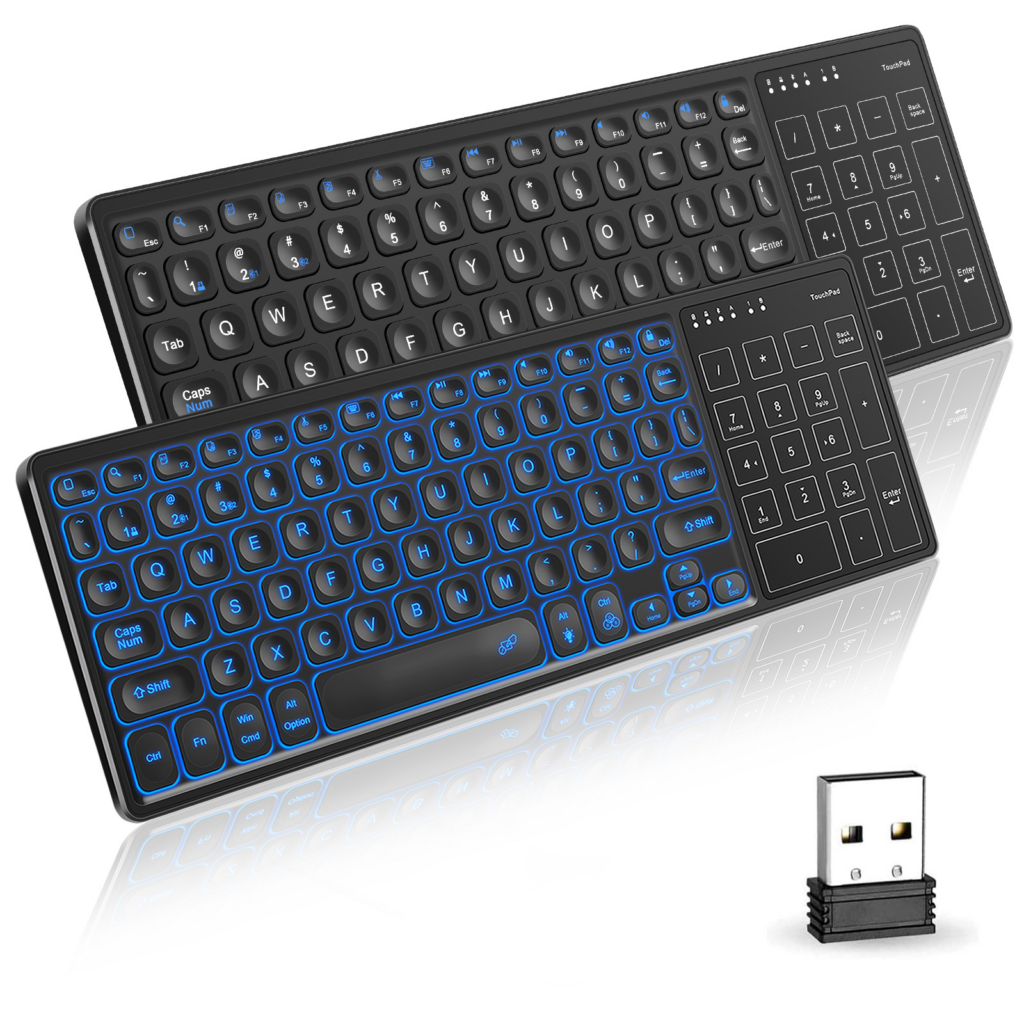
Aesthetic Preferences
Mac keyboards are available in three finishes: space gray, silver, and gold. Space gray is the most popular choice, offering a sleek, professional look. Silver is ideal for minimalist setups, while gold adds a touch of warmth to home offices.
Conclusion
Mac computer keyboards are more than just input devices—they’re a testament to Apple’s belief that great design enhances human potential. From their humble beginnings in 1984 to the precision-engineered Magic Keyboard of today, these tools have evolved to meet the needs of creators, professionals, and casual users alike. By prioritizing ergonomics, technology, and aesthetics, Mac keyboards continue to set the standard for what a keyboard can be. Whether you’re drafting a novel, coding an app, or designing a website, a Mac keyboard is more than a companion—it’s a key to unlocking your best work.
How to purchase: https://looperbuy.com/search?keywords=mac+computer+keyboard&globalType=1688
Frequently Asked Questions
Q1: How do I clean my Mac keyboard without damaging it? A: Use a soft, dry microfiber cloth to wipe the keys and chassis. For sticky residues or dust, dampen the cloth slightly with water (avoid soaking) and gently wipe. Never use alcohol-based cleaners or abrasive scrubbers, as they can damage the keycaps or finish. For sticky keys, use a cotton swab dipped in isopropyl alcohol (70% concentration) to dissolve grime—apply sparingly and let dry completely.
Q2: Can I use a Mac keyboard with a Windows PC? A: Yes, most Mac keyboards are compatible with Windows PCs via Bluetooth or USB. However, some macOS-specific features (like Mission Control shortcuts or custom key mappings) won’t work. For basic typing and media controls, a Mac keyboard will function normally on a Windows system.
Q3: Why do Mac keyboards have a “fn” key instead of a dedicated “Num Lock”? A: The “fn” key on Mac keyboards toggles between function keys (F1-F12) and special features (like brightness control or media playback). This design prioritizes simplicity, as many Mac users rarely need a dedicated Num Lock key—numeric input is handled by the top row of keys when the “fn” key is pressed.
Q4: How long do Mac keyboard batteries typically last? A: Wireless Mac keyboards (like the Magic Keyboard) use a rechargeable lithium-ion battery. On average, they last 1–2 months on a single charge with daily use (6–8 hours per day). Charging via USB-C takes about 2 hours for a full charge.
Q5: Are Mac keyboards spill-resistant? A: No—Mac keyboards are not designed to be spill-resistant. Liquids can damage the internal components, so it’s best to avoid eating or drinking near your keyboard. If a spill occurs, immediately disconnect the keyboard and let it dry completely before using it again.
Hot Tags: mac keyboard review, magic keyboard features, mac keyboard shortcuts, wireless mac keyboard, keyboard ergonomics, best mac keyboard for writers, mac keyboard durability, apple magic keyboard numeric keypad, keyboard backlighting, mac keyboard compatibility