When it comes to packing a nutritious and delicious lunch, keeping food fresh and safe to eat is paramount. This is where cooling packs for lunch boxes come into play. These handy tools not only help maintain the ideal temperature of your food but also ensure that your meals remain appetizing throughout the day. In this article, we will explore the various aspects of cooling packs, their benefits, types, and tips for choosing the right one for your lunch box.
Table of Contents
Understanding Cooling Packs
What Are Cooling Packs?
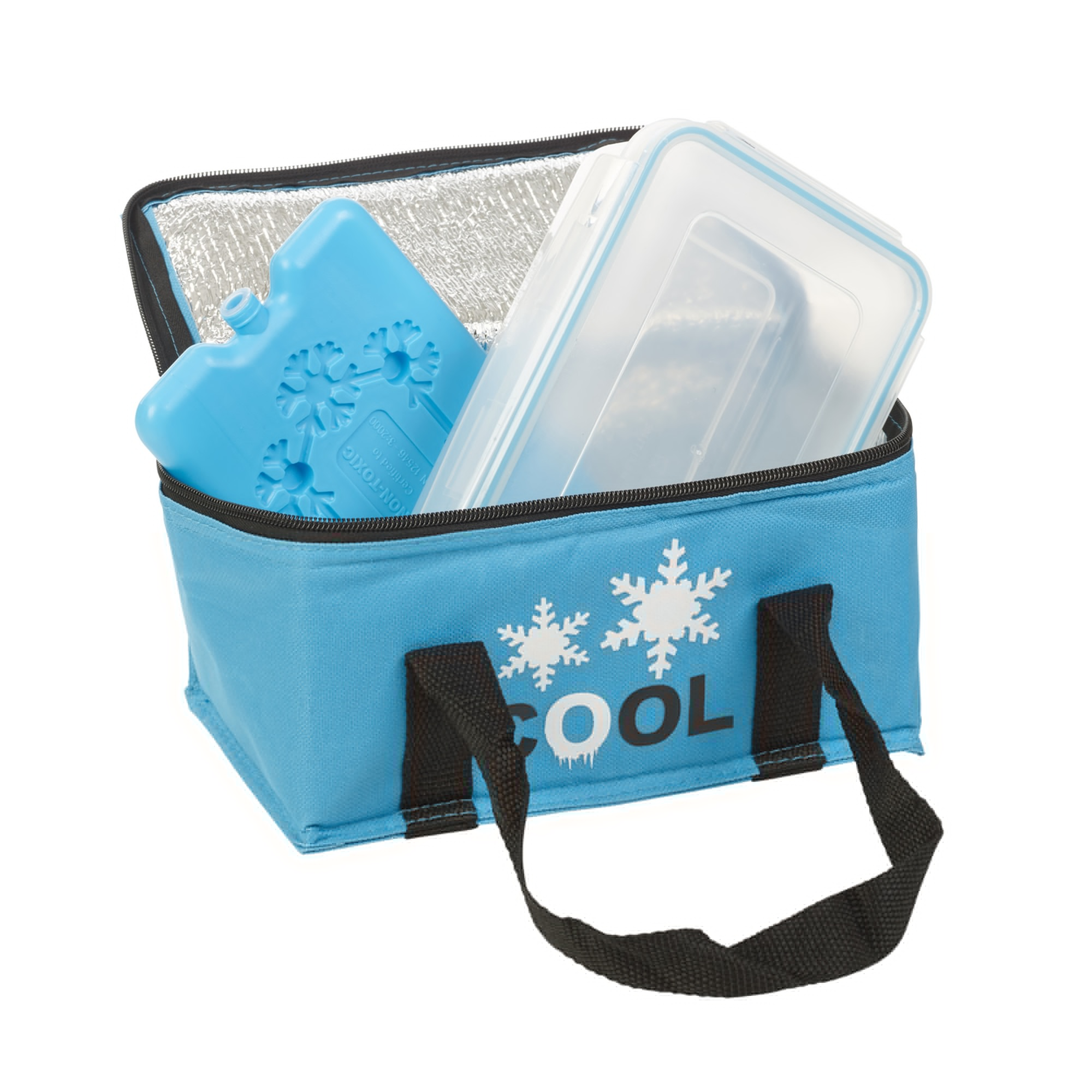
Cooling packs, often referred to as ice packs or gel packs, are specially designed items that can be frozen and used to keep food and beverages cold. They are typically filled with a gel or liquid that freezes solid and retains cold temperatures for extended periods. These packs are essential for anyone who wants to enjoy a fresh meal away from home, whether at school, work, or during outdoor activities. The convenience of cooling packs allows individuals to prepare meals in advance, ensuring that they have healthy options readily available, which is especially important in today’s fast-paced lifestyle.
How Do Cooling Packs Work?
Cooling packs work on the principle of thermal conductivity. When placed in a lunch box, they absorb heat from the surrounding food and drinks, thereby lowering the overall temperature inside the box. This process helps to slow down the growth of bacteria, keeping perishable items safe to consume. The effectiveness of a cooling pack depends on its material, size, and the duration for which it can maintain its cold temperature. Understanding how these packs function can help users maximize their benefits, ensuring that meals remain safe and enjoyable throughout the day.
Benefits of Using Cooling Packs
Keeping Food Fresh
One of the primary benefits of using cooling packs is their ability to keep food fresh. Perishable items like dairy products, meats, and certain fruits can spoil quickly if not kept at the right temperature. By using cooling packs, you can extend the freshness of your lunch, ensuring that it remains safe and tasty. This is particularly important for parents packing lunches for their children, as it helps to guarantee that kids have access to nutritious meals that are not only safe to eat but also appealing. Fresh food can enhance the overall lunch experience, making it more enjoyable and satisfying.
Convenience and Portability
Cooling packs are lightweight and easy to use, making them a convenient option for anyone on the go. They can be easily placed in any lunch box or cooler, allowing you to pack your meals without worrying about spoilage. This portability is especially beneficial for students, office workers, and outdoor enthusiasts. The ability to carry a healthy meal without the need for refrigeration opens up a world of possibilities for dining outside the home, whether it’s at a picnic, during a hike, or at the office. This convenience encourages healthier eating habits, as individuals are less likely to resort to fast food or unhealthy snacks when they have a well-prepared meal on hand.
Cost-Effective Solution
Investing in cooling packs can save you money in the long run. By keeping your food fresh, you reduce the likelihood of food waste. Additionally, you can prepare meals at home instead of relying on expensive takeout options, making cooling packs a cost-effective solution for meal prep. Preparing meals in advance not only saves money but also allows for better control over ingredients, leading to healthier choices. This financial benefit, combined with the health advantages of home-cooked meals, makes cooling packs a smart investment for anyone looking to improve their eating habits.
Types of Cooling Packs
Gel Packs
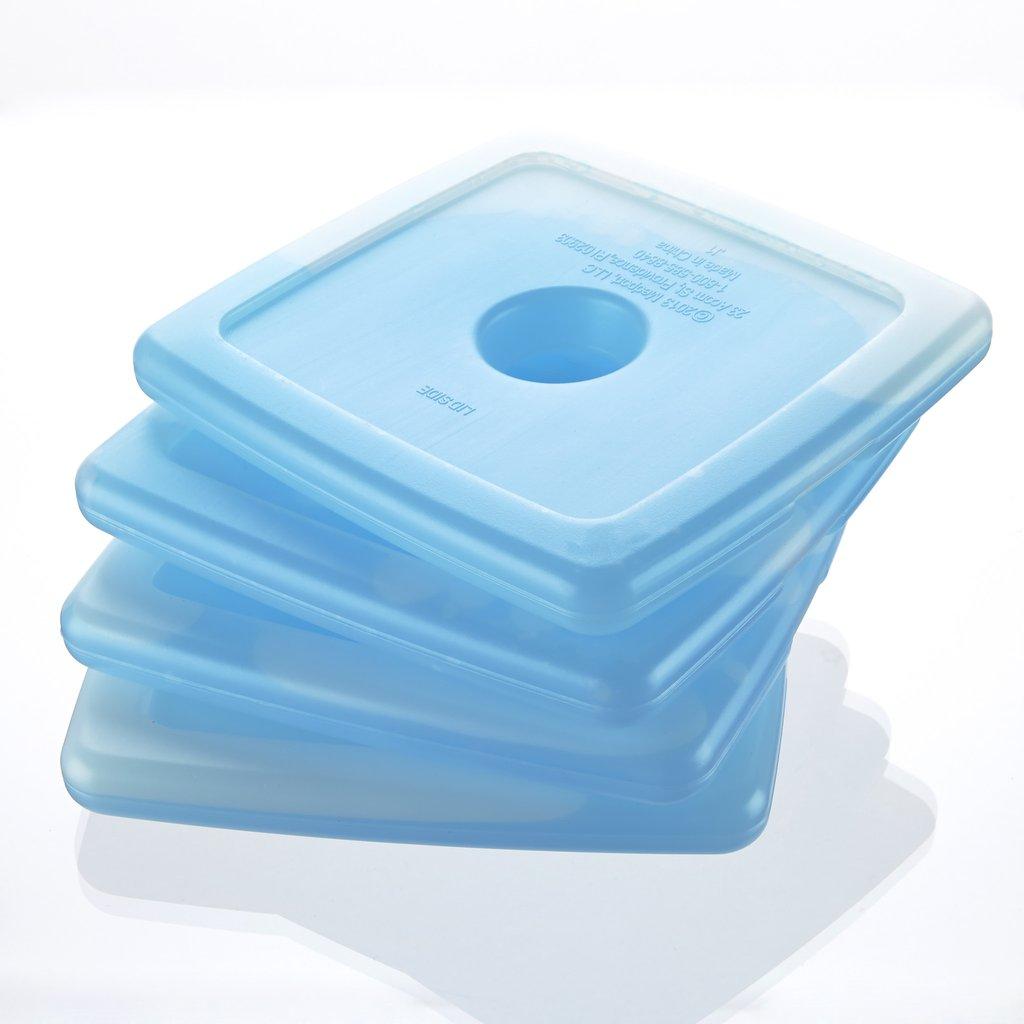
Gel packs are among the most popular types of cooling packs. They are filled with a gel that freezes solid and can maintain cold temperatures for several hours. Gel packs are versatile and can be used in various settings, from lunch boxes to coolers for picnics. Their ability to conform to the shape of the food they are placed with makes them particularly effective at maximizing cooling efficiency. Many gel packs are also designed to be leak-proof, ensuring that they remain safe and hygienic for food storage.
Ice Packs
Traditional ice packs are another option for keeping food cold. These packs are typically filled with water and can be frozen before use. While they are effective, they may not last as long as gel packs, especially in warmer conditions. Ice packs can be a more affordable option, but users should be aware of their limitations in terms of cooling duration. For short outings or when packing less perishable items, ice packs can still be a viable choice.
Reusable Packs
Many cooling packs are designed to be reusable, making them an eco-friendly choice. These packs can be refrozen and used multiple times, reducing waste and saving you money over time. Look for packs that are BPA-free and made from safe materials. The sustainability aspect of reusable packs appeals to environmentally conscious consumers, as it helps to minimize plastic waste and promotes a more sustainable lifestyle.
Slim Packs
Slim cooling packs are designed to fit easily into lunch boxes without taking up too much space. They are ideal for those who want to maximize the amount of food they can pack while still keeping it cool. Slim packs are particularly useful for smaller lunch boxes or bags, allowing for a more compact and organized packing solution. Their design often allows them to be placed in between food items, providing even cooling without sacrificing space.
Choosing the Right Cooling Pack
Size Matters
When selecting a cooling pack, consider the size of your lunch box. A larger pack may keep food colder for longer, but it could also take up valuable space. Conversely, a smaller pack may fit better but might not provide sufficient cooling. Finding the right balance is key. It’s important to assess your typical lunch packing needs and choose a cooling pack that complements your lunch box size and the types of food you usually pack.
Duration of Cooling
Different cooling packs have varying durations of effectiveness. If you need your food to stay cold for an extended period, look for packs specifically designed for long-lasting cooling. Some packs can maintain their temperature for up to 12 hours, making them ideal for all-day outings. Understanding the duration of cooling can help you plan your meals better, ensuring that you have the right pack for your specific needs, whether it’s a short trip or a full day away from home.
Material Quality
The material of the cooling pack is crucial for its performance and safety. Look for packs made from high-quality, BPA-free materials that are safe for food contact. Additionally, consider packs that are easy to clean and maintain. High-quality materials not only enhance the durability of the pack but also ensure that it remains safe for repeated use, providing peace of mind for users.
Versatility
Choose cooling packs that can be used in various settings. Some packs are designed for lunch boxes, while others can be used in coolers for picnics or camping trips. Versatile packs offer more value and can be used for multiple purposes. This adaptability makes them a worthwhile addition to any household, as they can serve different functions depending on the occasion.
Tips for Using Cooling Packs Effectively
Pre-Freeze Before Use
To maximize the effectiveness of your cooling packs, ensure they are fully frozen before placing them in your lunch box. This will help maintain a lower temperature for a longer period. Taking the time to properly prepare your cooling packs can significantly enhance their performance, ensuring that your food stays fresh and safe throughout the day.
Pack Strategically
When packing your lunch, place the cooling pack at the top or bottom of the box, depending on the design. This positioning helps to create a cold barrier around your food, keeping it fresh and safe. Strategic packing can make a noticeable difference in how well your food is preserved, so consider the layout of your lunch box when arranging items.
Combine with Insulated Containers
For optimal results, use cooling packs in conjunction with insulated containers. These containers help to retain cold temperatures and further protect your food from heat. Insulated containers work synergistically with cooling packs, creating an environment that keeps food at safe temperatures for longer periods.
Monitor Temperature
If possible, use a food thermometer to monitor the temperature of your packed lunch. Keeping food below 40°F (4°C) is essential for food safety, especially for perishable items. Regularly checking the temperature can help you ensure that your food remains safe to eat, providing an extra layer of security for your meals.
Replace Packs as Needed
If you notice that your cooling pack is no longer effective, consider replacing it. Over time, cooling packs can lose their ability to retain cold temperatures, so it’s essential to keep them in good condition. Regularly assessing the performance of your cooling packs can help you maintain the quality of your packed lunches.
Conclusion
Cooling packs for lunch boxes are an essential tool for anyone looking to keep their meals fresh and safe. With various types available, including gel packs, ice packs, and reusable options, there is a cooling pack to suit every need. By understanding how to choose and use these packs effectively, you can enjoy delicious, safe meals wherever you go. The benefits of using cooling packs extend beyond just food safety; they promote healthier eating habits, save money, and enhance the overall lunch experience.
How to purchase:https://looperbuy.com/search?keywords=cooling+packs+for+lunch+boxes
Frequently Asked Questions
1. How long do cooling packs last?
Cooling packs can last anywhere from a few hours to over 12 hours, depending on the type and quality of the pack.
2. Can I reuse cooling packs?
Yes, many cooling packs are designed to be reusable. Ensure they are properly cleaned and refrozen before each use.
3. Are cooling packs safe for food?
Most cooling packs are made from BPA-free materials and are safe for food contact. Always check the packaging for safety information.
4. How do I clean my cooling packs?
Most cooling packs can be wiped down with a damp cloth or washed with mild soap and water. Always refer to the manufacturer’s instructions for specific cleaning guidelines.
5. Can I use cooling packs for other purposes?
Yes, cooling packs can be used in coolers for picnics, during travel, or even for injuries. Their versatility makes them a valuable addition to any household.