Table of Contents
Introduction to China Wholesale Suppliers
China remains the world’s largest manufacturing hub, offering unparalleled access to a vast network of wholesale suppliers. From electronics and textiles to jewelry and industrial equipment, businesses globally rely on Chinese suppliers for cost-effective, high-quality products. This guide explores key wholesale markets, trusted online platforms, and strategies to navigate challenges in sourcing from China.
Top Wholesale Markets in China
1. Yiwu International Trade Market (Zhejiang)
Known as the “World’s Largest Small Commodity Market,” Yiwu hosts over 75,000 suppliers offering products like accessories, household items, and toys. Its yearly turnover exceeds $60 billion, making it a one-stop destination for bulk purchases.
2. Shenzhen Huaqiangbei Electronics Market
A global hub for electronics, Huaqiangbei features specialized markets like Saeger Electronics Market and Huaqiang Electronics World. Suppliers here specialize in mobile accessories, components, and consumer electronics, with competitive pricing and cutting-edge technology.
3. Guangzhou Jewelry Markets
Guangzhou’s Xijiao, Taikang, and Liwan Jewelry Markets dominate the jewelry industry. These markets offer crystal, pearl, and designer pieces tailored to European and Asian trends, with customization options for bulk orders.
4. Shandong Linyi Wholesale Market
A leader in textiles and home goods, Shandong Linyi provides affordable fabrics, garments, and construction materials. Its logistics network ensures efficient domestic and international distribution.
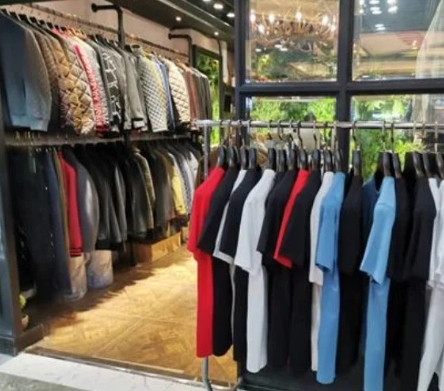
5. Hangzhou Sijiqing Clothing Market
Specializing in apparel, this market supplies trendy clothing for women, men, and children. Retailers and e-commerce businesses benefit from low MOQs (minimum order quantities) and fast production cycles.
Leading Online Wholesale Platforms
1. Made-in-China.com
A B2B platform connecting buyers with verified manufacturers. It features suppliers like Shanghai Apolo Medical Technology (slimming equipment) and Guangdong Zagumi (recycled textiles), offering product certifications and DDP (Delivered Duty Paid) logistics.
2. DHgate
Ideal for small businesses, DHgate provides access to electronics, apparel, and accessories with low MOQs. However, quality may vary between sellers, and shipping times can extend to 30 days.
3. BulkFromChina.com
This platform aggregates products from 2 million vendors, offering free storage for six months and shipping to 170 countries. It’s particularly useful for niche products like designer handbags and safety gear.
4. 1688.com (Alibaba’s Domestic Platform)
Targeting Chinese-speaking buyers, 1688.com offers deeper discounts than Alibaba. It’s ideal for businesses with established supplier relationships.
Strategies for Successful Sourcing
Verifying Supplier Reliability
Always request samples and check certifications like ISO 9001. Platforms like Made-in-China.com highlight “Diamond Members” with audited profiles. For example, Jonny Clothing Co. in Guangzhou provides ISO-certified apparel with customizable branding.
Managing Logistics and Costs
Opt for suppliers offering DDP shipping to simplify customs clearance. For instance, Foshan Awisdom Metal includes door-to-door delivery for construction materials. Be wary of hidden costs like import duties, which average 5–15% of product value.
Quality Control Measures
Hire third-party inspection services to verify product standards. Companies like QIMA specialize in factory audits and pre-shipment checks, ensuring compliance with international regulations.
Challenges and Solutions
Language Barriers: Use platforms with English support, such as Supplyia, or hire sourcing agents.
Quality Variability: Stick to suppliers with verified reviews and onsite visits.
Long Shipping Times: Choose express shipping for urgent orders, though costs may increase by 30–50%.
Conclusion
Navigating China’s wholesale landscape requires a blend of market knowledge, supplier verification, and logistical planning. By leveraging established markets like Yiwu and Huaqiangbei, or online platforms like 1688, businesses can optimize costs and access diverse product ranges.
If you want to do purchasing directly without registering 1688, you can use looperbuy, a one-stop purchasing-logistics solution:https://looperbuy.com/
Related Questions & Answers
· What are the benefits of buying from China wholesale suppliers?
China offers lower production costs, a vast product range, and scalable manufacturing. Bulk orders often reduce per-unit costs by 30–60%, and suppliers like those in Yiwu provide customization for unique branding.
· How do I avoid scams when sourcing from China?
Verify suppliers through third-party platforms (e.g., Alibaba Trade Assurance), request samples, and check business licenses. Avoid upfront payments without contracts.
· What is the average MOQ for clothing suppliers?
MOQs vary: small vendors may accept 50–100 pieces, while large factories require 500+ units. Guangzhou’s Wholesale21 offers flexible MOQs for boutique owners.
· Are there hidden costs when importing from China?
Yes. Beyond product prices, consider shipping fees, customs duties (5–15%), and VAT. P
· Which cities in China specialize in electronics wholesale?
Shenzhen (Huaqiangbei) and Guangzhou (Xidi Digital Zone) are top hubs. Shenzhen’s Saeger Market focuses on components, while Xidi offers consumer gadgets.
Hot Tags: China Wholesale Market Directory; Verified Chinese Suppliers; Bulk Electronics From China; DDP Shipping From China; Wholesale Jewelry Suppliers; Low MOQ Clothing Vendors; Shenzhen Huaqiangbei Market; Yiwu Small Commodities; Wholesale Product Categories