Music is a universal language that transcends age, culture, and background. For children, music is not just a form of entertainment; it plays a crucial role in their development. Children’s music toys are designed to introduce young ones to the world of sound, rhythm, and melody, fostering creativity and enhancing cognitive skills. This article explores the various types of children’s music toys, their benefits, and how they contribute to a child’s growth.
Table of Contents
Understanding Children’s Music Toys
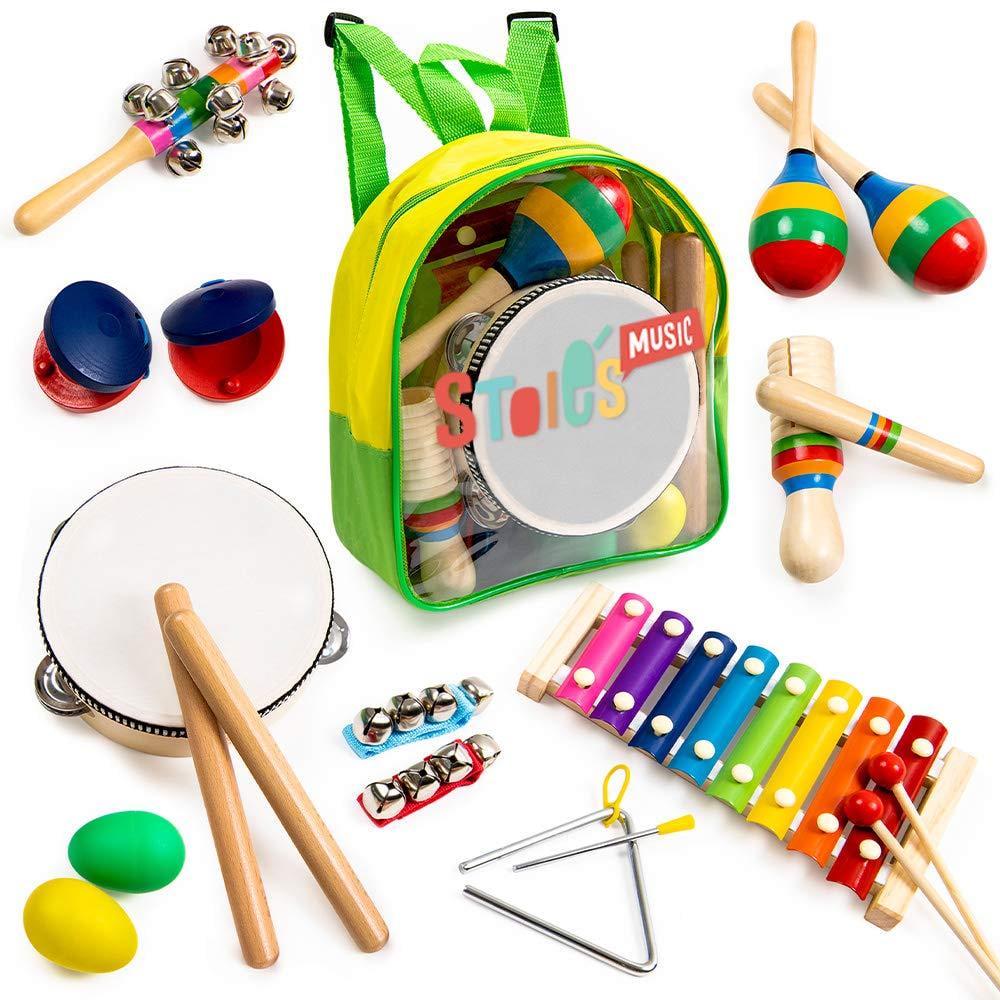
Children’s music toys encompass a wide range of instruments and devices designed specifically for young children. These toys can include anything from simple percussion instruments like tambourines and maracas to more complex items like keyboards and xylophones. The primary goal of these toys is to engage children in musical play, allowing them to explore sounds and rhythms in a fun and interactive way. By providing children with the opportunity to create music, these toys not only entertain but also stimulate their imagination and encourage them to express themselves creatively.
Types of Children’s Music Toys
1. Percussion Instruments
– Tambourines: These are circular instruments with jingles that create a bright sound when shaken or struck. They are excellent for developing rhythm and coordination. The act of shaking a tambourine can help children understand the concept of beat, which is fundamental in music. Additionally, tambourines can be used in group settings, promoting social interaction as children play together.
– Maracas: Shaking maracas helps children understand rhythm and timing while also improving their motor skills. The vibrant colors and sounds of maracas can captivate a child’s attention, making them eager to participate in musical activities. As children shake the maracas, they learn about cause and effect, as the movement directly influences the sound produced.
– Drums: Simple hand drums or bongo drums allow children to experiment with beats and sounds, encouraging creativity. Playing drums can be a great way for children to release energy and express emotions. The physical act of drumming also enhances hand-eye coordination and strengthens arm muscles, contributing to overall physical development.
2. Melodic Instruments
– Xylophones: These colorful instruments consist of wooden bars that produce different pitches when struck. They are perfect for teaching children about melody and harmony. Xylophones can introduce children to the concept of scales and notes, laying the groundwork for more advanced musical education in the future. The visual appeal of a xylophone, with its bright colors, can also stimulate a child’s interest in music.
– Keyboards: Toy keyboards often come with various sounds and rhythms, allowing children to create their own music and explore different musical styles. Many keyboards have built-in learning modes that teach children how to play simple songs, making the learning process engaging and enjoyable. The versatility of keyboards can inspire children to experiment with different genres, from classical to pop.
3. Wind Instruments
– Recorders: Simple to play, recorders introduce children to wind instruments and help develop breath control and finger dexterity. Learning to play the recorder can also enhance a child’s understanding of musical notation, as they learn to read simple sheet music. This foundational skill can be beneficial if they choose to pursue other instruments later on.
– Harmonicas: These small instruments are easy to carry and play, making them a great introduction to wind music. Harmonicas can be played solo or in groups, encouraging children to collaborate and create music together. The portability of harmonicas allows children to take their music anywhere, fostering a love for music that can be enjoyed in various settings.
4. Electronic Music Toys
– Interactive Music Mats: These mats respond to touch, allowing children to create music by stepping on different sections. They are great for active play and learning. The combination of movement and music can help children develop gross motor skills while also engaging their auditory senses. Interactive music mats often include various sounds and rhythms, providing endless opportunities for creative expression.
– Musical Learning Tablets: These devices combine music with educational games, helping children learn while they play. Many musical tablets feature interactive lessons that teach children about different instruments, musical theory, and even composition. This integration of technology can make learning music more accessible and appealing to the digital generation.
Benefits of Music Toys for Children
Music toys offer numerous benefits that contribute to a child’s overall development:
– Cognitive Development: Engaging with music toys helps improve memory, attention, and problem-solving skills. Children learn to recognize patterns and develop critical thinking abilities through musical play. The cognitive challenges presented by music, such as remembering melodies or following rhythms, stimulate brain development and enhance learning capabilities.
– Motor Skills: Playing instruments enhances fine motor skills as children learn to grasp, shake, and strike. This physical engagement is crucial for developing coordination and dexterity. As children manipulate different instruments, they strengthen their hand muscles and improve their ability to perform tasks that require precision.
– Social Skills: Music is often a communal activity. Playing music with others teaches children about teamwork, sharing, and communication. Group music activities can foster friendships and social bonds. Collaborative music-making encourages children to listen to one another and work together towards a common goal, enhancing their interpersonal skills.
– Emotional Expression: Music allows children to express their feelings and emotions. It can be a powerful outlet for creativity and self-expression, helping them understand and manage their emotions. Through music, children can convey joy, sadness, excitement, or frustration, providing them with a healthy way to process their feelings.
– Cultural Awareness: Exposure to different types of music can introduce children to various cultures and traditions, broadening their understanding of the world. Learning about music from different cultures can foster appreciation and respect for diversity, encouraging children to embrace differences in others.
Choosing the Right Music Toys
When selecting music toys for children, consider the following factors:
1. Age Appropriateness: Ensure the toys are suitable for the child’s age. Younger children may benefit from simpler instruments, while older kids can handle more complex ones. Age-appropriate toys not only ensure safety but also maximize engagement and learning potential.
2. Safety: Look for toys made from non-toxic materials with no small parts that could pose a choking hazard. Safety should always be a priority when selecting toys for children, as they often explore their environment by putting objects in their mouths.
3. Durability: Children can be rough on their toys, so choose instruments that can withstand wear and tear. Durable toys can provide long-lasting enjoyment and withstand the rigors of active play.
4. Educational Value: Opt for toys that not only entertain but also educate. Many music toys come with features that promote learning, such as lights, sounds, and interactive elements. Educational toys can help children develop essential skills while having fun.
5. Variety: A diverse range of instruments can keep children engaged and encourage them to explore different musical styles. Providing a variety of music toys can inspire creativity and prevent boredom, allowing children to discover their musical preferences.
Popular Children’s Music Toys
Here are some popular music toys that have gained popularity among parents and children alike:
– B. Symphony Musical Toy Orchestra: This set includes various instruments, allowing children to create their own orchestra. It promotes collaborative play and musical exploration, encouraging children to work together to produce harmonious sounds.
– Melissa & Doug Learn-to-Play Xylophone: A colorful xylophone designed for young children, it helps them learn about notes and melodies while having fun. The design is user-friendly, making it easy for little hands to play.
– Hape Pound & Tap Bench: This toy combines a xylophone with a pounding bench, encouraging children to explore sounds and develop hand-eye coordination. The interactive nature of this toy keeps children engaged and promotes active play.
– VTech Record & Learn KidiStudio: An interactive music studio that allows children to record their songs and play with different sounds, fostering creativity and musical skills. This toy encourages children to experiment with sound and develop their unique musical style.
– Little Tikes Tap-a-Tune Xylophone: A beginner-friendly xylophone that introduces children to music in a playful way, perfect for toddlers. Its bright colors and simple design make it an attractive option for young children.
Encouraging Musical Play at Home
To foster a love for music in children, parents can create an environment that encourages musical play:
– Set Up a Music Corner: Dedicate a space in your home for music play. Include various instruments, cushions for sitting, and a small stage area for performances. A designated music area can inspire children to explore their musical interests and provide a space for creativity.
– Incorporate Music into Daily Routines: Sing songs during bath time, play music during meals, or have dance parties in the living room. This helps children associate music with joy and fun, making it a natural part of their daily lives.
– Attend Music Classes: Look for local music classes or workshops designed for young children. These classes can provide structured learning and social interaction, allowing children to develop their musical skills in a supportive environment.
– Encourage Creativity: Allow children to experiment with sounds and create their own music. Provide them with the freedom to explore and express themselves musically. Encouraging improvisation can help children develop confidence in their musical abilities.
– Listen to Different Genres: Introduce children to various music styles, from classical to jazz to pop. Discuss the different sounds and instruments used in each genre. This exposure can help children develop a well-rounded appreciation for music and inspire them to explore different musical avenues.
Conclusion
Children’s music toys are more than just playthings; they are essential tools for development. By engaging with music, children can enhance their cognitive, social, and emotional skills while having fun. As parents and caregivers, fostering a musical environment can lead to a lifelong appreciation for music and creativity. Whether through simple percussion instruments or complex electronic devices, the world of children’s music toys is rich and varied, offering endless opportunities for exploration and learning.
How to purchase:https://looperbuy.com/search?keywords=children%27s+music+toys
Frequently Asked Questions
1. What age is appropriate for children’s music toys?
– Children’s music toys are available for various age groups, typically starting from infants to preschoolers. Always check the manufacturer’s age recommendations to ensure the toys are suitable for your child’s developmental stage.
2. How do music toys benefit child development?
– Music toys enhance cognitive skills, motor skills, social skills, emotional expression, and cultural awareness, contributing to overall development. Engaging with music can stimulate brain activity and promote learning in a fun way.
3. Are electronic music toys suitable for young children?
– Yes, many electronic music toys are designed specifically for young children, featuring safe materials and age-appropriate functions. These toys can provide interactive learning experiences that keep children engaged.
4. What types of music toys are best for toddlers?
– Simple percussion instruments, colorful xylophones, and interactive music mats are great options for toddlers. These toys are designed to be safe and easy to use, allowing toddlers to explore music without frustration.
5. How can I encourage my child to play music?
– Create a music-friendly environment, incorporate music into daily routines, attend music classes, and encourage creativity through exploration. Providing opportunities for musical play can help children develop a love for music that lasts a lifetime.