Table of Contents
What Does Business Vertical Meaning Really Mean in B2B Sourcing?
To put it simply, business vertical meaning refers to a company’s specialization within a specific industry, niche, or product category. A vertical business trades in specialized products and services for a targeted audience, whereas a horizontal business offers a broad range across many industries.
In the context of B2B sourcing, a vertical marketplace focuses deeply on particular product categories or industries (e.g., industrial components, packaging materials, or electrical supplies), offering deep expertise, vetted suppliers, and tailored logistics.
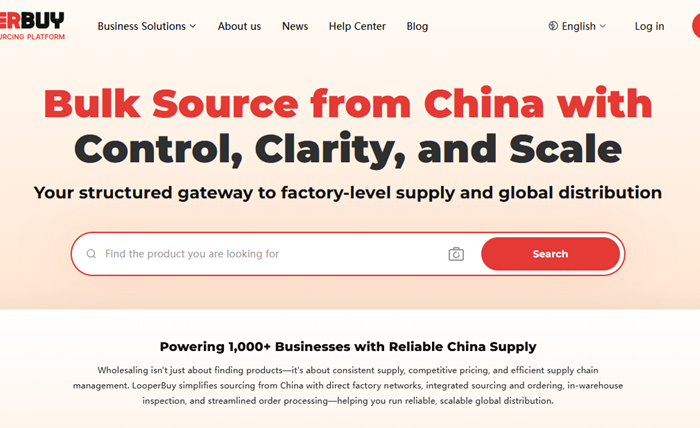
Think of it this way: Amazon Business and Alibaba are horizontal platforms — they serve everyone from office managers buying paper clips to manufacturers sourcing industrial bearings. In contrast, LooperBuy operates as a vertically focused One‑Stop B2B Sourcing Platform for brand owners, wholesalers, and manufacturers sourcing directly from China.
We don’t try to be everything to everyone. We focus on what we do best: connecting global buyers with vetted Chinese suppliers across 50+ B2B supply categories, streamlining global logistics, and ensuring end‑to‑end procurement transparency. Because we’re vertically specialized, we can offer deeper expertise, stronger supplier vetting, and more cost‑effective logistics than horizontal competitors.

Why Vertical B2B Marketplaces Are Outpacing Horizontal Platforms in 2025–2026
The global B2B e‑commerce market is expanding at an unprecedented pace. According to research summarized by Shopify, the global B2B e‑commerce market is projected to reach approximately $36 trillion by 2026. Mordor Intelligence estimates the market at about $32.8 trillion in 2025, with a path toward roughly $61.9 trillion by 2030. Other sources project it could exceed $47.5 trillion by 2030 at a CAGR of over 16%.
Within this rapidly expanding market, vertical B2B marketplaces are emerging as the growth leaders. Industry analysis indicates that vertical B2B marketplaces have grown from 75 platforms five years ago to 750+ today, with sales projected to exceed USD 3.6 trillion (SkillNet Solutions / McKinsey, 2024). This is not a coincidence — it’s a direct response to what B2B buyers are demanding.
What B2B Buyers Actually Want in 2025
Recent research tells a compelling story about shifting buyer priorities. According to a 2025 study of over 1,000 procurement leaders:
- 36% of US SMEs say sourcing at more cost‑effective prices is a top priority, followed closely by finding trusted suppliers (35%) and sourcing new, trendy products to acquire new customers (33%).
- In the UK, nearly half (43%) of SMEs prioritize cost‑effective pricing, with 40% prioritizing trusted suppliers.
Importantly, 57% of UK SMEs plan to switch suppliers in 2025, turning instead to digital sourcing and B2B marketplaces to drive growth (Alibaba.com / The Fintech Times, 2025). This supplier churn represents a massive opportunity for platforms that can deliver both cost savings and trust — exactly what a well‑executed vertical marketplace offers.
Key takeaway: 73% of B2B buyers now prefer digital‑first procurement journeys (McKinsey, 2024), and vertical marketplaces in sectors like healthcare, manufacturing, and automotive are emerging as specialized growth hubs.
Five Key Vertical Advantages That Horizontal Marketplaces Can’t Match
After analyzing dozens of B2B sourcing platforms and working with hundreds of global buyers, here are the five distinct advantages of choosing a vertical‑focused platform like LooperBuy over a horizontal marketplace:
1. Deep Industry Expertise, Not Just Transactional Matching
Horizontal marketplaces excel at volume but lack depth. When you source through a vertical platform, you’re working with a team that understands your industry’s specific quality standards, compliance requirements, and supply chain nuances. LooperBuy’s team includes specialists in industrial components, consumer goods, packaging, raw materials, and more — not just generalist procurement agents.
2. Vetted Suppliers with Proven Track Records
The single biggest risk in cross‑border sourcing is connecting with unvetted, unreliable suppliers. According to LooperBuy’s internal data, 80% of cross‑border sourcing issues trace back to unverified suppliers. LooperBuy implements a rigorous 8‑step supplier vetting process, verifying:
- Manufacturing capacity
- ISO/CE/FDA/REACH certifications
- B2B order fulfillment track records
- Quality control protocols
3. Integrated Logistics with Global Reach
Horizontal marketplaces typically leave logistics to you. Vertical platforms like LooperBuy integrate logistics directly into the procurement workflow. We leverage a global logistics network of major carriers, dry ports, and consolidated shipping options. Our platform optimizes container loads, reduces transit times by 15–20% via dry port integration, and provides 24/7 real‑time shipment tracking — ensuring your supplies reach their destination on time, every time.
4. True One‑Stop Product Diversity Without Fragmentation
Some buyers worry that “vertical” means “limited selection.” This is a misconception. LooperBuy hosts 10,000+ vetted Chinese suppliers across 50+ B2B supply categories — from industrial components and electrical supplies to packaging materials, consumer goods, and custom manufacturing parts. You can source all your products from a single platform, eliminating the fragmentation that comes with managing five different horizontal suppliers.
5. End‑to‑End Visibility and Cost Transparency
Hidden costs kill profit margins. LooperBuy provides integrated cost calculators that give you upfront, all‑inclusive estimates factoring in product costs, ocean/air freight, customs duties, and final‑mile delivery — no hidden fees, no surprises. And with pre‑shipment quality inspections for all orders over $5,000, you’ll never receive non‑compliant goods.
Real‑World Case Study: How a European Wholesaler Transformed Their Sourcing Strategy
To illustrate how business vertical meaning translates into real business results, let me share a 2026 success story from one of LooperBuy’s key clients: a European industrial wholesaler specializing in electrical and construction supplies, serving clients across Germany, France, and the UK.
The Challenge
- Sourced from European suppliers with pricing 35% higher than Chinese alternatives — eroding profit margins.
- Had to source from eight different vendors to meet client needs, creating fragmented procurement and logistical delays.
- Shipping times for niche industrial supplies averaged 6–8 weeks, leading to missed client deadlines and lost repeat business.
The Solution
The wholesaler partnered with LooperBuy to source directly from vetted Chinese suppliers:
- Gained access to 200+ vetted suppliers of electrical and construction supplies, with pricing 30% lower than previous European vendors.
- Sourced all supplies from a single platform, eliminating fragmented procurement and reducing administrative work by 40%.
- LooperBuy’s dry port integration and optimized logistics cut shipping times to Europe to 2–3 weeks, with real‑time tracking.
The Result (within six months)
- Profit margins increased by 22% thanks to lower Chinese sourcing costs and no middleman markups.
- Client retention rose by 30% due to on‑time delivery and expanded product diversity.
- Added 15 new niche supply categories to their portfolio, attracting 50+ new corporate clients.
This is not an anomaly — it’s the standard for LooperBuy clients.
How to Choose the Right B2B Vertical Marketplace for Your Business
Not all vertical platforms are created equal. Based on my 15 years in this industry, here’s a practical checklist for evaluating any vertical B2B sourcing platform:
- Supplier Vetting Rigor: Does the platform verify suppliers beyond basic business licenses? Look for multi‑step processes that include manufacturing capacity verification, certification checks, and fulfillment track records. LooperBuy’s 8‑step vetting sets the standard.
- Logistics Integration: Does the platform offer integrated shipping, or do you need to arrange your own freight forwarding? Integrated logistics solutions reduce complexity and costs.
- Transparent, All‑Inclusive Pricing: Hidden fees are the #1 complaint about cross‑border sourcing. Choose platforms that provide fixed, all‑inclusive cost estimates upfront — product costs, freight, duties, and final‑mile delivery included.
- Quality Assurance: Pre‑shipment inspections should be standard, not optional. Look for platforms that offer complimentary quality checks on orders above a reasonable threshold.
- Industry Coverage and Supplier Diversity: Does the platform cover your specific industry vertical? How many vetted suppliers are available in your product category? LooperBuy’s 10,000+ suppliers across 50+ categories ensures you’ll find what you need.
Getting Started with LooperBuy: A 5‑Step Framework for Vertical Sourcing Success
Here’s exactly how to begin sourcing through LooperBuy:
- Define Your Requirements – Log into LooperBuy and input your sourcing needs: product category, volume, quality standards, destination market, and delivery timeline. Our AI‑powered tool generates a customized procurement checklist.
- Browse Vetted Suppliers – Use advanced filters to narrow suppliers by category, certification, MOQ, and delivery speed. Review profiles and client reviews, and communicate directly via our multilingual chat tool.
- Get an All‑Inclusive Cost Estimate – Our integrated cost calculator generates a fixed estimate covering product costs, freight, duties, port fees, and final‑mile delivery. No hidden fees.
- Quality Inspection and Documentation – We offer complimentary pre‑shipment quality inspections for all orders over $5,000, plus documentation review to ensure compliance with your destination market‘s regulations.
- Real‑Time Tracking and Delivery – Track every shipment from factory to warehouse with 24/7 real‑time tracking and automated alerts for customs clearance and estimated arrival times.
Call to Action
The global B2B sourcing landscape has shifted. Horizontal marketplaces can’t match the depth, expertise, and efficiency of vertical‑focused platforms. If you’re a brand owner, wholesaler, or manufacturer looking to scale your global sourcing operation — whether you’re reducing costs, finding new products, or streamlining logistics — LooperBuy is your trusted one‑stop partner.
👉 Sign up for LooperBuy today to unlock your free account, access our vetted Chinese supplier network, and start sourcing high‑quality products at competitive prices. We offer a 100% risk‑free trial for new users — no upfront costs, no commitments, just seamless sourcing for your business.

Frequently Asked Questions (FAQ)
1. What exactly does business vertical meaning refer to in the context of B2B sourcing?
Business vertical meaning refers to a company’s specialization within a specific industry, niche, or product category. In B2B sourcing, a vertical marketplace focuses deeply on particular product categories or industries (e.g., industrial supplies or manufacturing components), offering specialized expertise, vetted suppliers, and tailored logistics — in contrast to horizontal marketplaces like Amazon Business, which offer a wide but shallow range of products across many categories.
2. Why should I choose a vertical B2B platform like LooperBuy over a horizontal marketplace?
Vertical platforms offer deep industry expertise, rigorously vetted suppliers, integrated logistics, and end‑to‑end visibility — advantages horizontal marketplaces cannot match. A vertical marketplace focuses on specific operational aspects of a value chain, enabling deeper supplier relationships, better functionality, and support for industry‑specific requirements. The specialized nature simplifies procurement by focusing on relevant products and suppliers.
3. How does LooperBuy ensure supplier quality for my business?
LooperBuy implements a rigorous 8‑step vetting process for all Chinese suppliers, verifying manufacturing capacity, ISO/CE certification, B2B order fulfillment track records, and quality control protocols. We also offer complimentary pre‑shipment quality inspections for all orders over $5,000 — ensuring products meet your exact standards before leaving China.
4. Can LooperBuy handle logistics to my global destination?
Yes. LooperBuy’s global logistics network covers over 200 countries and regions, with partnerships with major carriers, dry ports, and logistics hubs. We offer ocean/air freight, consolidated shipping, and FCL options, plus real‑time tracking — ensuring on‑time delivery regardless of destination.
5. How much can I save by sourcing through LooperBuy compared to traditional channels?
LooperBuy eliminates middleman markups by connecting you directly with Chinese suppliers, offers integrated cost calculators to avoid hidden fees, and leverages bulk shipping rates. Our clients typically save 20–30% on procurement compared to traditional sourcing channels, with some achieving savings of 30–40% on product costs alone — consistent with industry data showing Chinese suppliers offer B2B pricing 25–40% lower than European or North American alternatives.
References
- Shopify. (2025). Global Ecommerce Statistics: 2025 Trends. Retrieved from https://www.shopify.com
- Mordor Intelligence. (2025). B2B E‑commerce Market Size, Trends & Research Report 2030. Retrieved from https://www.mordorintelligence.com
- Research and Markets. (2025). Global B2B E‑Commerce Market Report 2024‑2030. Retrieved from https://www.researchandmarkets.com
- Alibaba.com. (2025). US SMEs Prioritise Trendy and High‑Quality Products as Direct Sourcing Takes Centre Stage. Retrieved from https://www.nasdaq.com
- Alibaba.com. (2025). UK SMEs ‘Actively Seeking New Suppliers’ to Future‑Proof Themselves. Retrieved from https://thefintechtimes.com
- CloudBlue. (2024). Vertical Marketplace — Definition, Benefits, and Examples. Retrieved from https://www.cloudblue.com
- Virtocommerce. (2022). Business Verticals: Understanding, Benefits, Market Examples. Retrieved from https://virtocommerce.com
- LooperBuy. (2026). Supplies Business: A B2B Expert‘s Guide to Sourcing Chinese Goods Globally. Retrieved from https://blog.looperbuy.com
- SkillNet Solutions. (2025). B2B Marketplace Integration Strategies (citing McKinsey 2024). Retrieved from https://www.skillnetinc.com
- MarketResearch.com. (2026). B2B Marketplaces in Manufacturing: Analysis of Marketplace Models, Key Trends, and Success Factors (IDC Perspective). Retrieved from https://www.marketresearch.com
- Accion. (2023). What Makes a Successful B2B Marketplace. Retrieved from https://www.accion.org
Hot Tags
business vertical meaning, B2B vertical marketplace, one‑stop B2B sourcing platform, LooperBuy, China sourcing platform, cross‑border B2B ecommerce, vertical vs horizontal B2B, global B2B procurement, vetted Chinese suppliers, B2B logistics solutions, direct sourcing China, B2B supply chain optimization