Table of Contents
Introduction to China’s Wholesale Hair Industry
China’s dominance in the global hair wholesale market stems from its advanced manufacturing infrastructure, cost-effective production, and ability to deliver diverse hair products—from virgin human hair extensions to synthetic wigs. The country supplies over 60% of the world’s hair products, catering to salons, retailers, and e-commerce businesses seeking quality and affordability. However, navigating this industry requires understanding supplier verification, compliance standards, and logistics nuances. This guide provides actionable strategies to identify top-tier vendors, mitigate risks, and capitalize on emerging trends in 2024.
Types of Wholesale Hair Vendors in China
OEM/ODM Manufacturers
These suppliers specialize in custom hair solutions, offering:
- Virgin Human Hair: Sourced directly from donors, available in Brazilian, Peruvian, or Indian textures.
- Lace Front Wigs: Customizable wigs with undetectable hairlines, ideal for high-end markets.
- Synthetic Hair: Heat-resistant fibers for budget-conscious buyers.
Key Advantages:
- Scalability: MOQs as low as 50 units for startups.
- Certifications: ISO 9001 (quality management) and OEKO-TEX (non-toxic materials) ensure product safety.
Trading Companies
These intermediaries aggregate products from multiple factories, providing:
- Product Diversity: Access to extensions, closures, and accessories under one roof.
- Logistics Support: Many handle shipping, customs clearance, and bulk packaging.
B2B Marketplaces
- 1688.com: A domestic platform offering ultra-competitive pricing for bulk orders but requiring Mandarin proficiency or local agents.
- Global Platforms: Specialized B2B platforms connect buyers with verified vendors, offering secure payments and quality guarantees.
Strategies for Partnering with Reliable Hair Vendors
Supplier Verification
Step 1: Certifications and Licenses
Verify vendors through China’s National Enterprise Credit Information Publicity System. Prioritize certifications like:
- ISO 9001: Ensures consistent manufacturing standards.
- BSCI: Guarantees ethical labor practices.
Step 2: Third-Party Audits
Hire agencies like SGS or Intertek to inspect factories for hygiene, raw material storage, and production processes. For example, human hair must be sterilized and free from chemical residues.
Step 3: Sample Testing
Order samples to assess:
- Texture and Durability: Test hair for shedding, tangling, and heat resistance (up to 180°C for synthetic fibers).
- Color Consistency: Use Pantone codes to ensure dye lot accuracy.
Cost Optimization
- Bulk Discounts: Negotiate 10–20% discounts for orders exceeding 500 units.
- Material Alternatives: Choose Remy human hair (cuticle-aligned) over non-Remy for better longevity at a mid-range price.
- Tariff Mitigation: Source from bonded zones (e.g., Shenzhen) or regions with free trade agreements (e.g., ASEAN).
Logistics and Payment Solutions
- DDP Shipping: Opt for Delivered Duty Paid terms to streamline customs processes.
- Secure Payments: Use escrow services or buyer protection programs to minimize financial risks.
- Inventory Management: Partner with vendors offering dropshipping or Just-in-Time (JIT) production to align with demand cycles.
Challenges and Solutions in Hair Sourcing
Quality Control
- Mislabeled Hair Grades: Vendors may market processed hair as “virgin.” Solution: Request third-party lab tests to verify cuticle alignment and protein content.
- Color Variations: Inconsistent dye lots between batches. Solution: Approve pre-production samples and include color-matching clauses in contracts.
Ethical Concerns
- Unethical Sourcing: Hair obtained without donor consent. Solution: Partner with Fair Trade-certified vendors or those adhering to the Kimberley Process.
Logistical Complexities
- Shipping Delays: Customs inspections for human hair products. Solution: Provide detailed product descriptions and HS codes (e.g., 6704.9000 for wigs).
- Moisture Damage: Human hair degrades in humid conditions. Solution: Require vacuum-sealed packaging with silica gel.
Communication Barriers
- Language Gaps: Misunderstandings in technical specifications. Solution: Use bilingual agents or AI translation tools for contracts and product details.
- Cultural Differences: Hierarchical decision-making in Chinese companies. Solution: Build trust through virtual meetings or attend trade shows like the Canton Fair.
Future Trends Reshaping the Hair Wholesale Industry
Technology Integration
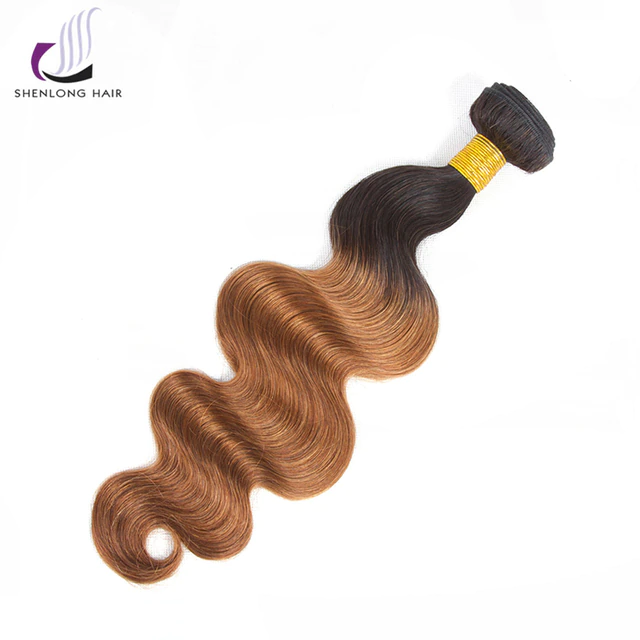
- AI-Driven Customization: Platforms analyze customer demographics to recommend textures, lengths, and colors. For instance, AI tools predict demand for balayage ombre extensions in European markets.
- Blockchain Traceability: Track hair from donor to final product, ensuring ethical sourcing and transparency.
Sustainability Initiatives
- Recycled Packaging: Biodegradable poly bags or reusable containers reduce plastic waste.
- Vegan Synthetic Hair: Fibers made from plant-based polymers (e.g., cornstarch) appeal to eco-conscious consumers.
Market Expansion
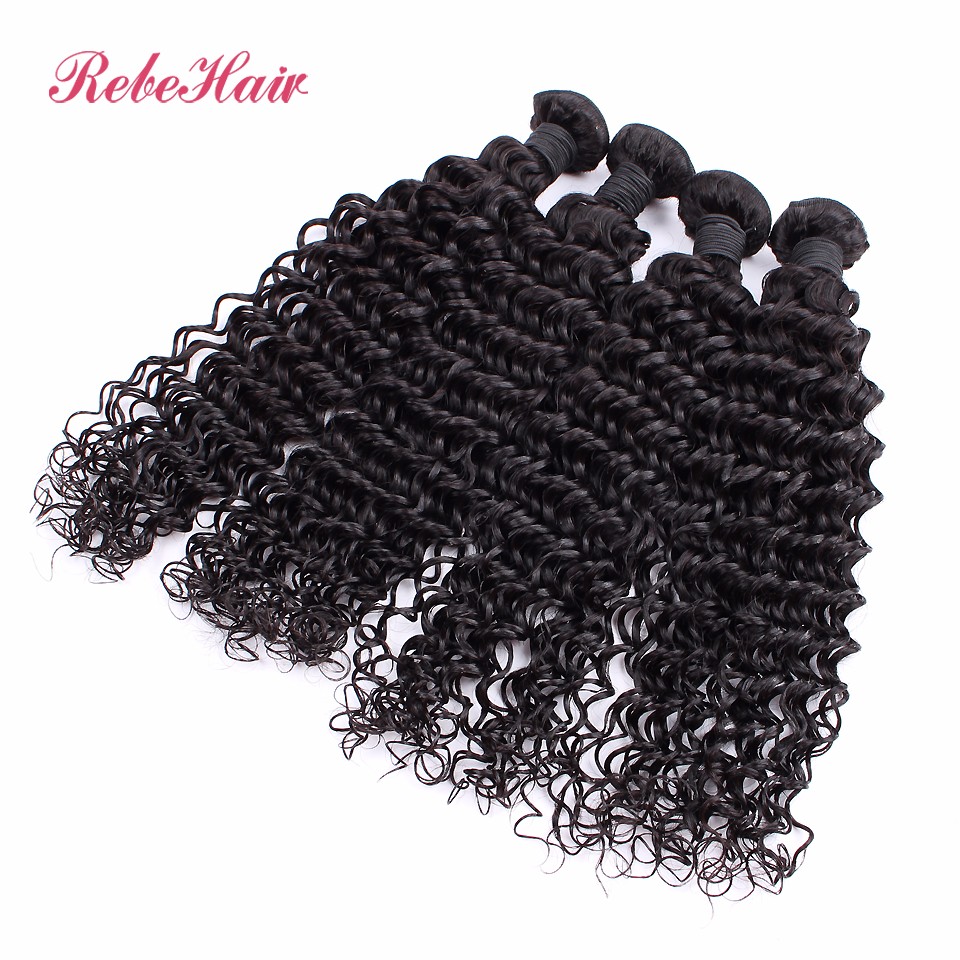
- Afro-Textured Hair Demand: Chinese vendors are expanding into curly and coily hair products to serve diverse global markets.
- Medical Wigs: Partnerships with hospitals to supply wigs for chemotherapy patients, emphasizing hypoallergenic materials.
Regional Diversification
- Nearshoring: Factories in Vietnam or Mexico reduce lead times and bypass tariffs like U.S. Section 301 duties.
- Hybrid Sourcing: Split orders between Chinese and regional suppliers (e.g., Turkish human hair) to mitigate geopolitical risks.
Conclusion
Partnering with the best wholesale hair vendors in China demands a strategic balance of quality assurance, cost efficiency, and ethical practices. By prioritizing certified suppliers like OEM manufacturers on platforms such as 1688.com, businesses can secure high-quality products while adhering to global standards. Rigorous sample testing, transparent communication, and adoption of trends like blockchain traceability will future-proof supply chains. As the industry evolves, sustainability and technology will drive innovation, enabling businesses to meet the demands of a dynamic, competitive market.
If you want to do purchasing directly without registering 1688, you can use looperbuy, a one-stop purchasing-logistics solution:https://looperbuy.com/
Related Questions & Answers
· How can I verify the quality of human hair from Chinese vendors?
Request third-party lab tests for cuticle alignment and protein content. Human hair should burn to ash with a protein-like smell, while synthetic hair melts.
· What is the average MOQ for wholesale hair vendors in China?
MOQs typically start at 50–100 units for custom wigs and 10–20 bundles for extensions. Some suppliers on 1688.com accept smaller orders for standardized products.
· How do I avoid receiving synthetic hair labeled as human hair?
Conduct a burn test and check for certifications like ISO 9001. Partner with vendors providing transparent sourcing documentation.
· Are there eco-friendly hair vendors in China?
Yes. Look for vendors using biodegradable packaging, vegan synthetic fibers, or recycled materials. Certifications like FSC (sustainable forestry) indicate eco-compliance.
· How can I reduce shipping costs for bulk hair orders?
Opt for consolidated shipping, negotiate DDP terms, or use sea freight for non-urgent orders.
Hot Tags: Wholesale Human Hair Vendors; Virgin Hair Extensions China; OEM Wig Manufacturing; Sustainable Hair Sourcing; Ethical Supplier Certification; Hair Product Compliance; DDP Shipping Solutions; Synthetic Hair Suppliers; Blockchain Traceability.