In the ever-evolving world of e-commerce, drop shipping has emerged as a popular business model for entrepreneurs looking to start their online stores with minimal upfront investment. The key to success in drop shipping lies in choosing the right platforms and suppliers. This article explores the best websites for drop shipping, providing insights into their features, benefits, and how they can help you build a successful online business.
Table of Contents
Understanding Drop Shipping
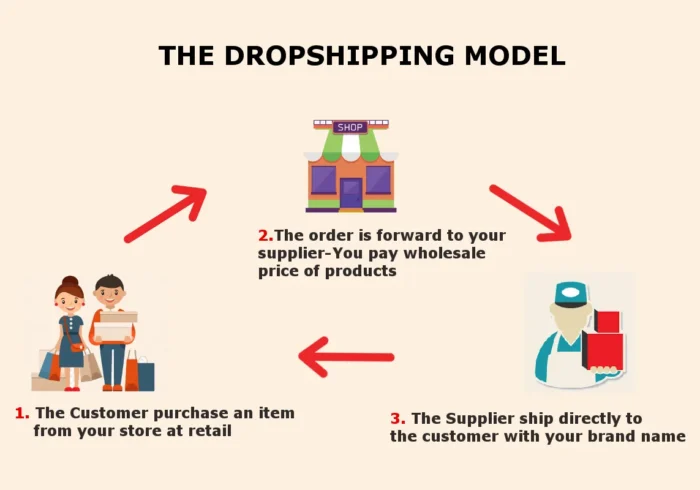
Drop shipping is a retail fulfillment method where a store doesn’t keep the products it sells in stock. Instead, when a store sells a product, it purchases the item from a third party and has it shipped directly to the customer. This model allows entrepreneurs to start a business without the need for inventory, making it an attractive option for many.
How Drop Shipping Works
- Customer Places an Order: A customer visits your online store and places an order for a product.
- Order Forwarded to Supplier: You receive the order and forward it to your supplier, along with the customer’s shipping details.
- Supplier Ships the Product: The supplier packages and ships the product directly to the customer.
- You Keep the Profit: You earn the difference between the retail price and the wholesale price charged by the supplier.
Benefits of Drop Shipping
- Low Startup Costs: You don’t need to invest in inventory upfront.
- Wide Product Selection: You can offer a variety of products without worrying about storage.
- Flexibility: You can run your business from anywhere with an internet connection.
- Scalability: As your business grows, you can easily add new products and suppliers.
Top Websites for Drop Shipping
When it comes to drop shipping, choosing the right platform is crucial. Here are some of the best websites that facilitate drop shipping:
1. Shopify
Shopify is one of the most popular e-commerce platforms, known for its user-friendly interface and extensive features. It allows entrepreneurs to set up their online stores quickly and efficiently.
Key Features of Shopify
- Easy Store Setup: With customizable templates, you can create a professional-looking store in minutes.
- Integrated Payment Processing: Shopify supports various payment gateways, making transactions seamless.
- App Store: Access to numerous apps that enhance functionality, including drop shipping apps like Oberlo and Spocket.
2. WooCommerce
WooCommerce is a WordPress plugin that transforms a standard website into a fully functional e-commerce store. It’s ideal for those who are already familiar with WordPress.
Advantages of WooCommerce
- Customization: Highly customizable with thousands of themes and plugins.
- Cost-Effective: The plugin is free, but you may incur costs for hosting and premium themes.
- Community Support: A large community of developers and users provides support and resources.
3. AliExpress
AliExpress is a massive online retail service based in China that allows small businesses to sell products directly to consumers. It’s a popular choice for drop shippers due to its vast product range.
Why Choose AliExpress?
- Low Prices: Many products are available at competitive prices, allowing for higher profit margins.
- No Minimum Order Quantity: You can order as little as one item, making it perfect for drop shipping.
- Global Shipping: Suppliers often offer worldwide shipping options.
4. Oberlo
Oberlo is a drop shipping app that integrates seamlessly with Shopify. It allows you to find products to sell online and automate the order fulfillment process.
Features of Oberlo
- Product Sourcing: Easily import products from AliExpress into your Shopify store.
- Order Automation: Automatically fulfill orders with just a few clicks.
- Sales Analytics: Track your sales and performance metrics to optimize your business.
5. Spocket
Spocket is a drop shipping platform that connects you with suppliers from the US and Europe. It focuses on high-quality products and fast shipping times.
Benefits of Using Spocket
- Quality Suppliers: Access to vetted suppliers offering high-quality products.
- Fast Shipping: Many suppliers ship within the US and Europe, reducing delivery times.
- Branded Invoicing: Customize invoices with your brand logo for a professional touch.
Choosing the Right Drop Shipping Platform
Selecting the right drop shipping platform depends on various factors, including your business model, target market, and product niche. Here are some considerations to help you make an informed decision:
Assess Your Business Needs
- Product Range: Determine the types of products you want to sell and ensure the platform supports them.
- Budget: Consider the costs associated with each platform, including subscription fees and transaction costs.
- Ease of Use: Choose a platform that aligns with your technical skills and experience.
Evaluate Supplier Quality
- Product Quality: Research suppliers to ensure they provide high-quality products.
- Shipping Times: Look for suppliers that offer reasonable shipping times to enhance customer satisfaction.
- Customer Service: Reliable suppliers should have good customer service to address any issues that may arise.
Test the Platform
Before fully committing to a platform, consider testing it out. Many platforms offer free trials or money-back guarantees, allowing you to explore their features without risk.
Marketing Your Drop Shipping Business
Once you’ve set up your drop shipping store, the next step is to attract customers. Here are some effective marketing strategies:
Social Media Marketing
Utilize platforms like Facebook, Instagram, and Pinterest to promote your products. Create engaging content that resonates with your target audience and encourages them to visit your store.
Search Engine Optimization (SEO)
Optimize your website for search engines to increase organic traffic. Use relevant keywords in your product descriptions, blog posts, and meta tags to improve your visibility.
Email Marketing
Build an email list and send regular newsletters to keep your customers informed about new products, promotions, and updates. Personalized emails can significantly enhance customer engagement.
Influencer Marketing
Collaborate with influencers in your niche to reach a broader audience. Influencers can help promote your products to their followers, driving traffic to your store.
Content Marketing
Creating valuable content related to your products can attract potential customers. Consider starting a blog where you share tips, guides, and insights related to your niche. This not only helps with SEO but also establishes your authority in the market.
Paid Advertising
Investing in paid advertising can yield quick results. Platforms like Google Ads and Facebook Ads allow you to target specific demographics, ensuring your products reach the right audience. Experiment with different ad formats, such as carousel ads or video ads, to see what resonates best with your audience.
Managing Your Drop Shipping Business
Running a drop shipping business requires ongoing management to ensure everything runs smoothly. Here are some key areas to focus on:
Inventory Management
While you don’t hold inventory, it’s essential to keep track of your suppliers’ stock levels. Use tools that integrate with your store to monitor inventory in real-time, preventing situations where customers order out-of-stock items.
Customer Service
Providing excellent customer service is crucial for retaining customers and building a positive reputation. Be responsive to inquiries, handle returns efficiently, and ensure that customers feel valued throughout their shopping experience.
Performance Analysis
Regularly analyze your business performance to identify areas for improvement. Use analytics tools to track sales, customer behavior, and website traffic. This data can help you make informed decisions about product offerings, marketing strategies, and overall business direction.
Adapting to Market Trends
The e-commerce landscape is constantly changing. Stay informed about industry trends, consumer preferences, and emerging technologies. Being adaptable will help you stay competitive and meet the evolving needs of your customers.
Building a Brand
In the competitive world of drop shipping, building a strong brand can set you apart from the competition. Focus on creating a unique brand identity that resonates with your target audience. This includes developing a memorable logo, consistent branding across your website and social media, and a compelling brand story that connects with customers on an emotional level.
Networking and Community Engagement
Engaging with other entrepreneurs and participating in online communities can provide valuable insights and support. Join forums, social media groups, and attend webinars or conferences related to e-commerce and drop shipping. Networking can lead to partnerships, collaborations, and new opportunities for your business.
Legal Considerations for Drop Shipping
Starting a drop shipping business involves various legal considerations that you should be aware of to ensure compliance and protect your interests.
Business Registration
Depending on your location, you may need to register your business and obtain the necessary licenses or permits. This could include registering a business name, obtaining a sales tax permit, or complying with local regulations.
Tax Obligations
Understanding your tax obligations is crucial for running a legitimate business. Research the tax laws in your jurisdiction, including sales tax collection and reporting requirements. You may need to collect sales tax from customers in certain states or countries.
Consumer Protection Laws
Familiarize yourself with consumer protection laws that apply to your business. This includes understanding return policies, warranty requirements, and ensuring that your marketing practices are truthful and not misleading.
Privacy Policies
If you collect customer data, you must comply with privacy regulations, such as the General Data Protection Regulation (GDPR) in Europe or the California Consumer Privacy Act (CCPA) in the United States. Create a clear privacy policy that outlines how you collect, use, and protect customer information.
Conclusion
In conclusion, drop shipping offers a viable business model for aspiring entrepreneurs. By choosing the right platforms and suppliers, you can create a successful online store with minimal investment. Whether you opt for Shopify, WooCommerce, AliExpress, Oberlo, or Spocket, each platform has unique features that can cater to your specific needs. Remember to focus on marketing strategies to attract customers and grow your business. With dedication and the right approach, you can build a thriving drop shipping business that meets the demands of today’s consumers.
As you embark on your drop shipping journey, remember that the right products can make all the difference in attracting customers and boosting sales. Discover a wide range of high-quality items at competitive prices to elevate your online store today at LooperBuy.
Article Summary: This article explores the best websites for drop shipping, including Shopify, WooCommerce, AliExpress, Oberlo, and Spocket. It discusses the benefits of drop shipping, how it works, and provides insights into choosing the right platform, marketing strategies, managing your business effectively, and legal considerations.
Hot Tags: Drop Shipping; E-commerce; Shopify; WooCommerce; AliExpress; Oberlo; Spocket; Online Business; Retail Fulfillment; Product Sourcing; Digital Marketing; SEO; Social Media Marketing; Influencer Marketing; Customer Engagement; Business Model; Startup Costs; Inventory Management; Shipping Solutions; Supplier Quality; Market Research; Niche Products; E-commerce Trends; Online Store; Payment Processing; Sales Analytics; Brand Building; Customer Satisfaction; Business Growth; E-commerce Platforms; Online Retail; Business Registration; Tax Obligations; Consumer Protection Laws.
Related Questions & Answers
· What are the best strategies for finding reliable drop shipping suppliers?
To find reliable drop shipping suppliers, research online directories, attend trade shows, and use platforms like AliExpress or Spocket. Look for suppliers with good reviews, responsive customer service, and a proven track record of timely shipping.
· How can I effectively manage customer service for my drop shipping business?
Implement a customer service strategy that includes prompt responses to inquiries, clear communication regarding order status, and a straightforward return policy. Consider using customer service software to streamline communication and track customer interactions.
· What are the key performance indicators (KPIs) to track for a drop shipping store?
Key performance indicators for a drop shipping store include sales revenue, profit margins, customer acquisition cost, conversion rates, and customer retention rates. Monitoring these metrics can help you assess the health of your business and make data-driven decisions.
· What are the legal considerations for starting a drop shipping business?
Legal considerations include business registration, understanding tax obligations, complying with consumer protection laws, and creating a privacy policy if you collect customer data. It’s essential to ensure your business operates within the legal framework of your jurisdiction.
· How can I automate my drop shipping business to improve efficiency?
You can automate your drop shipping business by using tools and software that handle order processing, inventory management, and customer communication. Platforms like Shopify and Oberlo offer automation features that streamline these processes, allowing you to focus on marketing and growth.