China’s B2B e-commerce landscape is rapidly evolving, driven by digitalization and government support for online procurement. As businesses increasingly prioritize digital-first interactions, understanding the best B2B platforms in China is crucial for success. This article explores the top platforms, their features, and the trends shaping the industry.
Table of Contents
Introduction to China’s B2B E-commerce Market
China’s B2B e-commerce market has experienced remarkable growth, with a compound annual growth rate (CAGR) of 8% in recent years. This growth is driven by the increasing adoption of digital self-service models and remote interactions, with 90% of decision-makers expecting to make purchases through end-to-end self-serve models. The market’s size and complexity require businesses to navigate various platforms effectively.
Top B2B Platforms in China
Alibaba
Alibaba is a titan in the global B2B e-commerce space, offering a vast range of products and services. It connects procurement agents and businesses with verified suppliers worldwide, providing robust tools for cross-border trade and supply chain management. Alibaba’s Trade Assurance program ensures secure transactions, making it a trusted platform for businesses of all sizes.
Alibaba Features:
- Product Range: Offers a wide variety of products, including electronics, machinery, and clothing.
- Transaction Security: Provides Trade Assurance for secure transactions.
- Logistics Solutions: Offers reliable logistics options for cross-border trade.
1688.com
1688.com is Alibaba’s domestic B2B platform, focusing on wholesale transactions within China. It is the largest wholesale platform in the country, connecting buyers with factories and manufacturers. The platform is used by both small businesses and individual buyers looking for bulk purchases at competitive prices.
1688.com Features:
- Wholesale Focus: Specializes in bulk sales to businesses and individuals.
- Supplier Network: Features a vast network of factories and manufacturers.
- Pricing: Offers competitive pricing due to its focus on domestic wholesale.
DHgate
DHgate is a global B2B marketplace suitable for small-batch procurement by SMEs. It offers a full range of products, particularly in fashion and electronics, and allows direct communication with suppliers. DHgate’s low minimum order quantity (MOQ) makes it accessible to small businesses.
DHgate Features:
- Product Range: Offers a wide range of products, especially fashion and electronics.
- Low MOQ: Suitable for small businesses with limited procurement needs.
- Supplier Communication: Allows direct communication with suppliers.
Made-in-China
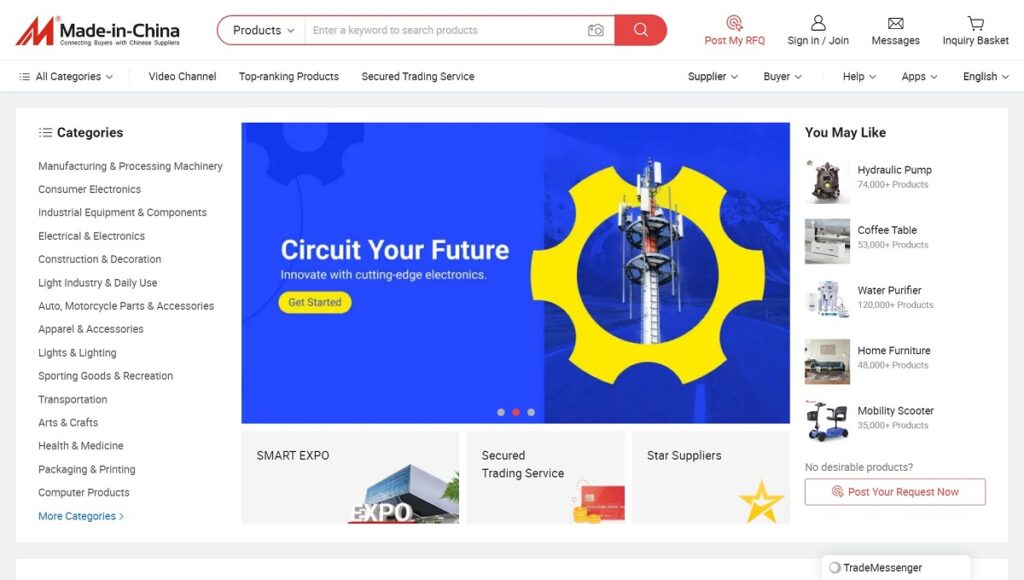
Made-in-China is a professional procurement platform focusing on industrial and mechanical equipment. It provides a strong supplier verification system, ensuring high-quality products for businesses. This platform is ideal for companies seeking specialized equipment and machinery.
Made-in-China Features:
- Product Focus: Specializes in industrial and mechanical equipment.
- Supplier Verification: Offers a robust verification system for suppliers.
- Quality Assurance: Ensures high-quality products through strict supplier checks.
Yiwugo
Yiwugo is an online extension of the Yiwu market, focusing on low-cost, high-volume goods. It is suitable for small retailers looking to source products at competitive prices. Yiwugo’s platform is designed to facilitate bulk purchases, making it a key destination for businesses seeking affordable products.
Yiwugo Features:
- Low-Cost Products: Offers affordable products in bulk.
- High-Volume Sales: Suitable for small retailers with high demand.
- Market Extension: Acts as an online extension of the physical Yiwu market.
Trends in China’s B2B E-commerce Market
Digital Transformation
The digital transformation of China’s B2B market is driven by the adoption of digital self-service models and remote interactions. This shift is expected to continue, with businesses prioritizing online sales and digital engagement.
Brand-Owned Platforms
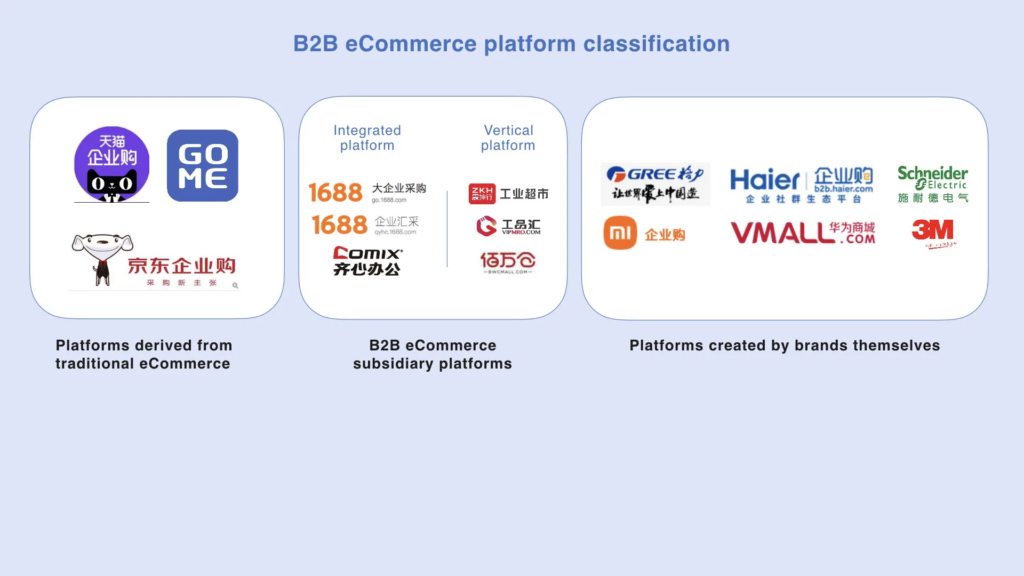
Brand-owned platforms are gaining traction in China’s B2B market, offering enhanced customer experiences, data ownership, and operational flexibility. These platforms allow companies to customize interactions, capture valuable customer data, and ensure regulatory compliance.
Cross-Border E-commerce
China’s cross-border B2B e-commerce is expected to grow significantly, reaching over 6.9 trillion yuan in 2025. This growth is driven by platforms like Alibaba and Tmall Global, which facilitate international trade through robust logistics and payment systems.
Challenges and Opportunities
While China’s B2B e-commerce market offers immense opportunities, there are challenges to navigate:
- Regulatory Environment: Complex regulations require businesses to ensure compliance.
- Quality Control: Ensuring product quality remains a challenge, especially in bulk purchases.
- Market Competition: The market is highly competitive, with many platforms vying for market share.
Leveraging Social Media in B2B E-commerce
Social media platforms like WeChat are increasingly important in B2B e-commerce, offering direct engagement channels and personalized customer experiences. WeChat’s ecosystem includes payment providers and logistics partners, making it a crucial tool for businesses operating in China.
Future Prospects
As China’s B2B e-commerce market continues to evolve, businesses must adapt to emerging trends and technologies. The integration of AI, blockchain, and other digital technologies will enhance supply chain efficiency and customer experiences, driving further growth in the sector.
Conclusion
Navigating the best China B2B platforms in 2025 requires understanding their strengths, trends, and challenges. By leveraging these platforms effectively and staying informed about market developments, businesses can successfully tap into China’s vast and dynamic B2B e-commerce market.
Frequently Asked Questions
What are the top B2B platforms in China for 2025?
Alibaba, 1688.com, DHgate, Made-in-China, and Yiwugo are among the leading platforms.
How is digital transformation impacting China’s B2B market?
Digital transformation is driving the adoption of self-service models and remote interactions, enhancing efficiency and customer engagement.
What role do brand-owned platforms play in China’s B2B market?
Brand-owned platforms offer enhanced customer experiences, data ownership, and operational flexibility, allowing for customized interactions and regulatory compliance.
How significant is cross-border e-commerce in China’s B2B market?
Cross-border e-commerce is expected to reach over 6.9 trillion yuan in 2025, driven by platforms facilitating international trade.
What are the challenges faced by businesses in China’s B2B market?
Businesses face challenges such as regulatory compliance, quality control, and market competition.