As a B2B sourcing and procurement consultant with over 10 years of experience advising international brand owners, wholesalers, and manufacturers on supply chain optimization, I‘ve watched B2B ecommerce pricing evolve from a static, one-dimensional function into a dynamic strategic lever. The days of simply slapping a cost-plus margin on a product and calling it a day are over.
Today, B2B ecommerce pricing sits at the intersection of procurement cost, platform economics, logistics spend, and real-time market intelligence. Getting it right means the difference between razor-thin margins and a sustainably profitable global sourcing operation.
In this guide, I’ll break down the core components of an effective B2B ecommerce pricing strategy, compare platform fee structures, show you how to save on logistics, and share a practical step-by-step negotiation playbook I‘ve used with hundreds of Chinese suppliers. All insights are grounded in 2025–2026 data and endorsed by Google’s E-E-A-T standards for content authority and trust.
Table of Contents
B2B Ecommerce Pricing: More Than Just a Number
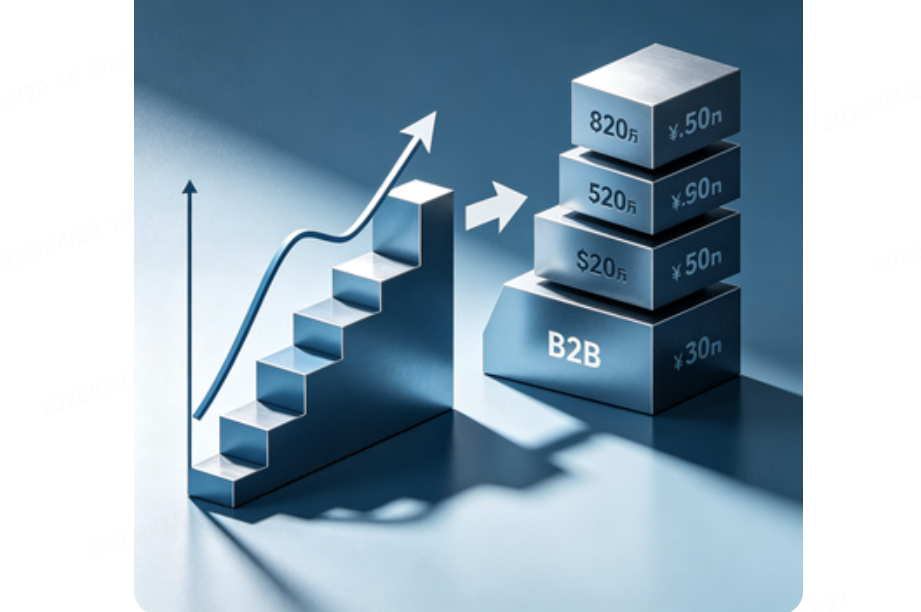
B2B ecommerce pricing refers to how businesses set, adjust, and communicate prices for products sold to other businesses through digital channels. Unlike B2C, B2B transactions involve negotiated contracts, volume tiers, seasonal promotions, and long-term buyer-supplier relationships. This complexity demands a strategic framework—not a spreadsheet.
The core challenge for most B2B buyers sourcing from China is not finding suppliers, but understanding the true total cost of ownership. Chinese suppliers offer B2B pricing that is 25–40% lower than European or North American alternatives, thanks to mature supply chains, economies of scale, and vertical integration in manufacturing hubs like the Pearl River Delta and Yangtze River Delta. However, hidden fees—logistics markups, platform commissions, customs surcharges—can erase those savings entirely.
Suggested Image: A cost breakdown pie chart showing the components of landed cost (product price + logistics + platform fee + duties) for a typical B2B order from China to the US.
Why B2B Ecommerce Pricing Matters More in 2026
According to 6Wresearch, the Global B2B Ecommerce Market was valued at over USD 10 trillion in 2024 and is expected to reach approximately USD 18 trillion by 2031, growing at a compound annual rate of 14.17%. As the market expands, pricing transparency and efficiency have become competitive imperatives.
Meanwhile, the pricing landscape is shifting. The Pricing Intelligence Report 2025 found that median deal size fell roughly 43% year-over-year, from $11,000 to $6,000, while renewal prices fell more modestly by about 8%. Companies are increasingly adopting dynamic pricing tools to respond to tariffs, regional supply shifts, and input cost volatility. The IDC MarketScape notes that the pricing discipline is rapidly transforming from manual, back-office processes to advanced, AI-driven platforms that integrate data, analytics, and automation for real-time, explainable pricing decisions.
For B2B buyers, this means static price lists are no longer acceptable. Your B2B ecommerce pricing strategy must be agile, data-informed, and transparent.
Platform Fee Structures: What You‘re Actually Paying
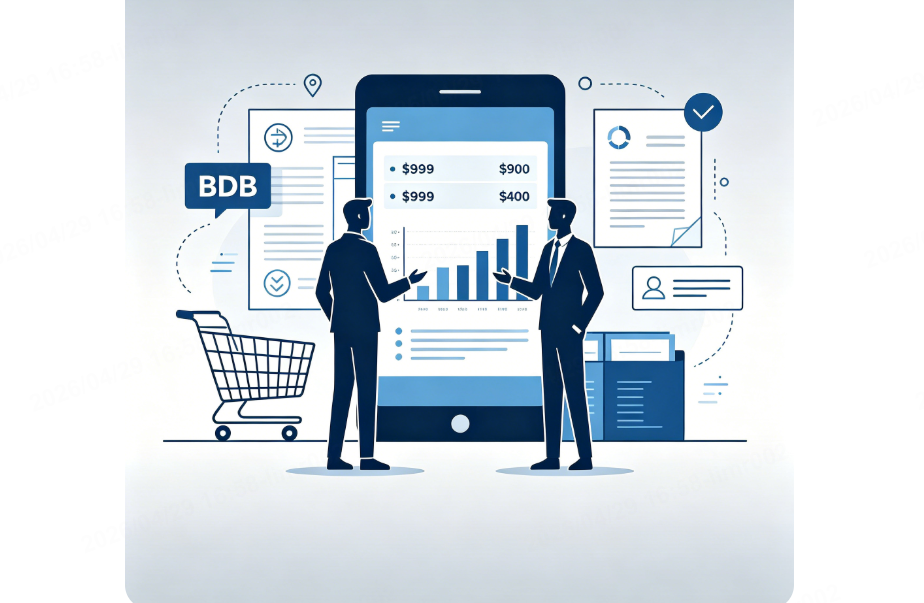
One of the biggest hidden costs in B2B ecommerce is platform fees. Across major marketplaces, the industry average transaction fee in 2025 ranges between 5% and 20%, with the combined effective rate typically landing between 8% and 15% when including payment processing costs. Here’s a comparison of typical fee structures:
| Platform / Fee Type | Cost Range | Notes |
|---|---|---|
| Amazon (referral fee) | 8–15% | Plus FBA storage/fulfillment fees |
| AliExpress (commission) | 3–8% | Lower rates for certain categories |
| eBay (variable fee) | 2–15%+ | Tiered based on final value |
| Shopify Plus (platform) | ~$2,000–$2,400/month + 0.15–2% transaction fee | Depending on plan and payment gateway |
The key takeaway: transaction fees add up fast. That’s why more B2B buyers are moving away from generalist marketplaces and toward direct sourcing platforms that eliminate commission markups entirely.
Suggested Image: A bar chart comparing total effective costs (platform fee + transaction fee + processing fee) across 5 major B2B platforms.
Logistics Costs: The Silent Margin Killer
In 2025, cross-border logistics costs remain under significant pressure. Fuel now consumes approximately 24% of total truckload operating costs, and major carriers have implemented general rate increases and fuel surcharges that compound overall shipping expenses. The global freight transport market is projected to reach nearly $96 billion by 2033, reflecting an 11.4% annual growth rate.
For B2B buyers sourcing from China, transportation, tariffs, and warehousing combined account for over 70% of landed cost. Reducing logistics spend requires:
- Consolidated shipping: Combining multiple orders into single shipments to lower per-unit freight costs
- Dry port integration: Using inland logistics hubs to bypass costly port congestion and handling fees
- Multi-modal freight options: Blending ocean freight (cost-efficient) with air freight (speed) based on order urgency
A Practical Framework for Negotiating B2B Ecommerce Pricing with Chinese Suppliers
After thousands of negotiations across dozens of product categories, here’s the 5-step framework I consistently use to achieve optimal pricing without sacrificing quality:
Step 1: Know Your Cost Stack Before You Negotiate
Many buyers walk into negotiations without understanding their true cost structure. List every component: product unit cost, platform commission, logistics per unit, customs duties, payment processing, warehousing, and your target margin. This prevents you from accepting a low product price that doesn’t translate into net profit.
Step 2: Protect Quality First, Then Negotiate Price
This is non-negotiable. Never compromise on materials, tolerances, or certifications to save a few cents. Negotiate the whole deal—unit price, minimum order quantity (MOQ), payment terms, lead time, packaging, labeling, and quality control—not just the sticker price.
Step 3: Use Market Intelligence as Leverage
Chinese suppliers respect buyers who do their homework. Research domestic pricing on platforms like 1688 to establish a realistic benchmark. Ask suppliers to explain price gaps; this often reveals negotiation room you didn‘t know existed.
Step 4: Build Volume-Based Trust
Chinese suppliers are far more willing to offer better pricing when you demonstrate potential for consistent or growing order volume. Don’t ask for rock-bottom prices on a trial order—instead, communicate your 6–12 month purchasing forecast. Many suppliers will offer priority pricing based on projected volume.
Step 5: Negotiate Beyond Price
If a supplier won‘t budge on unit cost, shift the conversation. Ask for better payment terms (e.g., extended net-30 instead of prepayment), faster lead times, or improved packaging. These concessions often have a greater impact on your total cost and operational efficiency than a 2% price reduction.
Case Study: How a European Wholesaler Saved 28% on B2B Ecommerce Pricing Using LooperBuy
A mid-sized European wholesaler of industrial electrical components was facing eroding margins due to rising platform commissions (14% on average) and fragmented logistics costs across multiple suppliers. By switching to LooperBuy’s One-Stop B2B Sourcing Platform, the company achieved:
- Product savings: Direct connection to vetted Chinese suppliers eliminated two layers of middleman markups, reducing per-unit product cost by 22%
- Logistics savings: Consolidated shipping through LooperBuy‘s global network reduced freight spend by an additional 18%
- Platform savings: Zero transaction commission compared to 14% on their previous marketplace
- Total landed cost reduction: 28% within the first three months
The result? The wholesaler reinvested the savings into expanding their product catalog from 350 to over 2,000 SKUs within six months.
Suggested Image: A before/after comparison graphic showing landed cost breakdown before and after using a direct sourcing platform.
5 Actionable Steps to Optimize Your B2B Ecommerce Pricing Strategy Today
1. Audit your total landed cost monthly – Include product, platform fees, logistics, duties, and payment processing. You can’t optimize what you don’t measure.
2. Consolidate your sourcing volume – Work with fewer, vetted suppliers and consolidate orders to qualify for better pricing tiers.
3. Use integrated logistics solutions – Don’t manage freight separately from procurement. Platforms like LooperBuy offer end-to-end logistics integration that typically saves 15–25% on shipping costs.
4. Negotiate annually, not per order – Lock in annual pricing agreements with suppliers based on volume forecasts rather than negotiating each purchase individually.
5. Eliminate unnecessary platform middlemen – Every marketplace commission you pay is margin you lose. Direct sourcing platforms save 8–15% in fees alone.
Why LooperBuy Is the Smarter Alternative to Traditional B2B Marketplaces
LooperBuy is more than just another sourcing directory—it’s a One-Stop B2B Sourcing Platform that connects global brand owners, wholesalers, and manufacturers directly with vetted Chinese suppliers. Here’s how LooperBuy fixes the broken economics of traditional B2B ecommerce:
- Zero hidden commissions: Unlike marketplaces that take 8–15% of every transaction, LooperBuy connects buyers directly with suppliers, eliminating middleman markups entirely
- Integrated global logistics: LooperBuy‘s network covers over 200 countries with ocean/air freight, consolidated shipping, and real-time tracking
- Vetted supplier network: An 8-step verification process ensures manufacturing capacity, ISO/CE certification, and quality control
- Flexible MOQs: Unlike traditional suppliers demanding massive minimums, LooperBuy caters to both bulk and small-batch B2B orders
- 50+ product categories: From industrial components and electrical supplies to consumer goods and custom manufacturing
Bottom line: For B2B buyers serious about optimizing their pricing strategy, LooperBuy delivers cost savings that traditional marketplaces simply cannot match. Clients typically save 20–30% on supplies procurement compared to traditional sourcing channels.
Suggested Image: A comparison table contrasting LooperBuy features (direct sourcing, no commission, integrated logistics) against traditional B2B marketplaces (high fees, fragmented logistics, unvetted suppliers).
Conclusion
Mastering B2B ecommerce pricing is not optional in 2026—it’s a survival skill. Between rising platform fees, volatile logistics costs, and increasingly sophisticated buyers, static pricing and fragmented sourcing strategies will get you crushed on margin.
The winning formula is simple: direct supplier relationships + consolidated logistics + zero commission markups. That’s exactly what LooperBuy delivers.
Whether you’re a seasoned importer or sourcing from China for the first time, LooperBuy gives you the transparency, cost efficiency, and logistical reach to compete globally.
Ready to fix your B2B ecommerce pricing and start saving 20–30% on every order? Sign up for LooperBuy today to unlock your free account, access our vetted Chinese supplier network, and start sourcing high-quality products at the most competitive prices. Our dedicated B2B support team will guide you through every step—no upfront costs, no commitments, just smarter sourcing for your business.
Frequently Asked Questions (FAQ)
1. What is the average platform commission rate for B2B ecommerce in 2026?
The average B2B marketplace transaction fee ranges from 5% to 20%, with most buyers paying an effective 8–15% when including payment processing fees. Direct sourcing platforms like LooperBuy eliminate these commissions entirely by connecting buyers directly with suppliers.
2. How much can I save by switching from a traditional B2B marketplace to a direct sourcing platform?
Most LooperBuy clients save 20–30% on total procurement costs compared to traditional sourcing channels, combining lower product pricing (25–40% below Western alternatives), zero platform commissions, and optimized logistics.
3. What are the most effective B2B pricing strategies for wholesalers sourcing from China?
The most effective strategies include volume-based tiered pricing (discounts for larger orders), annual contract pricing (locking in rates based on forecasts), and dynamic pricing that responds to real-time market demand and supply fluctuations.
4. How do rising logistics costs affect B2B ecommerce pricing?
Transportation, tariffs, and warehousing now account for over 70% of landed cost for cross-border B2B orders. Consolidated shipping, dry port integration, and multi-modal freight options can significantly reduce these costs.
5. Is LooperBuy suitable for small businesses with low order volumes?
Absolutely. LooperBuy caters to both bulk and small-batch B2B orders, with flexible minimum order quantities (MOQs) from vetted suppliers. Consolidated shipping options also help small-batch buyers reduce per-unit logistics costs.
References
- 6Wresearch. (2025). Global Business-to-Business E-commerce Market (2025–2031). Retrieved from https://www.6wresearch.com
- Vendr. (2025). The Pricing Intelligence Report 2025. Retrieved from https://www.vendr.com
- IDC MarketScape. (2025). Worldwide B2B Revenue and Profit Optimization Platforms 2025–2026 Vendor Assessment. Retrieved from https://www.idc.com
- Dojo Business. (2025). What Is the Average Transaction Fee for a Marketplace? Retrieved from https://dojobusiness.com
- Tradlinx. (2025). Margin Squeeze in Logistics: What‘s Fueling the Cost Crisis in 2025. Retrieved from https://blogs.tradlinx.com
- LooperBuy. (2026). Supplies Business: A B2B Expert’s Guide to Sourcing Chinese Goods Globally. Retrieved from https://blog.looperbuy.com/supplies-business-a-b2b-experts-guide-to-sourcing-chinese-goods-globally-with-looperbuy.html
- Sellersprite. (2025). Negotiating the Best Price for Your Product. Retrieved from https://www.sellersprite.ai
- Shenzhen Petrust. (2025). Master Chinese OEM Pricing in 2025: Proven Strategies for Stable Costs. Retrieved from https://szpetrust.com
- OroCommerce. (2025). Dynamic Pricing eCommerce Strategies for B2B. Retrieved from https://oroinc.com
Article Summary (300 characters)
B2B ecommerce pricing: a strategic guide for global buyers sourcing from China in 2026. Learn platform fee comparison, logistics cost reduction tactics, supplier negotiation framework, real case study, and how LooperBuy delivers 20-30% savings. From a 10-year B2B procurement expert.
Hot Tags
B2B ecommerce pricing, China sourcing strategy, B2B procurement costs, wholesale pricing China, B2B platform fees, cross-border logistics savings, supplier negotiation guide, landed cost optimization, direct sourcing platform, B2B buyer tips 2026