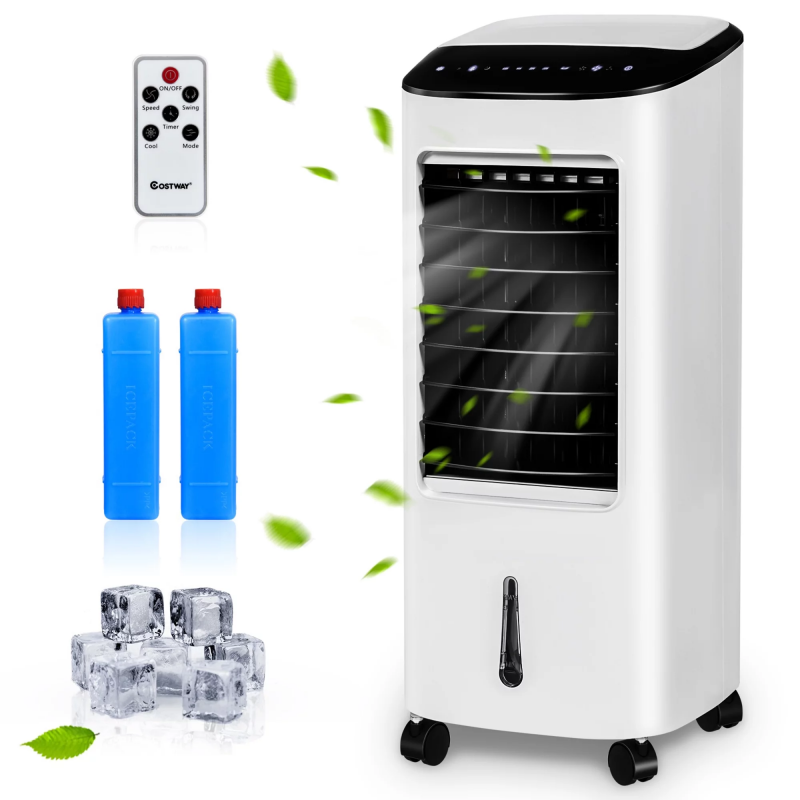
When the heat of summer arrives, many people find themselves searching for ways to stay cool. Two popular options are air coolers and electric fans. But which one is better? This article will explore the differences, advantages, and disadvantages of air coolers and electric fans, helping you make an informed decision for your cooling needs. Understanding the nuances of each option can significantly impact your comfort and energy consumption during the sweltering months.
Table of Contents
Understanding Air Coolers and Electric Fans
What is an Air Cooler?
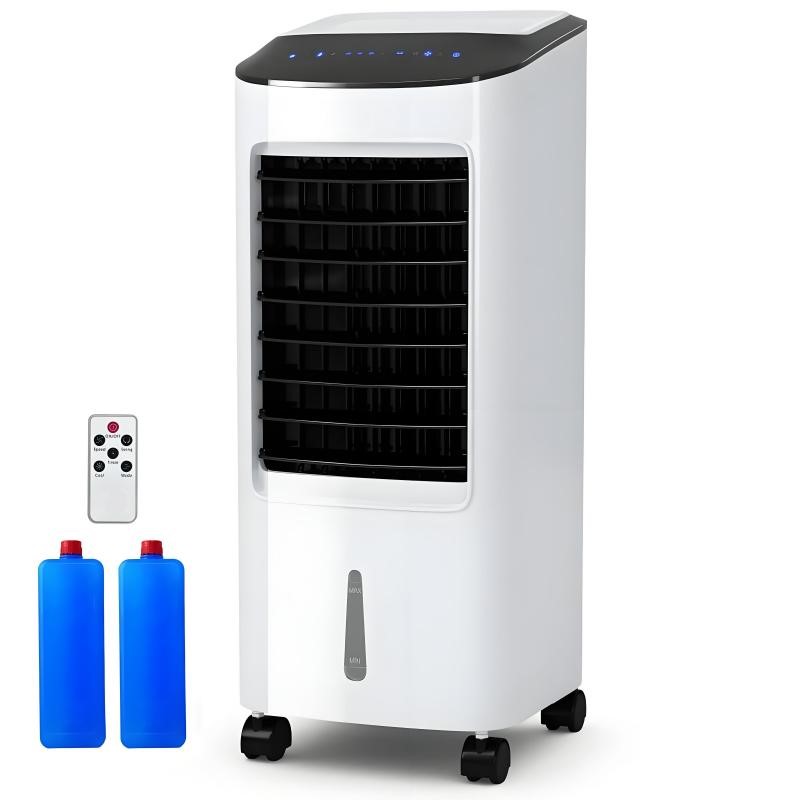
An air cooler, also known as an evaporative cooler, uses the principle of evaporation to cool the air. It works by drawing warm air through water-saturated pads, where the air is cooled through evaporation before being circulated into the room. This method not only cools the air but also adds moisture, making it ideal for dry climates. Air coolers are particularly effective in areas where humidity levels are low, as they can significantly reduce the temperature while also increasing humidity, which can be beneficial for skin and respiratory health. Additionally, many modern air coolers come equipped with features such as adjustable fan speeds, timers, and remote controls, enhancing user convenience.
What is an Electric Fan?
An electric fan, on the other hand, is a device that uses rotating blades to create airflow. It does not cool the air but rather moves it around, creating a wind-chill effect that can make you feel cooler. Fans are typically more energy-efficient than air coolers and are suitable for a variety of environments. They come in various designs, including ceiling fans, table fans, and pedestal fans, allowing users to choose the best fit for their space. While electric fans do not lower the temperature of the air, they can help to circulate cooler air from air-conditioned spaces, making them a versatile option for many households.
Key Differences Between Air Coolers and Electric Fans
Cooling Mechanism
The primary difference between air coolers and electric fans lies in their cooling mechanisms. Air coolers actively cool the air through evaporation, while electric fans simply circulate the existing air. This means that air coolers can lower the temperature of a room, whereas fans can only make you feel cooler by increasing airflow. The effectiveness of air coolers is particularly noticeable in enclosed spaces where the humidity is low, as they can create a refreshing environment. In contrast, electric fans are more effective in open areas where air can flow freely, providing a gentle breeze that can be quite pleasant.
Energy Efficiency
When it comes to energy consumption, electric fans are generally more efficient. They consume less power compared to air coolers, making them a cost-effective option for cooling. Air coolers, while still energy-efficient compared to air conditioning units, require more electricity due to their water pump and fan operation. This difference in energy consumption can lead to significant savings on your electricity bill, especially during the hot summer months when cooling devices are used frequently. Additionally, the lower energy consumption of electric fans makes them a more environmentally friendly choice.
Humidity Levels
Air coolers add moisture to the air, which can be beneficial in dry climates but may not be ideal in humid environments. In contrast, electric fans do not affect humidity levels, making them suitable for all climates. If you live in a humid area, using an air cooler might make the air feel even more uncomfortable, as the added moisture can lead to a sticky feeling. Understanding the humidity levels in your area can help you choose the right cooling option. For instance, in regions with high humidity, electric fans can provide a more comfortable experience by promoting air circulation without increasing moisture levels.
Portability
Both air coolers and electric fans come in various sizes, but electric fans are typically lighter and easier to move around. Many electric fans are designed to be portable, allowing you to easily transport them from room to room. Air coolers, while also portable, can be bulkier due to their water tanks and cooling mechanisms. This portability can be a significant advantage for those who need to cool multiple spaces or prefer to move their cooling device based on their activities throughout the day. For example, a lightweight electric fan can easily be taken outdoors for a picnic, while an air cooler may be better suited for a stationary setup in a living room.
Advantages of Air Coolers
Effective Cooling in Dry Climates
Air coolers excel in dry climates where humidity levels are low. They can significantly lower the temperature and provide a refreshing breeze, making them an excellent choice for areas with hot, dry summers. The cooling effect of an air cooler can be particularly beneficial during peak heat hours, providing relief from the oppressive heat. Additionally, the added moisture can help alleviate dry skin and respiratory issues, making air coolers a healthier option for many users. In regions like the southwestern United States or parts of Australia, air coolers are a popular choice for their effectiveness in combating dry heat.
Eco-Friendly Option
Air coolers are generally more environmentally friendly than traditional air conditioning units. They use less energy and do not rely on refrigerants, which can be harmful to the environment. This makes them a sustainable choice for cooling your home. Many air coolers are designed with energy-saving features, such as timers and eco-modes, which further reduce their environmental impact. By choosing an air cooler, you not only save on energy costs but also contribute to a greener planet, making it a responsible choice for eco-conscious consumers.
Cost-Effective
In terms of initial investment and operating costs, air coolers are often more affordable than air conditioning systems. They provide a good balance of cooling performance and energy efficiency, making them a popular choice for budget-conscious consumers. The lower purchase price and reduced energy consumption can lead to significant savings over time, especially for those who use their cooling devices frequently. Additionally, air coolers typically require less maintenance than air conditioning units, further enhancing their cost-effectiveness.
Advantages of Electric Fans
Versatility
Electric fans are versatile and can be used in various settings, from homes to offices and outdoor spaces. They come in different types, including ceiling fans, table fans, and floor fans, allowing you to choose the best option for your needs. This versatility makes electric fans suitable for a wide range of applications, from providing a gentle breeze in a bedroom to creating airflow in a large living area. Furthermore, many electric fans come with adjustable speed settings and oscillation features, allowing users to customize their cooling experience based on personal preferences.
Low Operating Costs
Electric fans are known for their low operating costs. They consume significantly less electricity than air coolers and air conditioning units, making them an economical choice for everyday use. This cost-effectiveness is particularly appealing during the summer months when cooling devices are in high demand. By using electric fans strategically, such as in conjunction with open windows or cooler evening air, you can maximize comfort while minimizing energy expenses. This makes electric fans an excellent choice for those looking to stay cool without breaking the bank.
Easy Maintenance
Maintaining an electric fan is generally easier than maintaining an air cooler. Fans require minimal cleaning and upkeep, while air coolers need regular maintenance to ensure the water tank and cooling pads are clean and functioning properly. The simplicity of electric fans means that users can enjoy consistent performance without the hassle of frequent maintenance tasks. Regular dusting and occasional deep cleaning are usually sufficient to keep an electric fan in good working condition, making it a convenient option for busy households.
Disadvantages of Air Coolers
Limited Effectiveness in Humid Conditions
One of the main drawbacks of air coolers is their limited effectiveness in humid conditions. In areas with high humidity, the added moisture from the cooler can make the air feel sticky and uncomfortable. This can lead to a situation where the air cooler is not only ineffective but may also contribute to discomfort. For individuals living in humid climates, it is essential to consider alternative cooling options, such as electric fans or air conditioning, which can provide relief without increasing humidity levels.
Regular Maintenance Required
Air coolers require regular maintenance, including cleaning the water tank and replacing the cooling pads. Neglecting maintenance can lead to mold and bacteria growth, which can affect air quality. This maintenance requirement can be a drawback for those who prefer low-maintenance appliances. To ensure optimal performance and air quality, users should establish a regular cleaning schedule and be proactive about maintaining their air cooler. This may involve checking water levels, cleaning filters, and ensuring that the cooling pads are free from debris.
Disadvantages of Electric Fans
No Actual Cooling
While electric fans create a wind-chill effect, they do not lower the air temperature. In extremely hot conditions, fans may not provide sufficient relief, especially if the air is stagnant. This limitation can be frustrating for users seeking significant cooling during heat waves. In such cases, combining electric fans with other cooling methods, such as air conditioning or air coolers, may be necessary to achieve the desired comfort level.
Increased Energy Consumption in Hot Weather
In very hot weather, relying solely on electric fans may lead to increased energy consumption as you may need to run them continuously to feel comfortable. This can result in higher electricity bills, particularly if the fans are used in conjunction with other appliances. To mitigate this, users can consider using fans strategically, such as during cooler parts of the day or in conjunction with natural ventilation, to reduce reliance on electric fans during peak heat.
Choosing the Right Option for Your Needs
When deciding between an air cooler and an electric fan, consider the following factors:
Climate
If you live in a dry climate, an air cooler may be the better option for effective cooling. However, if you are in a humid area, an electric fan might be more suitable. Understanding your local climate can help you make a more informed decision about which cooling device will provide the best comfort and efficiency.
Room Size
For larger rooms, air coolers can provide better cooling coverage. In smaller spaces, electric fans can effectively circulate air without taking up much room. Assessing the size of the area you need to cool can help you determine which option will be most effective. For instance, a powerful air cooler may be ideal for a spacious living room, while a compact fan could suffice for a small bedroom.
Budget
Consider your budget for both initial purchase and ongoing operating costs. Electric fans are generally cheaper to run, while air coolers may have higher upfront costs but can be more effective in the right conditions. Evaluating your budget can help you choose a cooling solution that meets your financial needs while still providing comfort.
Personal Preference
Ultimately, personal preference plays a significant role in your choice. Some people prefer the feel of a cool breeze from a fan, while others enjoy the refreshing coolness of an air cooler. Your comfort and satisfaction with your cooling device are paramount, so consider your preferences when making a decision.
Conclusion
In conclusion, both air coolers and electric fans have their unique advantages and disadvantages. The best choice depends on your specific needs, climate, and budget. By understanding the differences between these two cooling options, you can make an informed decision that will keep you comfortable during the hot summer months. Whether you opt for the effective cooling of an air cooler or the versatility of an electric fan, both devices can play a crucial role in enhancing your comfort during the heat.
How To Purchase:https://looperbuy.com/search?keywords=air+cooler+electric+fan
Frequently Asked Questions
1. Can I use an air cooler in a humid climate?
Air coolers are not recommended for humid climates as they add moisture to the air, which can make the environment feel uncomfortable. In such conditions, electric fans or air conditioning may be more suitable options.
2. How often should I clean my air cooler?
It is advisable to clean your air cooler at least once a month to prevent mold and bacteria growth in the water tank and cooling pads. Regular maintenance ensures optimal performance and air quality.
3. Are electric fans energy-efficient?
Yes, electric fans are generally energy-efficient and consume less power compared to air conditioning units and air coolers. This makes them a cost-effective choice for everyday use.
4. Can I use an electric fan outdoors?
Yes, many electric fans are designed for outdoor use, but ensure they are suitable for the environment and protected from moisture. Outdoor fans can enhance comfort during gatherings or activities outside.
5. Which is better for a large room, an air cooler or an electric fan?
An air cooler is typically better for large rooms as it can effectively lower the temperature, while an electric fan will only circulate the air. For optimal cooling in spacious areas, air coolers are often the preferred choice.