In the realm of childhood memories, few places evoke as much nostalgia as the iconic Children’s Palace toy store. Known for its whimsical castle-like architecture and vast selection of toys, Children’s Palace was more than just a store; it was a magical destination for children and families alike. This article delves into the history, significance, and lasting impact of Children’s Palace, exploring why it remains a cherished memory for many.
Table of Contents
The Origins of Children’s Palace
A Dream Come True
Children’s Palace was founded in the late 1970s, emerging as a response to the growing demand for specialized toy stores. The concept was simple yet enchanting: create a store that resembled a castle, where children could explore a world filled with toys, games, and imagination. The first Children’s Palace opened its doors in 1978, quickly capturing the hearts of families across the United States.
The Vision Behind the Store
The vision behind Children’s Palace was to create an immersive shopping experience that went beyond mere transactions. The founders aimed to provide a space where children could engage with toys, play, and let their imaginations run wild. This vision was reflected in the store’s design, which featured vibrant colors, playful displays, and a layout that encouraged exploration.
The Unique Features of Children’s Palace
Castle-Like Architecture
One of the most striking aspects of Children’s Palace was its architecture. The store was designed to resemble a fairy tale castle, complete with turrets, colorful banners, and whimsical decorations. This enchanting exterior drew children in, making them feel as though they were entering a magical kingdom. The design was not just for aesthetics; it created an atmosphere that encouraged play and exploration.
A Vast Selection of Toys
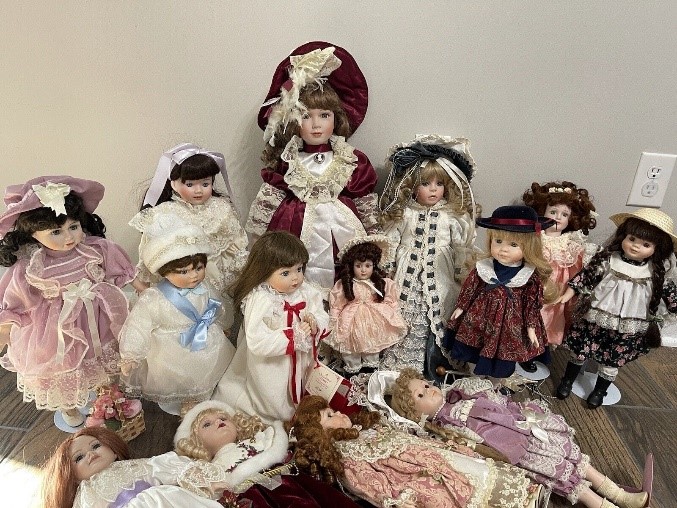
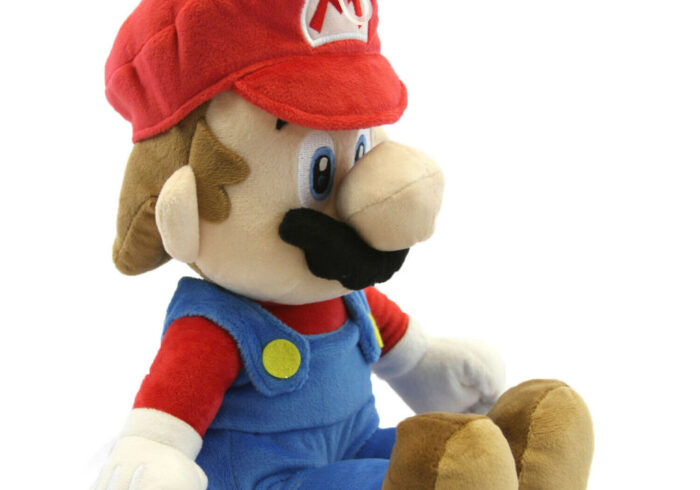
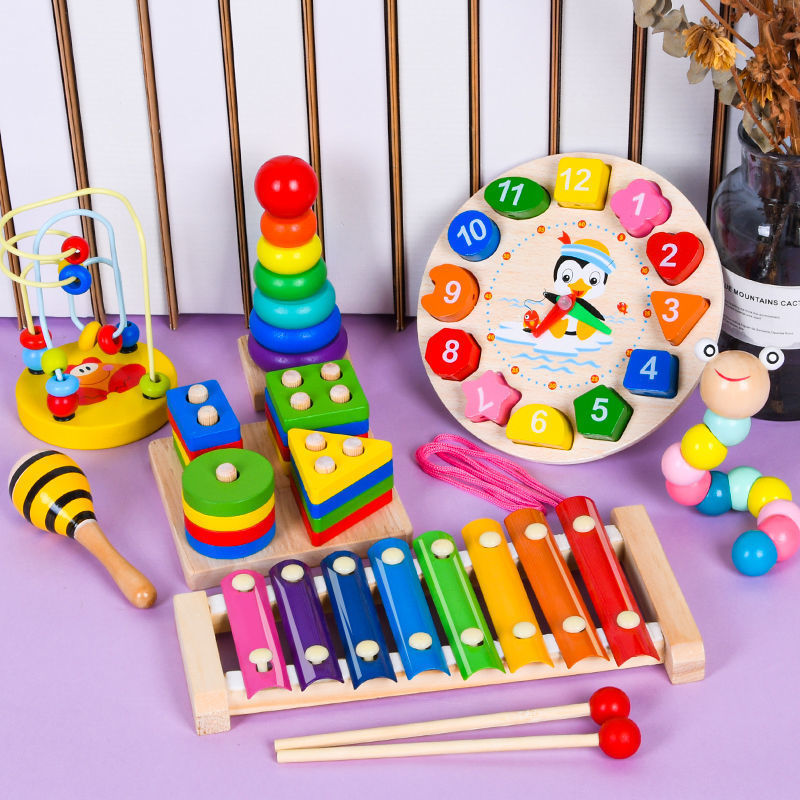
Inside Children’s Palace, the magic continued. The store boasted an extensive selection of toys, ranging from action figures and dolls to board games and educational toys. Families could find everything they needed for playtime, making it a one-stop shop for all things fun. The layout of the store was designed to facilitate easy navigation, allowing children to discover new toys and games at every turn.
Interactive Play Areas
Children’s Palace was not just a place to shop; it was a destination for play. Many locations featured interactive play areas where children could test out toys before purchasing them. This hands-on experience allowed kids to engage with the products, fostering a sense of excitement and anticipation. The play areas also provided a space for parents to relax while their children explored.
The Cultural Impact of Children’s Palace
A Nostalgic Landmark
For many who grew up in the 1980s and 1990s, Children’s Palace holds a special place in their hearts. The store became a cultural landmark, representing a time when shopping for toys was an adventure. Families would often make trips to Children’s Palace a part of their holiday traditions, creating lasting memories in the process.
Competing with Major Retailers
During its peak, Children’s Palace faced competition from major retailers like Toys “R” Us and Walmart. However, its unique concept and immersive experience set it apart. While other stores focused on volume and price, Children’s Palace prioritized the shopping experience, making it a beloved destination for families.
The Decline and Closure
Despite its popularity, Children’s Palace faced challenges in the late 1990s. The rise of online shopping and changing consumer preferences led to a decline in foot traffic. In 2000, the company filed for bankruptcy, and many locations were closed. The closure of Children’s Palace marked the end of an era, leaving a void in the hearts of many who cherished their experiences there.
The Legacy of Children’s Palace
A Lasting Influence on Toy Retail
Even after its closure, the influence of Children’s Palace can still be felt in the toy retail industry. The store’s emphasis on creating a magical shopping experience has inspired other retailers to adopt similar strategies. Many modern toy stores now incorporate interactive elements and immersive designs to engage customers, echoing the legacy of Children’s Palace.
Nostalgia in Popular Culture
Children’s Palace has also made its mark in popular culture. References to the store can be found in various media, from nostalgic social media posts to documentaries about childhood memories. The store’s unique concept and design continue to resonate with those who experienced its magic, ensuring that its legacy lives on.
Collectibles and Memorabilia
For many former customers, Children’s Palace memorabilia has become a collector’s item. Vintage toys, promotional materials, and store merchandise are sought after by enthusiasts who want to relive their childhood memories. This nostalgia-driven market highlights the enduring impact of Children’s Palace on those who grew up with it.
The Marketing Strategies of Children’s Palace
Creating a Unique Brand Identity
Children’s Palace established a strong brand identity that resonated with families. The castle theme was not just a gimmick; it was a core part of the brand’s identity. This unique branding helped the store stand out in a crowded market, making it memorable for customers.
Seasonal Promotions and Events
Children’s Palace was known for its seasonal promotions and events, particularly during the holiday season. The store would host special events, such as visits from Santa Claus, toy demonstrations, and themed activities. These events created a festive atmosphere and encouraged families to visit the store, reinforcing its position as a go-to destination for holiday shopping.
Engaging Advertising Campaigns
The marketing team at Children’s Palace developed engaging advertising campaigns that captured the imagination of children and parents alike. Television commercials featured children playing with toys in the store, showcasing the fun and excitement of shopping at Children’s Palace. These ads not only promoted specific products but also highlighted the overall experience of visiting the store.
Community Involvement
Children’s Palace actively engaged with the community through sponsorships and partnerships with local organizations. By participating in community events and supporting local charities, the store built a positive reputation and fostered goodwill among customers. This community involvement helped to strengthen customer loyalty and encourage repeat visits.
The Layout and Design of Children’s Palace
An Immersive Shopping Experience
The layout of Children’s Palace was carefully designed to create an immersive shopping experience. The store was divided into themed sections, each representing different categories of toys. This organization made it easy for customers to navigate the store and find what they were looking for while also encouraging exploration.
Play Zones and Interactive Displays
Children’s Palace incorporated play zones and interactive displays throughout the store. These areas allowed children to engage with toys and games, providing a hands-on experience that traditional retail environments often lack. The interactive displays not only entertained children but also helped parents make informed purchasing decisions.
Eye-Catching Visual Merchandising
The visual merchandising at Children’s Palace was vibrant and eye-catching. Colorful displays, themed decorations, and creative signage drew customers in and created a sense of excitement. The store’s design was not just functional; it was also a feast for the eyes, enhancing the overall shopping experience.
Efforts to Revive the Toy Store Concept
The Changing Landscape of Retail
In recent years, there has been a resurgence of interest in experiential retail, particularly in the toy industry. As consumers seek unique shopping experiences, some retailers are looking to revive the magic of stores like Children’s Palace. This shift reflects a desire for more than just transactional shopping; customers want to engage with products in meaningful ways.
New Toy Store Concepts
Several new toy store concepts have emerged that aim to capture the essence of Children’s Palace. These stores focus on creating immersive environments where children can play, explore, and discover new toys. By incorporating interactive elements and engaging displays, these retailers are attempting to recreate the magic that made Children’s Palace so special.
The Role of Technology
Technology is playing a significant role in the evolution of toy retail. Many modern toy stores are integrating digital experiences, such as augmented reality and interactive apps, to enhance the shopping experience. These innovations allow children to engage with toys in new and exciting ways, bridging the gap between physical and digital play.
Conclusion
Children’s Palace was more than just a toy store; it was a magical kingdom where children could explore, play, and dream. Its unique architecture, vast selection of toys, and commitment to creating an immersive experience set it apart from other retailers. Although the store has closed its doors, its legacy continues to inspire and evoke fond memories for generations. The enchantment of Children’s Palace lives on in the hearts of those who experienced its magic, reminding us of the joy and wonder of childhood.
How to purchase:https://looperbuy.com/search?keywords=children%27s+palace+toy+store&globalType=1688
Frequently Asked Questions
- What was the concept behind Children’s Palace?
Children’s Palace aimed to create a magical shopping experience for children, featuring a castle-like design and a vast selection of toys.
- When did Children’s Palace open its first store?
Children’s Palace opened its first store in 1978, quickly becoming a popular destination for families.
- What made Children’s Palace different from other toy stores?
Children’s Palace focused on creating an immersive experience with interactive play areas and a whimsical atmosphere, setting it apart from competitors.
- Why did Children’s Palace close?
The rise of online shopping and changing consumer preferences led to a decline in foot traffic, ultimately resulting in the closure of Children’s Palace in 2000.
- How has Children’s Palace influenced modern toy retail?
The store’s emphasis on creating a magical shopping experience has inspired many modern toy retailers to incorporate interactive elements and immersive designs.
Hot Tag: Children’s Palace, nostalgic toy store, magical shopping experience, immersive retail, childhood memories, unique toy selection, interactive play areas, cultural landmark, toy retail evolution, community engagement, vintage collectibles, experiential shopping, modern toy concepts, legacy of play, family traditions.